What is Austria known for?
Short answer
Austria is globally renowned for its profound contributions to classical music, alpine geography, and imperial history. Centered in the heart of Europe, the nation is celebrated for its sophisticated coffee house culture, historic architecture in Vienna and Salzburg, and world-class winter sports facilities that attract millions of international visitors annually.
On this page
Why is Austria famous for classical music?
Austria is widely considered the cradle of Western classical music, having served as the home for some of history’s most influential composers. During the 18th and 19th centuries, Vienna became the undisputed musical capital of Europe, drawing talent from across the continent to perform in its grand opera houses and imperial courts. The legacy of these masters remains central to the country’s modern cultural identity.
The following figures are synonymous with the Austrian musical tradition:
- Wolfgang Amadeus Mozart, born in Salzburg, whose compositions defined the Classical era.
- Ludwig van Beethoven, who spent his most productive years in Vienna developing the transition to Romanticism.
- Franz Schubert, known for his prolific output of lieder and symphonic works.
- Johann Strauss II, the "Waltz King," who solidified the popularity of Viennese dance music.
Today, visitors can experience this heritage through the Vienna Philharmonic’s New Year’s Concert or by touring the former residences of these composers. The state-subsidized opera houses maintain rigorous standards, ensuring that classical performance remains a living, breathing part of daily life rather than a mere museum exhibit.
How to experience authentic coffee house culture?
Viennese coffee house culture is a UNESCO-recognized intangible cultural heritage. Unlike modern grab-and-go cafes, these establishments are designed as "public living rooms" where patrons are encouraged to linger for hours over a single cup of coffee while reading newspapers provided by the house. This tradition promotes a relaxed pace of life that is essential to understanding the local social fabric.
To navigate a traditional coffee house like a local, follow these steps:
- Choose a table and wait for a waiter to approach; do not order at the counter.
- Order a specific style, such as a Melange (similar to a cappuccino) or an Einspänner (coffee topped with whipped cream).
- Feel free to stay as long as you like, even if your cup is empty.
- Signal the waiter when you are ready to pay by saying "Zahlen, bitte."
Common mistakes include rushing the staff or expecting quick service. The coffee house experience is intentionally slow, and waiters often view multiple requests as a sign of impatience. Avoid asking for "to-go" cups, as many traditional houses do not offer them, and refrain from using your laptop for extended periods, as these spaces are intended for conversation and reading.
Best regions for winter sports and skiing
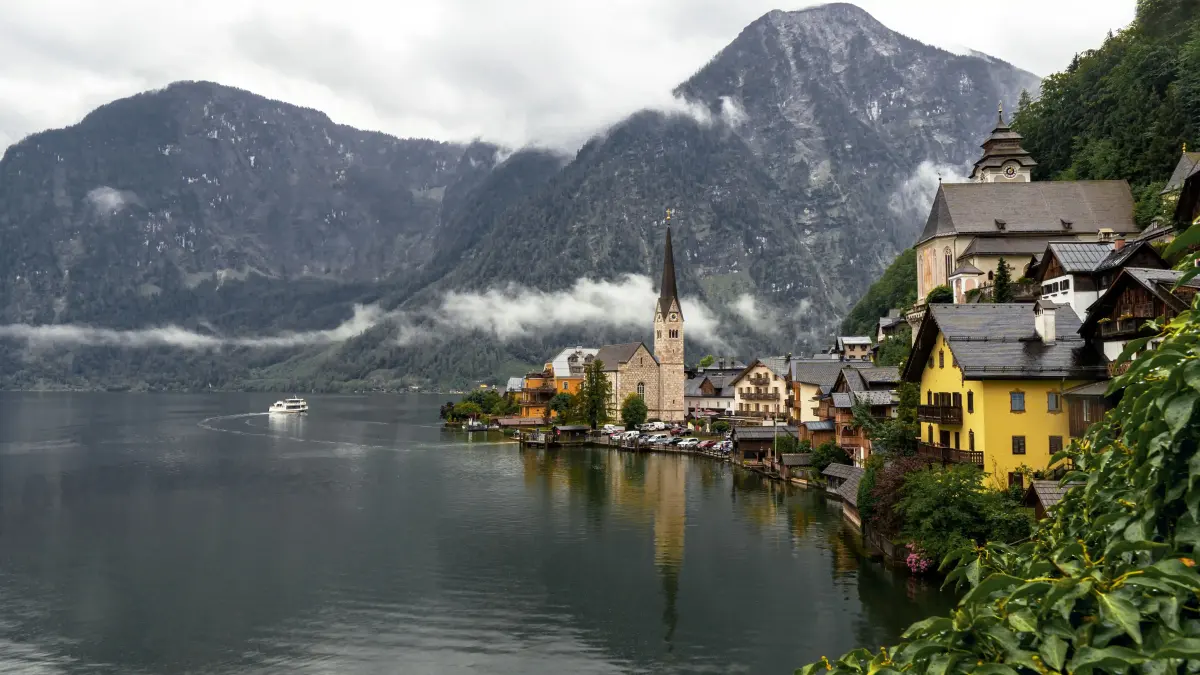
Austria is one of the world's premier destinations for alpine skiing, boasting thousands of kilometers of groomed slopes and advanced lift infrastructure. The geography of the Austrian Alps, which cover 62 percent of the country’s landmass, provides reliable snow conditions from December through April. Resorts range from family-friendly villages to high-altitude glaciers that offer year-round skiing.
Popular regions for winter enthusiasts include:
- Arlberg: Known as the "cradle of alpine skiing," it connects legendary resorts like St. Anton and Lech.
- Kitzbühel: Famous for the Hahnenkamm race, one of the most challenging downhill courses in the world.
- Zillertal: Offers vast terrain suitable for all skill levels and excellent après-ski nightlife.
- Zell am See-Kaprun: Combines lakeside scenery with glacier skiing on the Kitzsteinhorn.
When planning a trip, prioritize booking accommodation near a ski lift to avoid long shuttle commutes. Beginners should look for resorts with dedicated "blue" runs and English-speaking ski schools, which are abundant throughout the Tyrol and Vorarlberg provinces. Always check local weather reports, as high-altitude conditions can change rapidly even on sunny days.
What is the history of the Habsburg Empire?
The Habsburg dynasty ruled Austria for over 600 years, transforming a small duchy into the center of a vast, multi-ethnic empire. At its peak, the empire encompassed lands stretching from the Netherlands to the borders of the Ottoman Empire. This long period of imperial rule left an indelible mark on the country’s architecture, legal systems, and political traditions.
The architecture of Vienna serves as a physical timeline of this power. The Hofburg Palace, the primary winter residence of the Habsburgs, showcases centuries of expansion and stylistic evolution, from Gothic to Baroque. Similarly, Schönbrunn Palace, the summer residence, reflects the grandeur of Empress Maria Theresa, who modernized the state during her 40-year reign.
Understanding this history is essential for appreciating the modern Austrian political landscape. The collapse of the empire following World War I led to the formation of the First Austrian Republic. Today, the country maintains a neutral stance, reflecting a historical shift from being the center of a global power to a stable, prosperous nation focused on European integration.
Common mistakes when visiting Austrian cities
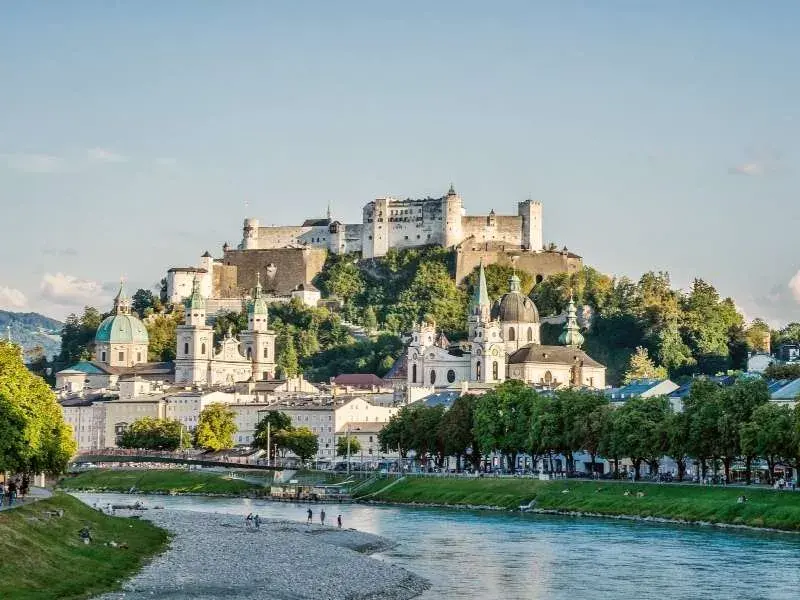
Many travelers make the mistake of focusing exclusively on Vienna, overlooking the diverse character of other major cities like Salzburg, Graz, and Innsbruck. While Vienna is essential for its imperial history and museums, Salzburg offers a distinct Alpine charm and deep ties to Mozart, while Graz is celebrated for its innovative architecture and culinary scene.
To ensure a smooth visit, keep these practical tips in mind:
- Respect quiet hours: Austrians value peace and quiet, particularly on Sundays when most shops are closed.
- Use public transport: Trains and trams are exceptionally efficient, making car rentals unnecessary for city travel.
- Dress appropriately: While casual wear is fine, Austrians tend to dress neatly; avoid overly athletic wear in formal settings.
- Validate tickets: If you purchase a paper transit ticket, ensure you stamp it in the machine to avoid heavy fines.
Avoid assuming that German is the only language spoken, as most residents in tourist areas speak excellent English. However, learning basic phrases like "Grüß Gott" for a greeting or "Danke" for thanks is highly appreciated. By observing these local customs and planning your itinerary to include both urban and rural highlights, you will gain a much deeper appreciation for the country.
Key facts
- Austria is a landlocked nation in Central Europe, sharing borders with eight countries, including Germany, Italy, and Switzerland.
- The capital city, Vienna, was the seat of the Habsburg Empire for over 600 years and remains a global hub for classical music.
- The Austrian Alps cover approximately 62% of the country's total land area, making it a premier destination for winter sports and alpine hiking.
- When visiting, always validate your public transport ticket in the machine upon boarding; failure to do so can result in an immediate fine of over 100 euros.
- Austria is world-renowned for its coffee house culture, which was officially recognized by UNESCO as an Intangible Cultural Heritage in 2011.
- The country uses the Euro, and while credit cards are increasingly accepted, carrying cash is essential for smaller cafes and rural guesthouses.
The bottom line
Austria offers a sophisticated blend of imperial history, breathtaking alpine landscapes, and a deeply ingrained coffee house culture. Whether you are exploring the baroque architecture of Vienna or skiing the slopes of the Tyrol region, the country provides a high standard of living and efficient infrastructure. By respecting local customs, such as validating transit tickets and observing Sunday closures, travelers can enjoy a seamless and memorable visit.
People also ask
Is Austria considered an expensive country to visit?
Austria is generally mid-to-high range in terms of cost, especially in Vienna and popular ski resorts like Kitzbühel. You can save money by using the extensive train network and eating at local "Gasthäuser" rather than tourist-centric restaurants.
What is the best time of year to travel to Austria?
This depends on your interests; December is ideal for Christmas markets and skiing, while June through August offers perfect weather for hiking and lake swimming. Shoulder seasons in May and September provide fewer crowds and mild temperatures for city sightseeing.
Do I need to speak German to get around?
While German is the official language, English is widely spoken in cities and tourist areas. Learning basic phrases like "Grüß Gott" for hello and "Danke" for thank you is considered polite and appreciated by locals.
What are the must-try foods in Austria?
You should sample Wiener Schnitzel, a breaded veal cutlet, and Sachertorte, a famous dense chocolate cake. For a savory snack, look for "Leberkäse" in a roll, which is a staple quick meal found at butcher shops.
Is it customary to tip in Austrian restaurants?
Tipping is standard practice but not as aggressive as in the United States; rounding up the bill or adding 5-10% is considered appropriate. Always state the total amount you wish to pay when handing over your cash rather than leaving money on the table.
Are shops open on Sundays in Austria?
Almost all retail shops, including supermarkets, are closed on Sundays and public holidays. Plan your grocery shopping accordingly and ensure you have necessary supplies before the weekend begins.
This answer was created with the help of AI research tools and reference sources. Spotted an error? Let us know — we correct mistakes quickly. See our editorial policy.
