What is the Netherlands known for?
Short answer
The Netherlands is internationally recognized for its innovative water management, iconic tulip fields, and historic artistic legacy. Beyond these, the nation is known for its flat landscape, extensive cycling infrastructure, liberal social policies, and the bustling port of Rotterdam. It remains a global leader in trade, engineering, and sustainable urban design.
On this page
Why is the Netherlands famous for water management?
The Netherlands is uniquely situated, with approximately one-third of its landmass lying below sea level. This geographical reality has forced the Dutch to become global experts in hydraulic engineering and land reclamation. The country utilizes a sophisticated network of dikes, dams, storm surge barriers, and pumping stations to prevent flooding and protect urban centers. The Delta Works, a massive series of construction projects completed in 1997, is considered one of the Seven Wonders of the Modern World by the American Society of Civil Engineers.
This expertise is not merely historical but remains a vital export. Dutch engineers frequently advise international governments on climate change adaptation and coastal defense strategies. The integration of "living with water" is visible in the country’s urban planning, where canals serve both as historical transport routes and modern drainage systems. Visitors can observe this engineering prowess firsthand by visiting the following sites:
- The Maeslantkering, a massive storm surge barrier near Rotterdam.
- The Afsluitdijk, a 32-kilometer-long causeway that transformed a saltwater sea into a freshwater lake.
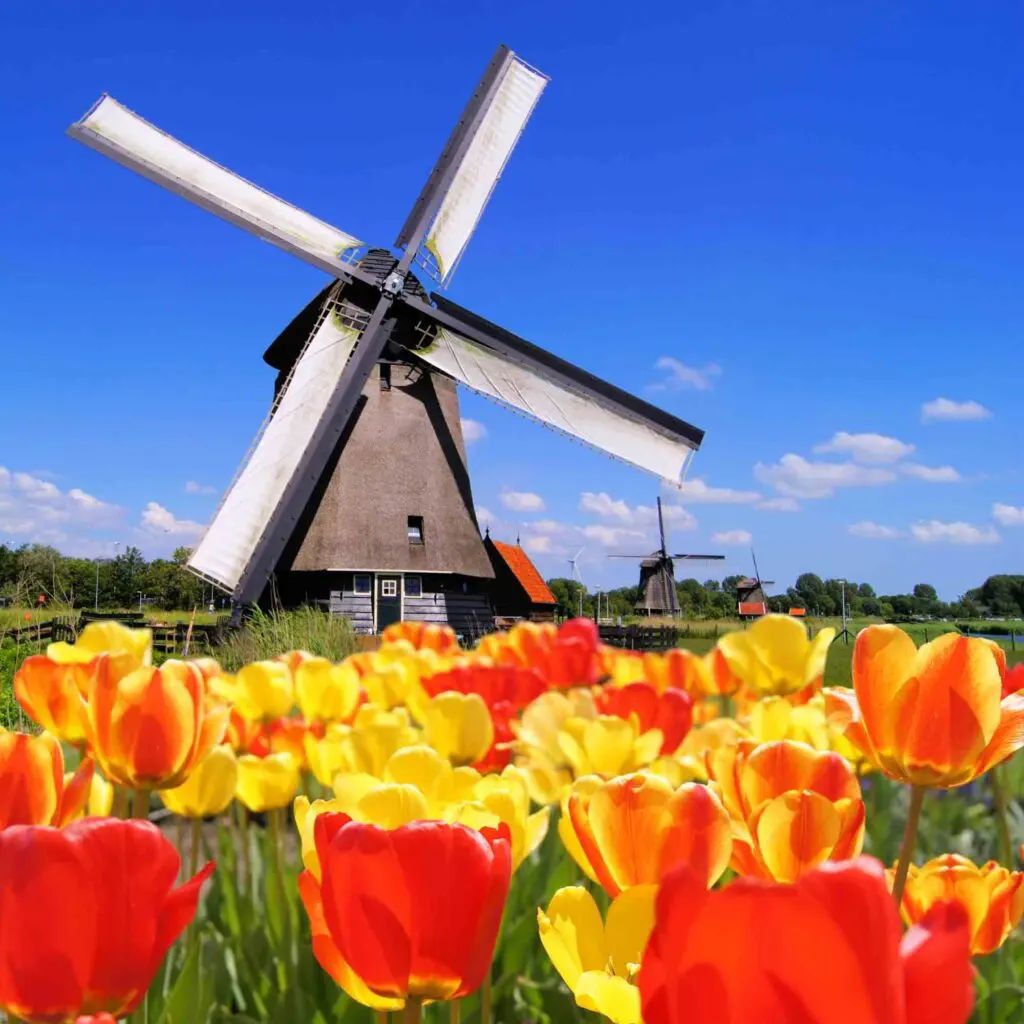
- The Kinderdijk windmills, which represent the traditional technology used to drain polders.
How to travel like a local by bicycle?
Cycling is the primary mode of transport in the Netherlands, supported by over 35,000 kilometers of dedicated bike paths. The country boasts more bicycles than people, with approximately 23 million bikes for a population of 17.5 million. Navigating cities like Amsterdam or Utrecht is most efficient on two wheels, as the infrastructure is designed to prioritize cyclists over cars. Most major train stations feature massive, multi-story parking facilities specifically for bicycles, reflecting the seamless integration of cycling with public transit.
To navigate the country like a local, follow these steps:
- Rent a sturdy city bike with a coaster brake or hand brakes from a local shop.
- Always lock your bike to a fixed object using a heavy-duty chain, as theft is common in busy areas.
- Observe traffic signals strictly, as Dutch police frequently ticket cyclists for running red lights.
- Keep to the right side of the path and use hand signals to indicate turns to those behind you.
- Avoid parking your bike in areas marked with a "no parking" sign, or it may be impounded by the municipality.
What is the history of Dutch art and culture?
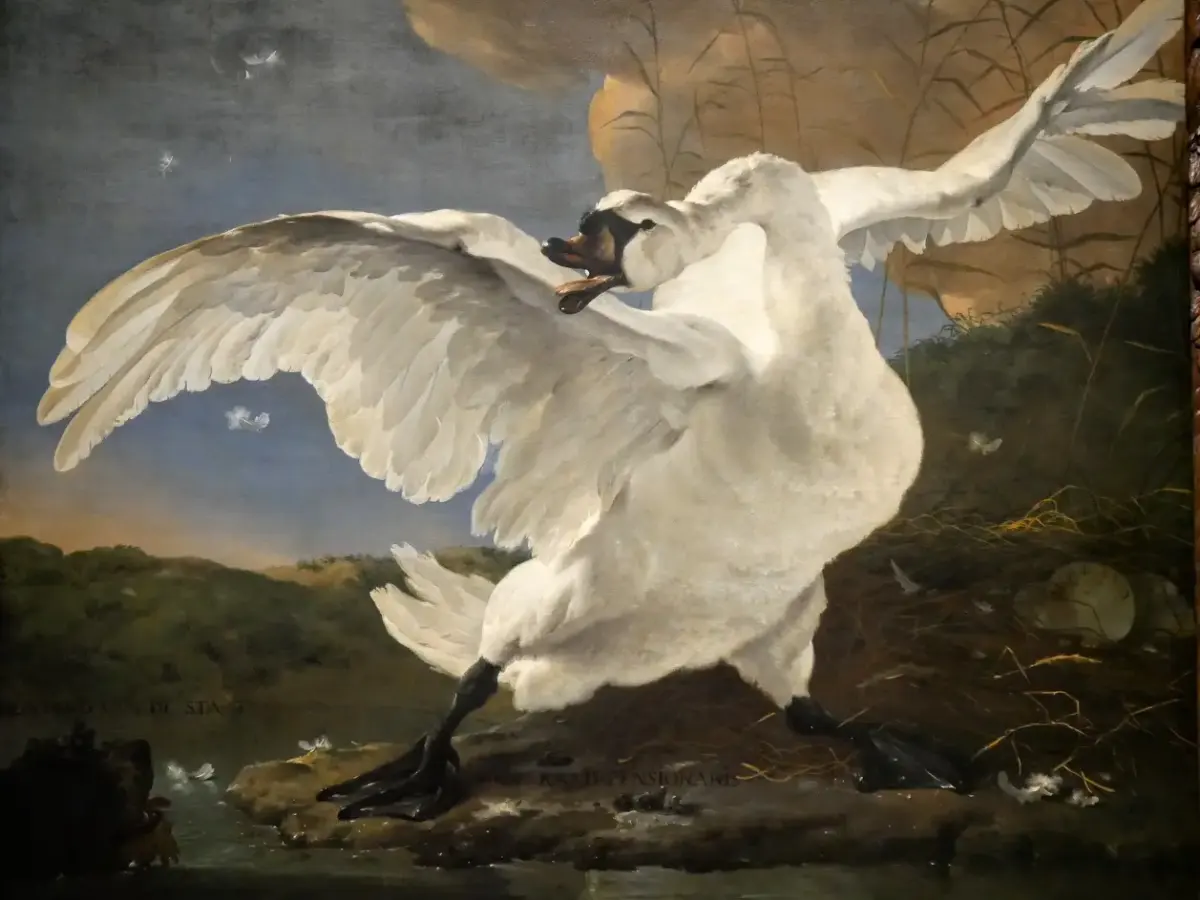
The Netherlands is renowned for its "Golden Age" of painting, which occurred during the 17th century. During this period, masters such as Rembrandt van Rijn, Johannes Vermeer, and Frans Hals redefined portraiture, still life, and landscape art. Their work is characterized by dramatic use of light, meticulous detail, and an emphasis on the lives of ordinary citizens rather than just religious or royal subjects. Today, the Rijksmuseum in Amsterdam houses the world’s largest collection of these masterpieces, including Rembrandt’s famous "The Night Watch."
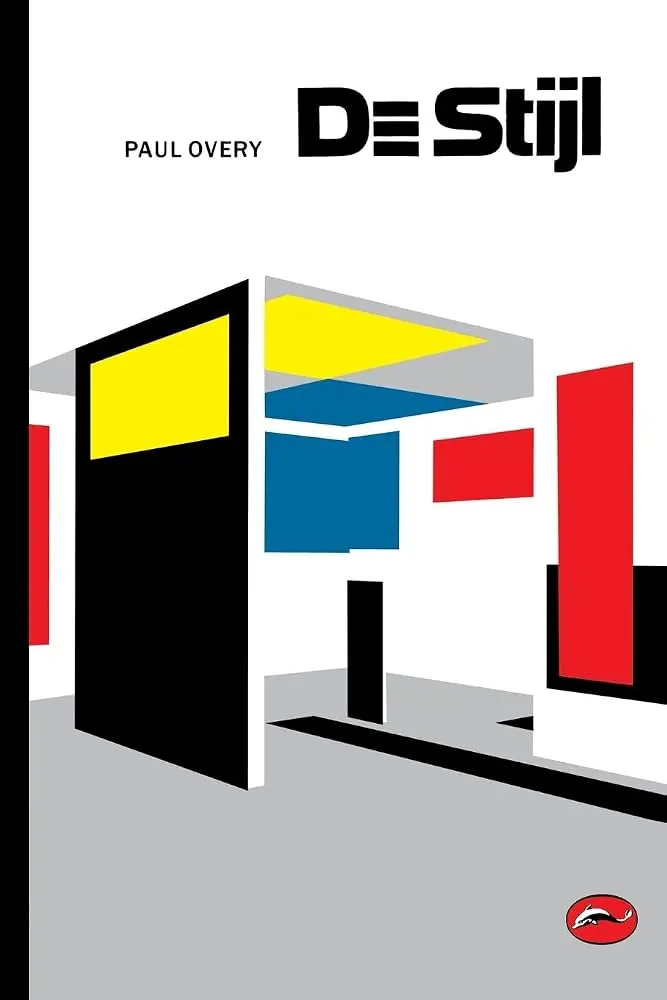
Beyond the Golden Age, the Netherlands produced Vincent van Gogh, whose post-impressionist works are celebrated globally for their emotional intensity and bold color palettes. The Van Gogh Museum in Amsterdam holds the largest collection of his paintings and drawings. Modern Dutch design is equally influential, known for its minimalist, functional, and often humorous approach. The "De Stijl" movement, led by Piet Mondrian, significantly influenced 20th-century architecture and graphic design. When visiting museums, it is advisable to book tickets weeks in advance, as popular exhibitions frequently sell out during peak tourist seasons.
Best tips for visiting tulip fields and flower markets?
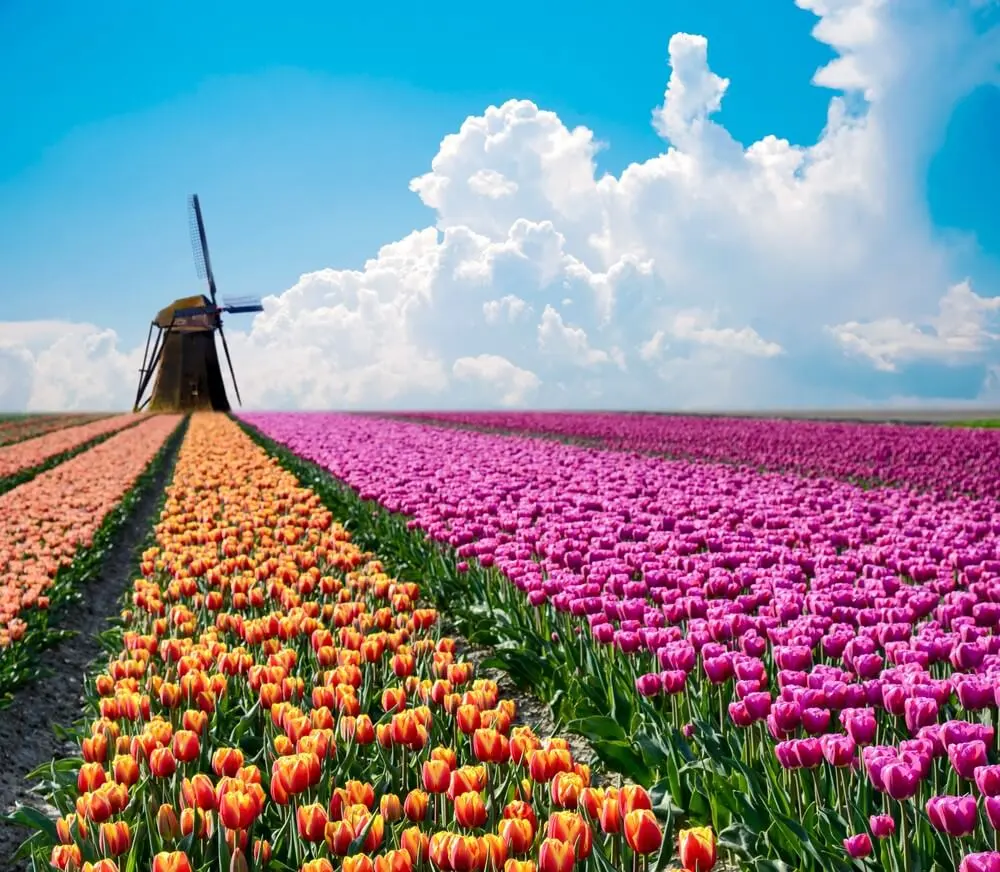
The Netherlands is synonymous with tulips, which were introduced to the country in the late 16th century and triggered the world's first economic bubble, known as "Tulip Mania." Today, the country is the world’s largest exporter of flowers and bulbs. The Keukenhof Gardens, located in Lisse, is the premier destination for viewing these blooms. It features over seven million flower bulbs planted annually, creating a vibrant tapestry of colors that draws millions of visitors each spring between mid-March and mid-May.
Common mistakes when visiting the flower regions include:
- Walking into the flower fields themselves, as this damages the bulbs and is considered disrespectful to farmers.
- Visiting too early or too late in the season, which results in seeing fields that have already been "topped" or harvested.
- Relying solely on public transport during peak weekends, as buses to Keukenhof can become extremely overcrowded.
- Assuming all fields are tulips, as many are actually daffodils or hyacinths, which bloom at slightly different times.
- Forgetting to bring a camera, as the landscape offers some of the most vibrant photographic opportunities in Europe.
Why is the Dutch economy a global leader?
Despite its small geographic size, the Netherlands maintains one of the most competitive and open economies in the world. Its strategic location at the mouth of the Rhine and Meuse rivers makes it the "Gateway to Europe." The Port of Rotterdam is the largest in Europe and remains a critical hub for international shipping and logistics. The Dutch economy is highly diversified, with strengths in agriculture, high-tech manufacturing, chemicals, and financial services. The country consistently ranks among the top global exporters of agricultural products, despite its limited land area.
This success is driven by a focus on innovation and sustainable technology. The Netherlands is a leader in greenhouse horticulture, using advanced climate-controlled environments to maximize crop yields with minimal water and pesticide use. Furthermore, the Dutch business culture is known for its directness, consensus-seeking approach, and high proficiency in English, making it an attractive destination for multinational corporations. By maintaining a stable regulatory environment and investing heavily in education and research, the Netherlands ensures its continued relevance in the global market for years to come.
Key facts
- The Netherlands is famous for its extensive network of canals, with Amsterdam alone boasting over 100 kilometers of waterways and 1,500 bridges.
- Roughly 26% of the country’s landmass lies below sea level, protected by a sophisticated system of dikes, dams, and storm surge barriers known as the Delta Works.
- The country is the world’s second-largest exporter of agricultural products, trailing only the United States, despite its small geographic size.
- Cycling is a primary mode of transportation, supported by over 35,000 kilometers of dedicated cycling paths across the nation.
- The Keukenhof gardens, often called the Garden of Europe, showcase approximately 7 million flower bulbs annually, highlighting the nation's status as the world's leading tulip producer.
- When visiting, always reserve museum tickets online in advance, especially for the Van Gogh Museum or the Anne Frank House, to avoid long queues or sold-out dates.
The bottom line
The Netherlands is a unique blend of historical innovation and modern efficiency, defined by its struggle against the sea and its commitment to sustainable living. From the artistic legacy of Rembrandt and Van Gogh to its world-leading water management technology, the country offers a dense, accessible experience for travelers. Whether cycling through historic city centers or exploring rural tulip fields, visitors find a highly organized, welcoming society.
People also ask
Is it correct to call the country Holland?
Holland is technically only a region consisting of two provinces, North and South Holland, rather than the entire country. While many locals use the terms interchangeably, referring to the nation as the Netherlands is the accurate geographic designation.
What is the best way to travel between cities?
The Dutch rail network (NS) is highly efficient and connects almost every town in the country. Use the "NS" app or website to check schedules and purchase tickets, as trains run with high frequency throughout the day.
Do I need to carry cash in the Netherlands?
Most shops, cafes, and public transport systems prefer or exclusively accept debit cards, specifically those on the Maestro or V-Pay networks. Many smaller establishments do not accept credit cards, so carrying a debit card is essential.
What is the traditional Dutch diet like?
Dutch cuisine is known for hearty comfort foods like stamppot (mashed potatoes with vegetables) and erwtensoep (thick pea soup). For snacks, look for stroopwafels or deep-fried bitterballen served at local pubs.
When is the best time to see the tulips?
The tulip season typically runs from late March to mid-May, with mid-April usually being the peak bloom period. Planning your trip during this window provides the best opportunity to see the iconic flower fields in full color.
Are there common cultural mistakes to avoid?
Avoid walking in the designated red-painted bicycle lanes, as this is dangerous and often results in cyclists ringing their bells at you. Additionally, remember that "coffee shops" in the Netherlands are establishments that sell cannabis, while "cafés" are where you go for coffee and pastries.
This answer was created with the help of AI research tools and reference sources. Spotted an error? Let us know — we correct mistakes quickly. See our editorial policy.