What is hanami?
Short answer
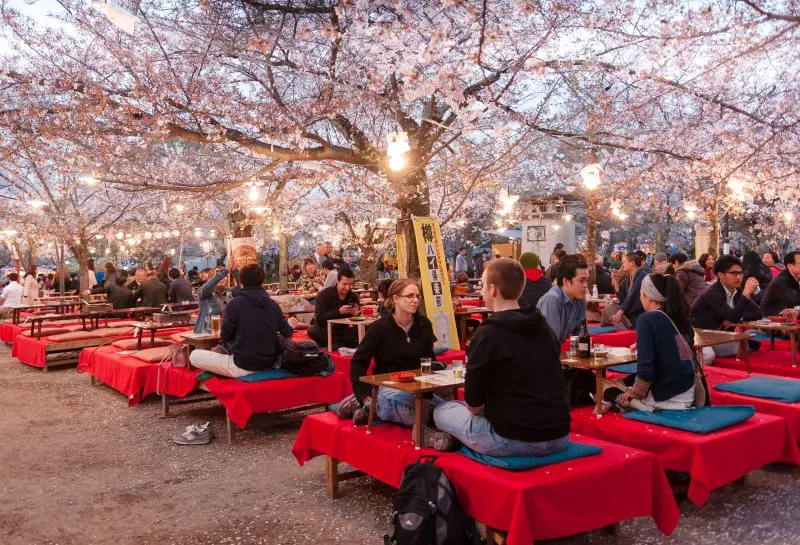
Hanami is the traditional Japanese custom of enjoying the transient beauty of flowers, specifically cherry blossoms, or sakura. People gather in parks and gardens to hold outdoor parties under the blooming trees. This centuries-old practice reflects the Japanese aesthetic of mono no aware, an appreciation for the fleeting nature of life.
On this page
When does hanami take place?
The timing of hanami depends entirely on the blooming cycle of the sakura, which typically occurs between late March and early April. Because Japan stretches across several degrees of latitude, the cherry blossom front moves from the warmer south to the cooler north. It usually begins in Okinawa in January and reaches Hokkaido by early May.
Most major cities, including Tokyo, Kyoto, and Osaka, experience peak bloom in early April. The blossoms are notoriously fickle, usually lasting only about one week before the petals begin to fall. To track the progress, the Japan Meteorological Corporation issues annual forecasts. These predictions are essential for planning, as the window for optimal viewing is brief and highly dependent on temperature fluctuations and rainfall.
Where to go for hanami
Japan offers thousands of locations for viewing, ranging from urban parks to historic temple grounds. Popular spots often feature hundreds of trees planted specifically for public enjoyment. Many locations are illuminated at night, a practice known as yozakura, which creates a magical atmosphere for evening gatherings.
Top locations often include:
- Ueno Park, Tokyo: Famous for its massive crowds and lively festival atmosphere.
- Philosopher’s Path, Kyoto: A stone walkway following a canal lined with hundreds of trees.
- Hirosaki Park, Aomori: Renowned for its castle grounds and petal-covered moats.
- Shinjuku Gyoen, Tokyo: A spacious garden that offers a quieter, more formal experience.
- Himeji Castle, Hyogo: Provides a stunning contrast between white architecture and pink blossoms.

How to prepare for a hanami party
Successful hanami requires careful planning, especially if you intend to secure a prime spot in a public park. Because popular parks become extremely crowded, groups often send a member early in the morning to stake out a space with a blue plastic tarp. You should bring comfortable seating, warm clothing, and plenty of food and drinks.
Follow these steps to organize an outing:
- Check the local cherry blossom forecast to select your date.
- Purchase a durable plastic tarp or picnic mat that fits your group size.
- Prepare a bento box with seasonal foods like hanami dango (sweet rice dumplings) and sakura mochi.
- Pack trash bags, as most public parks require visitors to carry their own waste home.
- Bring portable cushions or blankets, as the ground remains cold even in spring.
What is the cultural significance of hanami?
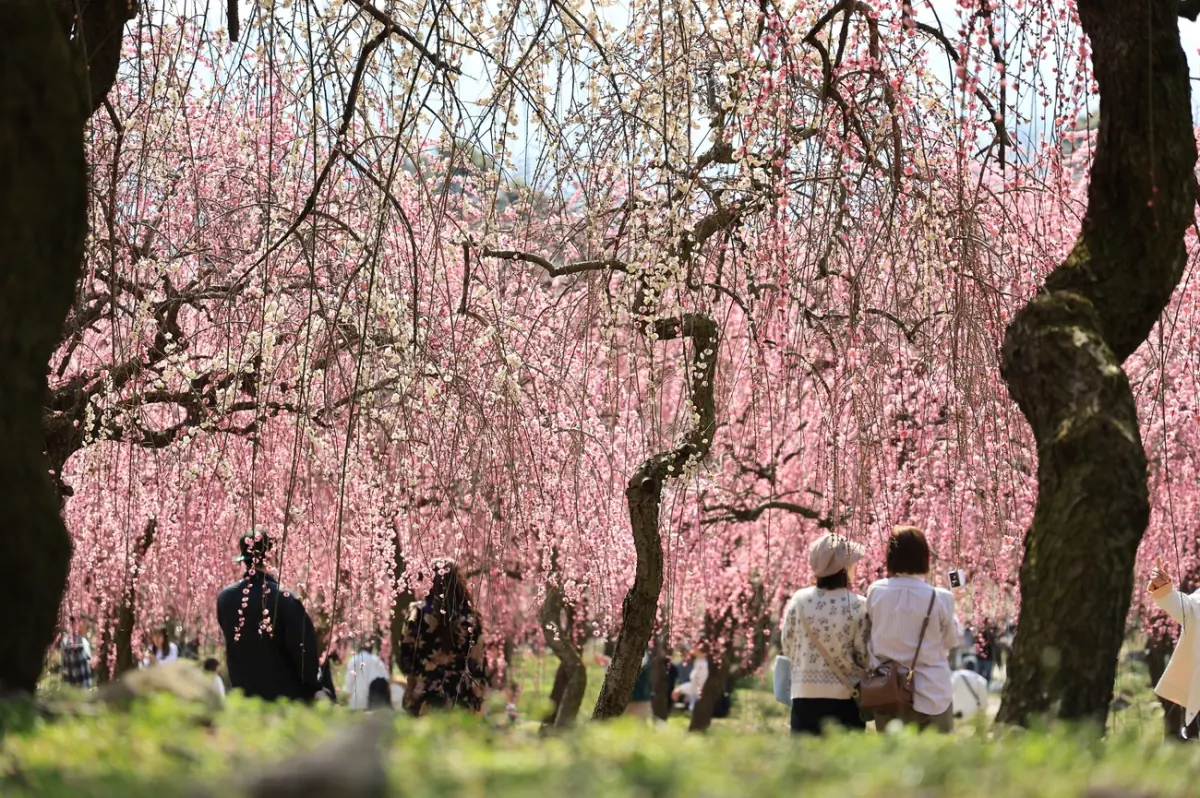
Hanami has been practiced for over a thousand years, originally starting among the elite of the Imperial Court during the Nara period. Early traditions actually focused on plum blossoms, but by the Heian period, the focus shifted to cherry blossoms. The practice eventually spread to the samurai class and commoners, becoming a national pastime.
The cultural weight of hanami is rooted in the concept of mono no aware, or the pathos of things. The short lifespan of the blossoms serves as a poignant metaphor for human life, reminding observers that beauty is precious precisely because it is temporary. This philosophical connection transforms a simple picnic into a meditative act of mindfulness and communal gratitude for the changing seasons.
Common mistakes when planning hanami
One of the most frequent errors is underestimating the weather, which can be surprisingly chilly despite the sunny appearance of the blossoms. Many visitors arrive in light spring clothing only to find themselves shivering once the sun sets. Always bring layers, including a light jacket or a warm blanket, to ensure your comfort throughout the day.
Avoid these common pitfalls to enjoy your experience:
- Failing to locate public restrooms, as queues at popular parks can be exceptionally long.
- Leaving trash behind, which is considered highly disrespectful and is strictly prohibited in many parks.
- Being too loud or disruptive, as the event is meant to be a peaceful appreciation of nature.
- Assuming you can find a spot at the last minute in major metropolitan areas during peak weekend hours.
- Forgetting to bring wet wipes or hand sanitizer, as outdoor facilities may not be fully stocked.
Key facts
- Hanami translates literally to "flower viewing," specifically referring to the tradition of admiring cherry blossoms, or sakura.
- The practice dates back over 1,000 years to the Nara period, when aristocrats initially admired plum blossoms.
- Peak bloom typically occurs between late March and early April, moving from the warmer south to the cooler north of Japan.
- The Japan Meteorological Corporation issues annual sakura zensen (cherry blossom front) forecasts to help the public track bloom timing.
- Popular viewing spots often include Ueno Park in Tokyo and Maruyama Park in Kyoto, which feature thousands of trees.
- Etiquette requires participants to take all trash home, as public bins are rare and the environment must remain pristine for others.
The bottom line
Hanami is a cherished Japanese tradition that celebrates the arrival of spring through the communal appreciation of cherry blossoms. By gathering under blooming trees for picnics and social reflection, participants honor the ephemeral nature of life. Whether you visit a bustling urban park or a quiet countryside grove, the practice offers a profound connection to nature, community, and the beauty found in temporary, seasonal transitions.
People also ask
What is the significance of cherry blossoms in Japanese culture?
Cherry blossoms symbolize the transience of life and the beauty of fleeting moments. Because the flowers bloom and fall within about a week, they serve as a poignant reminder of mortality and the importance of appreciating the present.
What items should I bring to a hanami party?
Essential items include a blue plastic tarp for seating, wet wipes, trash bags, and comfortable shoes. Many people also bring bento boxes, snacks, and beverages like green tea or sake to enjoy under the trees.
Is hanami only for daytime activities?
No, yozakura refers to "night sakura," where lanterns or spotlights illuminate the trees after dark. Many parks host evening festivals, creating a festive atmosphere that differs significantly from the calm of daytime viewing.
How do I find out when the blossoms will bloom?
Official government and private weather agencies monitor temperatures throughout winter and spring to predict bloom dates. You can check websites like the Japan Meteorological Corporation’s English-language portal for real-time maps and forecasts.
Are there any specific rules for hanami etiquette?
Always respect the trees by never touching or pulling on branches, as they are delicate and easily damaged. Additionally, keep noise levels reasonable and ensure your group leaves the shared space cleaner than you found it.
Can I hold a hanami party in any park?
Most public parks allow it, but some historic sites or private gardens prohibit picnics or alcohol. Always check local park regulations before setting up your tarp to avoid being asked to relocate by authorities.
This answer was created with the help of AI research tools and reference sources. Spotted an error? Let us know — we correct mistakes quickly. See our editorial policy.