How many countries are in the world?
Short answer
There is no single, universally agreed-upon number of countries in the world because definitions of statehood vary. Most international bodies and observers recognize 193 to 197 sovereign states. The United Nations includes 193 member states and two permanent observer states, while other organizations and historical contexts may include additional territories or disputed regions.
On this page
Why is there no single number of countries?
The primary reason for the lack of a definitive count is that "country" is a political term rather than a strictly scientific one. In international law, statehood is generally defined by the Montevideo Convention of 1933, which requires a permanent population, a defined territory, a government, and the capacity to enter into relations with other states. However, the practical application of these criteria often depends on diplomatic recognition rather than objective facts.
Because recognition is a political act, some entities may function as independent states while lacking broad international acknowledgment. For instance, a territory might have its own currency, military, and legal system but remain unrecognized by the United Nations or major powers due to complex geopolitical disputes. Consequently, depending on whether you prioritize functional independence or diplomatic recognition, the total count of the world's nations will fluctuate significantly.
How does the United Nations count countries?
The United Nations (UN) serves as the most common benchmark for determining the number of countries, yet its list is not exhaustive. Currently, the UN recognizes 193 member states. In addition to these members, the Holy See (Vatican City) and the State of Palestine are classified as permanent observer states. These entities participate in the work of the General Assembly but do not have a vote on resolutions.
When counting countries, it is helpful to understand the UN’s specific categories:
- Member States: Nations that have been admitted to the organization by the General Assembly upon the recommendation of the Security Council.
- Permanent Observer States: Entities that have the right to attend all sessions of the General Assembly and maintain permanent missions at the UN headquarters.
- Non-member territories: Regions such as the Cook Islands or Niue, which are self-governing in free association with New Zealand but are not UN member states.
Which countries are disputed or partially recognized?
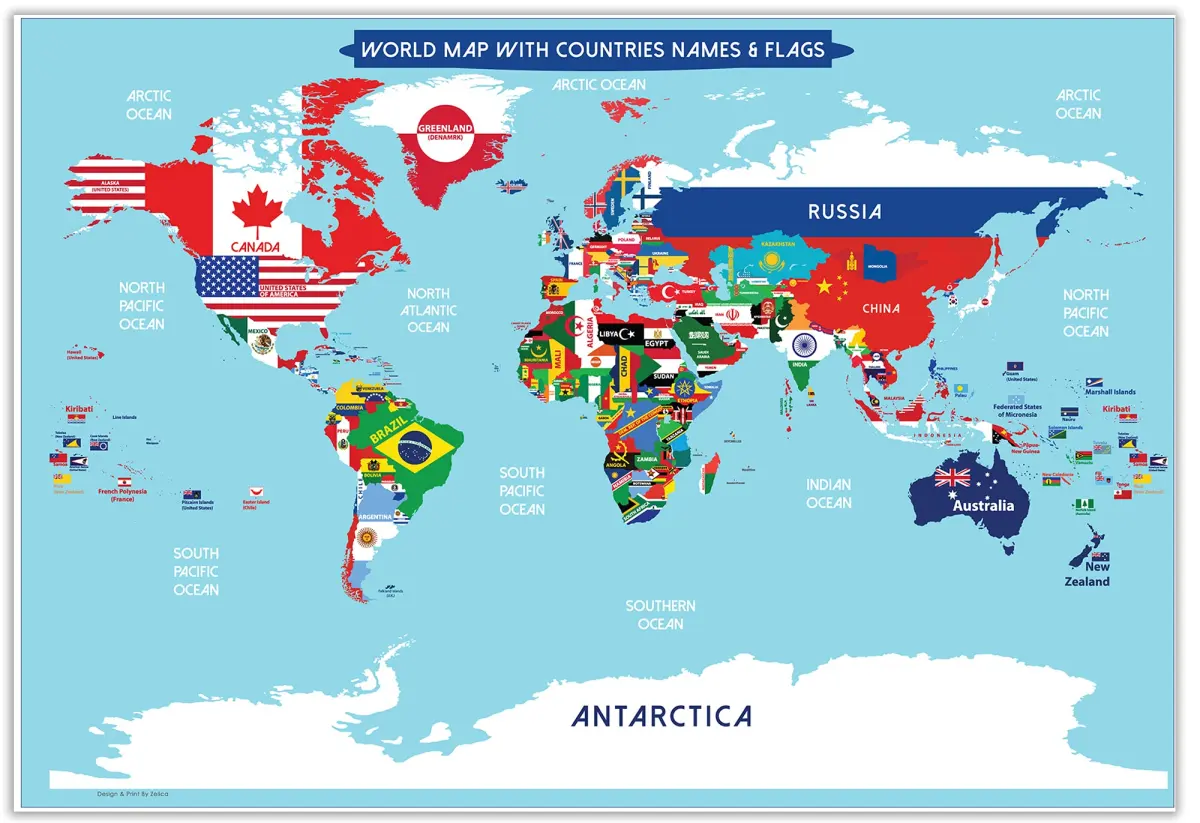
Beyond the UN list, there are several entities that claim sovereignty but receive limited international recognition. These situations often arise from civil wars, secessionist movements, or historical conflicts. For example, Taiwan operates as a fully functional democracy with its own government and military, yet its status remains complex due to the "One China" policy maintained by the People's Republic of China.
Other examples of states with limited recognition include:
- Kosovo: Recognized by over 100 UN member states but contested by others, including Serbia, Russia, and China.
- Western Sahara: Claimed by the Sahrawi Arab Democratic Republic, though it is largely controlled by Morocco.
- Abkhazia and South Ossetia: Regions that declared independence from Georgia but are recognized by only a handful of nations.
- Northern Cyprus: Recognized solely by Turkey, while the rest of the international community considers it part of the Republic of Cyprus.
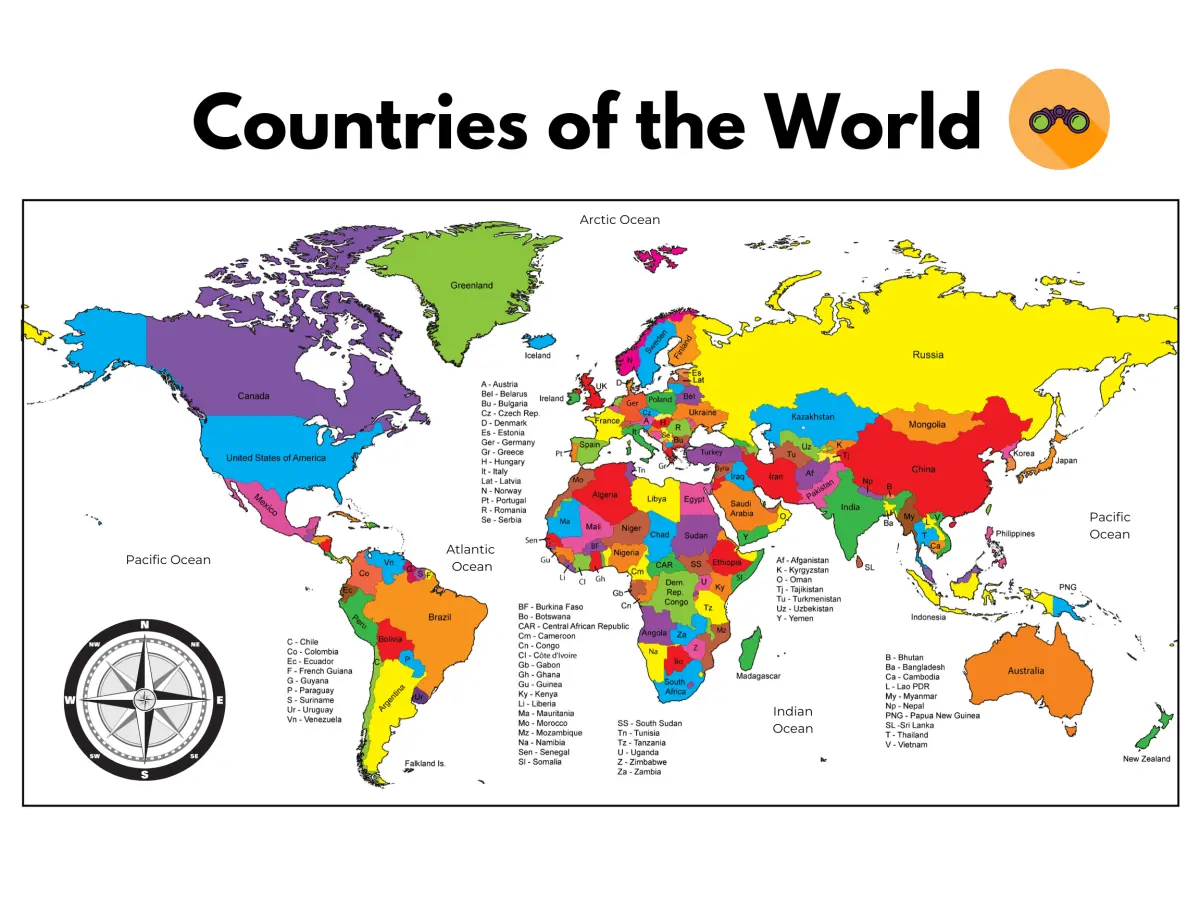
How to identify a sovereign state correctly
If you are trying to determine if a territory qualifies as a country, you should look for specific indicators of sovereignty. A sovereign state typically maintains control over its borders, issues its own passports, and operates an independent judicial system. While these are strong indicators, they do not guarantee that the territory is recognized as a country by the broader international community.
To evaluate a territory’s status, follow these steps:
- Check if the entity is a member of the United Nations or a specialized agency like the World Health Organization.
- Determine if the entity is recognized by the majority of the world's major powers.
- Investigate if the territory has established formal diplomatic relations and exchange of ambassadors with other clearly defined sovereign states.
- Verify if the entity issues its own internationally accepted currency and maintains a distinct national defense force.
Common mistakes when counting countries
A frequent error is confusing a "country" with a "nation" or a "territory." A nation often refers to a group of people who share a common culture, language, or history, even if they do not possess their own sovereign state. For example, the Kurds are a nation of people spread across several countries, but they do not have a single, internationally recognized state of "Kurdistan."
Another common mistake is including dependent territories in a list of countries. Places like Puerto Rico, Greenland, or French Guiana are often confused for sovereign states because they have distinct cultures and local governments. However, these regions are legally part of or dependent on another sovereign nation, such as the United States, Denmark, or France. When researching, always verify the distinction between a sovereign state and a dependent territory to avoid inaccuracies in your data. By focusing on formal diplomatic recognition and UN status, you can navigate these complexities and reach a clear understanding of global geography.
Key facts
- The United Nations recognizes 193 member states, which is the most widely accepted standard for counting countries.
- The Holy See (Vatican City) and the State of Palestine are classified as non-member observer states by the United Nations.
- The Olympic Games include 206 National Olympic Committees, as they allow certain dependent territories to compete independently.
- FIFA, the international governing body for soccer, currently recognizes 211 member associations, including regions like Scotland and Puerto Rico.
- Sovereignty is the primary requirement for statehood, defined by the ability of a government to exercise power over its territory and population.
- When researching country counts, always verify if the source includes dependent territories, disputed regions, or only fully recognized sovereign states.
The bottom line
There is no single, universally agreed-upon number of countries because the definition depends on political recognition and legal criteria. While the United Nations count of 193 is the standard for international diplomacy, other organizations use higher numbers to include territories and self-governing regions. For most practical purposes, focusing on the 193 UN member states provides the most accurate and consistent framework for understanding global sovereignty.
People also ask
Why do some lists include more than 193 countries?
Many lists include the Holy See and Palestine, or they incorporate territories like Taiwan, Kosovo, and the Cook Islands, which exercise self-governance but lack universal international recognition.
Is Taiwan considered a country?
Taiwan operates as a sovereign state with its own government, currency, and military, but it maintains limited formal diplomatic recognition due to complex geopolitical relations with the People's Republic of China.
What is the difference between a country and a nation?
A country refers to a sovereign geographic territory with a government, while a nation describes a group of people who share a common culture, language, or history, regardless of whether they have their own state.
Does the United Kingdom count as one country or four?
The United Kingdom is a single sovereign state, but it is composed of four distinct countries: England, Scotland, Wales, and Northern Ireland, which maintain internal autonomy in various administrative matters.
Are dependent territories like Puerto Rico considered countries?
No, dependent territories are typically under the jurisdiction of another sovereign state, meaning they do not possess full independence or the ability to conduct their own foreign policy.
How many countries are there according to the ISO 3166 standard?
The ISO 3166-1 standard lists 249 country codes, but this includes dependent territories and uninhabited islands rather than just sovereign states, making it a technical tool rather than a political count.
This answer was created with the help of AI research tools and reference sources. Spotted an error? Let us know — we correct mistakes quickly. See our editorial policy.