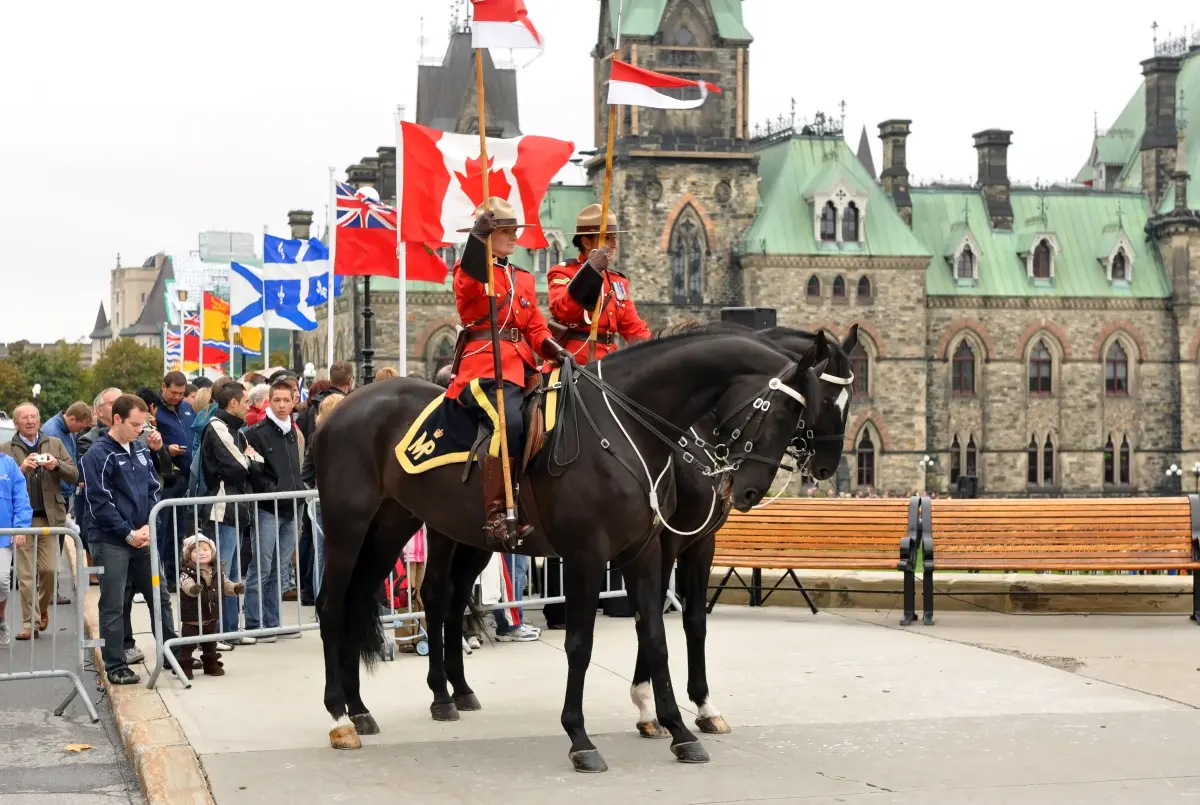
What is the national flower of Canada?
Short answer
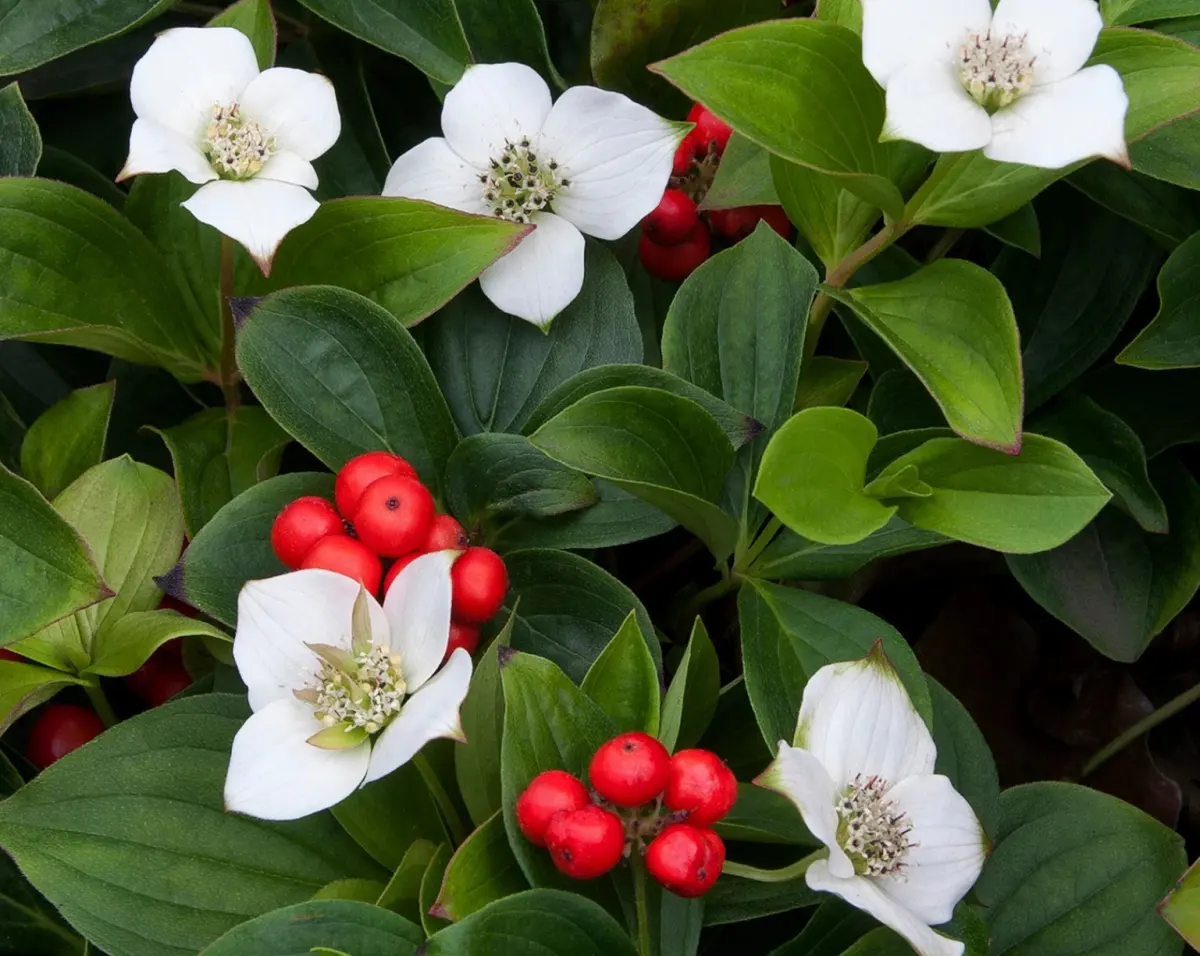
Canada does not have an official national flower designated by the federal government. While the maple leaf is the country’s official arboreal emblem, the bunchberry (Cornus canadensis) was unofficially chosen as the national flower through a 2017 contest hosted by Master Gardeners of Ontario and the Canadian Broadcasting Corporation.
On this page
Why does Canada not have an official flower?
Unlike many other nations that have long-standing botanical symbols enshrined in law, Canada has never formally adopted a national flower through an act of Parliament. The Canadian government has historically focused its symbolic identity on the maple leaf, which serves as the primary national emblem. This preference for the maple tree is deeply rooted in the country’s history, as the leaf has appeared on Canadian currency, military badges, and the national flag since 1965.
Because there is no official legislative process to select a floral emblem, the topic remains a subject of public debate rather than government policy. While provinces and territories have all adopted their own official flowers, the federal level remains silent on the matter. This absence of a national flower allows for regional pride to take precedence, as citizens often identify more closely with the specific flora of their local province than with a singular national species.
How was the bunchberry chosen as the national flower?
In 2017, as part of Canada’s 150th anniversary celebrations, the Canadian Broadcasting Corporation launched a nationwide initiative to fill this symbolic gap. They invited the public to vote for a national flower from a shortlist of five iconic Canadian plants. The bunchberry, a low-growing woody perennial, emerged as the clear winner after receiving more than one-third of the total votes cast by Canadians across the country.
The selection process was designed to be democratic and inclusive, highlighting the diversity of the Canadian landscape. The bunchberry was chosen for several specific reasons:
- It is native to every single province and territory in Canada.
- It is highly resilient and thrives in a variety of harsh climates.
- Its appearance changes with the seasons, representing the cycle of the Canadian year.
- It is a non-invasive species that supports local ecosystems and wildlife.
Where can you find the bunchberry in the wild?
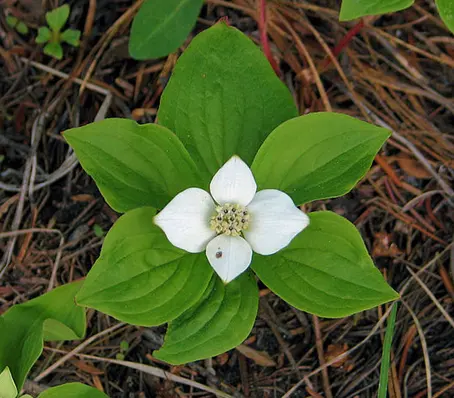
The bunchberry is a member of the dogwood family and is widely distributed across the northern hemisphere. In Canada, it is most commonly found in cool, moist forests, especially in areas with acidic soil. It typically grows in the shade of coniferous trees, where it forms dense, carpet-like mats on the forest floor. Hikers and nature enthusiasts are most likely to spot it during the summer months when it produces its distinctive white bracts.
If you are looking to identify the bunchberry in its natural habitat, look for these key physical characteristics:
- Four to six leaves arranged in a whorl at the top of the stem.
- A cluster of tiny, greenish-yellow flowers surrounded by four white petal-like bracts.
- Bright red, edible berries that appear in late summer and autumn.
- A height that rarely exceeds 20 centimeters, making it a ground-hugging plant.
How to grow bunchberry in your garden
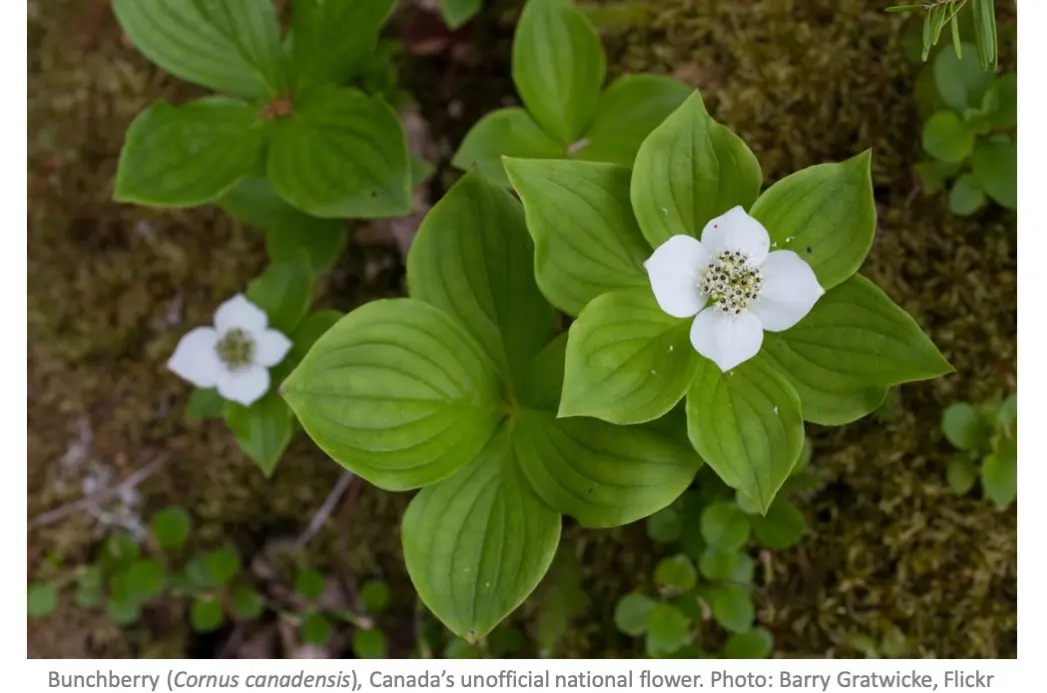
Growing the bunchberry in a domestic garden can be challenging because it requires specific environmental conditions to mimic its native forest habitat. It is not a typical garden flower that thrives in sunny, open beds. Instead, it requires a cool, shaded location with consistent moisture and rich, organic soil. Gardeners should aim to replicate the conditions of a woodland floor to ensure the plant does not wither during the heat of the summer.
To successfully cultivate this plant, follow these steps:
- Select a site that receives deep shade for most of the day.
- Amend your soil with peat moss or pine needles to increase acidity.
- Keep the soil consistently moist but ensure it has excellent drainage.
- Avoid using chemical fertilizers, as the plant prefers the natural decay of organic matter.
- Provide a thick layer of mulch to keep the roots cool during warmer months.
Common mistakes when identifying Canadian flowers
A frequent error is confusing the bunchberry with other forest-dwelling plants that share similar white flowers or red berries. Because many woodland species evolve to look alike to attract pollinators, amateur botanists often misidentify the bunchberry. Another common mistake is assuming that a provincial flower, such as the Ontario trillium or the British Columbia Pacific dogwood, is the national flower. While these plants hold significant regional importance, they do not represent the entire nation.
When attempting to identify native plants, avoid these common pitfalls:
- Relying solely on flower color, as many different species share white petals.
- Failing to observe the leaf structure, which is the most reliable way to distinguish between species.
- Assuming that a plant found in one province is exclusive to that region.
- Ignoring the habitat type, as the bunchberry is almost exclusively found in forest settings rather than open fields or meadows.
- Misidentifying the red berries, which can sometimes resemble toxic species found in similar environments, so always verify with a local field guide before touching or consuming any wild plant.
Key facts
- Canada does not have an official national flower designated by federal law.
- The bunchberry (Cornus canadensis) is widely considered the unofficial national flower following a 2017 public contest.
- The maple leaf is the official national symbol of Canada, appearing on the national flag and currency.
- Provincial and territorial flowers are officially recognized by each individual jurisdiction across the country.
- The bunchberry is a low-growing, herbaceous perennial that thrives in forests throughout all thirteen provinces and territories.
- When planting native species, ensure you source specimens from reputable nurseries to avoid introducing invasive cultivars into local ecosystems.
The bottom line
While Canada lacks an official national flower, the bunchberry serves as a popular unofficial choice due to its presence in every province and territory. The maple leaf remains the country's definitive national symbol, representing its unique identity and natural heritage. When exploring Canadian flora, it is important to distinguish between official provincial emblems and the diverse native plant species that define the country's vast landscape.
People also ask
Why does Canada not have an official national flower?
The Canadian government has never formally legislated a national flower, preferring to emphasize the maple leaf as the primary national symbol. While various public campaigns have attempted to select a floral emblem, none have achieved official status.
What is the official flower of Ontario?
The white trillium (Trillium grandiflorum) is the official floral emblem of Ontario. It was adopted in 1937 and is protected under provincial law, making it illegal to pick or destroy the plants in the wild.
Is the maple tree considered a flower?
The maple tree produces small, inconspicuous flowers in the spring before its leaves emerge. However, the maple is recognized for its iconic leaf shape rather than its floral characteristics.
Can I plant bunchberry in my garden?
Bunchberry is a beautiful groundcover that prefers cool, acidic, and moist soil with partial shade. It can be difficult to establish in home gardens because it requires specific mycorrhizal fungi to thrive.
What is the most common mistake when choosing a Canadian floral emblem?
Many people mistakenly identify the maple leaf as a flower. While it is the preeminent symbol of Canada, it is a botanical leaf, not a blossom.
Do other countries have official flowers?
Yes, many nations have designated official flowers, such as the rose for the United States and the tulip for the Netherlands. These symbols often reflect the cultural or historical identity of the country.
This answer was created with the help of AI research tools and reference sources. Spotted an error? Let us know — we correct mistakes quickly. See our editorial policy.