Where are the best murals in Vancouver?
Short answer
Vancouver’s most vibrant mural scenes are concentrated in the Mount Pleasant and Downtown Eastside neighborhoods, particularly along Main Street and the alleyways of Gastown. The annual Vancouver Mural Festival has transformed these areas into open-air galleries, featuring hundreds of large-scale works by local and international artists that define the city’s urban aesthetic.
On this page
Where to find the best murals in Vancouver
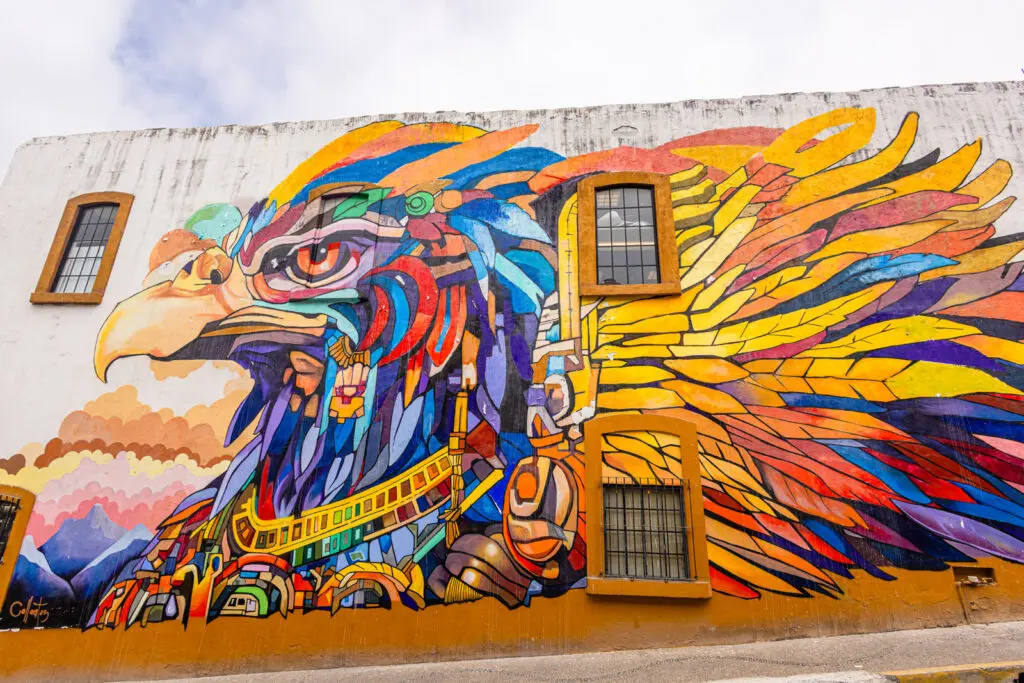
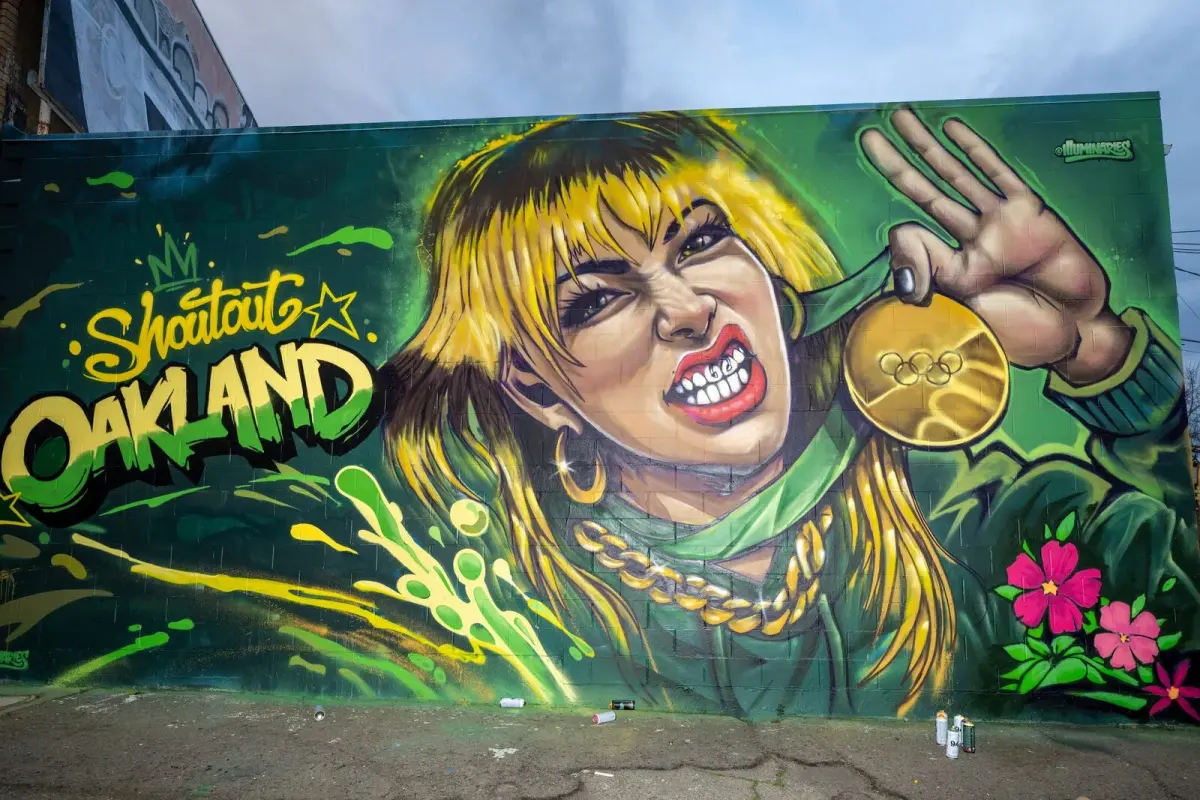
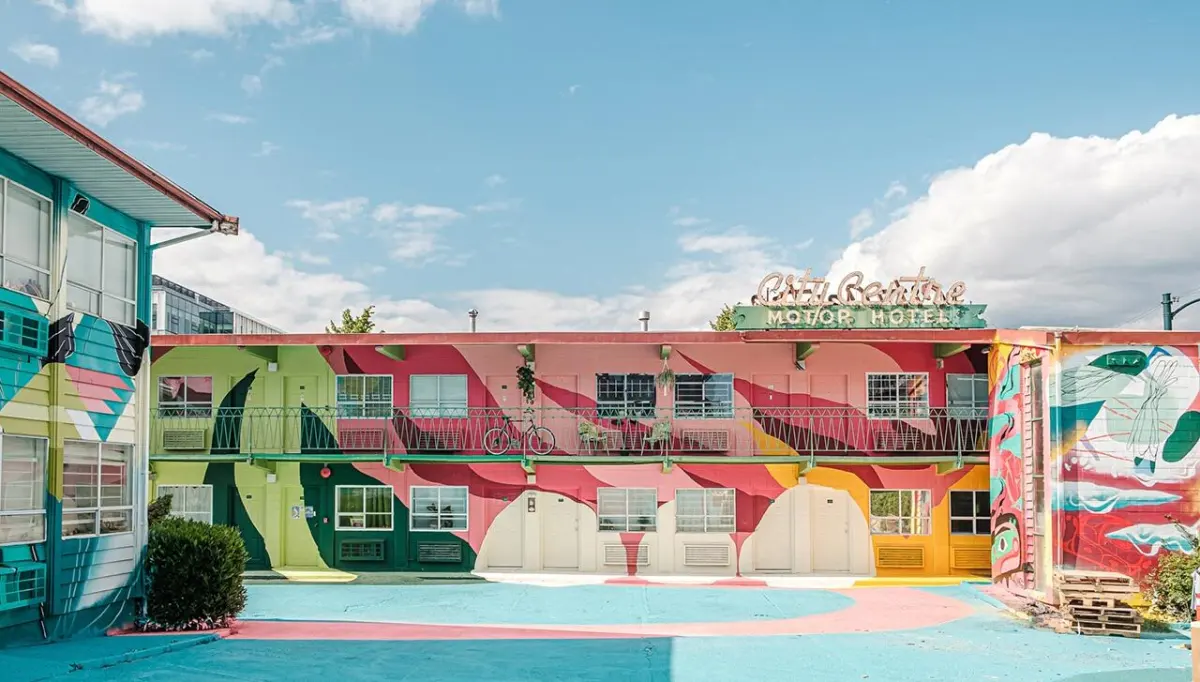
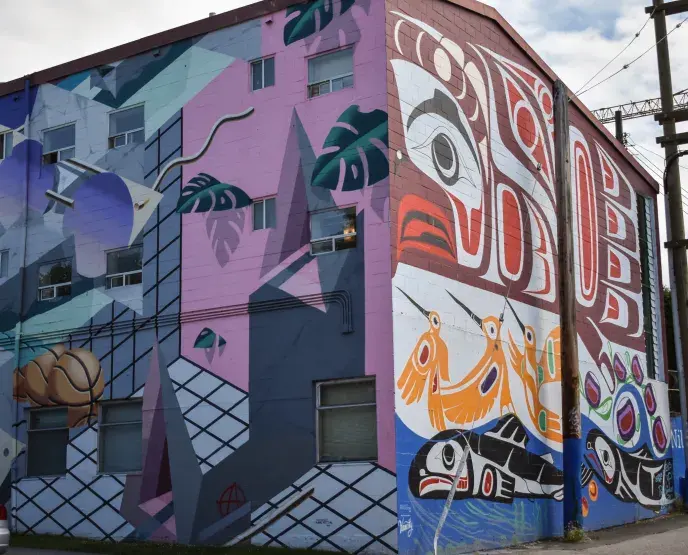
The highest density of public art in Vancouver is found in the Mount Pleasant neighborhood, which serves as the epicenter for the Vancouver Mural Festival. Visitors should start their tour near Main Street and 7th Avenue, where dozens of massive, colorful works adorn the sides of industrial buildings and heritage storefronts. These murals often reflect the neighborhood's history, environmental themes, and the diverse cultural identity of the city.
Another essential destination is the Downtown Eastside and the historic Gastown district. Here, the art tends to be more gritty and politically charged, reflecting the social complexities of the area. Alleyways such as those near the Sun Wah Centre are frequently updated with new pieces. By exploring these two distinct hubs, you can experience the full spectrum of Vancouver’s street art, ranging from polished, large-scale commissions to raw, expressive graffiti-style murals that define the city's creative pulse.
How to plan a mural walking tour
Planning a successful walking tour requires a bit of strategy to cover the most ground without fatigue. The Mount Pleasant route is relatively flat and highly walkable, making it ideal for a two-hour afternoon excursion. It is best to begin your journey at the intersection of Main Street and 12th Avenue, heading north toward the industrial zones where the largest walls are located.
- Download the official Vancouver Mural Festival app to access an interactive map of current installations.
- Wear comfortable walking shoes, as you will likely cover three to four kilometers.
- Bring a portable charger, as your phone battery will drain quickly while navigating and taking photos.
- Schedule your visit during daylight hours to ensure the best visibility for photography and safety.
- Check the festival website for any temporary road closures or ongoing painting events that might restrict access to certain alleys.
Best times to visit for mural photography
For the best lighting conditions, aim to visit during the "golden hour," which occurs shortly after sunrise or just before sunset. The soft, warm light reduces harsh shadows on the building facades, allowing the vibrant colors of the murals to pop against the often-gray Vancouver sky. If you prefer avoiding crowds, weekday mornings are significantly quieter than weekends, particularly in the popular Mount Pleasant district.
If you are a serious photographer, consider visiting during the late summer months. This is when the annual Vancouver Mural Festival takes place, and you might catch artists in the act of creating new works. Watching the process offers a deeper appreciation for the technical skill involved in scaling a small sketch to a multi-story building. Just be mindful of the artists' space and avoid blocking their equipment or sightlines while they work on their latest public commissions.
Common mistakes when viewing street art
A frequent mistake visitors make is focusing exclusively on the most famous murals while ignoring the smaller, hidden gems tucked away in side alleys. Many of the most interesting pieces are found off the main thoroughfares, where artists have more freedom to experiment with unconventional styles. Do not be afraid to wander away from the primary map markers, as these smaller works often provide a more intimate look at the city’s underground art scene.
Another error is failing to respect the surrounding community and private property. While murals are public art, many are located on private businesses or near residential areas. Always remain on public sidewalks and avoid trespassing into private loading docks or gated areas to get a better angle. Being a respectful observer ensures that business owners and residents remain supportive of the mural program, which is vital for the continued growth of the city’s public art initiatives.
How to support the local mural scene
Supporting the mural scene goes beyond simply viewing the art; it involves engaging with the organizations that make these projects possible. The Vancouver Mural Festival is a non-profit organization that relies on community support to commission new works and maintain existing ones. You can contribute by attending their public events, purchasing merchandise from their website, or participating in their guided walking tours, which provide historical context you cannot get on your own.
- Join a guided tour to learn about the specific artists and the cultural significance of the pieces.
- Share your photos on social media using official hashtags to help promote local artists.
- Consider donating to local arts councils that provide grants for public mural projects.
- Support the businesses that host murals, as they often pay for the upkeep of the art on their walls.
- Follow individual artists on digital platforms to stay updated on their latest projects and gallery exhibitions throughout the year.
Key facts
- The Vancouver Mural Festival (VMF) has produced over 400 murals across the city since its inception in 2016.
- Mount Pleasant serves as the primary hub, featuring the highest density of large-scale, professional-grade murals in the city.
- The Strathcona neighborhood offers a blend of historic industrial architecture and vibrant, contemporary street art.
- Most murals are located on exterior building walls and are best viewed by walking or cycling through the designated VMF map zones.
- Avoid visiting during heavy rain, as the city’s frequent downpours can make navigating narrow sidewalks and viewing art difficult.
- Check the official Vancouver Mural Festival website for an interactive map before starting your tour to ensure you see the newest installations.
The bottom line
Vancouver’s mural scene is a dynamic, ever-evolving outdoor gallery that reflects the city's creative spirit. By focusing your visit on the Mount Pleasant and Strathcona neighborhoods, you can experience the highest concentration of high-quality public art. Use the official festival map to plan your route, prioritize walking for the best views, and always respect private property while exploring these vibrant, colorful urban corridors throughout the year.
People also ask
Is there a cost to see the murals in Vancouver?
No, all public murals in Vancouver are free to view as they are located on exterior walls in public spaces. You can explore these areas at your own pace without any tickets or entry fees.
What is the best time of day to photograph the murals?
Early morning or late afternoon provides the best lighting for photography, as it avoids harsh shadows on building facades. Midday sun can create high contrast that may wash out the colors in your photos.
Can I take a guided tour of the murals?
Yes, the Vancouver Mural Festival often hosts guided walking tours during their annual festival in August. Private tour companies also offer seasonal walking or cycling tours throughout the year.
Are the murals permanent?
Most murals are intended to be permanent, but some are temporary installations that may be painted over after a few years. It is common for walls to be refreshed with new designs during the annual festival.
Which neighborhood has the most street art?
Mount Pleasant is widely considered the epicenter of Vancouver's mural scene. The area between Main Street and Ontario Street contains the largest concentration of works from local and international artists.
Is it safe to walk through these neighborhoods alone?
Yes, the primary mural districts are popular, well-trafficked areas during daylight hours. As with any urban environment, remain aware of your surroundings and stick to well-lit, busy streets.
This answer was created with the help of AI research tools and reference sources. Spotted an error? Let us know — we correct mistakes quickly. See our editorial policy.