What is Vancouver's Chinatown famous for?
Short answer
Vancouver’s Chinatown is famous as one of North America’s oldest and largest Chinese enclaves, renowned for its rich architectural heritage, vibrant cultural festivals, and authentic culinary scene. It serves as a living monument to the contributions of Chinese immigrants who shaped the city’s history, economy, and unique multicultural identity since 1886.
On this page
Why is Vancouver’s Chinatown historically significant?
Vancouver’s Chinatown, established in the late 19th century, represents a profound history of resilience and cultural preservation. It began as a small settlement for laborers working on the Canadian Pacific Railway and gold mines. Despite facing systemic racism and discriminatory legislation, such as the Chinese Exclusion Act of 1923, the community thrived by creating its own social support networks and businesses. Today, it remains a designated National Historic Site of Canada.
The district is famous for its unique "architectural style," which blends Western-style commercial buildings with traditional Chinese design elements. Many structures feature recessed balconies and ornate cornices that reflect the era of early 20th-century construction. Walking through the area offers a glimpse into the past, as many original storefronts and clan association buildings remain standing. These structures are not merely relics; they are active spaces that continue to house community organizations and traditional businesses that have served families for generations.
What are the best things to do in Chinatown?
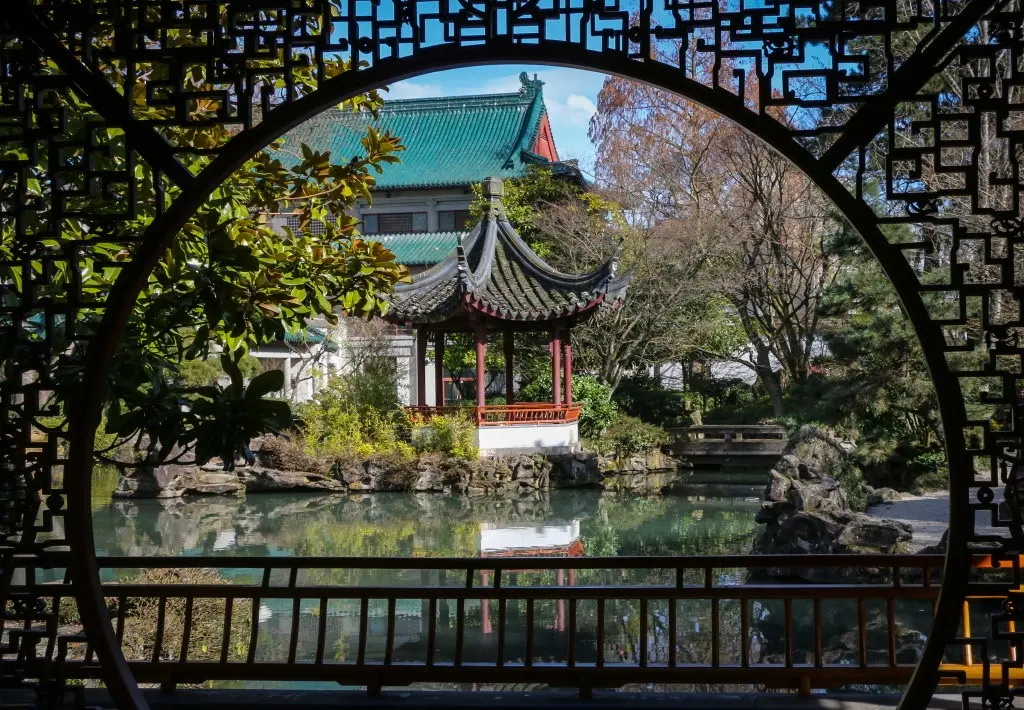
Visitors often prioritize a mix of cultural exploration and sensory experiences. The Dr. Sun Yat-Sen Classical Chinese Garden is a primary attraction, serving as the first of its kind built outside of China. It offers a tranquil escape from the urban bustle, featuring meticulously arranged rocks, plants, and water features that follow traditional Ming Dynasty design principles.
Beyond the garden, the neighborhood is a hub for food enthusiasts and history buffs. To get the most out of a visit, consider these activities:
- Walk along Pender Street to view the historic Wing Sang Building, the oldest standing structure in the area.
- Visit the Chinese Canadian Museum to learn about the diverse experiences and struggles of the Chinese diaspora in Canada.
- Explore the local markets to find rare medicinal herbs, loose-leaf teas, and traditional ingredients.
- Participate in the annual Lunar New Year parade, which features elaborate lion dances and community festivities.
Where to find the best food in Chinatown?
The culinary landscape of Chinatown is a blend of traditional Cantonese staples and modern fusion concepts. For those seeking authenticity, the neighborhood is famous for its dim sum parlors, barbecue meat shops, and artisanal bakeries. Many of these establishments have been family-run for decades, maintaining recipes passed down through generations.
When dining in the area, keep these tips in mind:
- Arrive early for dim sum, as popular restaurants often have long wait times on weekends.
- Look for shops displaying roasted ducks and pork in the windows for the most traditional barbecue experience.
- Try the pineapple buns or egg tarts from local bakeries, which are considered local favorites.
- Check for "cash only" signs, as some smaller, older establishments may not accept credit or debit cards.
Common mistakes when visiting Chinatown
One common error is underestimating the size and diversity of the neighborhood. Many visitors stick strictly to the main tourist thoroughfares and miss the hidden gems tucked away in side streets or inside the multi-level mall complexes. These indoor malls, such as the Chinatown Plaza, often house unique vendors and cultural shops that are not immediately visible from the street.
Another mistake is failing to respect the residential nature of the area. While it is a major tourist destination, Chinatown is also home to a significant population of seniors and long-term residents. Avoid taking intrusive photographs of private residences or community gatherings without permission. Additionally, be mindful that the neighborhood borders the Downtown Eastside, an area experiencing significant social challenges. While Chinatown itself is generally safe during daylight hours, visitors should remain aware of their surroundings and stick to well-traveled, populated streets.
How to get the most out of a walking tour?
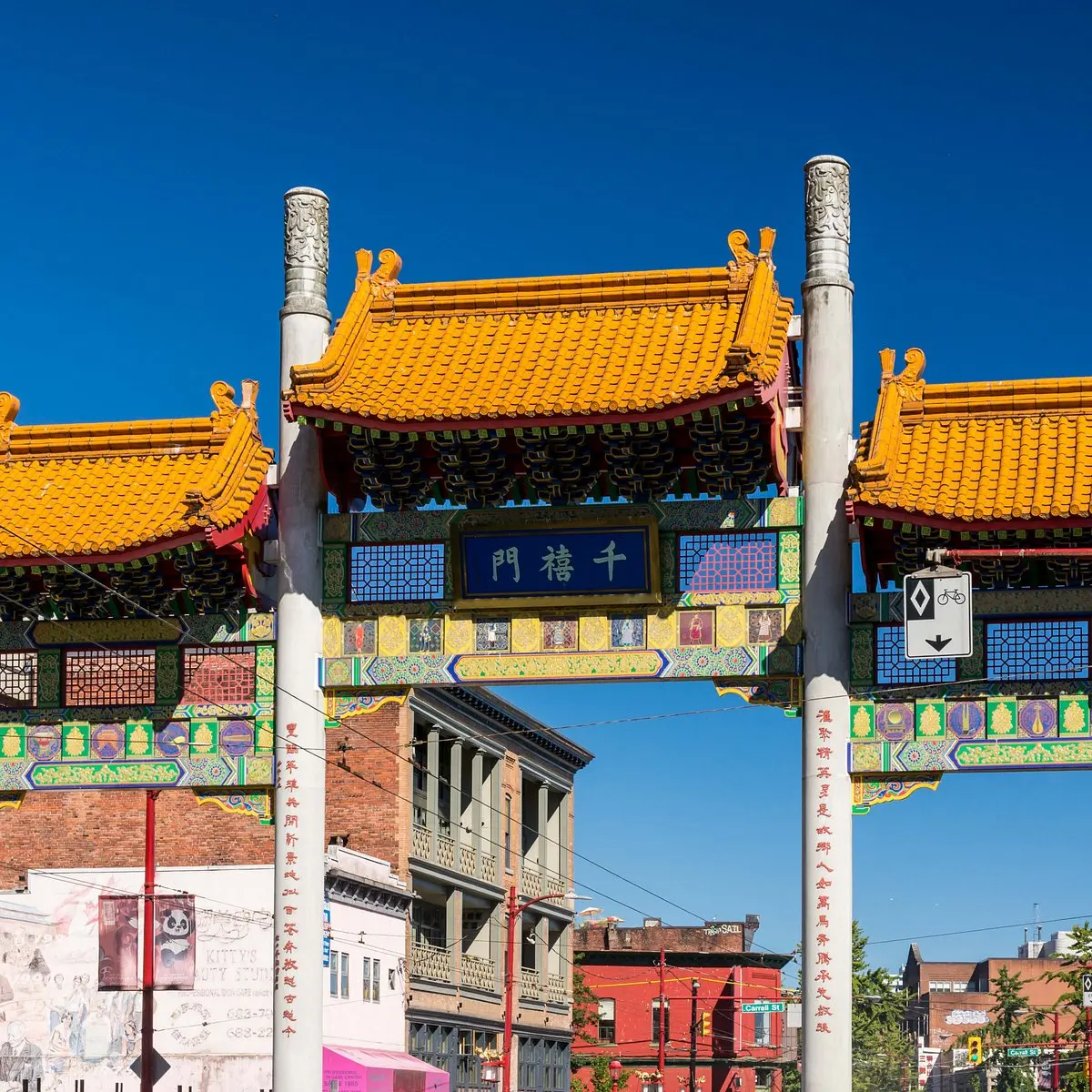
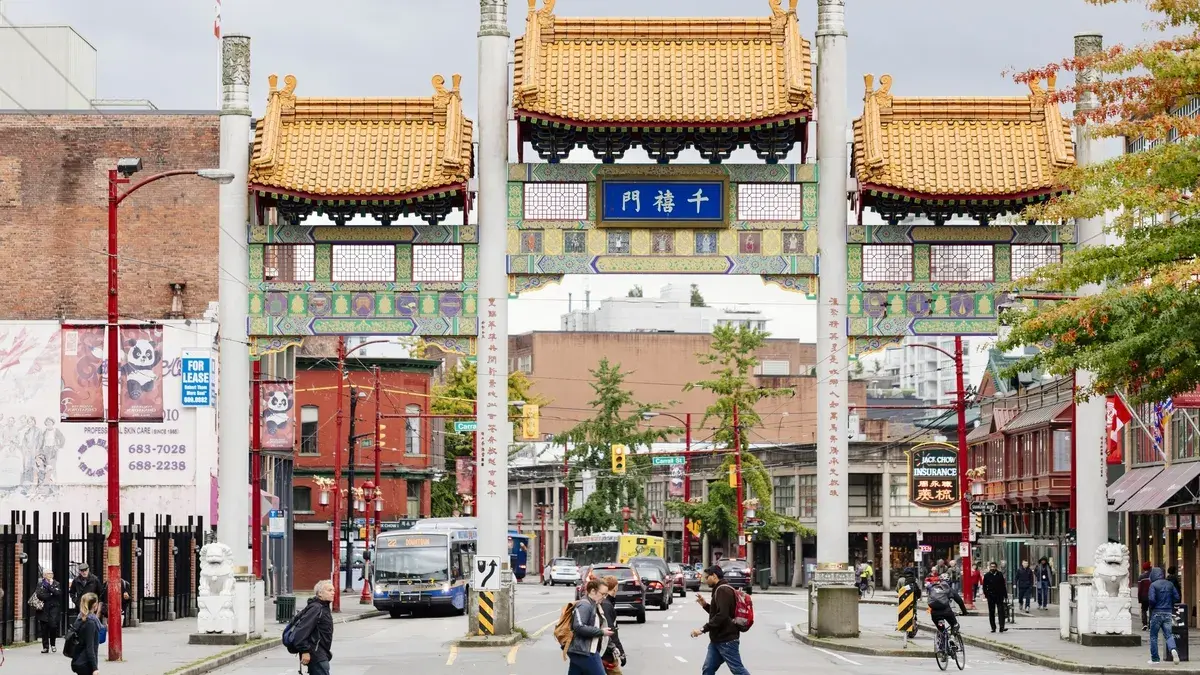
A self-guided walking tour is the most effective way to appreciate the district's history at your own pace. Start at the Millennium Gate on Pender Street, which serves as the formal entrance to the district. From there, head east to observe the transition from modern city architecture to the historic character of the neighborhood. Using a map or a digital guide will help you identify the specific clan association buildings, which are marked by unique signage and historical plaques.
To ensure a high-quality experience, try to visit during the mid-morning when the markets are most active and the streets are vibrant. Avoid visiting on days when many shops are closed, typically Mondays or Tuesdays, as the atmosphere is significantly quieter. If you are interested in deep historical context, look for guided walking tours led by local historians or community members. They provide insights into the social history and political struggles that are not always evident to the casual observer, ensuring you leave with a deeper understanding of why this neighborhood remains a vital part of Vancouver.
Key facts
- Vancouver’s Chinatown is the largest in Canada and one of the oldest in North America, established in the late 1880s.
- The Dr. Sun Yat-Sen Classical Chinese Garden is the first of its kind built outside of China, featuring authentic Ming Dynasty-style architecture.
- Pender Street serves as the historic heart of the district, home to the Sam Kee Building, which is recognized by Guinness World Records as the narrowest commercial building in the world.
- Visit the Chinatown Storytelling Centre to gain a deeper understanding of the struggles and contributions of early Chinese immigrants who helped build the Canadian Pacific Railway.
- Plan your visit for daytime hours, as many traditional shops and markets close by late afternoon; weekends are the busiest times for street food and cultural events.
- Avoid assuming all businesses accept credit cards; carry cash to ensure you can purchase authentic goods from smaller, family-run herbal shops and bakeries.
The bottom line
Vancouver’s Chinatown is a vital cultural landmark that offers a profound look into the history of the Chinese-Canadian experience. From its record-breaking architecture and serene classical gardens to its bustling markets and historic storytelling centers, the district provides a rich, immersive environment. By visiting during the day and engaging with local businesses, you can experience a resilient community that remains central to Vancouver's diverse identity.
People also ask
What is the best way to travel to Chinatown?
The district is easily accessible via public transit, including the SkyTrain to Stadium-Chinatown station. Walking from downtown or Gastown takes about 10-15 minutes, making it a convenient stop for most visitors.
Are there guided tours available in the area?
Yes, several walking tour companies offer cultural and food-focused excursions that explain the neighborhood's complex history. These tours often provide access to hidden courtyards and historical sites that are difficult to find independently.
What are the most popular traditional foods to try?
Visitors should sample authentic dim sum, BBQ pork buns, and traditional egg tarts from long-standing local bakeries. Many visitors also enjoy exploring the diverse selection of loose-leaf teas and medicinal herbs found in traditional apothecary shops.
Is Chinatown safe for tourists to explore?
Like many urban centers, the area faces challenges related to homelessness and poverty, particularly near the edges of the district. Stick to the main thoroughfares during daylight hours and remain aware of your surroundings to ensure a pleasant visit.
When is the best time of year to visit?
The neighborhood is particularly vibrant during the Lunar New Year celebrations in January or February, which feature parades and lion dances. Summer months are also excellent for enjoying the outdoor markets and the lush greenery of the classical garden.
Can I buy authentic souvenirs here?
Chinatown is an excellent place to find unique items like hand-painted ceramics, traditional calligraphy supplies, and high-quality silk garments. Look for locally owned shops along Pender and Keefer streets to support the preservation of the neighborhood's cultural heritage.
This answer was created with the help of AI research tools and reference sources. Spotted an error? Let us know — we correct mistakes quickly. See our editorial policy.