What is West Vancouver known for?
Short answer
West Vancouver is a scenic, affluent municipality located across the Burrard Inlet from downtown Vancouver. It is globally recognized for its dramatic mountainous topography, the iconic Lions Gate Bridge, and the historic Capilano Suspension Bridge. The area serves as a gateway to the North Shore Mountains and world-class outdoor recreational activities.
On this page
What is West Vancouver famous for?
West Vancouver is defined by its rugged coastal landscape and its integration into the North Shore Mountains. It is most famous for being the home of the Lions Gate Bridge, a suspension bridge completed in 1938 that connects the municipality to Stanley Park and downtown Vancouver. This landmark is a symbol of the region and offers one of the most scenic commutes in North America.
The community is also renowned for its high concentration of luxury real estate, which often features expansive views of the Pacific Ocean and the city skyline. Unlike the dense urban core of Vancouver, this area emphasizes a suburban, nature-focused lifestyle. It serves as a primary access point for Cypress Provincial Park, a major destination for winter sports and summer hiking.
How to explore the best outdoor activities
The geography of West Vancouver makes it a premier destination for those who enjoy active lifestyles. Whether you are interested in coastal walks or challenging mountain ascents, the municipality provides accessible trails for all skill levels. The proximity to the ocean and the mountains allows residents and visitors to experience both environments within a single day.
- Lighthouse Park: Explore the old-growth Douglas fir forest and the historic 1914 lighthouse.
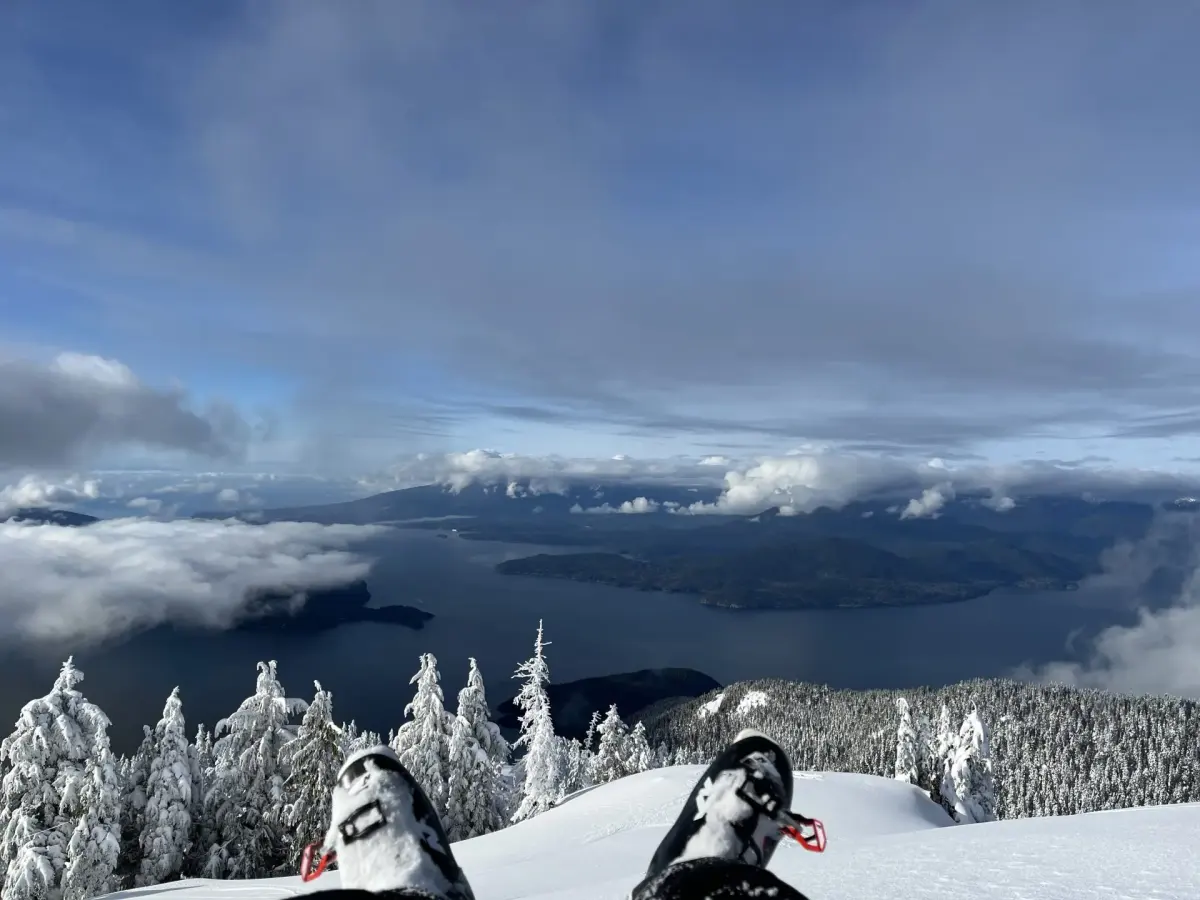
- Cypress Mountain: Visit in winter for downhill skiing or in summer for panoramic mountain hikes.
- Ambleside Park: Enjoy the sandy beach, tennis courts, and walking paths along the Burrard Inlet.
- Whytecliff Park: Experience one of the first marine protected areas in Canada, ideal for scuba diving.
When planning your trip, prioritize visiting during the shoulder seasons of spring or early autumn. These times offer the most stable weather conditions for hiking, as the summer months can be crowded and winter brings significant snowfall to higher elevations.
Why is West Vancouver a popular residential area?
The municipality is widely considered one of the most desirable places to live in Canada due to its unique combination of privacy, natural beauty, and proximity to urban amenities. It maintains a distinct identity separate from the City of Vancouver, characterized by large, terraced lots that maximize views of the water. The area is also home to excellent public schools and a quiet, family-oriented atmosphere.
Beyond the residential appeal, the area features a strong cultural presence. The West Vancouver Community Centre and the nearby Kay Meek Arts Centre provide residents with access to high-quality performances, exhibitions, and recreational programs. This cultural infrastructure balances the natural isolation of the mountains, ensuring that the community remains connected to the arts while enjoying the serenity of the coastal environment.
Common mistakes when visiting West Vancouver
Many visitors underestimate the impact of local geography on travel time. Because the municipality is situated on steep terrain, traffic can become heavily congested during peak commuting hours, particularly on the Lions Gate Bridge and Highway 1. Failing to account for these delays can lead to missed reservations or shortened outdoor excursions.
- Relying solely on public transit to reach remote trailheads, as bus service is primarily focused on residential and commercial hubs.
- Underestimating the weather changes at higher elevations, where temperatures can be significantly lower than at the shoreline.
- Attempting to park at popular beach areas like Ambleside on sunny summer weekends without arriving early in the morning.
- Ignoring signage regarding wildlife, as black bears are frequently sighted in the upper residential areas and parklands.
Always check the local weather forecast specifically for the mountain elevations before departing. The difference between the coastal climate and the mountain climate can be drastic, requiring layers and proper footwear even if the sun is shining at the beach.
Where to find the best local dining and shopping
The commercial hub of the area is centered around Park Royal, one of the largest shopping centers in British Columbia. This indoor-outdoor mall is divided into two sections by the Capilano River and offers a mix of high-end retail brands, local boutiques, and diverse dining options. It serves as the primary gathering place for the community and is conveniently located near the bridge access points.
For a more intimate experience, visitors should explore the smaller commercial districts in Dundarave and Caulfeild. These areas feature independent cafes, bakeries, and restaurants that reflect the local culture. Dining in these neighborhoods often provides a quieter atmosphere, allowing patrons to enjoy the coastal views without the bustle of the larger shopping centers. Whether you are looking for a quick coffee before a hike or a formal dinner overlooking the ocean, the municipality offers a refined culinary landscape that complements its natural surroundings.
Key facts
- West Vancouver is home to Cypress Mountain, which hosted the freestyle skiing and snowboarding events during the 2010 Winter Olympics.
- The Capilano Suspension Bridge, while technically located in the District of North Vancouver, is frequently accessed by visitors traveling through the West Vancouver corridor.
- Ambleside Park offers a popular sandy beach, a par-3 golf course, and panoramic views of the Lions Gate Bridge and downtown Vancouver.
- The community is connected to the city of Vancouver via the Lions Gate Bridge, a historic suspension bridge completed in 1938.
- Lighthouse Park contains one of the largest stands of old-growth Douglas fir trees in the region, featuring trails that lead to a historic 1914 lighthouse.
- Horseshoe Bay serves as the primary ferry terminal for BC Ferries routes connecting the mainland to Vancouver Island and the Sunshine Coast.
The bottom line
West Vancouver is defined by its dramatic topography, where steep mountains meet the Pacific coastline. It serves as a gateway to outdoor adventure, housing world-class ski facilities and vital ferry connections. While it remains a prestigious residential enclave, its public parks and historic trails offer accessible natural beauty for all visitors. It is an essential destination for those seeking a balance of luxury and wilderness.
People also ask
Is West Vancouver a separate city from the City of Vancouver?
Yes, West Vancouver is a distinct municipality that operates under its own local government. It is geographically separated from the City of Vancouver by the Burrard Inlet.
What is the best way to travel to West Vancouver from downtown?
The most direct route is by driving across the Lions Gate Bridge via Highway 99. Alternatively, public transit users can take the Blue Bus, which provides extensive regional coverage throughout the North Shore.
Are there many hiking opportunities in the area?
West Vancouver is a premier destination for hiking, offering trails that range from easy coastal walks to challenging mountain climbs. Popular spots include the Baden Powell Trail and the steep ascent of St. Marks Summit.
Can you swim at the beaches in West Vancouver?
Yes, beaches like Ambleside and Dundarave are popular for swimming during the summer months. Be aware that the water temperature remains quite cold year-round due to the Pacific currents.
What should I avoid when visiting the ferry terminal?
Avoid arriving at the Horseshoe Bay terminal without a reservation during peak holiday weekends or summer Fridays. Without a booking, you may face multi-sailing waits that can disrupt your travel schedule.
Is West Vancouver considered an expensive place to live?
It is consistently ranked as one of the most expensive residential real estate markets in Canada. The area is known for its large luxury properties, steep hillsides, and high property tax assessments.
This answer was created with the help of AI research tools and reference sources. Spotted an error? Let us know — we correct mistakes quickly. See our editorial policy.