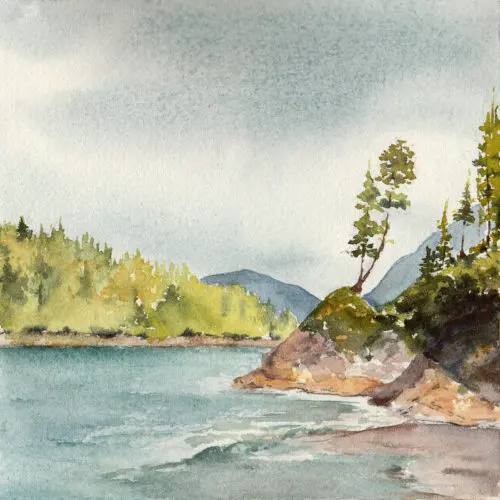
Does Vancouver have four seasons?
Short answer
Vancouver experiences four distinct seasons, though they are defined more by rainfall patterns than extreme temperature fluctuations. The city enjoys a temperate oceanic climate, characterized by mild, wet winters and warm, dry summers. While the calendar marks four seasons, the transition periods of spring and autumn often blur into extended rainy stretches.
On this page
What is the weather like in Vancouver?
Vancouver features a temperate climate influenced by the Pacific Ocean, which prevents the extreme temperature swings seen in the rest of Canada. Winters are generally cool and wet, with temperatures rarely dipping far below freezing, while summers are pleasantly warm and dry. This oceanic influence creates a "marine west coast" environment that keeps the city lush and green throughout the year.
The city receives significant precipitation, particularly between November and March, when moisture-laden air from the Pacific hits the North Shore Mountains. While snow is common in the nearby mountains, it is relatively infrequent in the city center. When snow does fall, it rarely lingers for more than a few days, as the coastal air maintains a moderating effect on local ground temperatures.
How do the seasons change in Vancouver?
The four seasons in Vancouver follow a predictable cycle, though they are often defined by the intensity of rainfall rather than snow or heat. Spring begins in March, bringing blooming cherry blossoms and increasing daylight hours. Summer, running from June through August, offers the most stable weather, characterized by long, sunny days and low humidity levels.
Autumn typically arrives in late September, signaled by cooler temperatures and the return of consistent rain. Winter spans from December to February, serving as the wettest period of the year. Despite these distinct segments, the transition between them is often gradual, with many residents noting that the "rainy season" can easily stretch into late spring or early autumn.
- Spring (March to May): Temperatures range from 6°C to 16°C; frequent light showers.
- Summer (June to August): Temperatures range from 13°C to 22°C; mostly dry and sunny.
- Autumn (September to November): Temperatures range from 5°C to 17°C; increasing rainfall and cooling winds.
- Winter (December to February): Temperatures range from 1°C to 7°C; heavy rain and occasional mountain snow.
Why does it rain so much in Vancouver?
The city’s high rainfall is primarily due to the "orographic effect" caused by the North Shore Mountains. As moist air masses move eastward from the Pacific Ocean, they are forced upward by the coastal mountain ranges. This ascent causes the air to cool and condense, resulting in persistent cloud cover and significant precipitation over the lower mainland.
This rain is essential for the region's temperate rainforest ecosystem, which supports massive coniferous trees and diverse wildlife. While the rain is a defining feature of the local climate, it is rarely torrential. Instead, Vancouver is famous for its long periods of light drizzle or mist, which can last for several consecutive days during the late autumn and winter months.
- The North Shore Mountains act as a barrier for incoming Pacific storms.
- Prevailing westerly winds carry moisture directly from the ocean toward the coast.
- The lack of extreme heat means that evaporation is lower, keeping the soil consistently damp.
Best time to visit Vancouver for outdoor activities
The ideal time to visit depends on whether you prefer urban exploration or mountain adventures. For those seeking sunshine and outdoor festivals, July and August are the best months. During this time, the weather is perfect for visiting Stanley Park, cycling the Seawall, or taking a ferry to the Gulf Islands.
If you are interested in winter sports like skiing or snowboarding, the season typically runs from December through April. The local mountains, including Grouse, Cypress, and Seymour, receive ample snowfall, providing world-class conditions just a short drive from the city center. Visitors should plan their trips based on these specific seasonal strengths to ensure they get the most out of the region's diverse geography.
- Summer: Best for beaches, hiking, and outdoor dining.
- Winter: Best for skiing, snowboarding, and cozy indoor cultural experiences.
- Shoulder Seasons: Best for lower hotel rates and avoiding peak tourist crowds.
Common mistakes when visiting Vancouver
A frequent error is assuming that Vancouver’s weather is the same as the rest of Canada. Many travelers arrive in December expecting deep snow and sub-zero temperatures, only to find a rainy, mild environment. Conversely, some visitors underestimate the intensity of the summer sun, failing to pack adequate sun protection for long days spent near the water or on hiking trails.
Another mistake is failing to dress in layers. Because the weather can shift from a sunny morning to a damp, cool afternoon, wearing a single heavy coat is often impractical. Locals rely on breathable, waterproof outer shells and insulating mid-layers that can be easily removed or added. Always carry a compact umbrella or a hooded rain jacket, as the weather can change without much warning throughout the day.
Key facts
- Vancouver experiences a temperate oceanic climate characterized by mild, wet winters and warm, dry summers.
- The city receives approximately 1,189 millimeters (46.8 inches) of annual precipitation, with most falling between October and March.
- Summer temperatures average between 15°C and 22°C (59°F–72°F), while winter temperatures rarely drop significantly below freezing.
- Snowfall is infrequent and typically melts within a few days, averaging only 38 centimeters (15 inches) per year at Vancouver International Airport.
- The "shoulder seasons" of spring and autumn feature highly variable weather, often shifting from sunshine to rain within a single afternoon.
- To handle the local climate, residents rely on high-quality waterproof shells rather than heavy parkas, as humidity makes cold air feel more penetrating.
The bottom line
Vancouver technically experiences four seasons, but they are defined more by rainfall patterns than by extreme temperature shifts. While the calendar marks distinct changes, the city’s temperate oceanic climate results in a long, wet winter and a short, dry summer. Visitors should prepare for frequent precipitation throughout much of the year, as the mild, grey coastal weather is the city's most consistent meteorological feature.
People also ask
Does it snow often in Vancouver?
Snow is uncommon in the city center and usually occurs only a few times between December and February. Most snow accumulation happens at higher elevations in the nearby North Shore Mountains rather than at sea level.
What is the best month to visit Vancouver for good weather?
July and August are the most reliable months for sunshine and dry conditions, making them ideal for outdoor activities. These months offer the lowest probability of rain and the longest daylight hours.
Why do locals call Vancouver "Rain City"?
The nickname refers to the persistent, light drizzle that characterizes the autumn and winter months. While the total volume of rain is high, it often manifests as a grey, overcast mist rather than heavy thunderstorms.
Do I need an umbrella in Vancouver?
While many tourists use umbrellas, most locals prefer wearing waterproof jackets with hoods. Umbrellas can be cumbersome in crowded urban areas and are often ineffective against the windy conditions that accompany coastal storms.
Is there a distinct autumn season in the city?
Autumn is quite pronounced, typically beginning in late September with vibrant foliage changes. By November, the transition to the rainy winter season is usually complete, resulting in shorter days and frequent cloud cover.
How does the climate affect local outdoor recreation?
The mild climate allows for year-round outdoor access, though activities shift by season. Residents frequently cycle or run in winter, while summer is reserved for beach visits, hiking, and water sports.
This answer was created with the help of AI research tools and reference sources. Spotted an error? Let us know — we correct mistakes quickly. See our editorial policy.