Why do onions make you cry?
Short answer
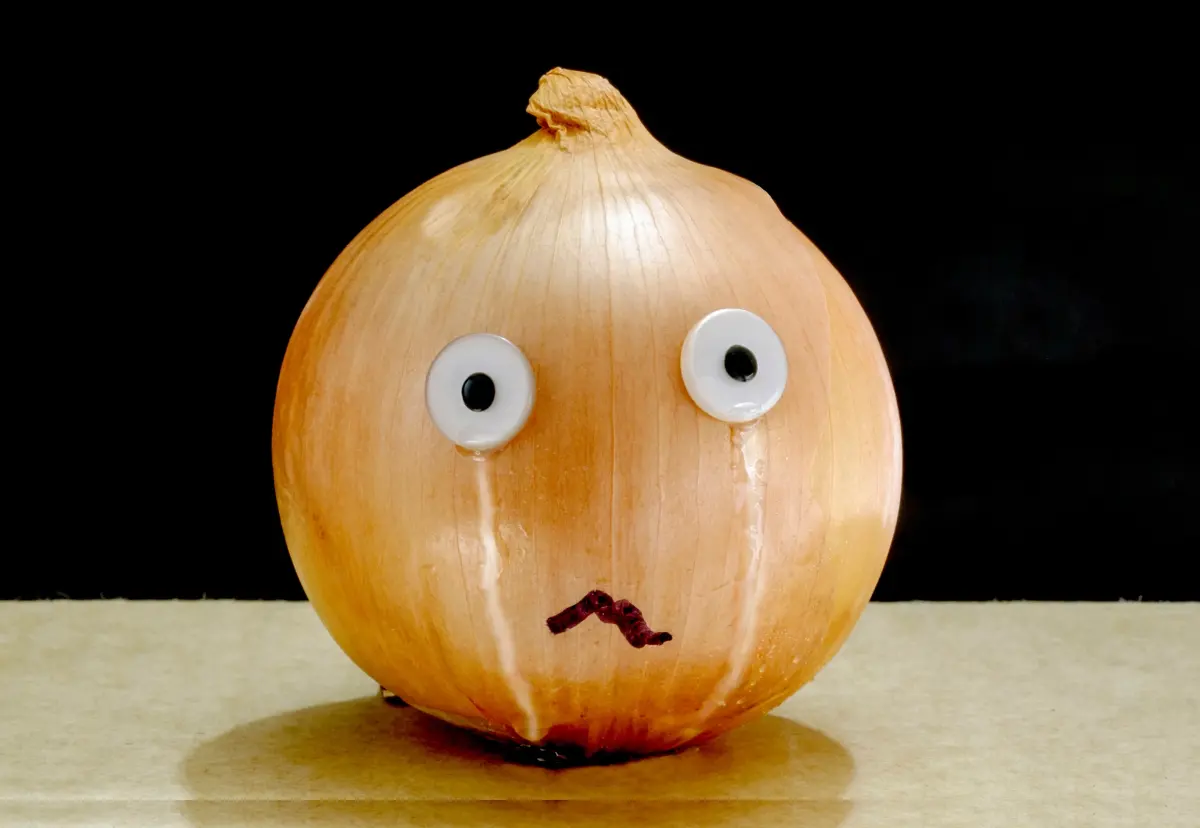
Onions make you cry because cutting them releases a chemical reaction that creates a volatile gas. When this gas reaches your eyes, it reacts with moisture to form mild sulfuric acid. Your eyes produce tears to flush out this irritant, which is a natural protective reflex to prevent potential tissue damage.
On this page
Why do onions make you cry?
The phenomenon begins when you slice into an onion, breaking its cellular structure. Onions contain amino acid sulfoxides and enzymes called alliinases, which are normally kept in separate compartments within the plant cells. Once the cell walls are ruptured by a knife, these components mix to produce a chemical called 1-propenyl-L-cysteine sulfoxide. This substance quickly breaks down into a volatile gas known as syn-propanethial-S-oxide.
As this gas drifts upward, it makes contact with the moist surface of your eyes. The gas dissolves into the water covering your eyeballs, forming a dilute solution of sulfuric acid. Your lacrimal glands, which are responsible for producing tears, detect this irritation immediately. In response, they release a flood of tears to wash away the acidic compound. This is not the same as emotional crying; it is a physiological defense mechanism designed to protect your ocular surface from chemical harm.
How to stop onions from making you cry?
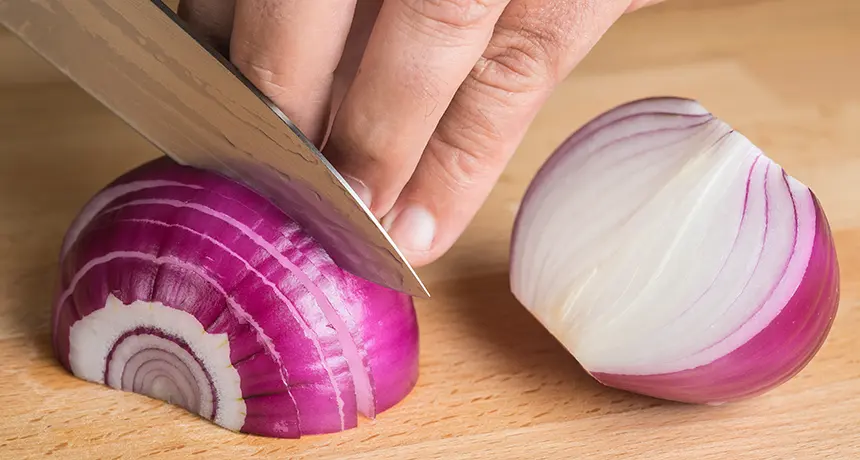
To minimize the release of the irritant gas, you must control the environment in which you cut the onion. Temperature plays a significant role in the volatility of the gas. By cooling the onion, you slow down the chemical reaction and reduce the speed at which the gas becomes airborne. Additionally, using a very sharp knife is essential because a dull blade crushes the cells rather than slicing through them, which releases significantly more gas into the air.
- Chill the onion in the refrigerator for 30 minutes before cutting.
- Use a sharp, high-quality chef's knife to make clean, precise cuts.
- Keep the onion root intact as long as possible, as the concentration of enzymes is highest at the base.
- Use a fan to blow the air away from your face while you work.
- Wear tight-fitting kitchen goggles to create a physical barrier between your eyes and the gas.
Best tools to prevent onion tears
Investing in the right kitchen equipment can drastically change your experience in the kitchen. While many people rely on household hacks, specialized tools are engineered to mitigate the chemical release. A sharp blade is your first line of defense, but other accessories can provide additional layers of protection.
- Mandoline slicers: These allow for consistent, swift cuts that minimize cell damage.
- Food processors: These seal the onion inside a container, trapping the gas before it can reach your eyes.
- Kitchen goggles: These provide a seal around the eyes, preventing the gas from ever making contact with your tear ducts.
- Sharpener: Keeping your knife honed ensures that you are slicing rather than crushing the onion layers.
- Ventilated cutting boards: Some boards are designed with integrated fans to pull air away from the cook.
Common mistakes when cutting onions
Many home cooks unknowingly exacerbate the problem by using improper techniques. One common mistake is cutting the root end off immediately. The root end contains the highest concentration of the enzymes that trigger the gas release; by leaving it attached until the very end of the process, you keep the most potent part of the onion contained. Another frequent error is using a knife that has become dull over time. A blunt edge forces you to apply more pressure, which crushes the cells and releases a larger volume of the irritant gas into the room.
Furthermore, many people choose to cut onions in a poorly ventilated area. Without proper airflow, the syn-propanethial-S-oxide accumulates around the cutting board, increasing the likelihood that it will reach your eyes. Avoiding these simple errors can make a significant difference in your comfort. By focusing on your technique and the state of your equipment, you can prepare onions without the typical stinging sensation that often accompanies the task.
Why do some onions make you cry more?
Not all onions are created equal when it comes to their tear-inducing potential. The amount of sulfur in the soil where the onion was grown significantly influences its chemical composition. Onions grown in sulfur-rich soil tend to produce more of the volatile gas compared to those grown in sulfur-poor environments. This is why a sweet onion, which is often grown in specific soil conditions, might be less irritating than a sharp, pungent yellow onion.
Age and storage conditions also play a role in how much an onion affects you. Older onions that have been stored for long periods may have higher concentrations of certain compounds that contribute to the chemical reaction. Additionally, the type of onion—such as red, yellow, or white—contains different levels of the enzymes responsible for the reaction. While all onions will cause some irritation, choosing fresher, milder varieties can often reduce the intensity of the reaction, making your culinary preparations much more pleasant and comfortable for your eyes.
Key facts
- Onions release a chemical called syn-propanethial-S-oxide when their cells are ruptured by a knife.
- This compound reacts with the water in your eyes to create a mild sulfuric acid, which irritates nerve endings.
- Chilling an onion in the refrigerator for 30 minutes before cutting slows the chemical reaction significantly.
- Using a very sharp knife minimizes cell damage, which reduces the amount of gas released into the air.
- Cutting the root end last is helpful because the highest concentration of sulfur compounds is found there.
- Wearing tight-fitting airtight goggles creates a physical barrier that prevents the gas from reaching your eyes.
The bottom line
The process of crying while cutting onions is a biological defense mechanism triggered by the release of sulfur-based compounds. By chilling the onion, using a sharp knife, and ensuring good ventilation, you can minimize the chemical reaction that irritates your eyes. Understanding these simple kitchen physics allows you to prepare meals comfortably without the need for unnecessary tears, making your cooking experience much more pleasant and efficient.
People also ask
Do white, yellow, and red onions cause the same amount of tearing?
Generally, stronger-tasting onions like yellow or red varieties contain higher concentrations of sulfur and cause more irritation. Milder onions, such as Vidalia or other sweet varieties, have less sulfur and are less likely to make you cry.
Does running an onion under water prevent eye irritation?
Yes, rinsing the onion or cutting it under running water can help wash away the released chemicals. However, this method can make the onion slippery and difficult to handle safely.
Can using a fan while chopping onions help?
Placing a small fan near your cutting board to blow the air away from your face is highly effective. It disperses the gas before it has a chance to reach your eyes.
Are there specific types of knives that reduce tearing?
A razor-sharp, thin-bladed knife is best because it slices through cell walls cleanly rather than crushing them. Crushing the onion cells releases more of the irritating gas into the air.
Do contact lenses protect your eyes from onion fumes?
Many people find that wearing contact lenses provides a slight barrier against the gas. However, the fumes can still irritate the eyes if the concentration is high enough.
Is it true that holding a piece of bread in your mouth stops the tears?
While some suggest holding bread in your mouth to absorb the gas, there is no scientific evidence that this works. It is more likely a placebo effect compared to proven methods like chilling or using a sharp blade.
This answer was created with the help of AI research tools and reference sources. Spotted an error? Let us know — we correct mistakes quickly. See our editorial policy.