Can you use acrylic paint on paper?
Short answer
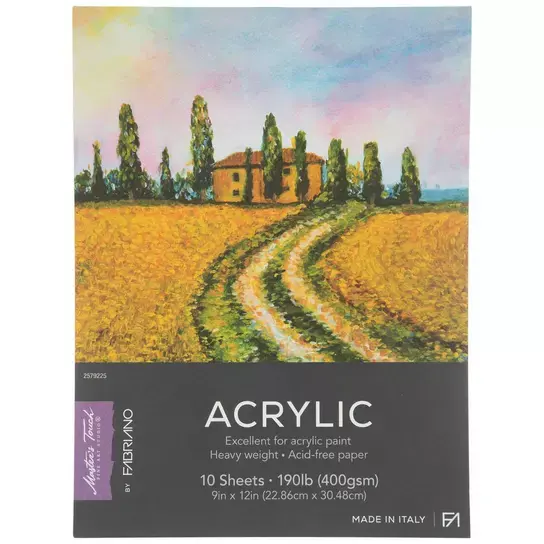
Yes, you can use acrylic paint on paper, provided you choose the right weight and type. Acrylics are water-based and versatile, but they can cause thin paper to buckle or tear. Using heavy-duty paper, such as watercolor paper or specialized acrylic pads, ensures your artwork remains flat, durable, and professional in appearance.
On this page
Which paper is best for acrylic painting?
When selecting a surface for acrylics, weight is the most critical factor. Standard printer paper or thin sketchbooks are unsuitable because the moisture in the paint causes the fibers to expand and warp. For the best results, look for paper labeled at least 140 pounds (300 gsm). This thickness provides enough structural integrity to hold the paint without buckling or requiring extensive mounting.
Textured surfaces, such as cold-press watercolor paper, are particularly popular among artists. The "tooth" or texture of the paper helps the acrylic paint grip the surface effectively, allowing for better layering and blending. If you prefer a smoother finish, hot-press paper offers a flat, non-textured surface that is ideal for fine detail work and graphic illustrations. Always check the packaging to ensure the paper is acid-free and archival, which prevents yellowing or degradation over time.
How to prepare paper for acrylics
Applying a primer, such as gesso, is a standard practice for professional results. Gesso acts as a barrier between the acidic components of the paper and the paint, while also providing a slightly absorbent surface that helps the acrylics adhere evenly. While not strictly mandatory for casual sketches, priming is essential for finished pieces to ensure longevity and consistent color vibrancy.
To prepare your paper correctly, follow these steps:
- Tape your paper to a rigid board using artist’s masking tape to prevent curling.
- Apply a thin, even layer of acrylic gesso using a wide, soft-bristled brush.
- Allow the first coat to dry completely, then lightly sand the surface with fine-grit sandpaper if you desire a smoother texture.
- Apply a second coat if you want a more opaque, canvas-like surface.
How to prevent paper from buckling
Buckling occurs when the water in the acrylic paint saturates the paper fibers, causing them to expand unevenly. Even with heavy-weight paper, large applications of paint or excessive water dilution can lead to warping. The most effective way to manage this is to keep the paper anchored throughout the entire painting process. Using high-quality artist tape on all four edges creates a tension that keeps the sheet flat as it dries.
If you are working on a piece that requires heavy impasto or multiple layers of wet paint, consider these techniques:
- Use a heavier weight paper, such as 300-pound (640 gsm) stock.
- Limit the amount of water added to your paint, using acrylic mediums instead to adjust consistency.
- Apply the paint in thinner, faster-drying layers rather than one thick, heavy application.
- Keep the paper taped down until the final layer is completely cured, which may take several hours.
Common mistakes when painting with acrylics on paper
One of the most frequent errors is using paper that is too thin, which leads to immediate wrinkling or tearing. Beginners often try to treat paper like a canvas, forgetting that paper is porous and reactive to moisture. Another common mistake is failing to allow sufficient drying time between layers. If you apply a new layer while the previous one is still damp, you risk lifting the paint or damaging the softened paper fibers, leading to a muddy appearance.
Avoid these pitfalls to improve your results:
- Do not use standard office paper, as it will disintegrate under the weight of acrylic paint.
- Avoid over-working the surface with a brush, as excessive friction can cause the paper to pill or shred.
- Do not peel the masking tape off while the paint is still wet, as this can tear the edges of the paper.
- Ensure your paint is not overly diluted with water, as this compromises the binder and leads to a chalky finish.
How to store and display acrylic paper art
Once your painting is complete, the way you store or display it is vital for preservation. Acrylic paint remains slightly flexible even after drying, which means it can be sensitive to dust or sticking if stacked improperly. If you plan to store your work, place a sheet of glassine paper—a smooth, moisture-resistant paper—between each painting to prevent them from adhering to one another. Never store paintings in areas with high humidity or direct sunlight, as these conditions can lead to mold or fading.
For display, framing is the best method to protect your artwork from environmental damage. Using a mat board is highly recommended, as it creates a small gap between the surface of the painting and the glass. This prevents the paint from sticking to the glass over time, especially in warmer climates. If you choose not to frame the work, you can mount the paper onto a wood panel or a rigid backing board using an archival-quality adhesive, which gives the piece a professional, gallery-ready presentation while keeping the paper perfectly flat for years to come.
Key facts
- Acrylic paint is water-based and dries into a flexible, plastic-like film, making it suitable for paper if the paper is heavy enough.
- Use paper with a minimum weight of 140 lb (300 gsm) to prevent buckling, warping, or tearing when wet.
- Applying a layer of gesso to the paper before painting creates a barrier that prevents the acrylic binder from soaking into the fibers.
- Acrylics dry very quickly, so work in small sections or use a stay-wet palette to keep colors workable for longer periods.
- Avoid using standard printer or construction paper, as these thin materials will disintegrate or wrinkle severely under the moisture of acrylic paint.
- Tape your paper to a rigid board using artist tape to keep it flat while painting and to create a clean border upon removal.
The bottom line
Acrylic paint is a versatile medium for paper, provided you select the right substrate. By using heavy-weight paper of at least 140 lb and applying a coat of gesso, you can create durable, professional-looking artwork. Always secure your paper to a board to prevent warping, and avoid thin office paper to ensure your project remains intact and vibrant for years to come.
People also ask
Does acrylic paint crack on paper?
Acrylic paint is inherently flexible, so it will not crack on paper unless the paint layer is extremely thick or the paper is folded repeatedly. Using high-quality, heavy-weight paper helps maintain the integrity of the paint film over time.
Should I prime paper before using acrylics?
Priming with gesso is highly recommended because it seals the paper fibers and provides a consistent surface for the paint to grip. Without gesso, the paper absorbs the paint's moisture, which can make the colors look dull and cause the surface to warp.
Can I use watercolor paper for acrylics?
Yes, cold-press watercolor paper is an excellent choice because its textured surface holds paint well and its thickness resists moisture. Ensure the paper is at least 140 lb weight to handle the weight of the acrylic medium.
How do I prevent the paper from curling while painting?
Secure all four edges of your paper to a drawing board using masking or painter's tape before you begin. Leave the tape in place until the painting is completely dry to ensure the paper remains flat.
Is it better to use heavy body or fluid acrylics on paper?
Both work well, but they offer different results; heavy body paint provides texture and brushstroke visibility, while fluid acrylics behave more like ink. Choose based on your desired style, but always use thicker paper for heavy body applications.
How long does acrylic paint take to dry on paper?
Acrylics typically dry to the touch within 10 to 30 minutes depending on the humidity and the thickness of the application. Because paper is porous, the paint may feel dry even faster than it would on a primed canvas.
This answer was created with the help of AI research tools and reference sources. Spotted an error? Let us know — we correct mistakes quickly. See our editorial policy.