What are good watercolor ideas for beginners?
Short answer
Beginners should focus on simple subjects that emphasize color mixing and water control rather than complex detail. Ideal starting points include botanical studies, abstract washes, monochromatic landscapes, and basic geometric shapes. These projects help you master fundamental techniques like wet-on-wet and wet-on-dry applications while building confidence with your brush and pigments.
On this page
Best watercolor painting ideas for beginners
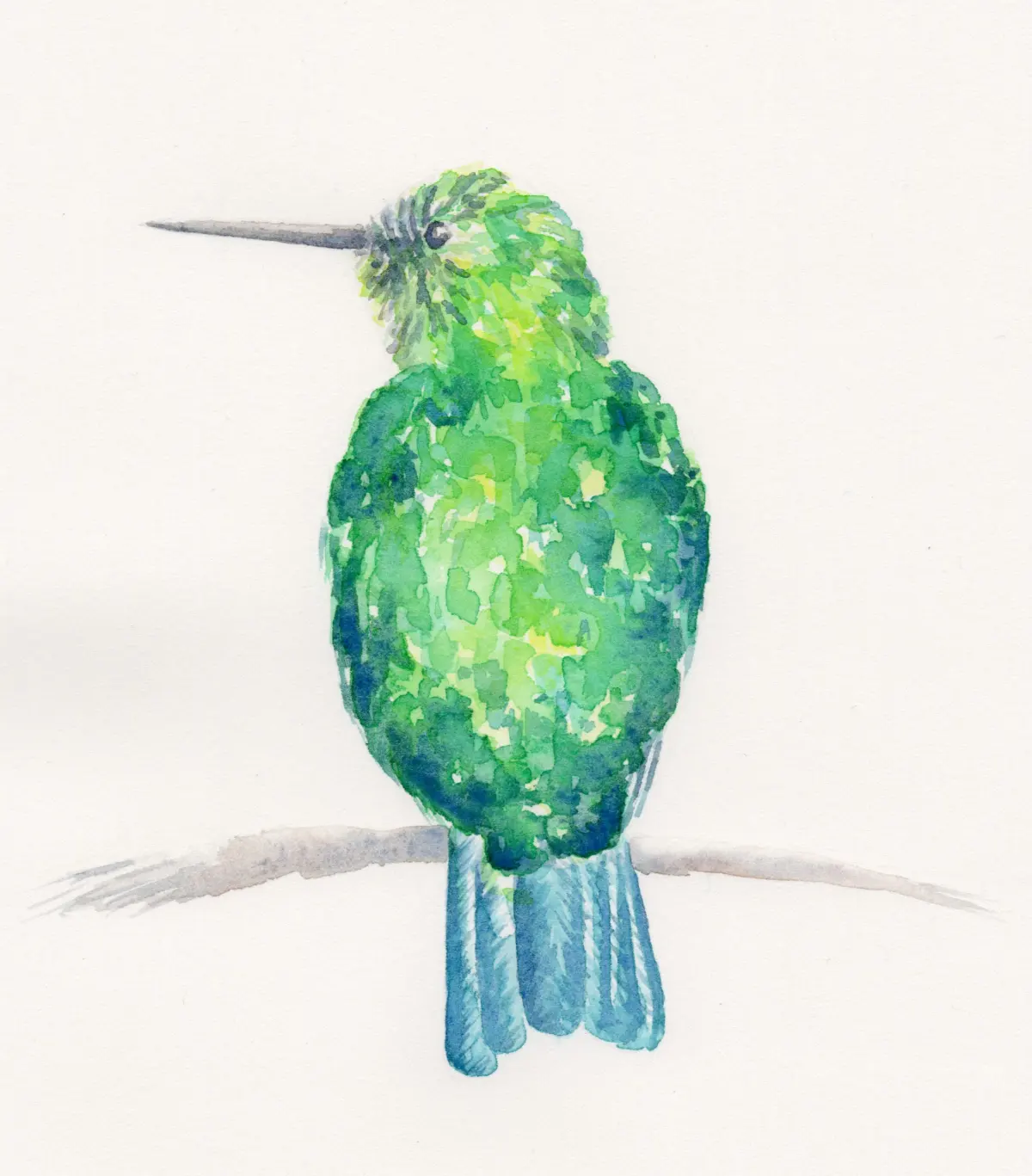
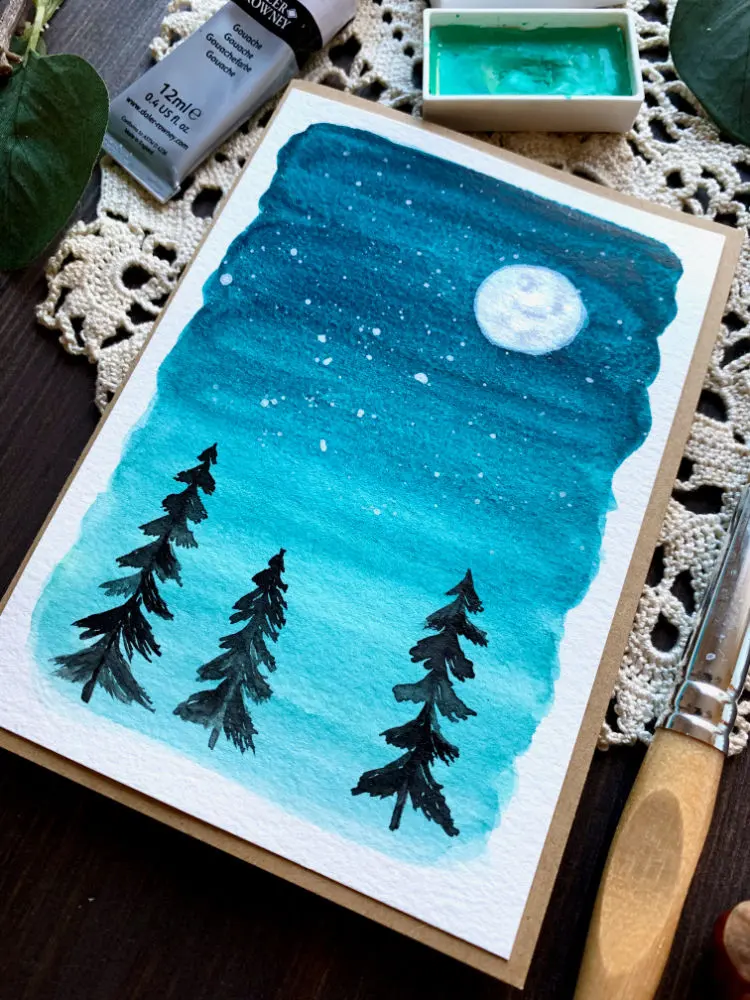
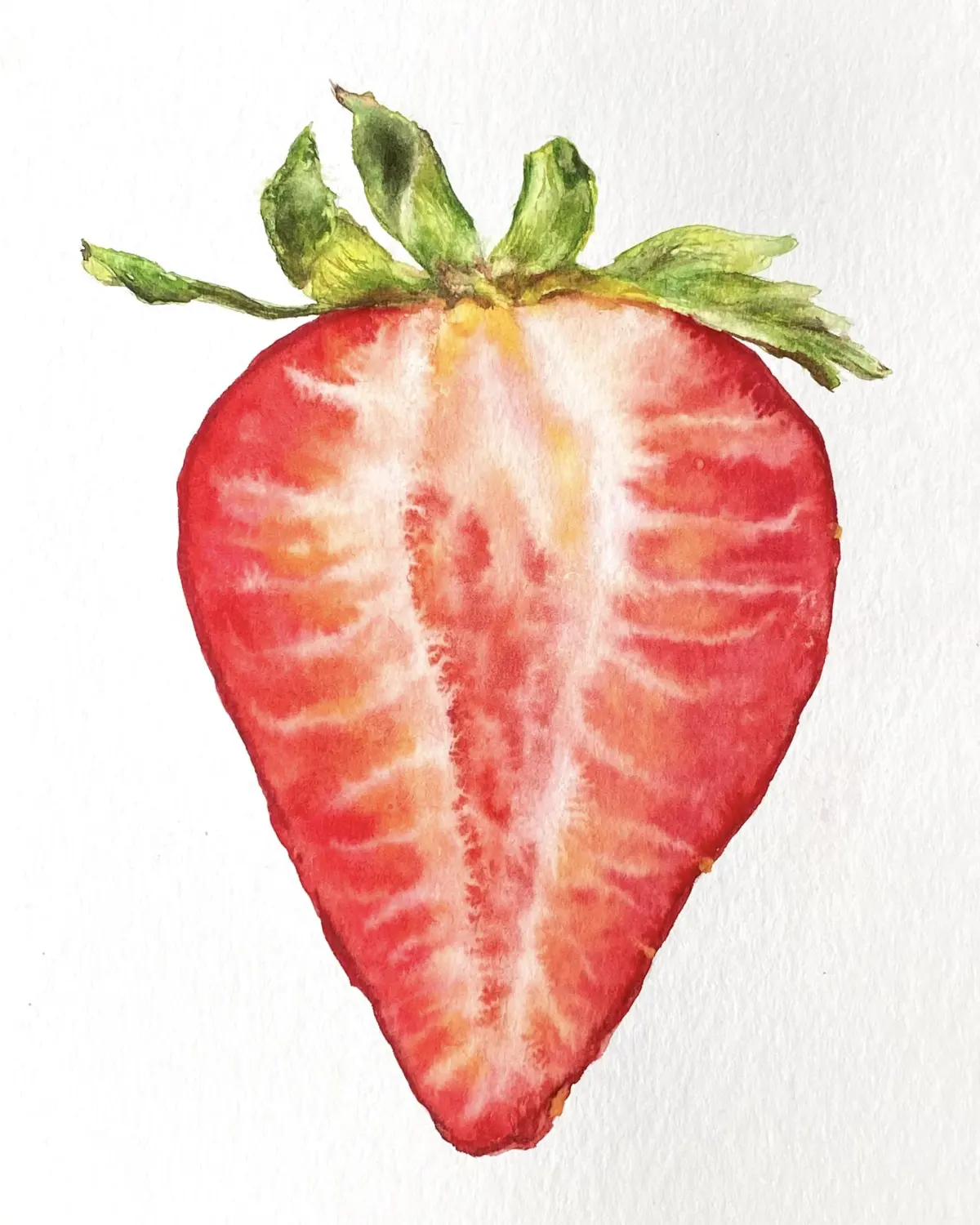
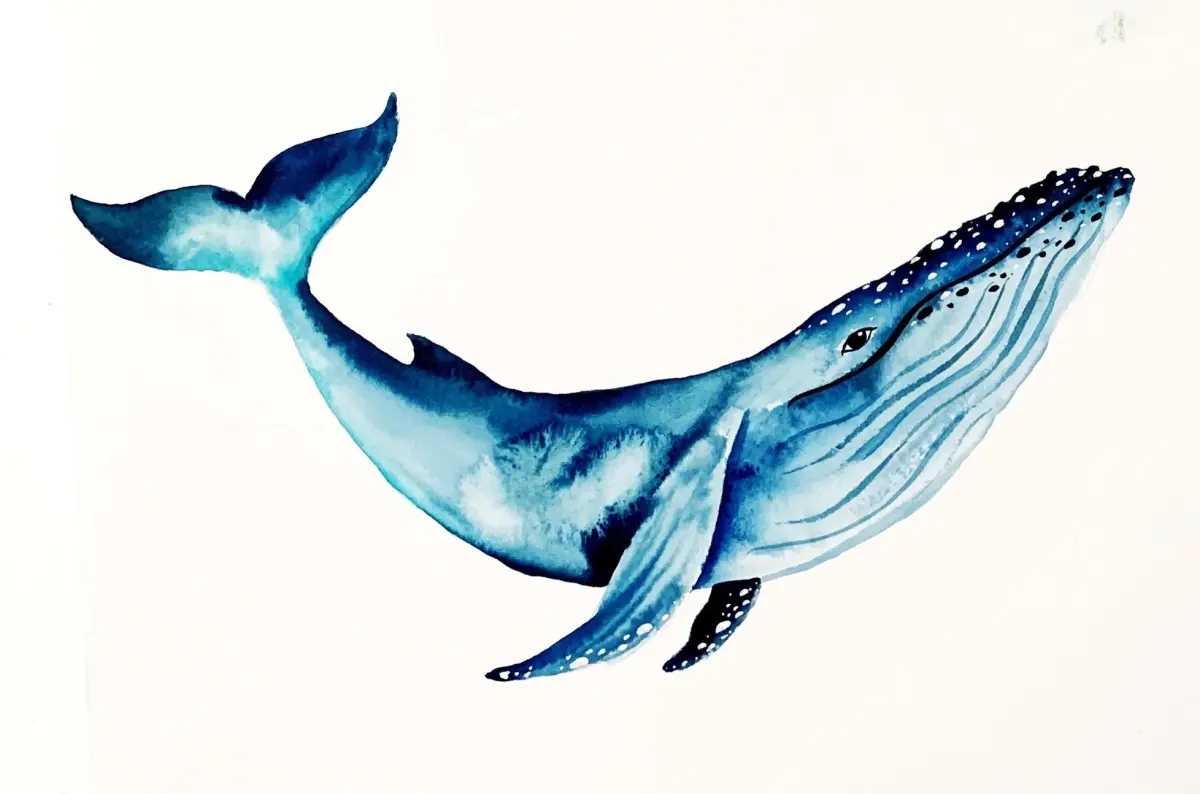
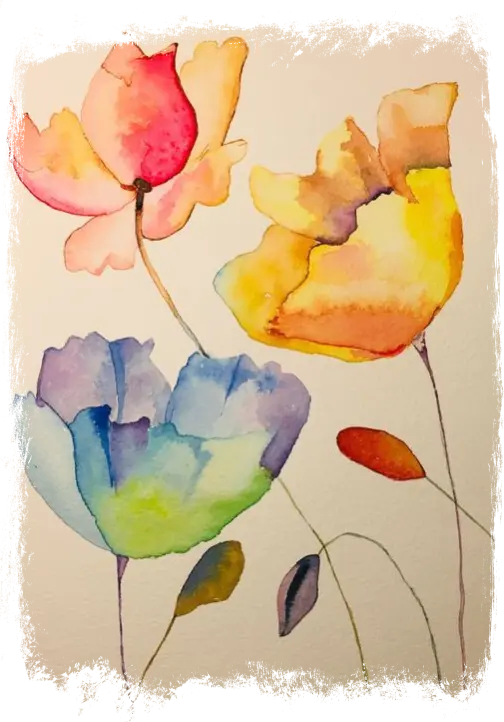
Starting with watercolor requires subjects that allow for experimentation without the pressure of perfect realism. Simple, organic shapes are the most forgiving because they do not require strict anatomical or architectural accuracy. You should begin with subjects that thrive on the fluid, unpredictable nature of the medium, such as loose floral arrangements, silhouettes, or basic celestial bodies like moons and planets.
These subjects teach you how to manage water-to-pigment ratios effectively. For example, painting a single leaf or a basic petal helps you practice the "wet-on-wet" technique, where you apply paint to a pre-moistened surface to achieve soft, bleeding edges. By focusing on these accessible themes, you avoid the frustration of trying to capture intricate textures immediately. Success at this stage comes from understanding how pigment moves across the paper rather than achieving a photographic likeness of the subject.
How to practice basic watercolor techniques
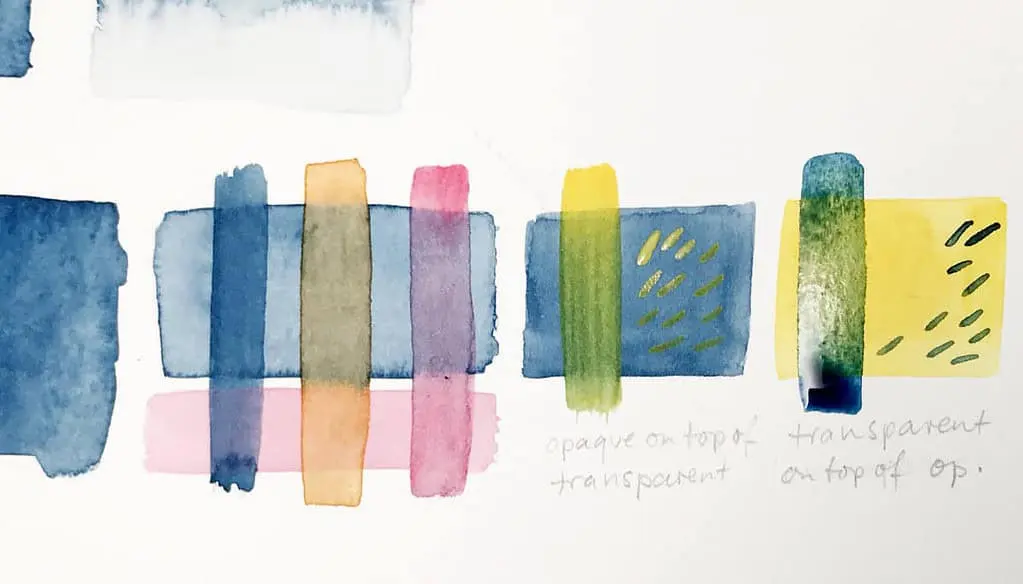
Mastering watercolor involves understanding how to manipulate water to create varying levels of transparency and intensity. Before attempting a full painting, dedicate time to creating a swatch sheet that displays every color in your palette at different concentrations. This practice ensures you understand how much water is needed to achieve a light wash versus a deep, saturated tone.
- Create a gradient wash by loading your brush with pigment and painting a stripe, then dipping your brush in clean water to lighten the next stripe.
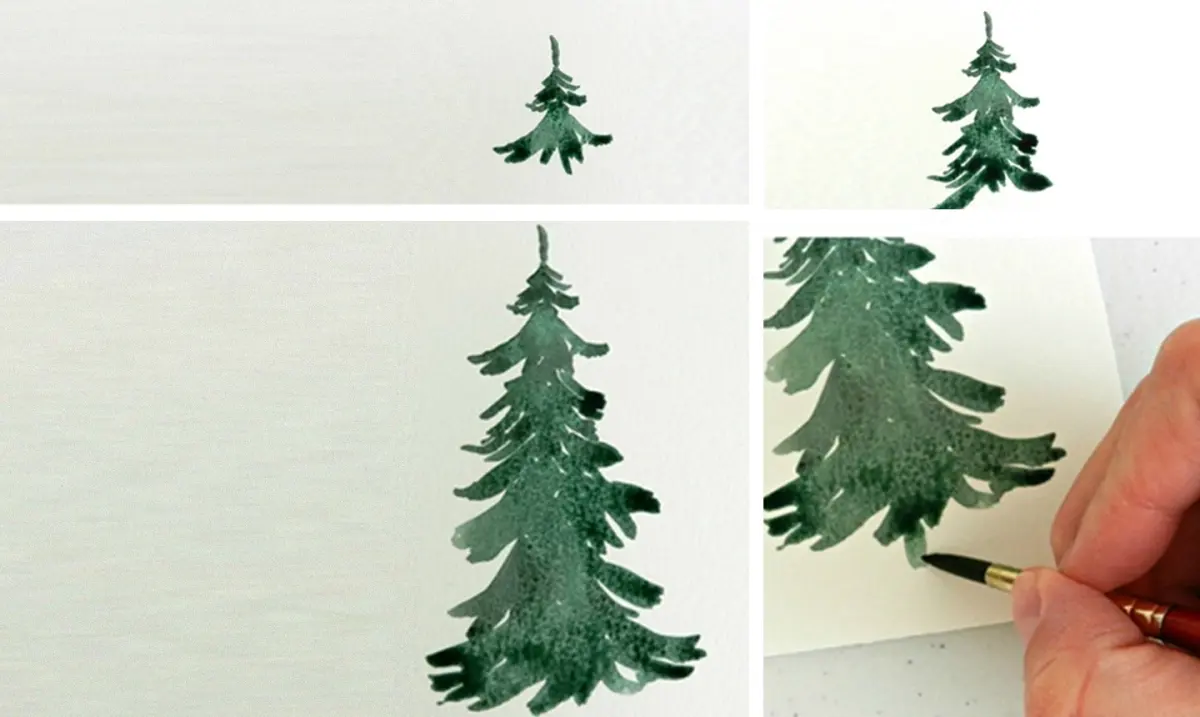
- Practice "wet-on-dry" by applying wet paint onto dry paper to achieve crisp, defined edges for shapes like buildings or tree trunks.
- Experiment with "lifting" by using a clean, damp brush or a paper towel to remove wet paint, which creates highlights or softens harsh lines.
- Test "splattering" by tapping a loaded brush over your paper to create natural-looking textures like stars or grass.
Essential watercolor supplies for beginners
You do not need a vast array of expensive materials to start painting effectively. A professional-grade set of twelve pan watercolors is sufficient for mixing almost any color you might need. Look for student-grade or professional-grade sets from reputable manufacturers like Winsor & Newton, Daniel Smith, or Schmincke to ensure your colors remain vibrant once they dry on the paper.
Paper quality is arguably more important than the paint itself. Beginners should use cold-press watercolor paper with a weight of at least 140 pounds (300 grams per square meter). This thickness prevents the paper from buckling or warping excessively when it becomes saturated with water. Additionally, invest in two or three synthetic round brushes in sizes 4, 8, and 12. These sizes provide enough versatility to cover large background areas while still allowing for the fine detail work required for smaller subjects.
Common mistakes when painting with watercolors
One of the most frequent errors beginners make is overworking the paper. Watercolor is a transparent medium that looks best when applied with confidence and left to dry without constant interference. If you continue to brush over an area that is already beginning to dry, you will likely disturb the paper fibers and create "pilling," which ruins the smooth appearance of the wash.
- Do not use too much water, as this makes the pigment difficult to control and leads to unwanted "blooms" or "cauliflowers" in your paint.
- Avoid using cheap, thin printer paper, which cannot handle moisture and will tear or pill almost immediately.
- Do not attempt to paint light colors over dark ones; watercolor is a subtractive process that requires you to work from the lightest values to the darkest.
- Stop painting before you think you are finished, as watercolors often look better with a sense of looseness and spontaneity rather than rigid, over-rendered detail.
How to improve your watercolor skills over time
Consistency is the most critical factor in developing your artistic ability. Instead of painting once a week for several hours, try to dedicate fifteen minutes each day to a small sketch or a color study. This habit keeps your brush control sharp and helps you intuitively understand how colors interact on the page. Keeping a dedicated sketchbook allows you to track your progress and revisit techniques that you previously found challenging.
Studying the work of established watercolorists can also provide valuable insights into composition and style. Pay attention to how they utilize negative space—the areas of the paper left unpainted—to define the boundaries of their subjects. As you gain comfort, start incorporating more complex elements like layering glazes or mixing granulating pigments to add depth to your work. By continuously challenging yourself with slightly more difficult subjects, such as landscapes with multiple planes or still-life arrangements with varying light sources, you will steadily build a robust and personal artistic voice.
Key facts
- Start with high-quality paper labeled "cold press" with a weight of at least 140lb (300gsm) to prevent buckling.
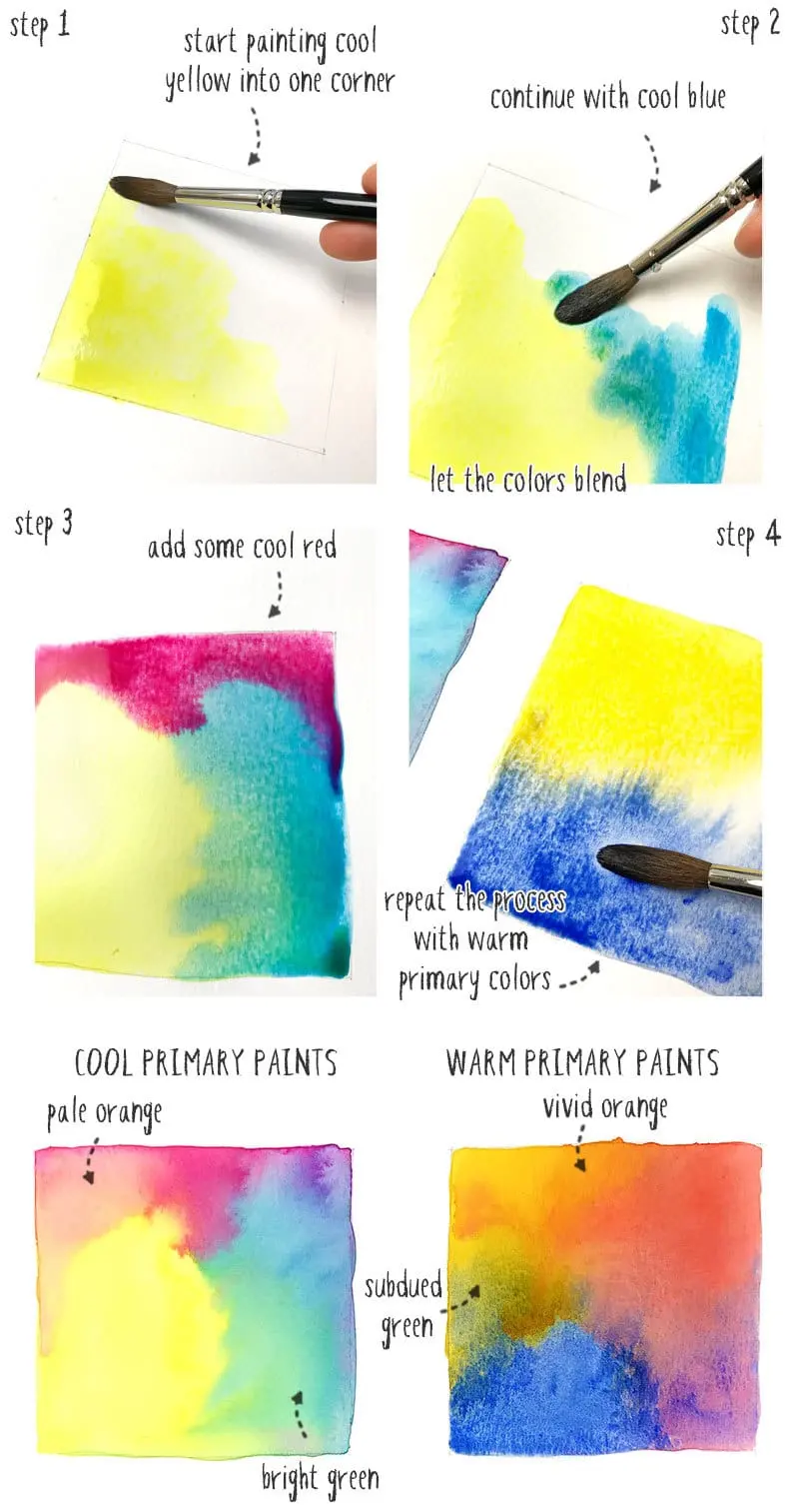
- Use a limited palette of primary colors—a warm and cool version of red, yellow, and blue—to learn color mixing.
- Master the "wet-on-wet" technique by dampening your paper with clean water before applying pigment for soft, blended backgrounds.
- Always wait for the first layer of paint to dry completely before adding details to prevent colors from bleeding into muddy messes.
- Invest in two essential brushes: a round size 8 for general painting and a smaller size 2 for fine details.
- Clean your brushes immediately after use with mild soap and water to maintain the integrity of the bristles.
The bottom line
Watercolor painting is a rewarding pursuit that prioritizes patience and water control over complex equipment. By focusing on fundamental techniques like wet-on-wet blending and proper paper preparation, beginners can quickly gain confidence. Embrace the unpredictable nature of the medium, as the most beautiful results often arise from allowing the colors to flow naturally. With consistent practice and quality materials, you will soon master this expressive art form.
People also ask
Is it necessary to buy expensive professional-grade paints?
No, student-grade paints are perfectly adequate for beginners. They contain more binder and less pigment, making them more affordable while you learn how to control water-to-paint ratios.
Why does my watercolor paper curl or warp while I paint?
Paper warps because it absorbs too much water. To prevent this, tape your paper down to a hard board on all four sides using artist masking tape until the painting is dry.
How do I fix a mistake if I paint the wrong color?
If the paint is still wet, you can lift it by dabbing the area with a clean, damp paper towel or a dry brush. Once it is completely dry, correcting mistakes becomes much more difficult.
What is the purpose of using two jars of water?
Using two jars is a best practice: one for rinsing dirty brushes and one for keeping clean water to mix fresh colors. This prevents your paints from becoming muddy during the session.
How do I achieve a dark, vibrant color in watercolor?
You achieve depth by using less water and more pigment on your brush. Layering multiple thin washes of color once the previous layer is dry also builds richness and intensity.
Should I use white paint to create highlights?
In traditional watercolor, you leave the white of the paper visible to represent highlights. Adding white paint often creates an opaque, chalky look that differs from the medium's characteristic transparency.
This answer was created with the help of AI research tools and reference sources. Spotted an error? Let us know — we correct mistakes quickly. See our editorial policy.