Can you use acrylic paint on fabric?
Short answer
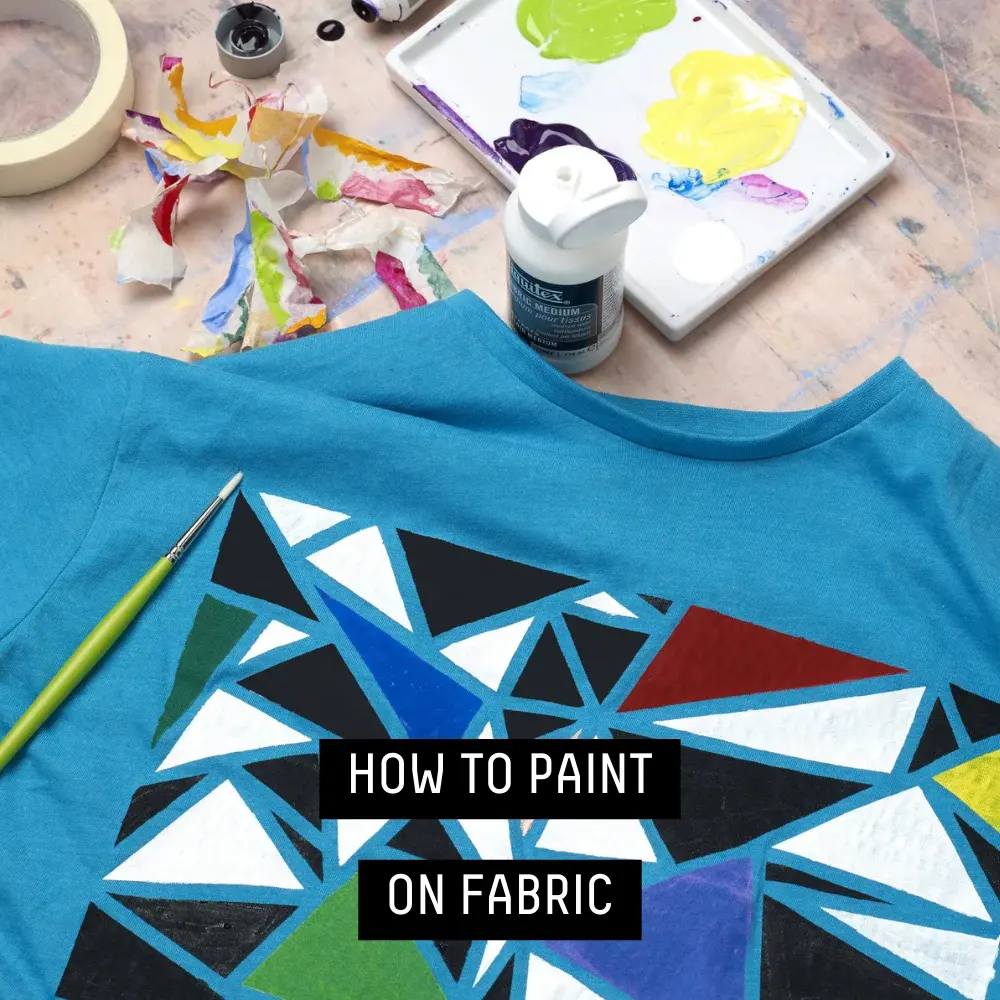
Yes, you can use acrylic paint on fabric, but standard acrylics will likely stiffen the material and crack after washing. To achieve a flexible, permanent result, you must mix the paint with a textile medium. This additive softens the acrylic polymer, allowing the design to move with the fabric fibers over time.
On this page
How to prepare fabric for acrylic paint
Before applying any paint, you must ensure the fabric surface is clean and ready to receive the pigment. Most new fabrics contain sizing agents or factory finishes that prevent paint from bonding properly. Always wash and dry your fabric—without using fabric softener—to remove these chemicals and allow the paint to penetrate the fibers. If you skip this step, the design may peel off after the first wash.
Once the fabric is clean, place a piece of cardboard or a plastic sheet inside the garment or under the fabric layer. This barrier prevents the paint from bleeding through to the other side of the material. Secure the fabric to the board using masking tape or clips to keep it taut and wrinkle-free. A smooth, flat surface ensures an even application and prevents pooling, which can lead to uneven texture or unwanted drips.
Why use textile medium with acrylics
Standard acrylic paint is designed for rigid surfaces like canvas or wood. When applied directly to fabric, the paint dries into a hard, plastic-like film that feels uncomfortable and eventually cracks as the fabric bends. A textile medium is a liquid additive that alters the chemical structure of the acrylic paint. It increases the flexibility of the dried paint film, making it soft to the touch and resistant to the stress of daily wear and repeated washing.
To create a professional-grade fabric paint, mix the medium with your acrylic paint according to the manufacturer’s instructions. Most brands recommend a ratio of one part medium to one part paint, though this can vary based on the desired consistency. Using an additive provides several benefits:
- It increases the transparency of the paint, allowing for layering effects.
- It prevents the paint from soaking too deeply into the weave, which keeps colors vibrant.
- It ensures the design remains pliable and does not stiffen the fabric.
How to apply paint to fabric
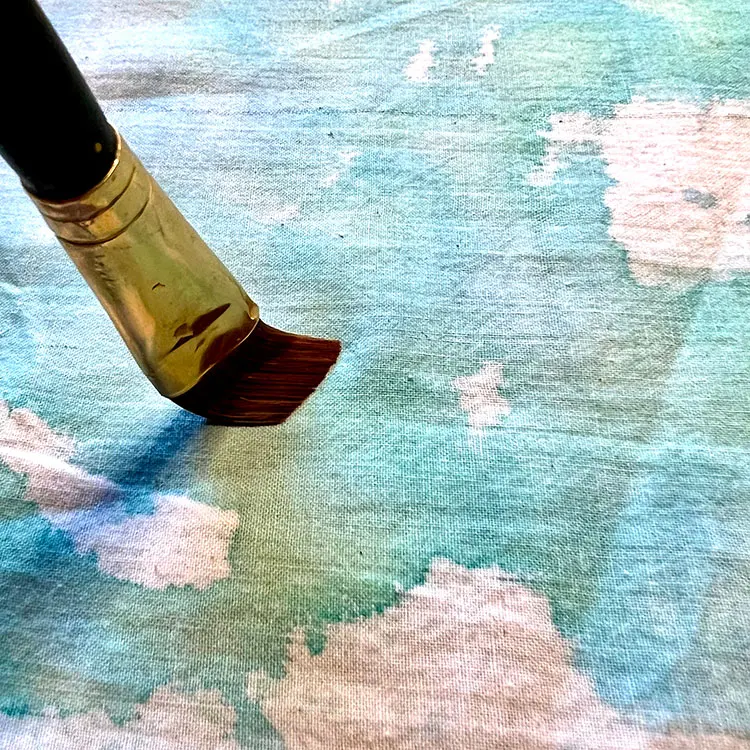
The application process requires a steady hand and the right tools to achieve a clean look. Synthetic brushes are generally preferred over natural hair brushes because they handle the consistency of acrylics better and are easier to clean. Start by applying thin layers rather than one thick coat, as heavy paint application can lead to cracking and a rubbery texture that is prone to peeling.
- Sketch your design lightly with a water-soluble fabric marker or chalk.
- Apply the paint-medium mixture using a brush, sponge, or stencil.
- Work the paint into the fibers using a dabbing or stippling motion for better coverage.
- Allow the paint to air dry completely for at least 24 hours before proceeding to the final setting stage.
If you are using stencils, ensure they are held firmly against the fabric to prevent paint from seeping under the edges. If you make a mistake, wipe it away immediately with a damp cloth before the paint begins to set.
How to set acrylic paint on fabric
Heat setting is the crucial final step that makes your design permanent and washable. Once the paint has dried for at least 24 hours, you must use heat to cure the acrylic polymer. This process bonds the paint to the fabric fibers, ensuring it does not wash away in the laundry. Without heat setting, the paint will likely fade or flake off when exposed to water and detergent.
To heat set your work, follow these steps:
- Place a clean pressing cloth or a piece of parchment paper over the painted area.
- Set your iron to a medium-high heat setting, ensuring the steam function is turned off.
- Press firmly over the design for three to five minutes, keeping the iron moving to avoid scorching the fabric.
- If the fabric is delicate, use a lower temperature and extend the pressing time slightly.
Always wait at least 72 hours after heat setting before washing the item for the first time. When washing, turn the garment inside out and use a gentle cycle with cold water to preserve the integrity of the design.
Common mistakes when painting on fabric
Many beginners struggle with fabric painting because they attempt to use too much paint or choose the wrong materials. One of the most frequent errors is applying the paint too thickly, which creates a heavy, uncomfortable patch on the fabric. Another common mistake is using low-quality acrylics that contain high amounts of fillers, as these do not bond well with fabric even when mixed with a medium. Always test your paint on a scrap piece of the same fabric type before starting your main project.
Avoid these common pitfalls to ensure your artwork lasts:
- Using fabric softener during the pre-wash, which leaves a residue that repels paint.
- Failing to heat set the design, which renders the artwork temporary.
- Washing the item too soon, which can cause the paint to smear or fade.
- Leaving the fabric bunched up while drying, which causes the paint to stick to itself.
By following these guidelines and allowing for proper curing time, you can successfully transform plain textiles into custom, wearable art that withstands the rigors of regular use.
Key facts
- Acrylic paint is naturally stiff when dry, so it must be mixed with a textile medium to remain flexible on fabric.
- Standard acrylic paint will crack, peel, or flake off fabric if it is not heat-set with an iron.
- Always wash and dry your fabric before painting to remove sizing or factory chemicals that prevent paint adhesion.
- Test your paint mixture on a scrap piece of the same fabric to ensure the desired texture and color saturation.
- Use a synthetic-bristle brush, as natural hair brushes can become damaged by the heavy consistency of acrylics.
- Keep the paint layer thin to ensure the fabric retains its drape and does not become overly rigid.
The bottom line
Acrylic paint is a versatile and affordable medium for customizing textiles, provided you prepare the fabric correctly. By mixing your paint with a textile medium and heat-setting the final design, you ensure a durable, flexible, and wash-resistant finish. Avoid thick applications to maintain the natural drape of your garment, and always perform a small test to confirm that your specific paint and fabric work well together.
People also ask
Does acrylic paint wash out of clothes?
Once acrylic paint dries and is properly heat-set, it becomes permanent and water-resistant. However, if the paint is not heat-set, it may wash out or fade significantly during the first laundry cycle.
Can I use acrylic paint on dark-colored fabrics?
Yes, but you should use high-quality, opaque acrylics or apply a layer of white fabric paint first to act as a primer. This prevents the dark fabric color from muting the vibrancy of your design.
How do I heat-set acrylic paint on fabric?
Place a piece of parchment paper or a thin pressing cloth over the dry, painted area. Use a dry iron on a medium-high setting and move it continuously over the design for three to five minutes.
Is acrylic paint safe for clothing worn by children?
Most professional-grade acrylic paints are non-toxic, but you should check the label for the AP (Approved Product) seal. Ensure the paint is fully cured and heat-set to prevent any chemical irritation against the skin.
Can I use acrylic paint on stretchy fabrics like spandex?
It is difficult to use standard acrylics on high-stretch materials because the paint will likely crack when the fabric expands. If you must use it, mix the paint with a high ratio of fabric medium to increase elasticity.
How long should I wait before washing painted fabric?
You should wait at least 72 hours after painting and heat-setting before washing the item for the first time. This allows the paint to fully cure and bond with the textile fibers.
This answer was created with the help of AI research tools and reference sources. Spotted an error? Let us know — we correct mistakes quickly. See our editorial policy.