How do you draw the Taj Mahal?
Short answer
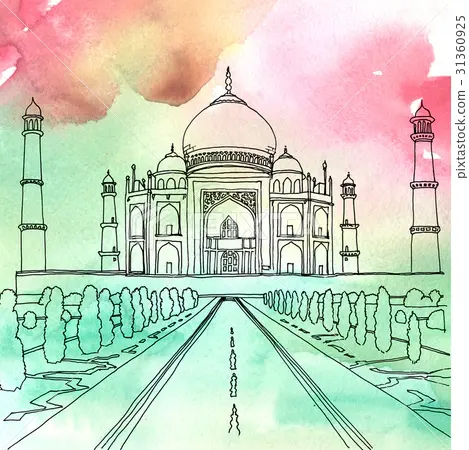
Drawing the Taj Mahal requires capturing its strict bilateral symmetry and iconic onion dome. Start by establishing a central vertical axis to balance the main mausoleum and flanking minarets. Use geometric shapes like rectangles and circles as a foundation, then refine the details, such as the arched portals and intricate marble inlay patterns.
On this page
How to structure the Taj Mahal drawing
The Taj Mahal is defined by its perfect symmetry, which is the most critical element to master. Before adding any decorative details, you must establish a strong vertical center line on your paper. This axis acts as a mirror, ensuring that the left side of the structure matches the right side exactly. Begin by sketching a large rectangle for the main plinth, followed by a smaller square for the central mausoleum body.
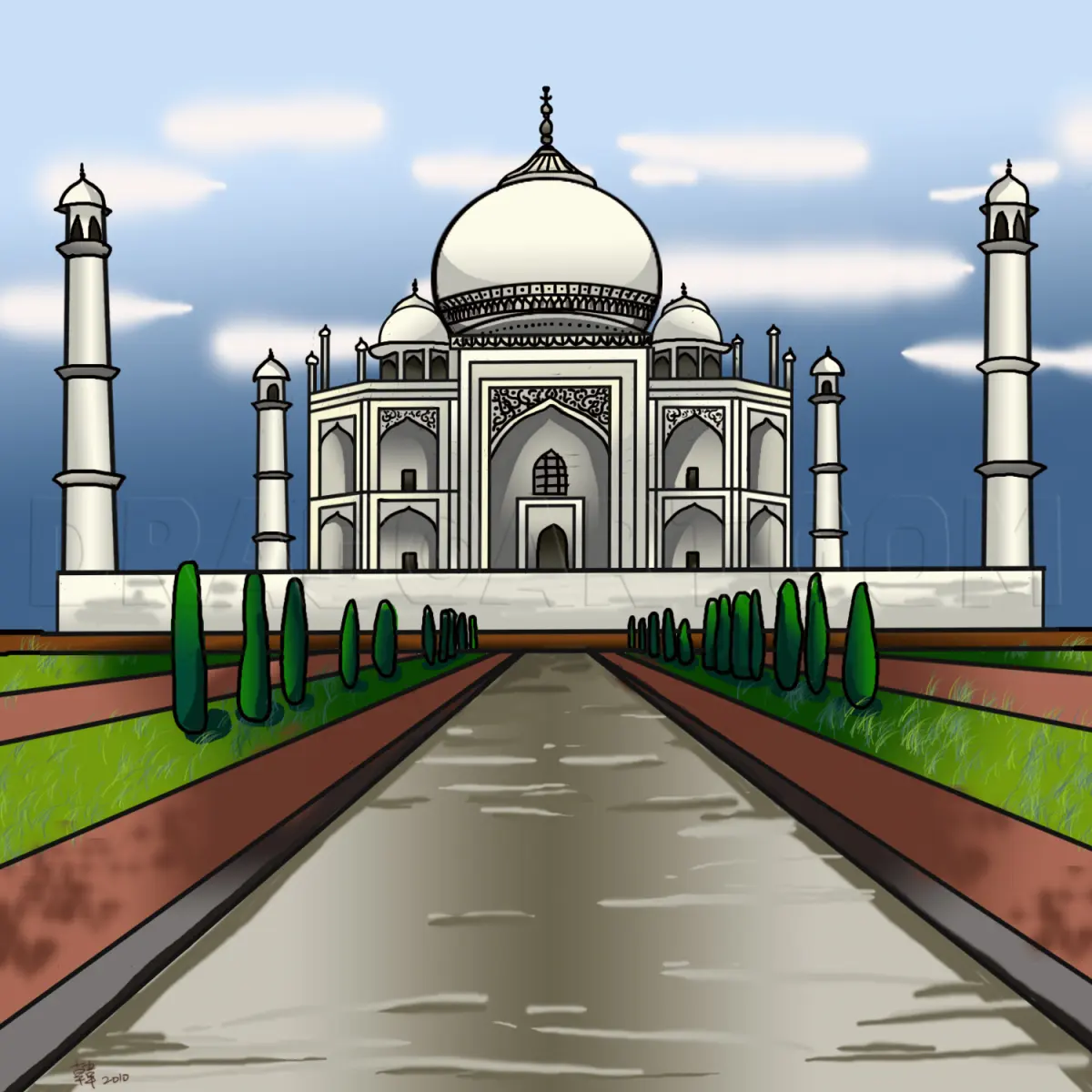
Once the base is set, incorporate the primary geometric forms that define the silhouette. The central dome is a large, slightly flattened sphere, while the four minarets stand as slender cylinders at the corners of the plinth. Use light, construction lines to map these locations before committing to darker outlines. By working from the largest shapes to the smallest, you maintain the architectural integrity of the structure throughout the process.
Best drawing techniques for beginners
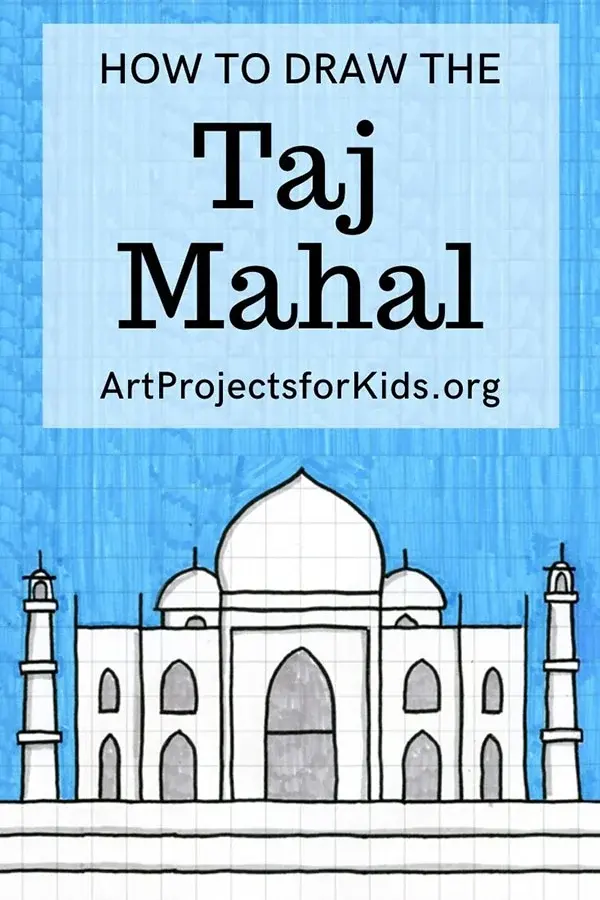
Beginners often struggle with the complex proportions of Mughal architecture, so using a grid system is highly recommended. By dividing your reference image and your paper into equal squares, you can accurately place the minarets and the central archway. This method prevents the building from leaning or appearing lopsided, which is a common issue when drawing freehand. Keep your pencil pressure light during the initial phase to allow for easy corrections.
Focusing on the negative space between the minarets and the main dome will also improve your accuracy. Instead of obsessing over the details of the marble, look at the empty shapes created by the arches. This shifts your brain toward observing actual relationships rather than symbolic representations of the building. Follow these steps to build your sketch:
- Draw a vertical line through the center of your page.
- Sketch the rectangular base, ensuring it is centered on your line.
- Place the four minarets at the corners, keeping them perfectly parallel to your center line.
- Add the central dome and the smaller chhatris (domed kiosks) around it.
- Refine the outlines and add the arched entryway.
How to add architectural detail
The Taj Mahal is famous for its intricate surface decorations, including calligraphy and pietra dura, which is the art of inlaying colored stones into marble. To represent these textures without cluttering your drawing, use varying line weights. Use bold, thick lines for the primary structural outlines and much thinner, lighter lines for the decorative patterns on the walls. This creates a sense of depth and prevents the drawing from looking flat.
When drawing the arches, pay attention to the pointed shape, which is a hallmark of the Islamic style. Ensure the curves are consistent across the entire facade. You can add texture to the walls by using a cross-hatching technique or by lightly sketching the geometric patterns found in the marble. Remember that the Taj Mahal is built of white marble, so keep your shading subtle; use light greys to suggest shadows rather than heavy, dark tones that might make the building look dirty.
Common mistakes when drawing the Taj Mahal
One of the most frequent errors is failing to account for the perspective of the minarets. Because they are designed to lean slightly outward—a safety feature to prevent them from falling onto the tomb in the event of an earthquake—they should not be perfectly vertical in a realistic drawing. If you draw them perfectly straight, they may look stiff or unnatural. However, ensure that the lean is subtle, as an exaggerated angle will ruin the balance of the composition.
Another mistake is neglecting the reflection pool in the foreground. Many artists focus solely on the building and forget that the Taj Mahal is almost always depicted with its reflection in the Yamuna River gardens. This reflection is a vital part of the building's aesthetic impact. When drawing the reflection, use softer edges and slightly distorted lines to mimic the movement of water. This simple addition grounds the building in its environment and adds a professional touch to your final piece.
How to shade and finish the drawing
Shading is the final step that brings the structure to life. Because the Taj Mahal is made of reflective white marble, the shadows should be soft and diffused rather than harsh and black. Identify your light source early; if the sun is to the left, the shadows on the right side of the dome and the minarets should be slightly darker. Use a blending stump or a soft cloth to smooth out your graphite, creating a polished look that mimics the smooth stone surface.
Avoid over-shading the entire structure, as this will hide the white marble effect. Instead, focus on the deep recesses of the arches and the areas beneath the dome's base. These dark spots provide the necessary contrast to make the white surfaces pop. Finally, check your work against the center line one last time to ensure that no details have drifted out of alignment during the shading process. A clean, balanced drawing of the Taj Mahal is a rewarding study in both geometry and patience.
Key facts
- The Taj Mahal is defined by perfect bilateral symmetry; draw a central vertical axis line first to ensure both sides match.
- The central dome is an "onion" shape, which is wider than its base and tapers to a point topped with a finial.
- Four slender minarets stand at the corners of the plinth, leaning slightly outward to protect the main tomb in case of an earthquake.
- The main structure sits on a raised square platform, or plinth, which provides the foundation for the entire composition.
- Use a vanishing point perspective to capture the depth of the reflecting pool and the approach path leading to the entrance.
- Focus on the "pishtaq," or arched alcoves, which are recessed deep into the walls to create strong shadows and architectural depth.
The bottom line
Drawing the Taj Mahal requires a disciplined approach rooted in geometry and symmetry. By establishing a central axis and using a ruler for the structural foundation, you can capture the iconic balance of this Mughal masterpiece. Focus on the proportions of the onion dome and the outward tilt of the minarets to achieve authenticity. With careful attention to perspective and light, your drawing will reflect its timeless elegance.
People also ask
What is the most common mistake when drawing the Taj Mahal?
The most frequent error is failing to maintain symmetry. Because the structure is perfectly balanced, even a slight misalignment in the height of the minarets or the width of the arches will make the drawing look distorted.
How do I draw the intricate marble inlay patterns?
Do not attempt to draw every individual floral inlay. Instead, use light stippling or faint cross-hatching to suggest texture, focusing on the dark outlines of the arched gateways to provide contrast against the white marble.
Should I use a ruler for the architecture?
Using a ruler is highly recommended for the initial structural lines to ensure the geometric precision of the plinth and the verticality of the minarets. Freehand drawing can then be used to soften the edges of the dome and the surrounding gardens.
How do I represent the reflecting pool accurately?
Draw the pool as a long, narrow rectangle directly in front of the main structure. Use horizontal lines to represent the water surface and reflect the inverted image of the Taj Mahal within that space to create a realistic mirror effect.
What is the best angle to capture the Taj Mahal?
A frontal, eye-level view is the standard approach for capturing its monumental symmetry. This perspective emphasizes the grandeur of the central dome and the balance of the four minarets.
How do I draw the onion dome so it looks three-dimensional?
Apply shading to one side of the dome while leaving the other side bright to indicate the direction of the sun. Adding a soft shadow where the dome meets the drum helps define its rounded volume.
This answer was created with the help of AI research tools and reference sources. Spotted an error? Let us know — we correct mistakes quickly. See our editorial policy.