How long do ducks live?
Short answer
Wild ducks typically live between 5 and 10 years, though many perish within their first year due to predation and harsh weather. Domestic ducks often live longer, frequently reaching 10 to 15 years with proper care. Lifespan varies significantly based on species, environmental conditions, and whether they are kept in captivity.
On this page
How long do wild ducks live?
In the wild, life for a duck is defined by constant survival challenges. While some species like the Mallard can live for over 20 years in rare, ideal conditions, the average lifespan is much shorter. Most wild ducks face significant threats from predators, including foxes, hawks, raccoons, and large fish, which target ducklings and adults alike. Environmental pressures, such as extreme winter temperatures, limited food availability, and the risk of avian diseases, further reduce the average life expectancy to roughly 5 to 10 years.
The survival rate for ducklings is particularly low, with many failing to reach adulthood. Those that survive their first year have a much higher probability of reaching middle age. Factors that influence their longevity include:
- Access to clean, open water sources.
- Availability of diverse food like aquatic plants, seeds, and insects.
- The ability to migrate safely to warmer climates during winter.
- Low levels of human-induced habitat destruction or pollution.
How long do domestic ducks live?
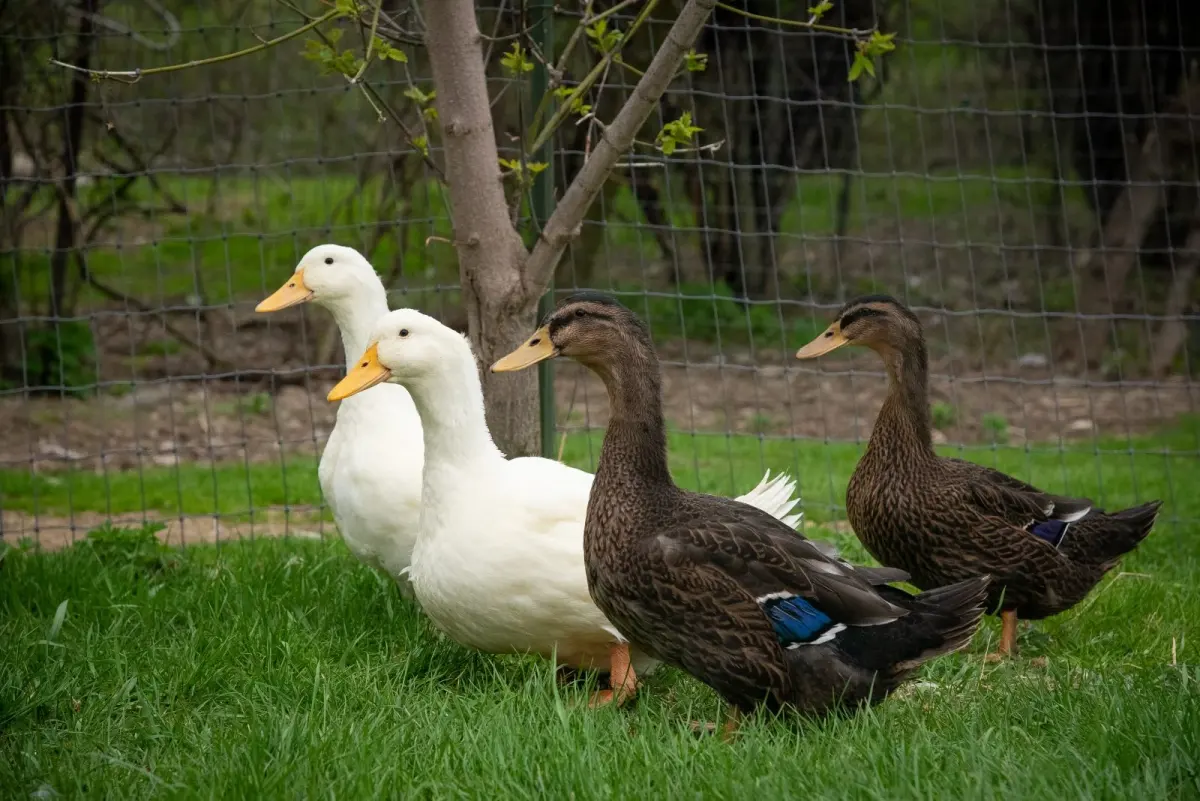
Domestic ducks, such as the Pekin or Runner breeds, generally enjoy longer lives than their wild counterparts because they are protected from predators and provided with consistent nutrition. A well-cared-for domestic duck typically lives between 10 and 15 years. Some individuals have been documented living even longer when kept in clean, stress-free environments with access to veterinary care. Their lifespan is largely determined by the quality of their housing, their diet, and the owner's commitment to disease prevention.
Despite their protection, domestic ducks remain susceptible to specific health issues that can shorten their lives. Common ailments include bumblefoot, respiratory infections, and egg binding in females. Owners who monitor their ducks daily and provide prompt medical attention can significantly extend their lifespan. Maintaining a consistent routine is essential for their long-term health and emotional well-being.
Best care practices for pet ducks
Providing a high-quality life for pet ducks requires attention to their biological needs. A balanced diet is the foundation of longevity, as ducks require specific nutrients to maintain bone density and feather health. Owners should avoid feeding them bread, which lacks nutritional value and can cause digestive blockages or malnutrition. Instead, provide high-quality waterfowl pellets supplemented with fresh greens and occasional treats like peas or mealworms.
To ensure your ducks thrive, follow these essential care steps:
- Provide constant access to clean, fresh drinking water to prevent dehydration.
- Offer a secure, predator-proof coop that is dry, ventilated, and easy to clean.
- Ensure they have access to a pool or pond for swimming and preening.
- Schedule annual check-ups with an avian veterinarian to detect health issues early.
- Keep the living area free of debris and sharp objects to prevent foot injuries.
Why do some ducks live longer than others?
Genetics play a significant role in determining how long a duck will live. Certain breeds are more resilient to common diseases, while others may be prone to genetic health conditions that emerge as they age. Additionally, the environment in which a duck is raised dictates its exposure to toxins and parasites. Ducks kept in overcrowded or unsanitary conditions are far more likely to succumb to bacterial infections, which drastically reduces their life expectancy compared to ducks in spacious, hygienic settings.
Social structure also impacts longevity. Ducks are highly social animals that thrive when kept in groups. A solitary duck often experiences high levels of stress, which suppresses the immune system and makes the bird more vulnerable to illness. Providing a companion ensures the bird remains active and mentally stimulated, which contributes to a longer, healthier life. Owners should always keep at least two ducks together to satisfy their natural gregarious instincts and promote overall physical health.
Common mistakes when raising ducks
Many new owners make the mistake of underestimating the amount of waste ducks produce. Failing to clean their living quarters frequently leads to the buildup of ammonia and harmful bacteria, which can cause severe respiratory issues and foot infections. Another common error is failing to provide adequate protection from predators. Even in suburban areas, domestic ducks are highly attractive to neighborhood dogs, cats, and wild predators, requiring a fully enclosed, heavy-duty run that is secured at night.
Avoiding these mistakes is crucial for keeping your flock healthy and safe:
- Do not use cedar or pine shavings that are too small, as they can be ingested and cause blockages.
- Avoid using harsh chemical cleaners in the coop, as ducks have sensitive respiratory systems.
- Never ignore changes in behavior, such as lethargy or a loss of appetite, as these are often the only signs of illness.
- Do not allow the water source to become stagnant, as it quickly becomes a breeding ground for parasites.
- Ensure the coop is elevated or well-drained to prevent dampness, which leads to frostbite in winter.
Key facts
- Wild mallards typically live for 5 to 10 years, though many do not survive their first year due to predation.
- Domestic ducks, such as the Pekin, often live longer than wild counterparts, frequently reaching 10 to 15 years with proper care.
- Providing a clean, predator-proof enclosure is the most effective way to extend a pet duck's life expectancy.
- Ducks require constant access to fresh, clean water to maintain healthy respiratory and digestive systems.
- A balanced diet consisting of high-quality waterfowl pellets and leafy greens prevents common nutritional deficiencies.
- Regular veterinary checkups are essential, as ducks are masters at hiding signs of illness until they are severely compromised.
The bottom line
The lifespan of a duck depends heavily on its environment, with domestic ducks living significantly longer than wild ones due to protection from predators and consistent access to resources. Whether you are observing them in nature or keeping them as backyard companions, providing a clean habitat, a balanced diet, and vigilant health monitoring is the best way to ensure they reach their full natural potential.
People also ask
What is the most common cause of death for wild ducks?
Predation is the primary factor limiting the lifespan of wild ducks, particularly for ducklings. Foxes, hawks, raccoons, and even large fish frequently target them.
Do male and female ducks have different life expectancies?
Generally, there is no significant biological difference in lifespan between drakes and hens. However, females face higher risks during the nesting season due to increased vulnerability to predators.
Can ducks live indoors as pets?
While ducks can live indoors, it is generally discouraged due to their messy habits and need for water. They require significant outdoor space to forage and swim to remain physically and mentally healthy.
How can I tell if my duck is sick?
Watch for lethargy, loss of appetite, discharge from the eyes or nostrils, or isolation from the flock. Because ducks are prey animals, they often conceal symptoms until a condition is advanced.
Do ducks need a pond to live a long life?
Ducks do not strictly require a pond, but they do need a large tub or pool for bathing and preening. Keeping their feathers clean is vital for insulation and overall health.
Is it true that ducks can live for 20 years?
While rare, some well-cared-for domestic ducks have been known to live into their late teens or early twenties. These cases usually involve exceptional nutrition, safety, and consistent medical attention.
This answer was created with the help of AI research tools and reference sources. Spotted an error? Let us know — we correct mistakes quickly. See our editorial policy.