Is the Fraser River worth visiting?
Short answer
The Fraser River is absolutely worth visiting for travelers seeking raw, untamed wilderness and rich cultural history. As British Columbia’s longest river, it offers world-class salmon fishing, dramatic canyon scenery, and unique insights into Indigenous heritage. Whether you prefer rugged outdoor adventure or scenic rail travel, the Fraser provides an unforgettable experience.
On this page
Why visit the Fraser River
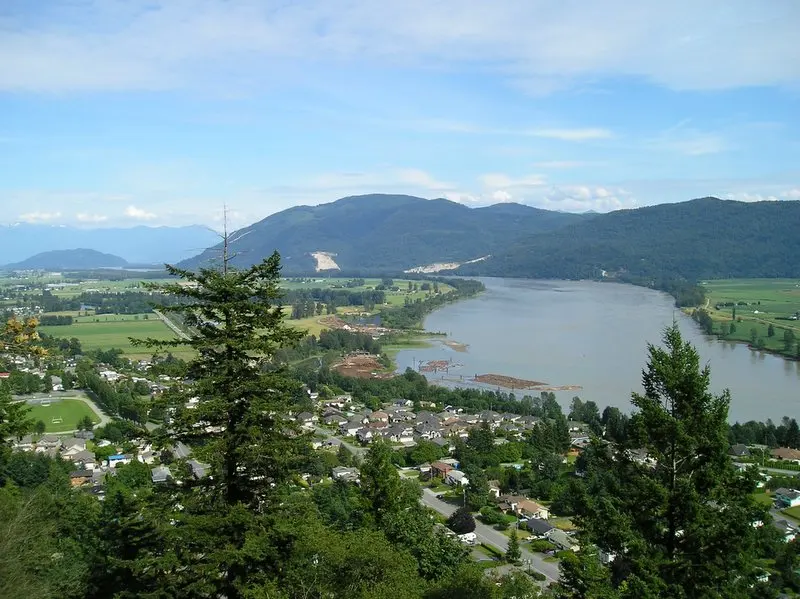
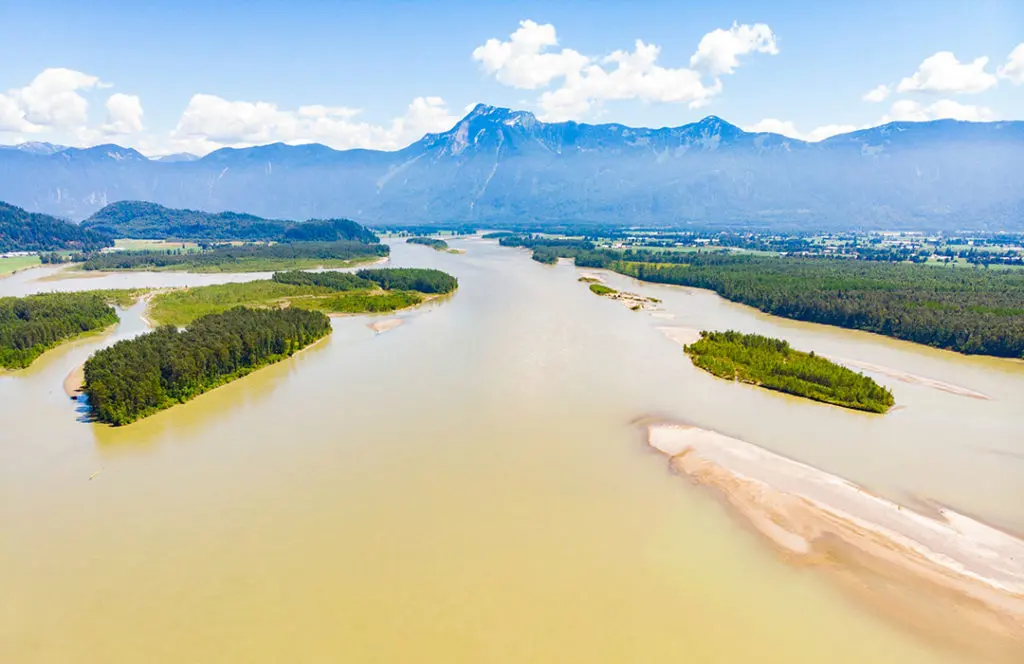
The Fraser River is a vital artery of British Columbia, stretching 854 miles (1,375 kilometers) from the Rocky Mountains to the Pacific Ocean. Unlike many dammed rivers, the Fraser remains the longest free-flowing river in the province, supporting one of the world’s most significant salmon runs. Visitors are drawn to its sheer scale and the dramatic transition of landscapes, ranging from high-alpine meadows near Mount Robson to the lush, agricultural lowlands of the Fraser Valley.
Beyond its natural beauty, the river is the ancestral home of many First Nations, including the Sto:lo, Nlaka'pamux, and Secwepemc peoples. Engaging with the river offers a profound look at the deep connection between the land and its original stewards. History enthusiasts can trace the remnants of the 1858 Fraser Canyon Gold Rush, which transformed the region’s economy and demographics. The river is not merely a scenic backdrop; it is a living, breathing historical site that defines the character of Western Canada.
Best ways to explore the Fraser River
There are several ways to experience the river, depending on your comfort level and interests. For those who enjoy structured travel, the Rocky Mountaineer train offers a breathtaking journey through the Fraser Canyon, where the tracks hug steep cliffs high above the churning water. If you prefer a more hands-on approach, guided jet boat tours in the canyon provide an adrenaline-fueled perspective on the river's power and geology.
For a more immersive experience, consider these options:
- Guided sturgeon fishing charters in the lower Fraser, where you can catch and release prehistoric fish weighing over 500 pounds.
- Hiking the trails of Hell’s Gate, where the river narrows to just 115 feet, creating a massive, turbulent bottleneck.
- Visiting the Xwisten Experience near Lillooet to learn about traditional salmon drying techniques from the St'at'imc people.
- Exploring the river delta in Richmond, which serves as a critical stopover for millions of migratory birds.
How to plan your trip to the Fraser
Planning a trip to the Fraser requires careful consideration of the seasons, as the river’s character changes drastically throughout the year. The best time to visit for outdoor activities is between June and September, when the weather is mild and the water levels are more predictable. If you plan to visit during the spring freshet in May and June, be aware that snowmelt causes the river to rise significantly, which can lead to localized flooding and the closure of some riverside trails.
- Research your specific region, as the river spans vastly different climates from the interior desert to the coastal rainforest.
- Book guided fishing or boat tours at least three months in advance, especially during peak salmon migration months in late summer.
- Check the official BC Parks website for current trail conditions and seasonal closures before heading into the canyon.
- Pack layers, as temperatures can drop rapidly in the deep canyons even during the height of summer.
Common mistakes when visiting the Fraser
One of the most frequent errors travelers make is underestimating the river's power. The Fraser is famous for its swift, cold currents and unpredictable eddies, making it extremely dangerous for inexperienced swimmers or kayakers. Always prioritize safety by staying on designated paths and wearing life jackets if you are on the water. Another mistake is trying to see the entire river in a single day; the geography is too vast, and the winding roads through the canyon require slow, cautious driving.
Avoid these common pitfalls to ensure a smooth trip:
- Assuming the river is safe for casual swimming; the water is glacial-fed and dangerously fast.
- Neglecting to carry physical maps, as cell service is notoriously unreliable once you enter the deep canyons.
- Overlooking the importance of respecting Indigenous lands and cultural sites by failing to follow posted signage.
- Forgetting to bring polarized sunglasses, which are essential for spotting fish and reducing glare off the water.
What to expect from the scenery
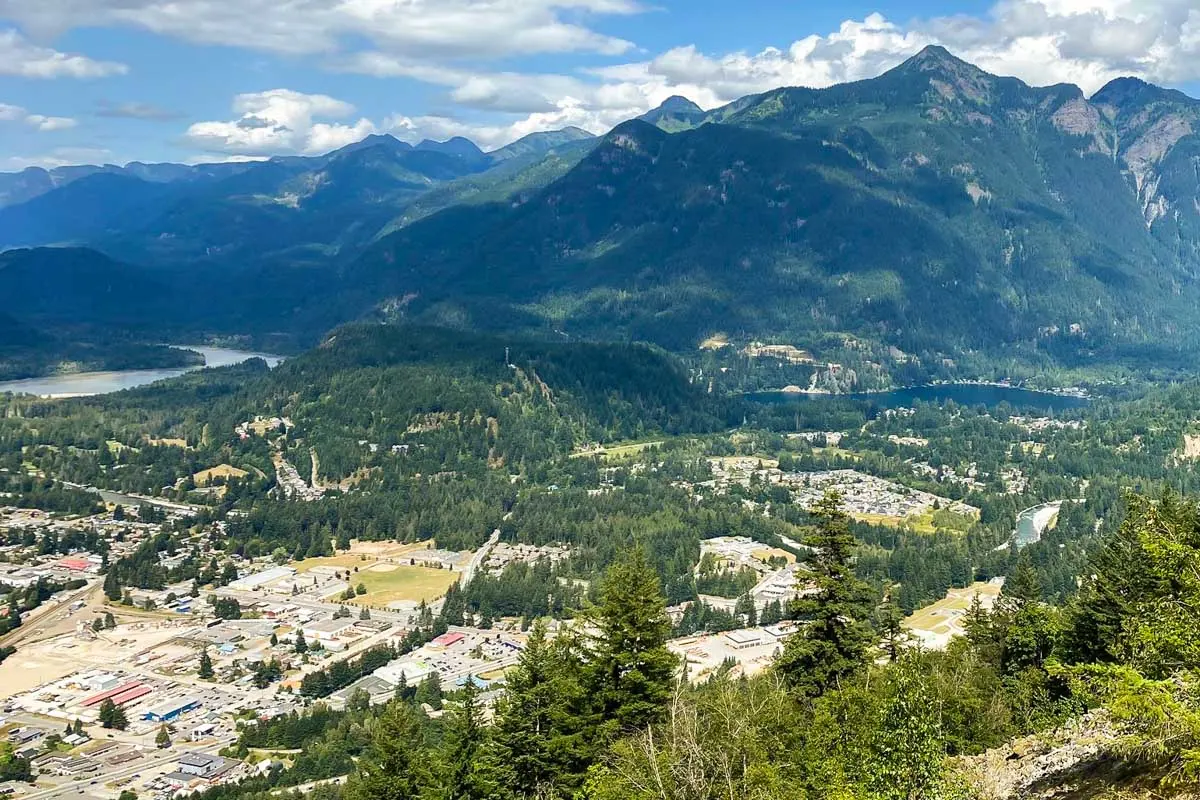
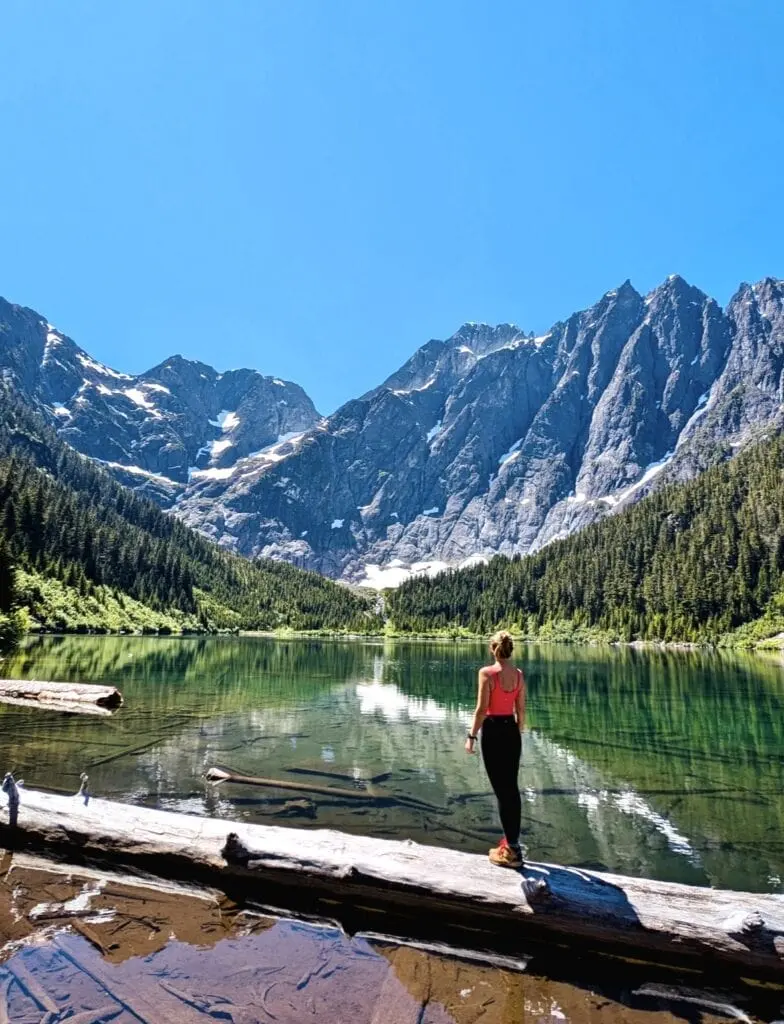
The scenery along the Fraser River is characterized by its dramatic shifts in elevation and ecosystem. In the upper reaches, you will encounter jagged peaks and dense coniferous forests that feel entirely untouched by time. As you travel south toward the interior, the landscape transitions into arid, rolling hills and sagebrush, particularly around the town of Lillooet. This "desert" section of the river provides a striking contrast to the lush, green valleys that define the final stretch toward the Pacific.
The most iconic section for many is the Fraser Canyon, where the river carves through the Coast Mountains. Here, the landscape is defined by sheer rock faces, cascading waterfalls, and the famous historic bridges that span the chasm. Whether you are viewing the river from the comfort of a train car or standing on a bridge looking down at the swirling, silt-heavy water, the scale of the landscape is humbling. It is a place that demands attention and rewards those who take the time to appreciate its raw, geological majesty.
Key facts
- The Fraser River is the longest river in British Columbia, stretching approximately 1,375 kilometers from the Rocky Mountains to the Pacific Ocean.
- It is one of the most productive salmon-bearing rivers in the world, supporting millions of sockeye, chinook, coho, pink, and chum salmon.
- Visitors can explore the river’s history at the Fraser River Discovery Centre in New Westminster, which details the river’s cultural and industrial significance.
- Hell’s Gate, located in the Fraser Canyon, features an air-tram that offers dramatic views of the river’s narrowest and most turbulent point.
- The river is a premier destination for sturgeon fishing, where anglers can catch and release prehistoric white sturgeon weighing over 300 kilograms.
- Avoid visiting during the spring freshet, typically from late May to mid-June, as high water levels and debris make recreational boating dangerous.
The bottom line
The Fraser River is a magnificent natural landmark that serves as the lifeblood of British Columbia. Whether you are interested in world-class sturgeon fishing, dramatic canyon vistas, or learning about the region's rich indigenous and industrial history, the river offers a diverse range of experiences. By respecting the water's power and planning your visit around seasonal conditions, you can safely enjoy this iconic Canadian waterway.
People also ask
What is the best time of year to visit the Fraser River?
Late summer and early autumn are ideal, as the weather is generally dry and the salmon runs are in full swing. This period also offers the best conditions for guided fishing tours and river cruises.
Can you swim in the Fraser River?
Swimming is generally discouraged due to the river's extremely strong currents, cold water temperatures, and unpredictable underwater debris. Stick to designated beaches or supervised areas if you intend to enter the water.
Is the Fraser River safe for kayaking?
While parts of the river are suitable for experienced paddlers, the main channel is hazardous for beginners due to powerful eddies and heavy commercial traffic. Always research specific, calm sections or join a guided tour.
What wildlife can be seen along the riverbanks?
The river corridor is a major migratory path, hosting bald eagles, ospreys, black bears, and various species of waterfowl. Viewing is particularly rewarding during the winter months when eagles congregate to feed on salmon.
Are there hiking trails near the river?
Yes, the Fraser River Trail in various municipalities offers paved and gravel paths perfect for walking and cycling. These trails provide excellent access to river views without requiring specialized equipment.
Do I need a permit to fish in the Fraser River?
Yes, you must possess a valid British Columbia tidal or freshwater fishing license depending on the specific zone. Regulations change frequently to protect fish stocks, so always check the current DFO guidelines before heading out.
This answer was created with the help of AI research tools and reference sources. Spotted an error? Let us know — we correct mistakes quickly. See our editorial policy.