Why is it called Beautiful British Columbia?
Short answer
The slogan "Beautiful British Columbia" originated as a government marketing campaign in the 1960s to promote tourism. It highlights the province’s diverse geography, ranging from rugged Pacific coastlines and temperate rainforests to the soaring peaks of the Rocky Mountains, which collectively create a landscape of immense, internationally recognized natural splendor.
On this page
How did the slogan originate?
The phrase "Beautiful British Columbia" was officially adopted by the provincial government in 1961 as part of a strategic initiative to boost the tourism industry. Before this formal branding, the region was often described in travel literature as a land of scenic wonders, but the government sought a concise, memorable identity to compete with other North American destinations. The slogan was eventually placed on vehicle license plates in 1970, cementing its status as a permanent fixture of the province's public image.
This branding effort was highly successful because it perfectly encapsulated the diverse topography found within the provincial borders. By pairing the word "Beautiful" with the province's name, officials created an enduring association between the political jurisdiction and its vast, untamed wilderness. This identity has persisted for over half a century, serving as both a provincial motto and a primary marketing tool for international visitors.
What makes the landscape unique?
British Columbia is defined by its dramatic geological variety, which is rare for a single administrative region. The province is home to several distinct mountain ranges, including the Coast Mountains and the Canadian Rockies, which provide a backdrop for thousands of glaciers, alpine meadows, and deep, glacial-fed lakes. This verticality creates a visual impact that is often described as awe-inspiring by geographers and travelers alike.
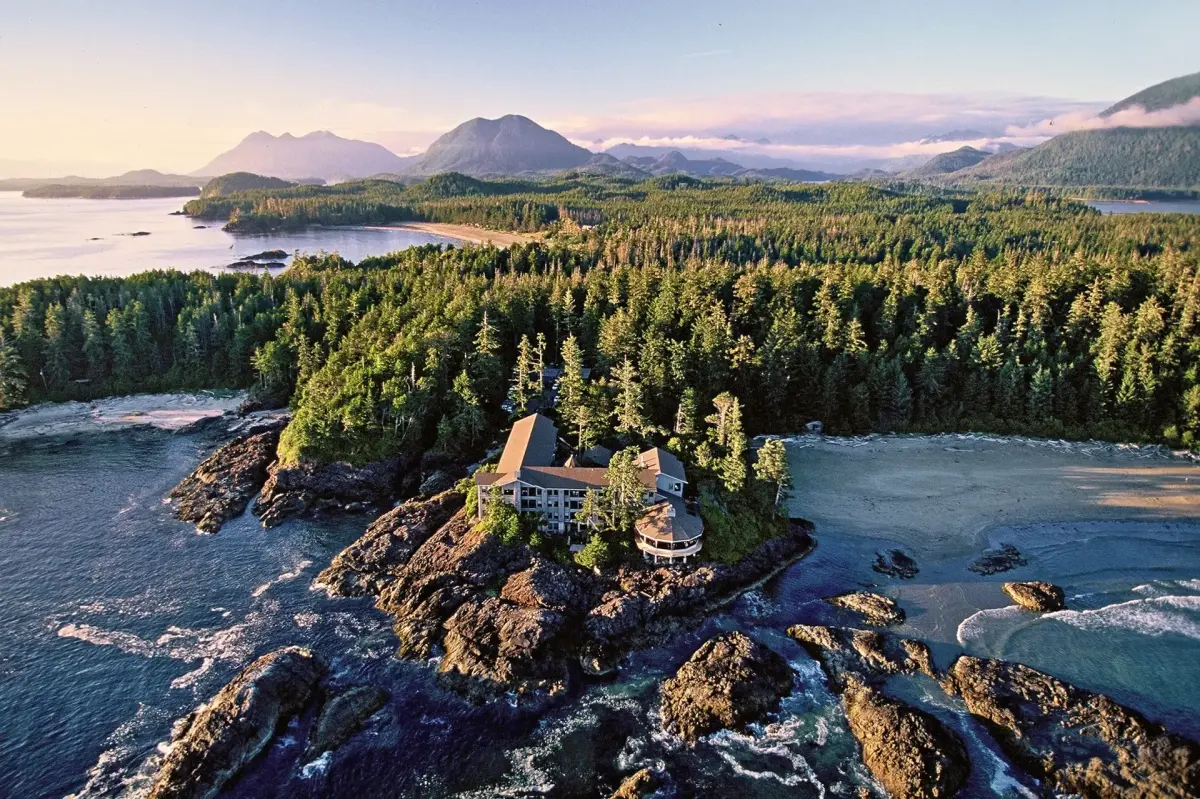
The coastal region offers a different kind of beauty, characterized by the temperate rainforests of Vancouver Island and the Great Bear Rainforest. These areas feature massive ancient trees, foggy fjords, and a rugged shoreline that meets the Pacific Ocean. The combination of high-altitude peaks and low-lying coastal ecosystems ensures that the landscape remains visually striking regardless of the season.
- The province spans over 944,735 square kilometers of land.
- It contains seven distinct mountain ranges.
- Over 14 percent of the land is protected within parks and protected areas.
- The coastline stretches for more than 25,000 kilometers when including islands and inlets.
Where to find the most scenic views?
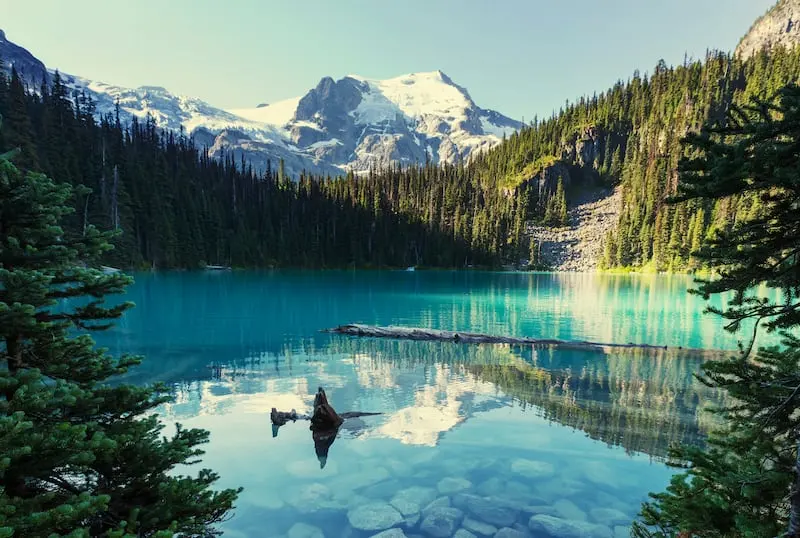
For those looking to experience the beauty firsthand, the province offers several iconic routes and destinations. The Sea-to-Sky Highway, connecting Vancouver to Whistler, is widely considered one of the most beautiful drives in the world. Similarly, the Icefields Parkway, which touches the eastern border of the province, showcases the sheer scale of the Rocky Mountains.
To maximize your experience, consider these top locations:
- Yoho National Park: Famous for the turquoise waters of Emerald Lake and Takakkaw Falls.
- Pacific Rim National Park Reserve: Offers expansive sandy beaches and old-growth forest trails.
- Garibaldi Provincial Park: Known for its challenging hikes that lead to vibrant, crystal-clear alpine lakes.
- Haida Gwaii: A remote archipelago known for its mystical atmosphere and rich cultural heritage.
Common mistakes when visiting BC
Many travelers underestimate the sheer size of the province, leading to poorly planned itineraries that result in excessive time spent in transit. British Columbia is larger than many European countries, and driving between major hubs like Vancouver and the northern regions can take several days of travel. A common mistake is attempting to see the entire province in a single week, which often leaves visitors exhausted and unable to appreciate the scenery.
Another frequent error is failing to prepare for rapidly changing weather conditions. Even in the height of summer, high-altitude regions can experience freezing temperatures, while coastal areas are prone to sudden, heavy rainfall. Visitors should always pack layers and waterproof gear, regardless of the season, to ensure that weather shifts do not interrupt their exploration of the wilderness. Always check local trail conditions, as snow can persist on mountain passes well into the summer months.
How to travel sustainably in nature
Preserving the beauty that gives the province its name requires a commitment to environmental stewardship from every visitor. The fragile ecosystems, particularly the alpine meadows and coastal tide pools, are susceptible to damage from human traffic. Staying on marked trails is the most effective way to prevent soil erosion and the destruction of sensitive plant life, which can take decades to recover in harsh climates.
Practicing responsible tourism ensures that the landscape remains pristine for future generations. Follow these guidelines to minimize your impact:
- Pack out all trash, including organic waste like fruit peels, which can attract wildlife.
- Use established campsites to prevent the expansion of human-disturbed areas.
- Keep a respectful distance from wildlife, as feeding or approaching animals causes stress and dangerous habituation.
- Observe fire bans strictly, as the province is highly susceptible to forest fires during the dry summer months.
By adhering to these simple principles, visitors contribute to the ongoing conservation of the natural assets that define the province's character. Responsible exploration is the key to ensuring that British Columbia remains a place of profound natural beauty for everyone to enjoy.
Key facts
- The phrase "Beautiful British Columbia" became the official provincial slogan in 1968 to promote tourism.
- British Columbia covers 944,735 square kilometers, featuring diverse geography ranging from coastal rainforests to arid deserts.
- The province contains seven distinct mountain ranges, including the Coast Mountains and the Canadian Rockies.
- Over 1,000 provincial parks and protected areas exist, covering approximately 14 percent of the province's total landmass.
- To capture the best scenery, visit during the shoulder seasons of May or September to avoid peak crowds and extreme weather.
- Avoid the common mistake of underestimating travel distances; driving from Vancouver to the northern border takes over 20 hours.
The bottom line
The slogan "Beautiful British Columbia" serves as an accurate descriptor for a region defined by immense natural diversity. From the temperate rainforests of the Pacific coast to the towering peaks of the Rockies, the province offers unparalleled landscapes. By planning travel around the vast geography and seasonal shifts, visitors can experience the unique ecosystems and protected wilderness that solidify its reputation as one of the world's most scenic destinations.
People also ask
What is the official bird of British Columbia?
The Steller’s jay is the official bird of British Columbia. It was adopted in 1987 following a public vote and is known for its vibrant blue plumage and distinct crest.
Which city is the capital of British Columbia?
Victoria is the capital city, located on the southern tip of Vancouver Island. It is famous for its British colonial architecture, mild climate, and the historic Inner Harbour.
What is the best time of year to visit British Columbia?
Spring and autumn offer the most pleasant conditions for sightseeing. Summers are ideal for hiking and water sports, while winters are preferred for world-class skiing in places like Whistler.
Does British Columbia have any deserts?
Yes, the Okanagan Valley contains the northernmost tip of the Great Basin Desert. This region, specifically around Osoyoos, features unique flora and fauna not found elsewhere in Canada.
What is the most famous mountain range in the province?
The Canadian Rockies are the most renowned mountain range, home to iconic destinations like Yoho and Kootenay National Parks. These peaks are famous for their jagged summits and turquoise glacial lakes.
How many islands are there in British Columbia?
The province features over 40,000 islands along its rugged coastline. Vancouver Island is the largest and most populous, serving as a major hub for tourism and outdoor recreation.
This answer was created with the help of AI research tools and reference sources. Spotted an error? Let us know — we correct mistakes quickly. See our editorial policy.