Where can you see sea lions near Vancouver?
Short answer
You can view wild sea lions near Vancouver primarily at Steveston Village in Richmond, the Burrard Inlet, and around various Gulf Islands. These marine mammals are most frequently spotted from late autumn through early spring. Boat tours departing from Granville Island offer the most reliable way to encounter them in their natural habitat.
On this page
Where to see sea lions near Vancouver
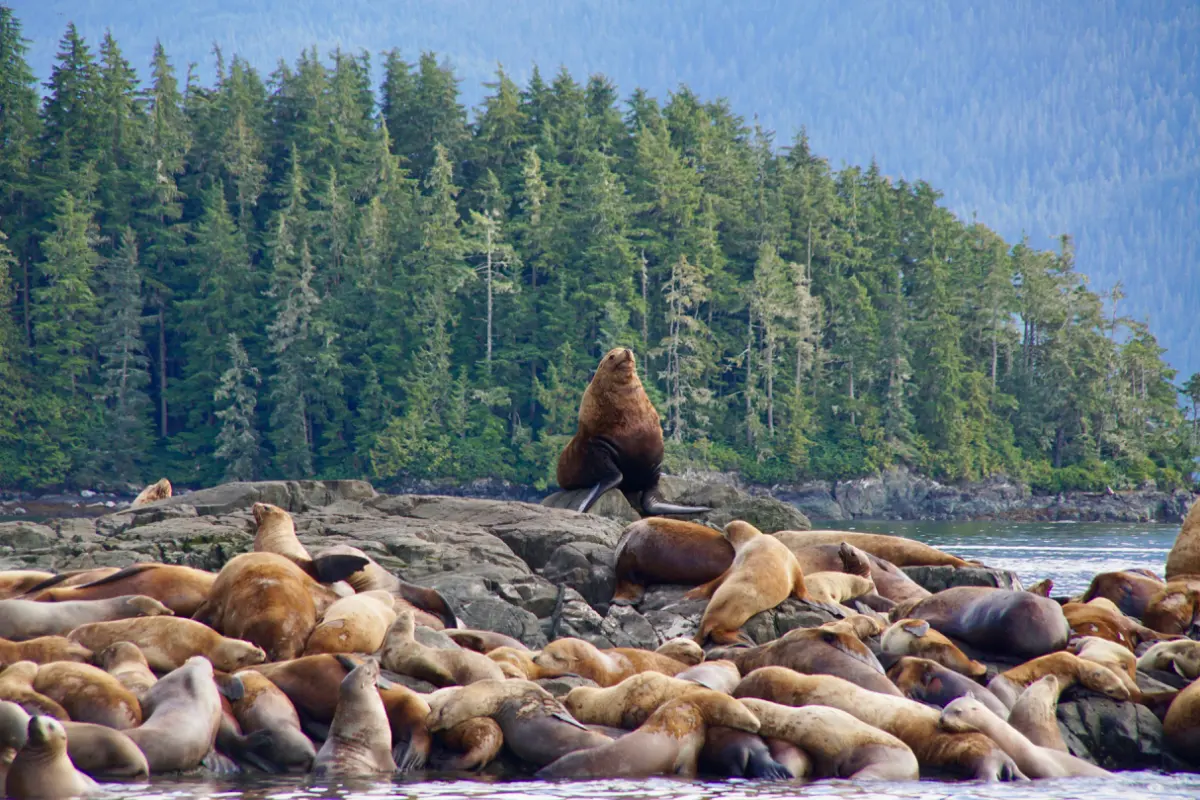
The most accessible location to spot sea lions near Vancouver is Steveston Village, located in Richmond. During the winter months, California and Steller sea lions congregate near the fishing docks to feed on salmon and herring scraps. Visitors can walk along the boardwalks and often hear the animals barking before they even see them. While these sightings are frequent, the sea lions are wild animals and their presence depends heavily on local fish migration patterns.
Another prime location is the Burrard Inlet, particularly near the Second Narrows Bridge and the mouth of the Indian Arm. Sea lions often haul out on navigational buoys or rocky outcrops in these sheltered waters. Many local residents also report sightings near the entrance to False Creek, though these are typically more sporadic. For the best experience, consider visiting during the early morning hours when the animals are most active and boat traffic is minimal.
Best time of year to see sea lions
Sea lions are migratory creatures that visit the British Columbia coast seasonally. You are most likely to encounter them between October and April, with peak activity occurring in mid-winter. During these months, the Pacific herring spawn draws large numbers of predators into the inner coastal waters. If you visit during the summer, you will find significantly fewer sea lions, as many migrate southward to breeding grounds along the California coast.
To maximize your chances of a successful sighting, keep these seasonal factors in mind:
- November to February: Peak season for Steller sea lions in the Burrard Inlet.
- March to April: High activity near Steveston as herring runs attract massive schools of fish.
- May to September: Low probability of sightings; most sea lions have moved to rookeries.
- Daily timing: High tide often encourages sea lions to haul out on buoys, making them easier to spot from the shore.
How to choose a wildlife tour
If you want a guaranteed sighting, booking a professional wildlife boat tour is the most effective method. Several operators depart from Granville Island and Coal Harbour, offering specialized excursions that focus on marine mammals. These tours provide the advantage of expert captains who use radio communication to track animal movements in real time. Because these boats can travel into deeper waters, you are far more likely to see groups of sea lions resting on remote rocky islets.
When selecting a tour operator, look for companies that adhere to strict wildlife viewing guidelines. A reputable tour will:
- Maintain a respectful distance of at least 100 meters from all marine mammals.
- Use engines that minimize underwater noise pollution.
- Provide an onboard naturalist to explain the differences between California and Steller sea lions.
- Offer a "sighting guarantee" or a partial refund if no animals are encountered during the trip.
How to identify different sea lion species
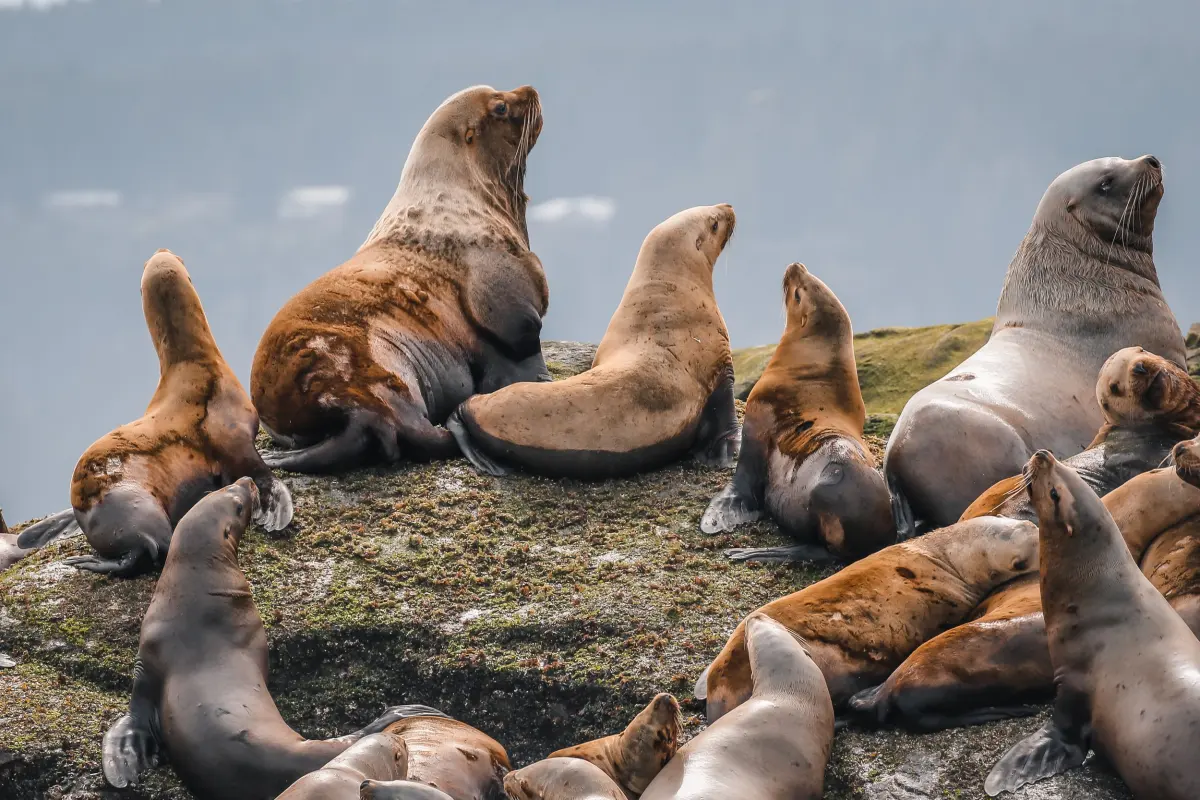
Distinguishing between the two common species found in Vancouver requires a keen eye for physical detail. The Steller sea lion is the largest species, characterized by a massive, blocky head and a lighter, golden-brown coat. They are significantly louder and more imposing than their counterparts. In contrast, the California sea lion is smaller, darker in color, and possesses a more slender, dog-like face. California sea lions are also much more vocal and social, often climbing over one another on docks or buoys.
Key physical differences to observe through binoculars include:
- Size: Steller males can weigh up to 1,000 kilograms, while California males rarely exceed 400 kilograms.
- Sound: Steller sea lions emit deep, guttural roars; California sea lions produce high-pitched, repetitive barks.
- Behavior: California sea lions are highly acrobatic and playful, whereas Steller sea lions tend to be more stoic and territorial.
- Social structure: Steller sea lions prefer rocky, exposed haul-outs, while California sea lions frequently utilize man-made structures like floating docks.
Common mistakes when viewing sea lions
One of the most frequent errors visitors make is attempting to approach sea lions too closely on foot. Even if they appear docile while resting, sea lions are powerful, territorial animals that can move surprisingly fast on land. Never attempt to feed them or toss items toward them, as this disrupts their natural foraging behaviors and can lead to aggressive defensive reactions. Always keep pets on a leash and maintain a quiet, respectful distance to ensure the animals do not feel threatened and abandon their resting spots.
Another common mistake is failing to bring the right equipment for coastal weather. Vancouver’s winters are notoriously wet, and standing on a dock for an hour can quickly lead to hypothermia if you are not prepared. Avoid these pitfalls by following these simple rules:
- Wear waterproof layers and sturdy, non-slip footwear for wet docks.
- Bring high-quality binoculars, as sea lions often rest on distant buoys or rocks.
- Avoid using flash photography, which can startle the animals and cause them to stampede into the water.
- Respect local signage that designates certain areas as off-limits to protect the habitat of these protected marine mammals.
Key facts
- Steveston Village in Richmond is the most reliable spot to view Steller and California sea lions from late autumn through spring.
- Sea lions are most active around local fishing docks where they congregate to scavenge for fish scraps.
- The best viewing months are typically November through April, as sea lions migrate to the region for winter feeding.
- Always maintain a distance of at least 100 meters to avoid disturbing the animals or violating federal wildlife regulations.
- Use binoculars for a clear view, as sea lions often haul out on distant buoys or secluded rocky outcrops.
- Avoid feeding the sea lions, as this disrupts their natural hunting behavior and can lead to dangerous human-wildlife interactions.
The bottom line
To spot sea lions near Vancouver, head to the Steveston Village docks in Richmond during the winter months. These intelligent marine mammals congregate there to feed, offering excellent viewing opportunities from a safe distance. Remember to prioritize wildlife safety by keeping your distance, avoiding food handouts, and using binoculars. With patience and respect for their natural behavior, you can enjoy observing these impressive creatures in their habitat.
People also ask
What is the difference between a sea lion and a seal?
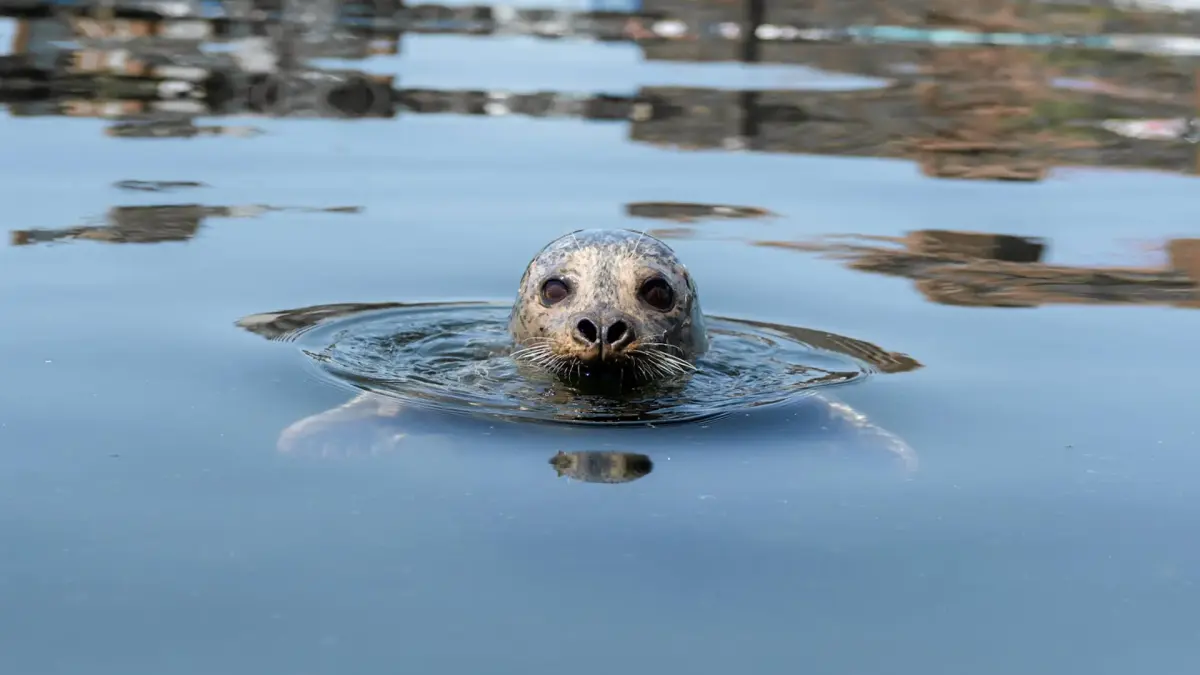
Sea lions have visible ear flaps and large, rotating flippers that allow them to "walk" on land. Harbor seals lack ear flaps and must scoot along the ground on their bellies.
Are sea lions dangerous to humans?
While they often appear playful, sea lions are large, powerful wild animals that can be aggressive if cornered or provoked. Never attempt to touch or swim with them, as they can bite or cause serious injury.
Can I see sea lions in Stanley Park?
You can occasionally spot them in the waters around the park, particularly near the Lions Gate Bridge or Siwash Rock. However, they are much less predictable there than at commercial fishing docks.
Do sea lions stay in Vancouver year-round?
Most sea lions are migratory and move north to breeding grounds in Alaska and Northern British Columbia during the summer. You will see the highest numbers in the Vancouver area during the winter months.
What should I do if I see an injured sea lion?
Do not approach the animal. Contact the Department of Fisheries and Oceans Canada (DFO) marine mammal incident reporting line to alert professionals who are trained to assist.
Is it legal to feed sea lions?
No, feeding wild marine mammals is illegal under the Marine Mammal Regulations of the Fisheries Act. Providing food habituates them to humans and puts both the animals and the public at risk.
This answer was created with the help of AI research tools and reference sources. Spotted an error? Let us know — we correct mistakes quickly. See our editorial policy.