How long do tortoises live?
Short answer
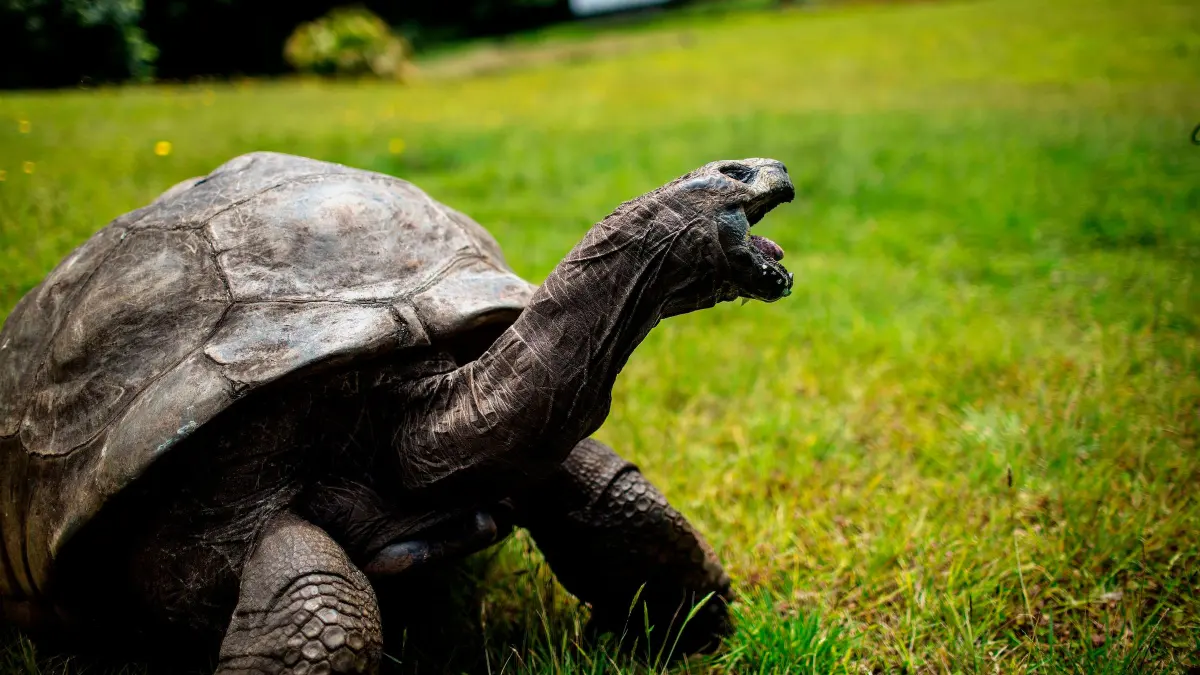
Most tortoises live between 50 and 100 years, though many species frequently exceed a century in captivity. Giant tortoise species, such as the Aldabra or Galápagos, are the longest-lived vertebrates on Earth, with documented individuals surviving well past 150 years. Their longevity is primarily attributed to slow metabolisms and protective, durable shells.
On this page
Why do tortoises live so long?
The biological secret to a tortoise’s longevity lies in its exceptionally slow metabolism. These reptiles process energy at a fraction of the rate seen in mammals, which minimizes cellular wear and tear over decades. By maintaining low body temperatures and moving at a measured pace, they reduce the oxidative stress that typically causes aging in other animals. This evolutionary strategy allows their internal organs to function efficiently for much longer periods.
Furthermore, their robust shells provide a formidable defense against predators and environmental hazards. Because they do not need to expend constant energy on rapid movement or high-speed escape maneuvers, they can allocate resources toward long-term cellular repair. This combination of a low-energy lifestyle and physical armor creates a biological buffer that protects them from the common threats that shorten the lifespans of faster, more vulnerable creatures.
How long do different species live?
Longevity varies significantly depending on the specific species and its natural habitat. While smaller species often have shorter lifespans than their giant cousins, they still frequently outlive human owners. Understanding these differences is essential for anyone considering a tortoise as a long-term companion, as the commitment required is generational.
- Galápagos Giant Tortoise: Often live 150 to 190 years.
- Aldabra Giant Tortoise: Frequently reach 150 years or more.
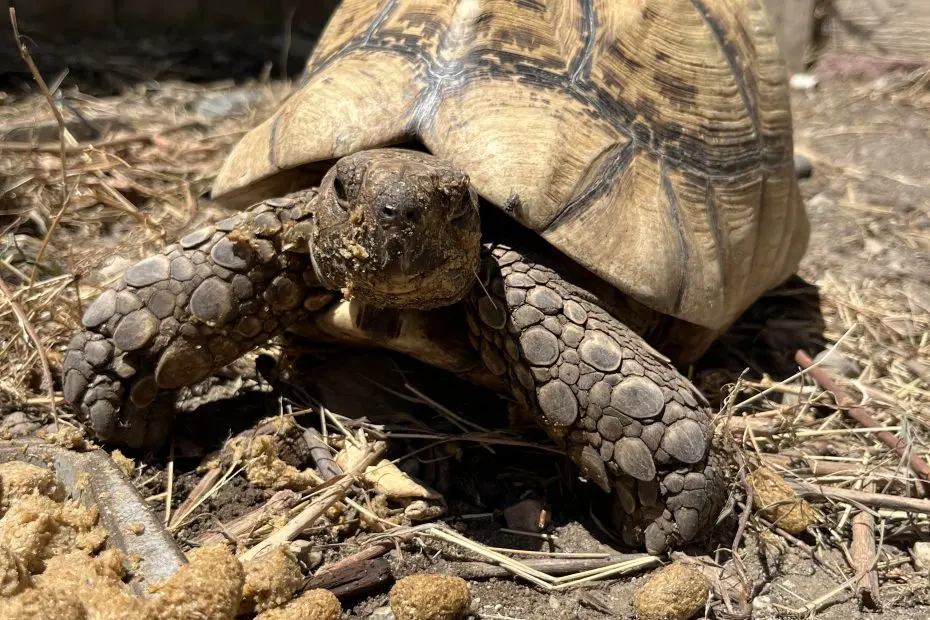
- Hermann’s Tortoise: Typically live 50 to 90 years.
- Sulcata Tortoise: Generally survive 70 to 100 years.
- Russian Tortoise: Usually live 40 to 60 years.
These figures reflect optimal conditions in the wild or in expert-managed captivity. Environmental factors, diet, and medical care play a massive role in whether an individual reaches its full potential lifespan.
How to ensure a long life for pet tortoises
Providing a long, healthy life for a pet tortoise requires mimicking their natural environment as closely as possible. Proper nutrition and habitat maintenance are the two most critical pillars of care. Owners must be prepared to provide consistent, specialized attention for several decades to prevent common health issues.
- Research the specific dietary needs of your species, as some require high-fiber grasses while others need varied leafy greens.
- Install high-quality UVB lighting to facilitate calcium absorption and prevent metabolic bone disease.
- Maintain a consistent temperature gradient in the enclosure to allow the tortoise to regulate its body heat.
- Schedule annual checkups with an exotic animal veterinarian who specializes in reptiles.
- Provide a spacious, secure outdoor enclosure during warmer months to allow for natural grazing and sunlight exposure.
Common mistakes when caring for tortoises
The most frequent error owners make is failing to provide adequate space as the animal grows. Many tortoises, particularly popular species like the Sulcata, start as small, manageable hatchlings but can grow to weigh over 100 pounds. When owners fail to upgrade enclosures, the animal suffers from stunted growth, muscle atrophy, and severe stress, all of which significantly shorten their lifespan.
Another major mistake is improper nutrition, specifically the overfeeding of fruit or low-fiber vegetables. Many tortoises are herbivores evolved to eat dry, fibrous vegetation; feeding them sugar-rich produce can cause digestive blockages and pyramiding of the shell. Additionally, many owners neglect the importance of hydration. While they appear to live in dry environments, they require constant access to clean, shallow water for soaking and drinking to maintain kidney function and prevent dehydration.
What to consider before getting a tortoise
Adopting a tortoise is a significant life decision that often involves planning for the animal's future beyond your own. Because these reptiles can easily live for 80 years or more, they are often passed down through multiple generations of a family. Prospective owners must consider who will inherit the responsibility of care if they are no longer able to provide it themselves.
Financial planning is also a necessary step for responsible ownership. While the initial cost of a tortoise may seem reasonable, the long-term expenses for specialized lighting, high-quality feed, and veterinary care for exotic pets can be substantial. You should ensure that you have access to a qualified reptile veterinarian in your area before bringing an animal home. By treating the tortoise as a long-term family member rather than a temporary pet, you ensure that these magnificent creatures receive the care they need to thrive for their entire natural lifespan.
Key facts
- Most tortoise species live between 50 and 100 years, with some individuals exceeding 150 years.
- The giant tortoises of the Galápagos and Aldabra atolls are the longest-lived, often surpassing 150 years.
- Tortoises reach sexual maturity slowly, sometimes taking 10 to 20 years depending on the species.
- A tortoise’s age can be estimated by counting the growth rings on its scutes, though this becomes inaccurate as the shell wears down.
- Captive tortoises often live longer than wild counterparts due to consistent medical care, protection from predators, and a steady food supply.
- Avoid housing tortoises in small, dark indoor enclosures, as they require significant space and natural sunlight to maintain bone health and longevity.
The bottom line
Tortoises are renowned for their remarkable longevity, with many species living well beyond human lifespans. Their survival is dictated by slow metabolic rates, protected habitats, and species-specific biological traits. For owners, ensuring a long life requires a commitment to proper nutrition, adequate UVB light exposure, and spacious environments. By mimicking their natural ecological needs, you can help these resilient reptiles thrive for many decades to come.
People also ask
Do all tortoises live for over 100 years?
No, only certain giant species typically reach the century mark. Smaller species, such as the Russian tortoise, usually live between 40 and 50 years in captivity.
How can I tell how old my tortoise is?
You can count the growth rings on the shell's scutes, similar to rings on a tree. However, this method is unreliable for older tortoises because the rings smooth out over time due to natural wear.
What is the primary cause of premature death in pet tortoises?
Improper diet and metabolic bone disease are the most common killers. Feeding inappropriate vegetables or failing to provide adequate calcium and UVB lighting leads to irreversible health decline.
Can tortoises survive in cold climates?
Most tortoises are ectothermic and rely on external heat to regulate their metabolism. They cannot survive freezing temperatures and require heated indoor environments during winter months in temperate regions.
Does a tortoise's diet affect its lifespan?
Yes, a high-fiber, low-protein, and low-sugar diet is essential for long-term health. Overfeeding fruit or commercial pellets can cause shell deformities and organ failure, significantly shortening their life.
Is it true that tortoises stop growing after a certain age?
While growth slows significantly as they reach adulthood, many species continue to grow at a very slow rate throughout their entire lives. Giant species may continue to add mass for several decades.
This answer was created with the help of AI research tools and reference sources. Spotted an error? Let us know — we correct mistakes quickly. See our editorial policy.