Where do scorpions live?
Short answer
Scorpions inhabit every continent except Antarctica, thriving in diverse environments ranging from scorching deserts to tropical rainforests and high-altitude mountains. While they are most famously associated with arid regions, they occupy a wide variety of terrestrial habitats, including grasslands, caves, and even intertidal zones, provided they can find suitable shelter.

On this page
Where do scorpions live in the wild?
Scorpions are remarkably resilient arachnids that have adapted to nearly every terrestrial ecosystem on Earth. While popular culture often places them exclusively in sandy deserts, many species prefer more temperate climates. They are found in dense tropical forests, humid savannas, and rocky mountain slopes. Some species, such as those in the genus Euscorpius, are even found in cooler, mountainous regions of Europe, proving that extreme heat is not a biological requirement for their survival.
Their distribution is primarily limited by temperature and moisture availability rather than specific terrain. They avoid areas with permanent frost or extreme cold, which is why they are entirely absent from Antarctica. In regions with seasonal temperature drops, scorpions enter a state of dormancy, hiding deep within crevices or underground burrows to survive the winter months. Their ability to regulate their metabolism allows them to endure harsh conditions that would kill many other invertebrates.
How do scorpions choose their hiding spots?
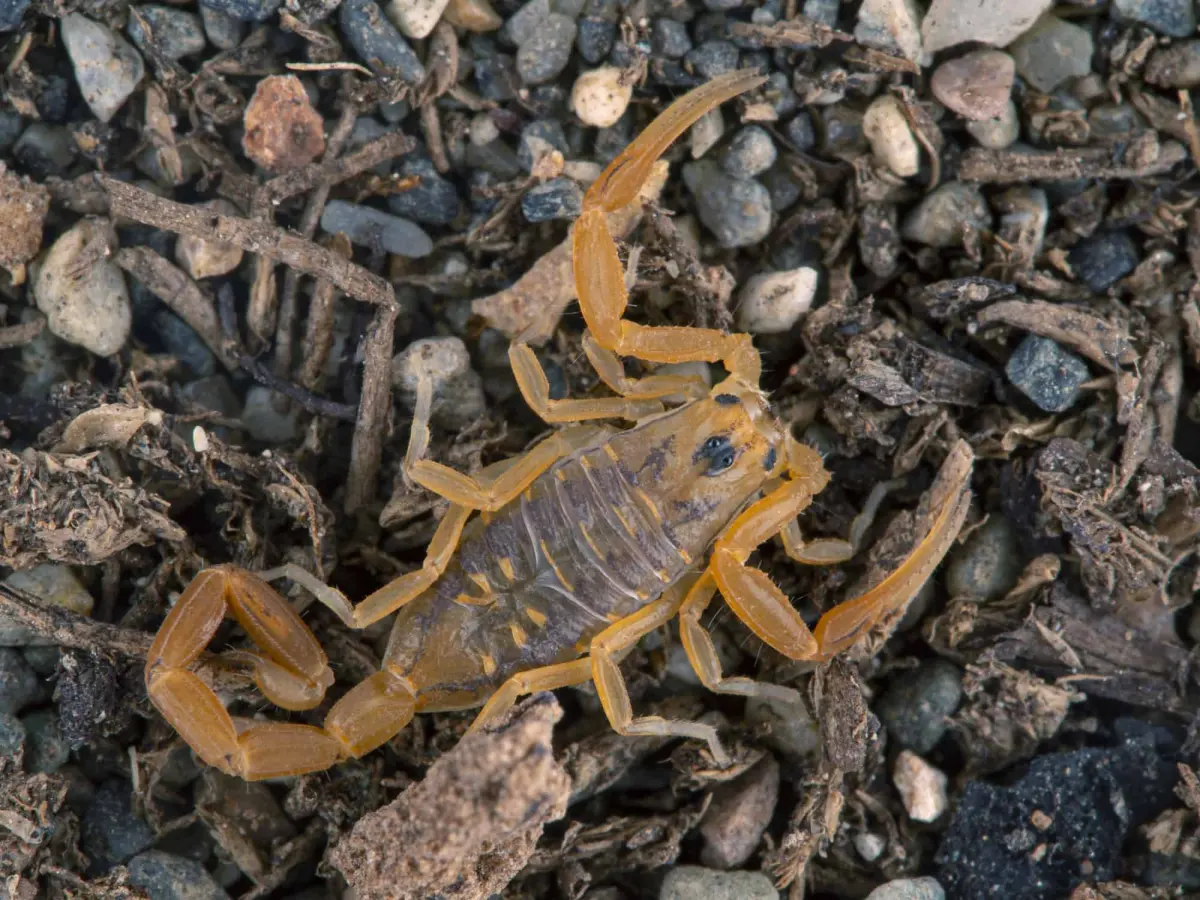
Scorpions are nocturnal and spend the vast majority of their lives hidden from view to avoid predators and conserve moisture. They are thigmotactic, meaning they prefer to be in physical contact with their surroundings, such as being pressed against the underside of a rock or log. This behavior provides them with a sense of security and helps them maintain a stable body temperature throughout the day.
When selecting a home, scorpions look for specific environmental indicators:
- High humidity levels to prevent desiccation.
- Protection from direct sunlight and extreme heat.
- Proximity to potential prey, such as insects or spiders.
- Structural stability, such as deep cracks or loose soil.
Because they are sensitive to vibrations, they often choose locations that allow them to feel the movement of approaching threats. If you are searching for them in the wild, you will most likely find them under debris, loose bark, or buried just beneath the surface of the soil.

Why do scorpions enter houses?
Scorpions often enter human dwellings by accident rather than by design. They are primarily searching for three things: water, shelter, and food. During periods of extreme drought or heavy rain, their natural habitats become inhospitable, forcing them to seek out the stable, climate-controlled environment of a home. Once inside, they gravitate toward areas that mimic their natural preferences, such as bathrooms, kitchens, or laundry rooms where moisture is abundant.
They can squeeze through incredibly small gaps due to their flattened body structure. Common entry points include:
- Gaps beneath exterior doors and thresholds.
- Unsealed cracks in foundations or exterior walls.
- Vents leading to crawl spaces or attics.
- Gaps around utility pipes and electrical conduits.
Once inside, they often hide in dark, undisturbed places like shoes, piles of clothing, or folded towels. They are not intentionally hunting humans; they are simply looking for a cool, dark place to wait out the daylight hours.
Common mistakes when trying to find scorpions
Many people attempt to find scorpions by digging up soil or overturning large rocks during the middle of the day. This is generally ineffective and can be dangerous, as it destroys the animal's habitat and may lead to accidental stings. Another common error is assuming that all scorpions are aggressive; in reality, most will attempt to flee rather than attack if they are disturbed in their hiding spot.
To safely observe scorpions in their natural environment, follow these guidelines:
- Use a handheld ultraviolet (UV) flashlight at night, as their exoskeletons contain fluorescent chemicals that glow bright blue-green under blacklight.
- Keep a safe distance and avoid touching them, as even "mild" species can deliver a painful sting.
- Wear sturdy leather gloves and closed-toe boots if you are moving debris or rocks in an area known for scorpion activity.
- Avoid placing your hands into dark holes or crevices where you cannot see the bottom.
How to manage scorpions around your home
If you live in an area with a high scorpion population, the most effective management strategy is to remove the conditions that attract them. You should focus on sealing the perimeter of your home and reducing the availability of prey. Since scorpions eat insects, controlling the local population of crickets, roaches, and spiders will naturally discourage scorpions from staying on your property.
Follow these steps to minimize encounters:
- Clear away woodpiles, rock stacks, and heavy brush from the immediate perimeter of your house.
- Install weather stripping on all exterior doors and ensure door sweeps are tight against the floor.
- Use silicone caulk to seal cracks in the foundation and gaps around pipes entering the home.
- Keep indoor areas clean and avoid leaving clothing or towels on the floor where they might provide a hiding spot.
By making your living space less hospitable to their needs, you can significantly reduce the likelihood of finding a scorpion inside your home. Consistency is key, as these arachnids are persistent and will exploit even the smallest structural weakness to find a suitable place to live.
Key facts
- Scorpions inhabit every continent except Antarctica.
- They are primarily nocturnal, hiding in burrows or under rocks during the day to conserve moisture.
- While associated with deserts, they also thrive in grasslands, savannas, rainforests, and caves.
- Most scorpions are solitary and only seek out others during the mating season.
- To avoid scorpions at home, seal cracks in foundations and clear debris like woodpiles from exterior walls.
- Always shake out shoes and boots left outside before wearing them to ensure a scorpion has not taken shelter inside.
The bottom line
Scorpions are incredibly resilient arachnids found in diverse climates across the globe, ranging from arid deserts to humid tropical forests. By understanding their preference for dark, sheltered environments, you can effectively minimize encounters in your own home. While most species pose little threat to humans, always exercise caution in their habitats and keep living spaces clear of debris to discourage these nocturnal creatures from settling nearby.
People also ask
Are all scorpions venomous to humans?
While all scorpions possess venom, only about 25 of the nearly 2,500 known species have venom potent enough to be lethal to humans. Most stings result in localized pain, swelling, and numbness similar to a bee sting.
Do scorpions glow in the dark?
Yes, scorpions contain fluorescent chemicals in their exoskeleton that glow a bright blue-green under ultraviolet light. Scientists use blacklights to locate them easily during nighttime field research.
How do scorpions survive in extreme heat?
Scorpions have a waxy, waterproof cuticle that prevents them from losing internal moisture to the dry air. They also possess a low metabolic rate, allowing them to survive for months without food.
Can scorpions live in my house?
Scorpions often enter homes seeking water or shelter from extreme weather. They prefer dark, undisturbed areas like closets, bathrooms, or crawl spaces.
What should I do if I am stung by a scorpion?
Clean the area with soap and water and apply a cold compress to reduce swelling. Seek immediate medical attention if the victim is a child, an elderly person, or if they experience difficulty breathing or muscle twitching.
How long do scorpions live?
Depending on the species and environmental conditions, scorpions typically live between three and eight years in the wild. Some species have been known to live up to 15 years in captivity.
This answer was created with the help of AI research tools and reference sources. Spotted an error? Let us know — we correct mistakes quickly. See our editorial policy.