What is Taipei known for?
Short answer
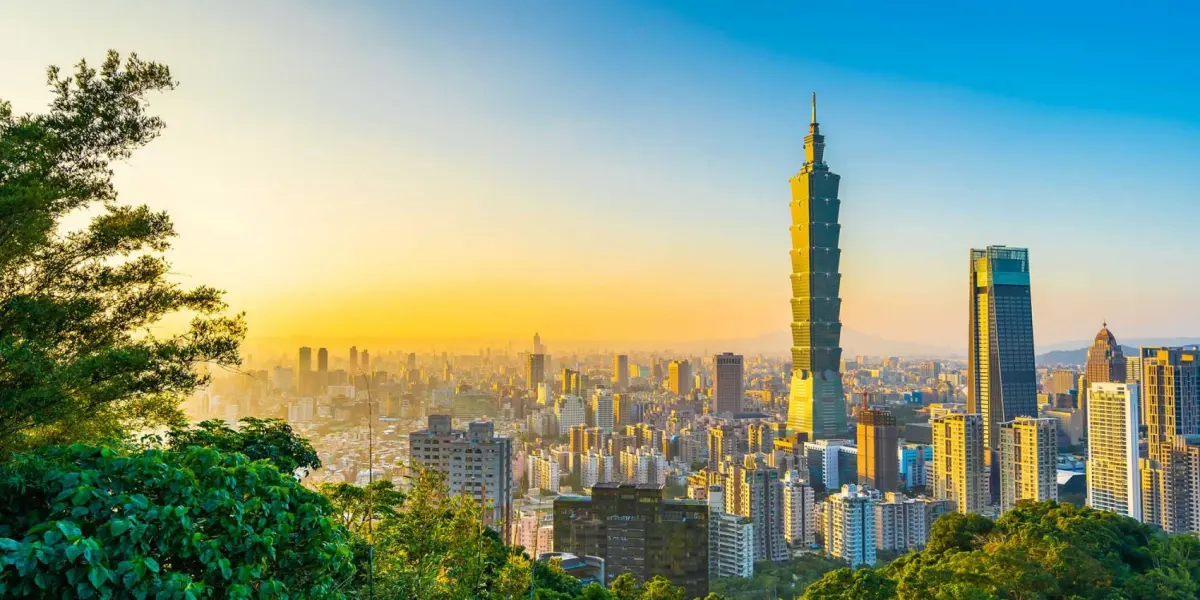
Taipei is the vibrant capital of Taiwan, renowned for its fusion of traditional Chinese culture and modern technological innovation. It is famous for the iconic Taipei 101 skyscraper, an expansive night market culture featuring world-class street food, high-tech industry districts, and accessible mountain hiking trails located just minutes from the urban center.
On this page
What is Taipei best known for?
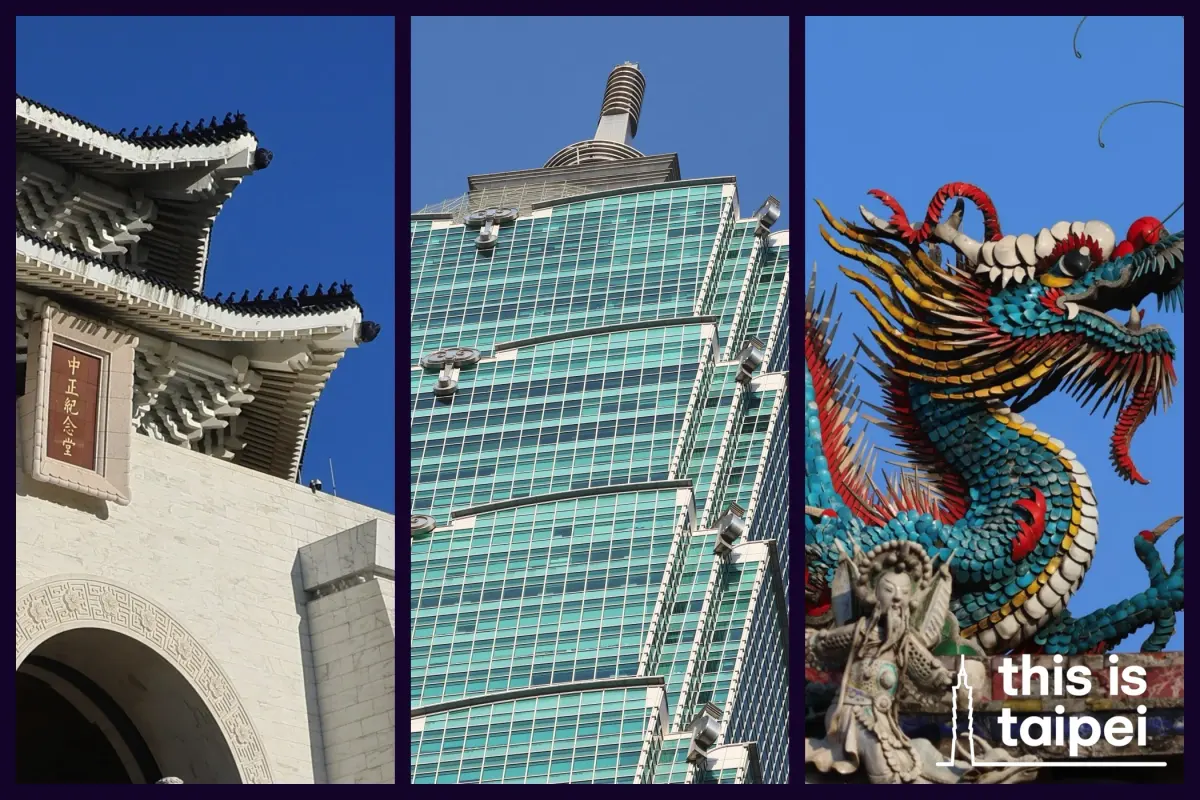
Taipei is globally recognized as a center for high-tech manufacturing and a hub for East Asian culture. The city’s skyline is dominated by Taipei 101, which held the title of the world's tallest building from 2004 to 2010. Its design mimics a bamboo stalk, symbolizing resilience and growth. Beyond architecture, the city is a culinary capital, famous for its diverse night markets like Shilin and Raohe.
The city also serves as the heart of Taiwan’s democratic society and historical preservation. The National Palace Museum houses one of the world's largest collections of ancient Chinese artifacts, spanning nearly 8,000 years of history. Taipei’s unique identity is defined by its ability to blend rapid modernization with deep-rooted traditions, such as the numerous temples that sit comfortably alongside glass-and-steel skyscrapers.
Best places to visit in Taipei for beginners
For those new to the city, navigating the major landmarks is straightforward due to the efficient Taipei Metro system. Start your journey at the Xinyi District to see the modern side of the city, then transition to the historic Wanhua District to visit the centuries-old Longshan Temple. This contrast perfectly encapsulates the city's character.
To make the most of your trip, consider these essential stops:
- Taipei 101: Visit the observatory for a panoramic view of the basin.
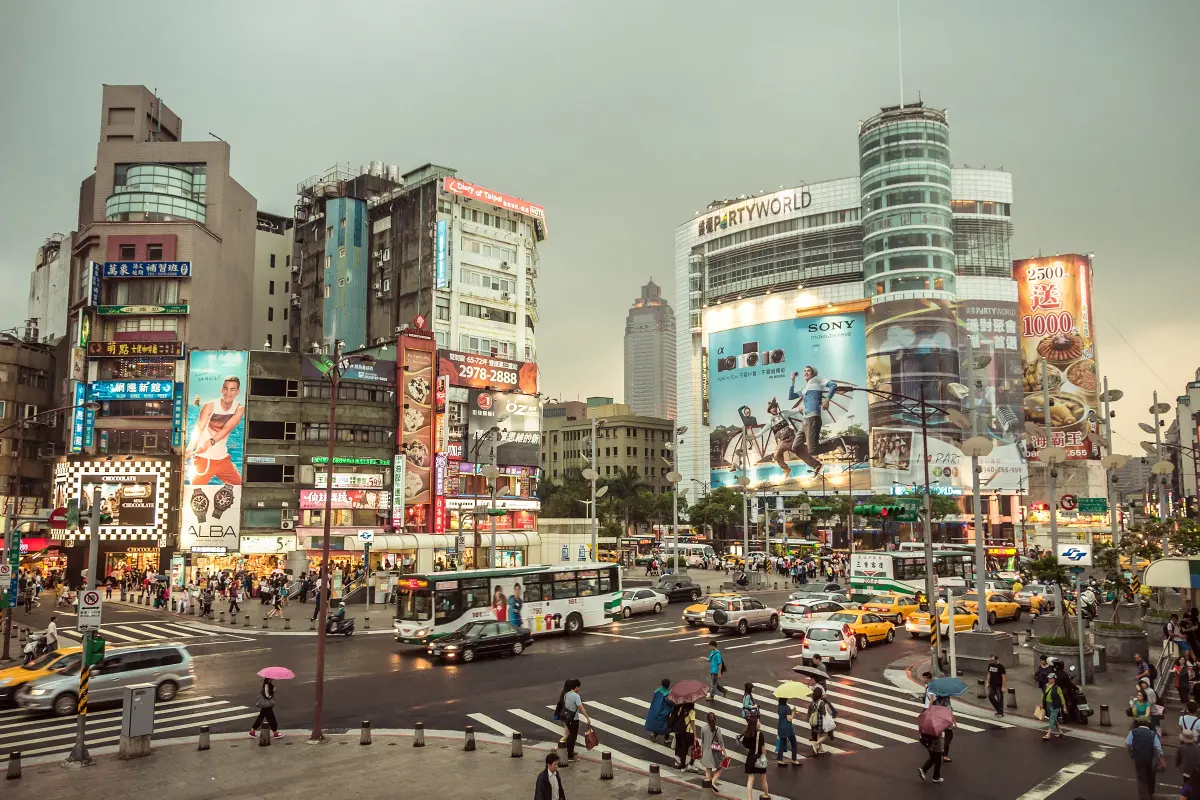
- Shilin Night Market: Sample local delicacies like oyster omelets and stinky tofu.
- National Palace Museum: Dedicate at least half a day to see the imperial treasures.
- Chiang Kai-shek Memorial Hall: Observe the hourly changing of the guard ceremony.
- Elephant Mountain: Hike the short, steep trail for the best photo of the city skyline.
How to navigate Taipei like a local
The Taipei Metro, or MRT, is the most reliable way to get around. It is clean, safe, and covers almost every major tourist destination. Purchase an EasyCard at any station or convenience store; this rechargeable card works for the metro, buses, and even small purchases at shops like 7-Eleven or FamilyMart.
When using public transit, keep these tips in mind:
- Stand on the right side of the escalator to allow others to pass on the left.
- Avoid eating or drinking inside metro stations or on trains to comply with local regulations.
- Use the "YouBike" public bicycle system for short distances, which is integrated with your EasyCard.
- Download a transit app to track real-time bus arrivals, as bus routes can be complex for newcomers.
- Always have your EasyCard ready at the gate to ensure smooth entry and exit during rush hours.
Common mistakes when visiting Taipei
One common error is underestimating the humidity and summer heat. Between June and September, temperatures frequently exceed 30°C (86°F) with high humidity levels. Travelers often forget to carry a portable fan or stay hydrated, leading to exhaustion. Always carry a reusable water bottle, as many public spaces provide high-quality filtered water stations for free.
Another frequent mistake is assuming that all vendors accept credit cards. While major department stores and hotels are card-friendly, the city’s famous night markets and small local eateries are almost exclusively cash-based. Always keep a sufficient amount of New Taiwan Dollars (TWD) on hand. Additionally, do not rely solely on English signage in remote areas; while English is common in tourist zones, having a translation app or a basic map will prevent confusion in older neighborhoods.
Why Taipei is a top destination for food lovers
Taipei is arguably one of the best cities in the world for street food. The culinary scene is a melting pot of Fujian, Hakka, and Japanese influences, resulting in a unique flavor profile. Night markets are not just places to eat; they are social hubs where locals gather after work to enjoy affordable, high-quality snacks.
The city’s food culture is characterized by several key elements:
- Diversity: You can find everything from Michelin-starred beef noodle soup to traditional scallion pancakes.
- Accessibility: Most night markets open late, often until midnight or 1:00 AM, catering to the city’s active nightlife.
- Quality Control: Many markets have implemented strict hygiene standards, making street food safe for international visitors.
- Affordability: You can enjoy a full, multi-course meal of street snacks for less than the price of a standard lunch in many other major global cities.
- Tea Culture: Taipei is also famous for its tea houses, particularly in the Maokong area, where you can sample locally grown oolong tea while overlooking the city from the mountainside.
Key facts
- Taipei 101, once the world’s tallest building, features a massive 660-ton steel pendulum to stabilize it against typhoons and earthquakes.
- The city is famous for its vibrant night markets, such as Shilin and Raohe, which serve as the primary hubs for local street food culture.
- Public transportation is highly efficient; the Taipei Metro (MRT) carries over 2 million passengers daily and is known for its cleanliness and punctuality.
- National Palace Museum houses one of the world's largest collections of ancient Chinese imperial artifacts, spanning over 8,000 years of history.
- Use an EasyCard for all local transit and convenience store purchases to avoid the hassle of carrying exact change for bus fares or small items.
- Avoid eating or drinking inside MRT stations or on trains, as this is strictly prohibited and carries a fine of up to 7,500 New Taiwan Dollars.
The bottom line
Taipei is a dynamic metropolis that seamlessly blends traditional East Asian heritage with modern technological advancement. From the towering heights of Taipei 101 to the bustling, aromatic stalls of its legendary night markets, the city offers a unique cultural experience. By utilizing the efficient public transit system and respecting local customs, visitors can easily navigate this safe, welcoming, and food-obsessed capital city all year round.
People also ask
Is Taipei a safe city for solo travelers?
Taipei is consistently ranked as one of the safest cities in the world for travelers. Violent crime is extremely rare, and the city is well-lit and populated even late at night.
What is the best time of year to visit Taipei?
The best time to visit is from October to December when the weather is mild and dry. Avoid the summer months of June through August, which are characterized by intense heat, humidity, and the peak typhoon season.
Do I need to speak Mandarin to get around?
While Mandarin is the official language, English is widely spoken in hotels, major tourist attractions, and by younger residents. Most signage in public transport and major districts is bilingual.
What are the must-try foods in Taipei?
You should try beef noodle soup, stinky tofu, scallion pancakes, and bubble tea. For dessert, pineapple cakes are the most iconic local snack and make for a perfect gift.
How do I get from Taoyuan International Airport to the city center?
The Taoyuan Airport MRT is the fastest option, taking about 35 to 50 minutes to reach Taipei Main Station. Alternatively, taxis are available 24/7 but are significantly more expensive than the rail system.
Is tipping expected in Taipei?
Tipping is not part of the local culture in Taiwan. You do not need to tip at restaurants, for taxi drivers, or for hotel staff, as service charges are typically included in the bill.
This answer was created with the help of AI research tools and reference sources. Spotted an error? Let us know — we correct mistakes quickly. See our editorial policy.
![18 Important Things To Know Before Visiting Buenos Aires [2026 Update]](/img/ac/what-is-buenos-aires-known-for-1.webp)