What is Buenos Aires known for?
Short answer
Buenos Aires is globally renowned for its passionate tango culture, European-inspired architecture, and vibrant culinary scene centered on world-class beef. As the capital of Argentina, it serves as a cultural hub defined by its literary heritage, eclectic neighborhoods like La Boca and Palermo, and a sophisticated, late-night social lifestyle.
![18 Important Things To Know Before Visiting Buenos Aires [2026 Update]](/img/ac/what-is-buenos-aires-known-for-1.webp)
On this page
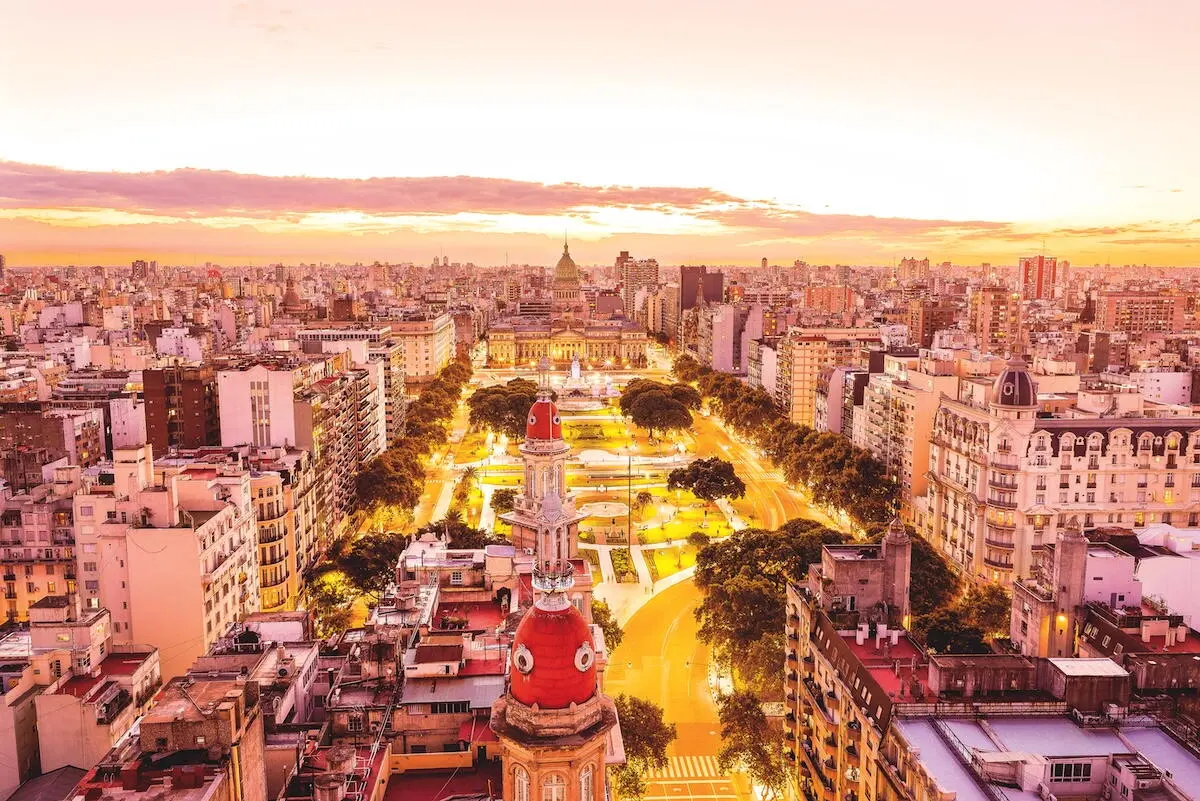
Why is Buenos Aires called the Paris of South America?
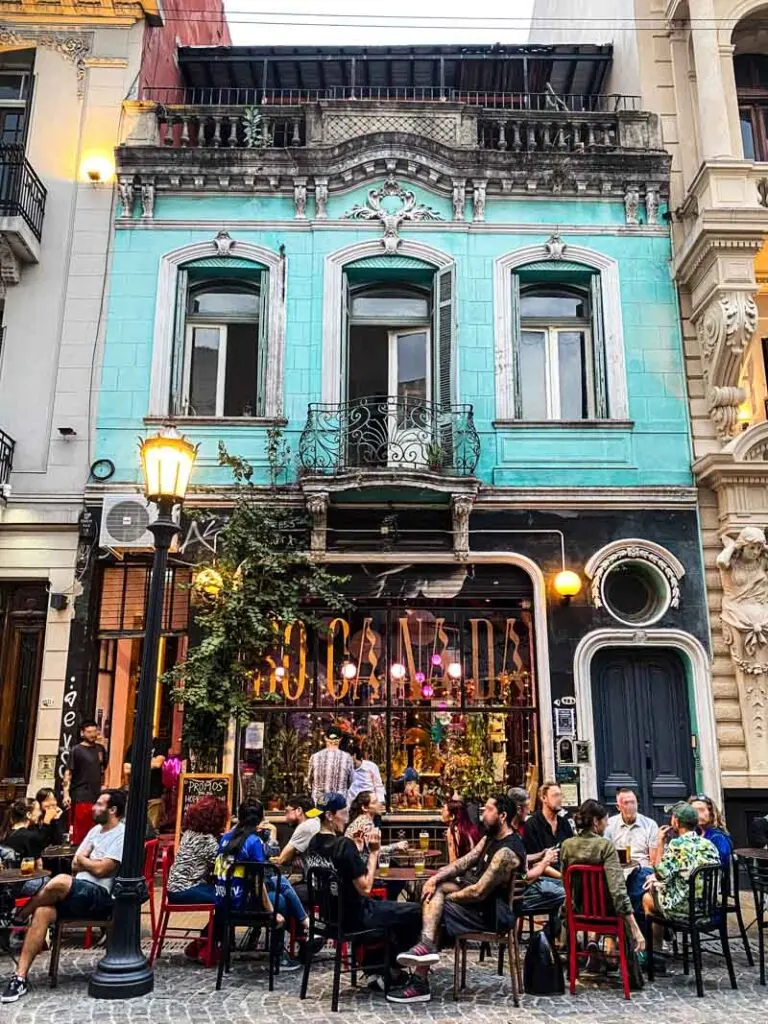
The city earned this nickname due to its grand 19th-century architecture, wide boulevards, and emphasis on public plazas. Much of the urban planning was heavily influenced by French designers who sought to transform the city into a cosmopolitan capital. You will notice the Beaux-Arts, Art Nouveau, and Neoclassical styles prominently displayed throughout neighborhoods like Recoleta and Retiro.
These districts feature ornate facades, mansard roofs, and intricate stone carvings that mirror the aesthetic of European metropolises. The city also maintains a deep appreciation for café culture, where residents spend hours discussing politics, literature, and sports. This leisurely pace of life, combined with the presence of expansive green spaces like the Bosques de Palermo, reinforces the comparison. While the city retains a distinctly Latin American soul, its visual identity remains a testament to the heavy European immigration waves that shaped its development between 1880 and 1930.
What are the best neighborhoods for tourists to visit?
Buenos Aires is composed of diverse "barrios," each offering a unique atmosphere. Travelers often find that focusing on a few key areas allows for a more immersive experience without the stress of constant transit.
- Recoleta: Famous for its opulent cemetery, where Eva Perón is buried, and its high-end boutiques.
- Palermo: The largest district, split into Soho and Hollywood, known for trendy bars, street art, and fashion.
- San Telmo: The oldest neighborhood, characterized by cobblestone streets, colonial architecture, and a famous Sunday antiques market.
- La Boca: Home to the colorful Caminito street and the iconic Boca Juniors football stadium.
When exploring these areas, prioritize walking to appreciate the architectural details. San Telmo is best visited on Sundays for the bustling street fair, while Palermo is ideal for evening dining and nightlife. Avoid wandering into unfamiliar, non-tourist areas after dark, particularly in the outer fringes of the city, to ensure your personal safety.
How to experience authentic Argentine tango?
Tango is the heartbeat of Buenos Aires, originating in the working-class ports of the late 19th century. To experience it authentically, you should distinguish between "milongas"—the social dance halls—and the more theatrical stage shows designed for tourists.
- Research local milongas online, as many host classes for beginners in the early evening.
- Observe the "cabeceo," a traditional non-verbal invitation to dance involving a subtle glance and nod.
- Dress in smart-casual attire, as many local venues maintain a respectful, semi-formal atmosphere.
- Listen to the music of Astor Piazzolla or Carlos Gardel to understand the emotional depth of the genre.
Avoid the high-priced dinner-and-show packages if you want a genuine experience. Instead, visit a traditional milonga like Salon Canning or La Catedral. These venues offer a raw, unscripted look at how locals express their passion for the dance, often lasting well into the early hours of the morning.
Common mistakes when eating out in Buenos Aires
Dining in Buenos Aires is a late-night affair, with most restaurants not opening for dinner until 8:00 PM or later. A common mistake is attempting to eat dinner at 6:00 PM, when most kitchens are closed or only serving light snacks.
- Do not ask for your steak "well-done" unless you want to offend the chef; "a punto" (medium) is the standard.
- Avoid tipping excessively; a 10 percent tip is customary and considered generous in most restaurants.
- Remember that bread is almost always brought to the table automatically, but it is rarely free of charge.
- Try the local wine, specifically Malbec, which is widely considered the best in the world for its price point.
The city is famous for its "parrillas," or steakhouses. Look for places where the grill is visible and the smoke is thick, as these indicate high turnover and fresh meat. Always pace yourself, as the portions are typically large enough to share between two people.
How to navigate the city like a local?
Public transportation is the most efficient way to see the city. The Subte, or subway system, is the oldest in Latin America and connects most major tourist hubs. To use it, you must purchase a SUBE card, which is a reloadable plastic card required for all buses and trains.
- Purchase your SUBE card at any "kiosco" or subway station immediately upon arrival.
- Use apps like Google Maps or Moovit to track bus routes, which are often more comprehensive than the subway.
- Avoid taking unmarked street taxis; use ride-sharing apps or call radio taxis through your hotel to ensure safety.
- Walk across the Avenida 9 de Julio, the widest avenue in the world, to see the iconic Obelisco monument.
Be cautious of your belongings in crowded areas like the Florida pedestrian street or on the subway during rush hour. Pickpocketing can occur in high-traffic zones, so keep your bags in front of you at all times. By staying aware of your surroundings and using official transport, you will navigate the city with confidence and ease.
Key facts
- Buenos Aires is the capital of Argentina and is famously known as the "Paris of South America" due to its European-style architecture and wide boulevards.
- The city is the birthplace of tango, a passionate dance and musical genre that originated in the working-class neighborhoods of La Boca and San Telmo in the late 19th century.
- The Teatro Colón, inaugurated in 1908, is consistently ranked among the world's best opera houses for its exceptional acoustics and grand neoclassical design.
- Argentina’s culinary culture centers on the asado, a traditional barbecue; visitors should aim to dine at a parrilla to experience high-quality grass-fed beef.
- The Recoleta Cemetery is a major landmark housing the tomb of Eva Perón; it is an elaborate "city of the dead" featuring over 4,600 marble mausoleums.
- When visiting, avoid the common mistake of dining before 9:00 PM, as most locals do not eat dinner until late in the evening.
The bottom line
Buenos Aires is a vibrant, sophisticated metropolis that seamlessly blends Latin American passion with European elegance. From the rhythmic intensity of tango halls to the legendary culinary mastery of its steakhouses, the city offers a sensory-rich experience. Whether you are exploring historical cemeteries or enjoying the late-night café culture, Buenos Aires rewards travelers who embrace its unique pace and deep-rooted cultural heritage.
People also ask
Is it safe for tourists to walk around Buenos Aires?
Buenos Aires is generally safe for tourists, but petty crime like pickpocketing is common in crowded areas like the San Telmo market or on public buses. Always keep your bag in front of you and avoid displaying expensive jewelry or electronics in public.
What is the best time of year to visit?
The best time to visit is during the spring (September to November) or autumn (March to May) when temperatures are mild and pleasant. Summers can be very hot and humid, while winters are cool but rarely freezing.
Do I need to speak Spanish to get around?
While many people in the tourism and hospitality sectors speak English, learning basic Spanish phrases will significantly improve your experience. Most locals appreciate the effort, and it is helpful for navigating menus and public transportation.
How should I handle tipping in restaurants?
Tipping is customary in Argentina, and it is standard to leave about 10% of the total bill in cash. Even if you pay by credit card, it is best to carry small bills to leave a tip directly for the server.
What is the most efficient way to travel within the city?
The Subte, or subway system, is the fastest and most cost-effective way to navigate the city. You will need to purchase a SUBE card at a kiosk or station to pay for your fares on the subway and bus network.
Is Buenos Aires an expensive city to visit?
Due to Argentina's fluctuating economy and currency exchange rates, the cost of living for tourists can vary significantly. Using the "blue dollar" exchange rate often makes the city feel quite affordable for travelers holding foreign currency.
This answer was created with the help of AI research tools and reference sources. Spotted an error? Let us know — we correct mistakes quickly. See our editorial policy.