What is Argentina known for?
Short answer
Argentina is globally renowned for its profound passion for football, the sultry rhythms of tango, and its world-class beef production. Spanning diverse landscapes from the Andes Mountains to the sprawling Pampas, the nation offers a unique cultural fusion of European influences and Latin American traditions, making it a premier South American destination.
On this page
Why is Argentina famous for tango?
Tango originated in the late 19th century within the working-class neighborhoods of Buenos Aires and Montevideo. It emerged as a melting pot of African, European, and indigenous influences, eventually evolving from a marginalized dance into a sophisticated art form recognized by UNESCO. Today, it serves as the cultural heartbeat of the capital, attracting thousands of visitors who wish to experience its intense emotional expression and technical precision.
If you are visiting Buenos Aires, you can experience tango in two distinct ways: the formal "tango show" or the authentic "milonga." Shows are staged performances designed for tourists, often featuring elaborate costumes and professional choreography. In contrast, milongas are social dance halls where locals gather to dance for pleasure. To truly appreciate the culture, seek out a traditional milonga in neighborhoods like San Telmo or Almagro.
- Wear comfortable shoes, as dancing sessions can last until the early morning hours.
- Observe the "cabeceo," a traditional non-verbal invitation to dance using only eye contact.
- Avoid interrupting dancers on the floor; wait for the "tanda," a set of three to four songs, to end before approaching someone.
How to enjoy authentic Argentine beef?
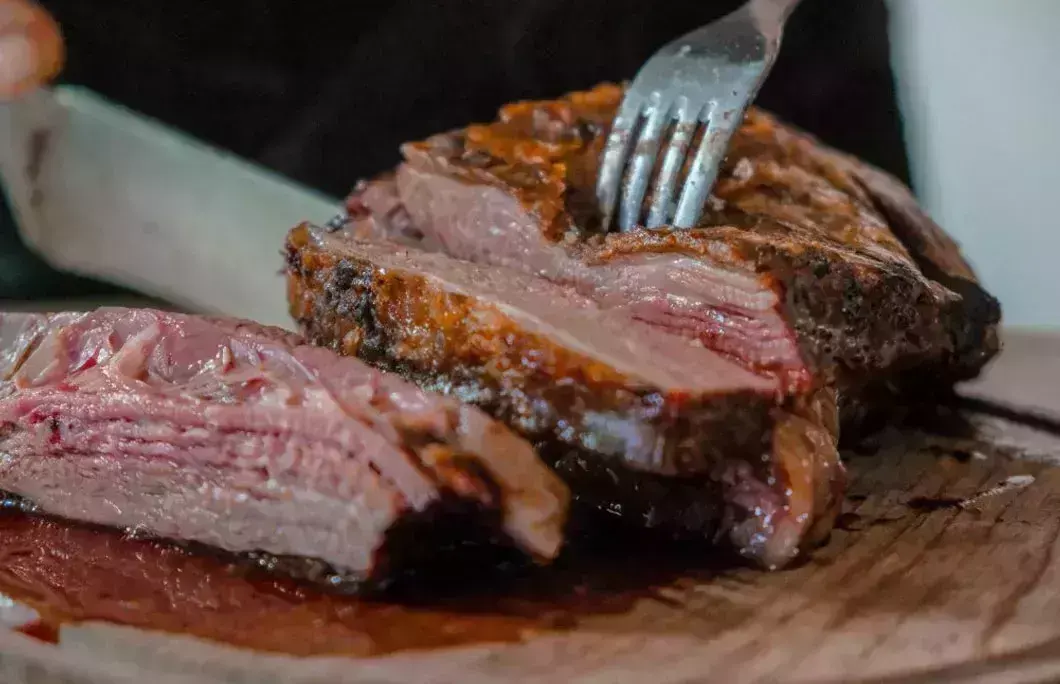
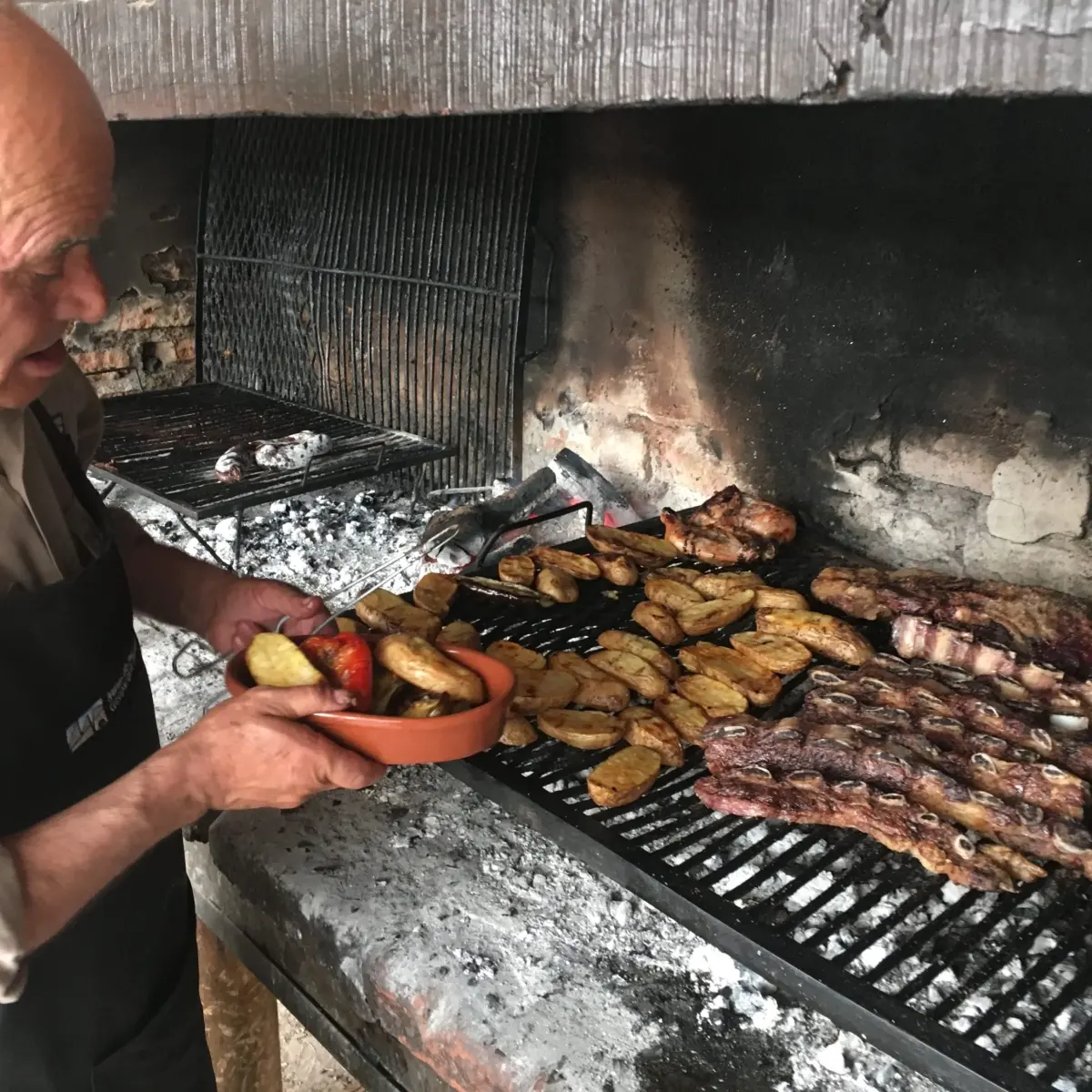
Argentina consistently ranks among the world’s top consumers and producers of beef. The cattle are primarily grass-fed on the vast, fertile plains known as the Pampas, which imparts a distinct, rich flavor to the meat. The national culinary institution is the "asado," a traditional barbecue method that involves slow-cooking various cuts of meat over an open flame or embers.
When dining at a "parrilla" (steakhouse), it is essential to understand the local cuts. The "bife de chorizo" is the classic sirloin strip, while "ojo de bife" is the ribeye. For a more adventurous experience, try "achuras," which are offal cuts like sweetbreads or intestines, typically served as an appetizer. Always pair your meal with a glass of Malbec, the signature red wine of the Mendoza region, which complements the savory profile of the beef perfectly.
- Order your steak "jugoso" (medium-rare) to ensure the meat remains tender and flavorful.
- Request a side of "chimichurri," a piquant herb sauce made with parsley, garlic, vinegar, and chili flakes.
- Avoid asking for well-done meat, as the high heat required to achieve this often ruins the quality of the premium grass-fed cuts.

Best places to visit in Argentina for nature lovers?
The country’s geography is incredibly diverse, stretching from the subtropical north to the subantarctic south. The most iconic natural landmark is the Iguazú Falls, a massive system of 275 waterfalls located on the border with Brazil. These falls are taller and twice as wide as Niagara Falls, offering breathtaking views from various catwalks that bring visitors directly over the roaring cascades of the Devil’s Throat.
Further south, the Patagonia region offers a starkly different landscape defined by glaciers, jagged mountain peaks, and turquoise lakes. Los Glaciares National Park is home to the Perito Moreno Glacier, one of the few glaciers in the world that is still advancing. Visitors can hike on the ice or take boat tours to witness massive chunks of ice calving into the water. This region is a paradise for trekkers, particularly around the town of El Chaltén, known as the trekking capital of Argentina.
- Visit Iguazú in the spring or autumn to avoid the extreme heat and humidity of the summer months.
- Pack layers for Patagonia, as weather conditions can shift from sunshine to snow within a single hour.
- Respect local wildlife, such as penguins in Punta Tombo or whales in Puerto Madryn, by keeping a safe distance.
Common mistakes when planning an Argentina trip?
Travelers often underestimate the sheer size of the country, which is the eighth largest in the world. Attempting to visit both the northern falls and the southern glaciers in a single week is physically exhausting and expensive. Domestic flights are the most efficient way to cover these vast distances, but they can be subject to delays or cancellations, so build flexibility into your itinerary.
Another frequent error is ignoring the local schedule. Argentines typically eat dinner very late, with restaurants rarely filling up before 9:00 PM. Arriving at a restaurant at 6:00 PM will often result in finding the doors locked or the kitchen closed. Additionally, be aware of the "blue dollar" exchange rate, an informal market rate that often differs significantly from the official bank rate. Always research the current financial situation before arriving to ensure you get the best value for your currency.
- Do not rely solely on credit cards in rural areas; keep physical cash for small purchases and tips.
- Avoid drinking tap water in remote areas; stick to bottled or filtered water to prevent stomach issues.
- Do not assume everyone speaks English; learning basic Spanish phrases will significantly improve your interactions with locals.
Why is football so important in Argentina?
Football is more than a sport in Argentina; it is a fundamental pillar of national identity. The country has won three FIFA World Cup titles, in 1978, 1986, and 2022, cementing its status as a global powerhouse. Legendary players like Diego Maradona and Lionel Messi are revered as national icons, with murals and statues dedicated to them appearing in almost every city across the country.
The intensity of the local league, particularly the "Superclásico" between Boca Juniors and River Plate, is legendary. These matches are considered among the most passionate sporting events on the planet. If you have the opportunity to attend a game, prepare for a sensory overload of chanting, singing, and pyrotechnics. The atmosphere inside the stadiums, such as the iconic "La Bombonera," is electric and provides a window into the deep-seated communal spirit that defines modern Argentine society.
Key facts
- Argentina is the world's eighth-largest country by land area, covering over 2.78 million square kilometers.
- The country is the birthplace of the tango, a passionate dance that originated in the working-class neighborhoods of Buenos Aires in the late 19th century.
- Argentina is a global leader in beef production, with the average citizen consuming approximately 45 to 50 kilograms of beef annually.
- The Andes Mountains, located along the western border, contain Aconcagua, the highest peak in both the Western and Southern Hemispheres at 6,961 meters.
- When visiting, avoid tipping at casual cafes; however, in sit-down restaurants, it is customary to leave a 10 percent tip in cash.
- Always remember that dinner in Argentina typically begins late, often between 9:00 PM and 10:30 PM, so plan your evening meals accordingly.
The bottom line
Argentina offers a compelling blend of European-influenced architecture, vast natural beauty, and a deeply rooted cultural identity. From the vibrant streets of Buenos Aires to the dramatic glaciers of Patagonia, the country provides diverse experiences for travelers. By respecting local dining customs, understanding the nuances of the regional economy, and embracing the social tradition of mate, visitors can fully immerse themselves in this unique South American nation.
People also ask
Is Spanish the only language spoken in Argentina?
While Spanish is the official language, Argentina is linguistically diverse due to historical immigration. You will encounter Italian influences in the local dialect, known as Rioplatense Spanish, and various indigenous languages like Quechua and Mapudungun are still spoken in specific regions.
What is the significance of yerba mate?
Yerba mate is a traditional herbal tea that serves as a vital social ritual in Argentina. It is prepared by steeping dried leaves in hot water and drinking it through a metal straw called a bombilla from a hollowed-out gourd.
Do I need a visa to visit Argentina?
Citizens of many countries, including the United States, Canada, and the European Union, do not require a visa for tourism stays of up to 90 days. Always verify your specific nationality's requirements with the nearest Argentine consulate before booking your travel.
What is the best time of year to visit?
The best time depends on your destination, but generally, spring (September to November) and autumn (March to May) offer the most pleasant temperatures. If you plan to visit Patagonia, aim for the summer months of December through February to ensure mountain trails are accessible.
Is Argentina considered an expensive destination?
Argentina's affordability fluctuates significantly due to its complex economic history and inflation rates. Tourists often find that using foreign currency or international credit cards provides better value than local currency, but prices can vary wildly between luxury services and local markets.
What is the currency used in Argentina?
The official currency is the Argentine peso. Because of frequent economic volatility, it is highly recommended to monitor exchange rates closely and carry US dollars in cash to exchange at authorized locations or use official digital payment methods.
This answer was created with the help of AI research tools and reference sources. Spotted an error? Let us know — we correct mistakes quickly. See our editorial policy.