What should you wear in Vancouver?
Short answer
Dress in layers to accommodate Vancouver’s famously unpredictable, rainy maritime climate. Prioritize a high-quality, waterproof shell jacket and comfortable, moisture-wicking fabrics. Avoid heavy cotton, which stays wet, and bulky winter coats unless visiting during the coldest months of December through February. Versatile, casual clothing is the standard for almost every local setting.
On this page
How to dress for Vancouver weather
Vancouver experiences a temperate oceanic climate characterized by frequent rainfall, particularly from October through April. Because the city rarely experiences extreme freezing temperatures, you do not need heavy alpine gear. Instead, focus on a "three-layer" system: a base layer of synthetic or merino wool, a middle insulating layer like a fleece or sweater, and a breathable, waterproof outer shell. This modular approach allows you to adapt quickly when the sun breaks through the clouds or a sudden drizzle begins.
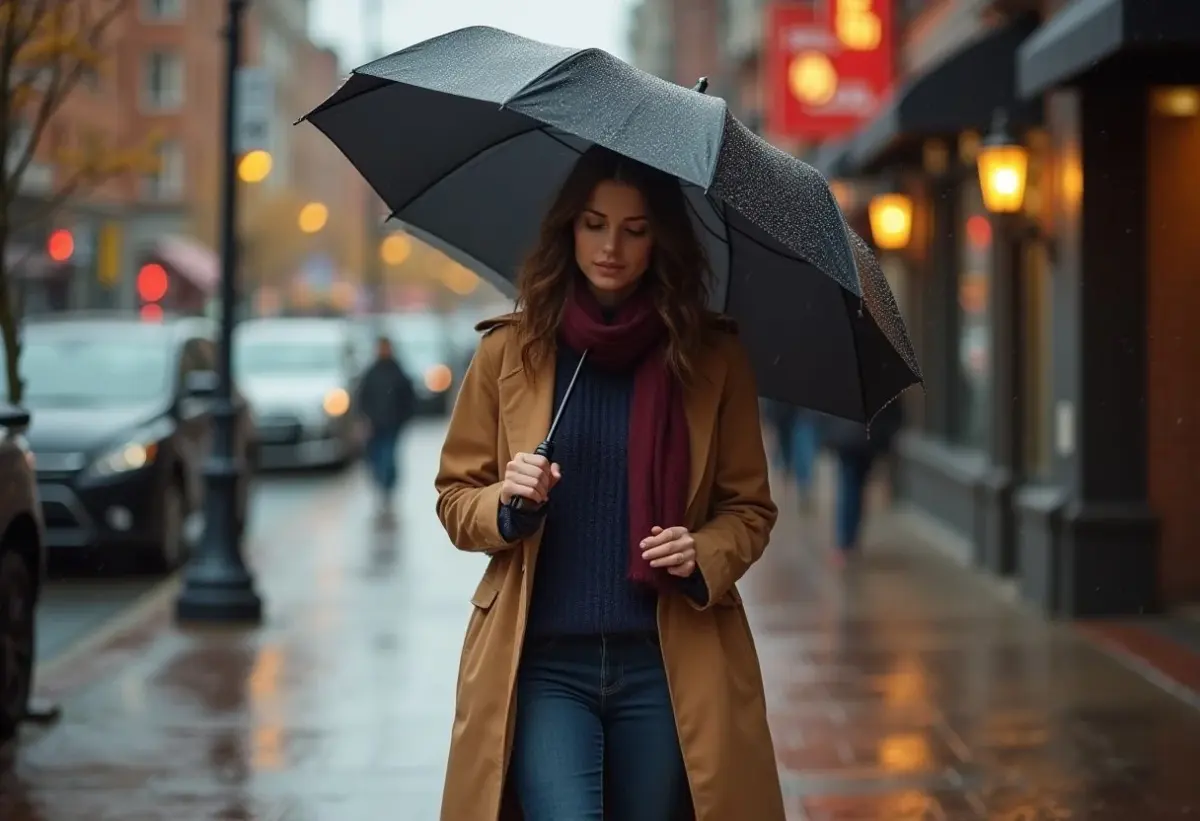
Many visitors make the mistake of bringing umbrellas, which are often cumbersome in the city’s narrow streets and windy coastal areas. Locals generally prefer hooded, waterproof jackets that allow for hands-free movement. If you are planning to visit between May and September, you will enjoy milder, drier days where a light jacket or cardigan is sufficient for the evenings. Always keep a lightweight rain shell accessible in your bag, regardless of the season.
What footwear is best for Vancouver
Comfortable, water-resistant walking shoes are essential for navigating the city’s diverse terrain, which ranges from urban pavement to forest trails in Stanley Park. Because Vancouverites spend significant time outdoors, footwear often leans toward the practical and athletic. Leather boots or treated canvas shoes are excellent choices that bridge the gap between casual comfort and professional appearance. Ensure your shoes have good traction, as wet sidewalks and wooden boardwalks can become slippery during the rainy season.
- Choose waterproof or water-resistant materials to keep feet dry during light rain.
- Prioritize arch support if you plan to walk the Seawall, which spans nearly 10 kilometers.
- Avoid high heels or delicate suede shoes, as they are impractical for the city’s damp environment.
- Pack a pair of breathable sneakers for indoor activities or warmer summer days.
How to dress for Vancouver nightlife
Vancouver’s social scene is notably relaxed, even in upscale settings. You will rarely encounter strict dress codes, meaning you can comfortably transition from a daytime hike to a downtown dinner without changing your entire outfit. For men, a pair of dark jeans or chinos paired with a clean sweater or a button-down shirt is the standard. Women often opt for stylish jeans, ankle boots, and a versatile jacket or blazer. The "West Coast casual" aesthetic emphasizes comfort without sacrificing a polished look.
If you are attending a high-end gala, a professional conference, or a fine-dining experience at a top-tier restaurant, you may want to elevate your attire slightly. However, even in these instances, a sharp blazer or a simple cocktail dress is usually the upper limit of formality. Avoid wearing overly formal suits or heavy evening gowns unless you are specifically attending a black-tie event. When in doubt, lean toward smart-casual, as it is the most widely accepted dress code across the city.
Common mistakes when packing for Vancouver
One of the most frequent errors travelers make is packing too much heavy winter clothing. Unless you are heading to the local mountains—Grouse, Cypress, or Seymour—for skiing or snowboarding, you will likely find a heavy parka to be stifling and inconvenient. Another common oversight is failing to account for the humidity. Even when temperatures seem moderate, the damp air can make the cold feel more penetrating. Relying on layers rather than one heavy coat prevents you from overheating when moving between outdoor spaces and heated indoor venues.
- Do not pack exclusively cotton clothing, as it absorbs moisture and takes a long time to dry.
- Avoid bringing white shoes, as they will quickly become stained by wet city streets and mud.
- Do not forget a light scarf or a beanie, which are useful accessories for the breezy coastal air.
- Avoid over-packing; Vancouver has excellent shopping districts like Robson Street if you find you are missing a specific item.
Best accessories for Vancouver travelers
Beyond your primary clothing, a few strategic accessories will significantly improve your comfort. A small, water-resistant daypack is ideal for carrying your extra layers, a reusable water bottle, and a portable battery bank. Because the city is highly walkable, you will likely be on your feet for several hours at a time. A pair of high-quality sunglasses is also essential, as the glare off the water in Burrard Inlet can be surprisingly bright, even on days that feel overcast.
- Bring a compact, foldable rain poncho for emergencies if you are prone to getting cold.
- Carry a small microfiber towel to wipe off damp benches or seats before sitting down outside.
- Use a crossbody bag to keep your valuables secure while navigating busy public transit or crowded tourist areas.
- Pack a pair of thin, moisture-wicking socks to prevent blisters during long days of urban exploration.
By following these guidelines, you will be well-prepared for the unique climate and the relaxed, functional fashion culture that defines Vancouver. Whether you are visiting for a business trip or a scenic vacation, prioritizing versatility ensures you remain comfortable and stylish throughout your stay.
Key facts
- Vancouver experiences high rainfall from October to April, making a high-quality, breathable waterproof jacket essential.
- The "onion principle" of dressing in layers is the most effective way to manage the city's fluctuating daily temperatures.
- Umbrellas are common, but many locals prefer hooded rain shells to navigate busy sidewalks and windy coastal conditions.
- Comfortable, water-resistant walking shoes are necessary for exploring the city's extensive urban parks and seawall paths.
- Casual attire is the standard in Vancouver; formal wear is rarely required unless attending upscale dining or specific professional events.
- Sunglasses are a year-round necessity due to the intense glare reflecting off the surrounding mountains and the Pacific Ocean.
The bottom line
The secret to dressing for Vancouver is prioritizing versatility and weather protection. By embracing the local preference for breathable layers and waterproof outerwear, you can comfortably transition from urban sightseeing to outdoor adventures. Focus on high-quality, water-resistant pieces that allow for easy adjustment throughout the day. Ultimately, keeping your wardrobe functional, casual, and ready for sudden rain will ensure you remain comfortable regardless of the forecast.
People also ask
Do I need a heavy winter parka in Vancouver?
Generally, no. Temperatures rarely drop significantly below freezing, so a medium-weight insulated coat or a shell with a warm fleece layer is usually sufficient for the winter months.
Is it acceptable to wear athletic wear to restaurants?
Yes, Vancouver has a very relaxed culture often called "West Coast casual." High-end athletic gear, such as Lululemon, is widely accepted in most casual and mid-range dining establishments.
Should I bring formal clothing for a trip to Vancouver?
You only need formal attire if you have specific plans for a gala, a wedding, or a high-end business meeting. Most venues, including the theater and fine dining, prioritize comfort over strict dress codes.
What is the best footwear for a rainy day in the city?
Waterproof Chelsea boots or sturdy sneakers with a rubber sole are ideal. Avoid suede or canvas shoes, as they will quickly soak through during the frequent autumn and winter showers.
How do I dress for a day trip to the North Shore mountains?
Temperatures are significantly cooler at higher elevations, even in summer. Always pack an extra wool sweater or a lightweight down jacket if you plan to visit Grouse Mountain or Cypress Mountain.
Are there any fashion "don'ts" in Vancouver?
Avoid wearing clothes that are strictly for extreme weather, like heavy-duty mountaineering boots, unless you are actually hiking. Also, avoid over-dressing, as it can make you stand out as a tourist in the city’s laid-back environment.
This answer was created with the help of AI research tools and reference sources. Spotted an error? Let us know — we correct mistakes quickly. See our editorial policy.