What is the weather like in Vancouver?
Short answer
Vancouver features a temperate oceanic climate characterized by mild, damp winters and pleasant, dry summers. While often associated with frequent rain, the city experiences significant seasonal variation. Average high temperatures range from 6°C in January to 22°C in July, making it a comfortable destination for outdoor activities throughout the year.

On this page
What is the weather like in Vancouver throughout the year?
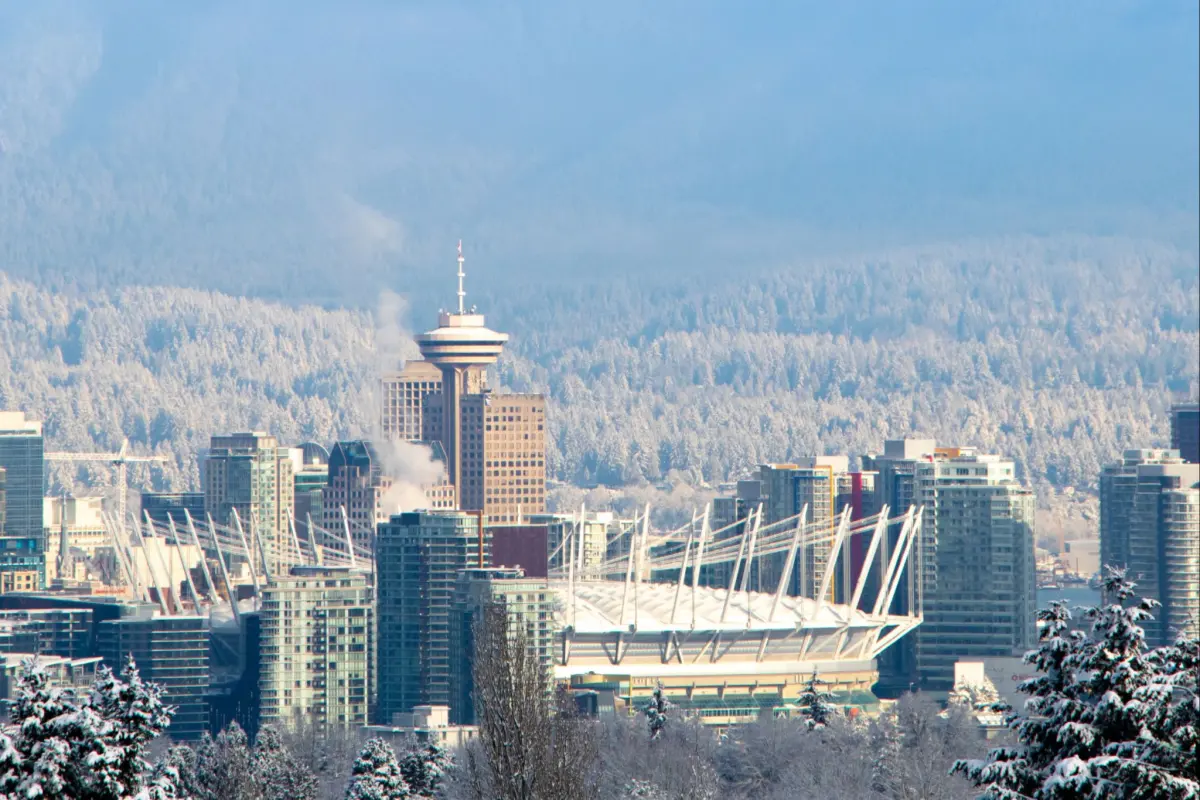
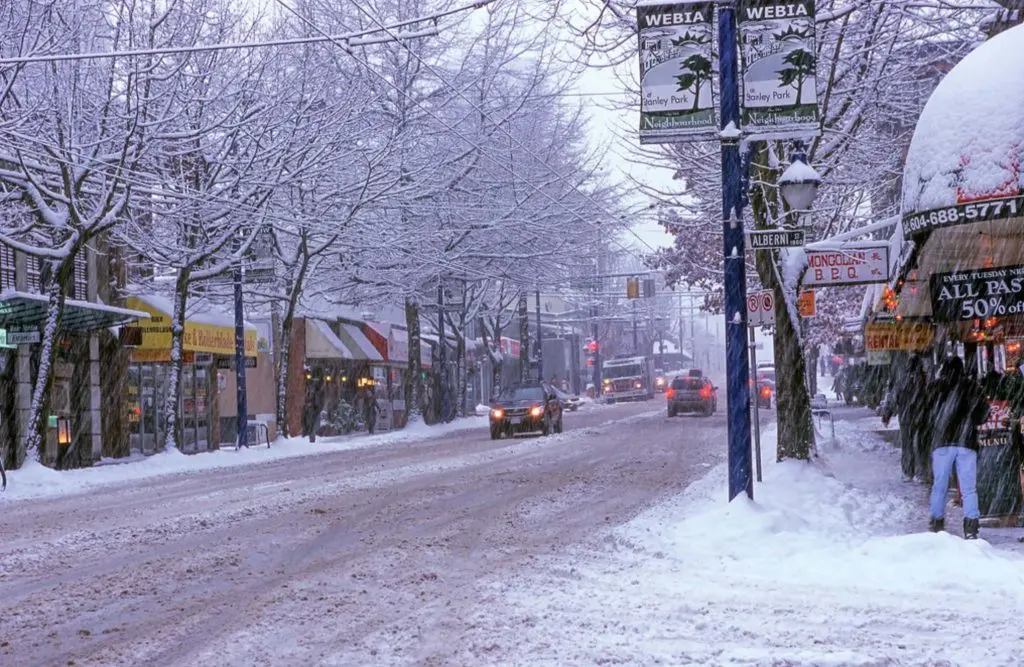
Vancouver experiences four distinct seasons, though the transition between them is often subtle. The city is situated within a temperate rainforest zone, which explains its reputation for consistent precipitation. Winters are generally cool and wet, with most rainfall occurring between November and March. Snowfall is relatively rare in the city center, though it occurs frequently on the nearby North Shore Mountains, providing excellent conditions for local winter sports enthusiasts.
Spring begins in March, bringing blooming cherry blossoms and increasingly mild temperatures. Summer, spanning from June to August, is the driest and sunniest period, with temperatures rarely reaching extreme heat. Autumn returns in October with cooler air and higher rainfall totals. Because of the moderating influence of the Pacific Ocean, the city rarely experiences the extreme temperature fluctuations found in other parts of Canada.
Why does it rain so much in Vancouver?
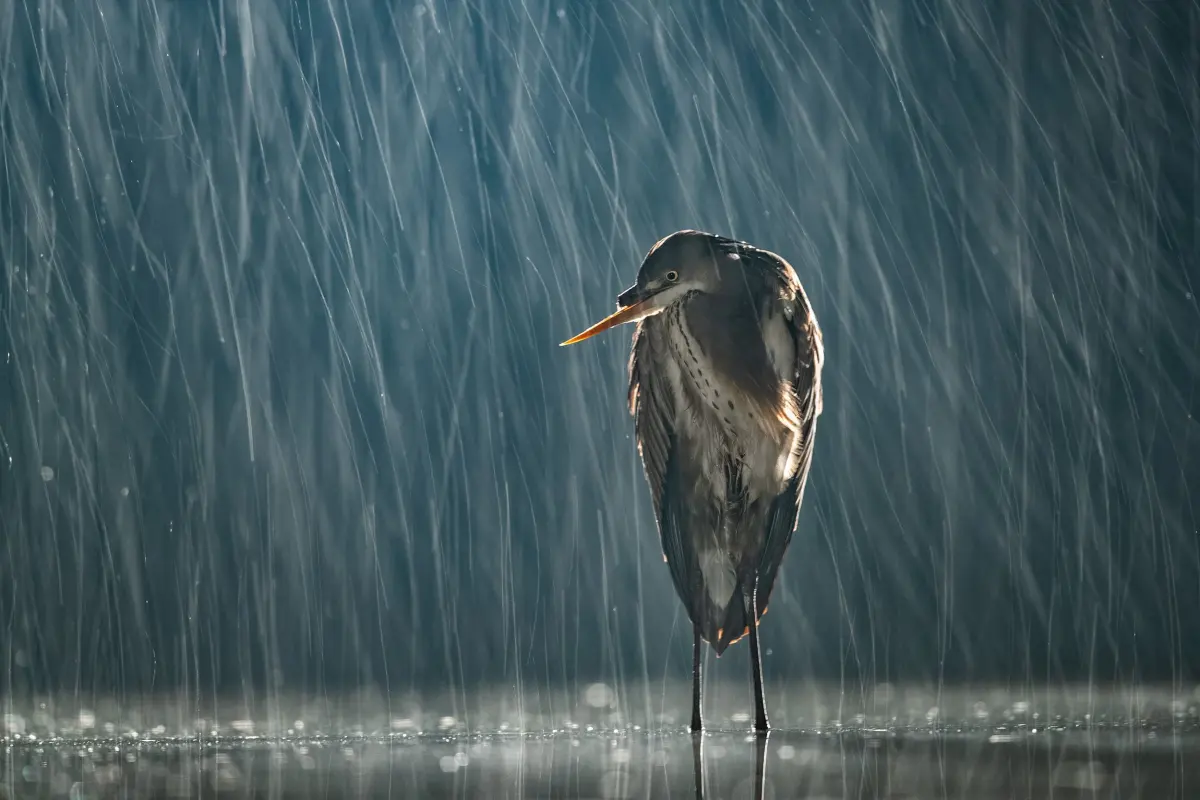
The city’s high precipitation levels are primarily caused by its unique geography. Moist air masses from the Pacific Ocean move inland and are forced upward by the North Shore Mountains, a process known as orographic lift. As this air rises, it cools and condenses, resulting in frequent cloud cover and steady rain. This phenomenon is most pronounced during the winter months when low-pressure systems are more active.
Despite the frequent rain, Vancouverites rarely experience heavy thunderstorms or severe weather events. The rain is typically a light, persistent drizzle rather than a torrential downpour. Residents have adapted to this climate by embracing outdoor activities regardless of the conditions. The following list highlights the typical precipitation patterns:
- November to January: Heaviest rainfall period with frequent overcast days.
- February to April: Gradual decrease in rain and more frequent sunny intervals.
- May to September: The "dry season" with significantly lower precipitation levels.
- October: The onset of the wet season as temperatures begin to drop.
How to dress for Vancouver weather
Dressing for Vancouver requires a practical approach centered on layering. Because temperatures can fluctuate throughout the day, wearing multiple thin layers allows you to adjust to changing conditions easily. A high-quality, waterproof shell is the most essential item in any local wardrobe. Umbrellas are common, but many residents prefer hooded rain jackets because they offer better protection against the wind that often accompanies coastal storms.
When visiting, avoid bulky, non-breathable winter coats unless you plan to spend significant time in the mountains. Instead, focus on materials that wick moisture away from the body. Footwear should be comfortable and water-resistant, as city streets can remain damp for days. Follow these steps to ensure you are prepared for the local climate:
- Start with a moisture-wicking base layer to keep your skin dry.
- Add a mid-layer, such as a fleece or wool sweater, for insulation.
- Finish with a breathable, waterproof outer jacket to block wind and rain.
- Always wear sturdy, water-resistant shoes to navigate wet sidewalks comfortably.
Common mistakes when visiting Vancouver
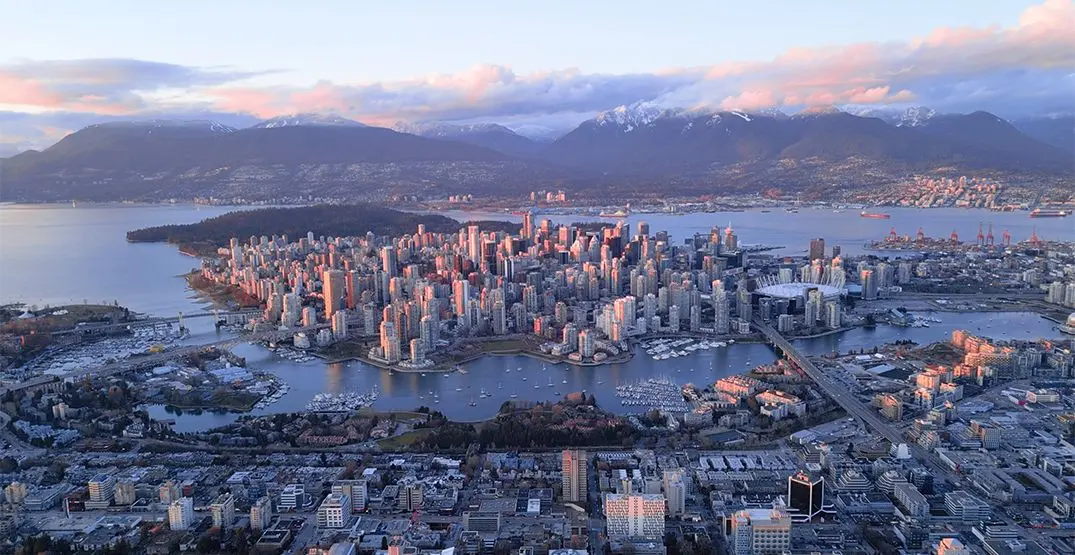
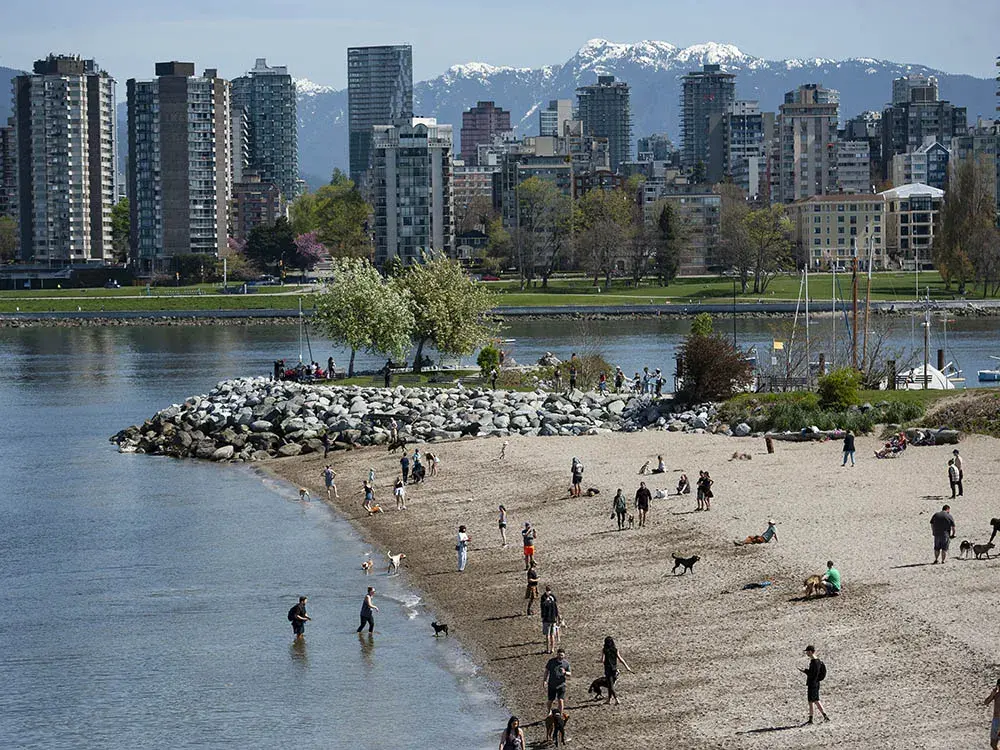
The most common mistake visitors make is assuming the weather will be identical across the entire region. Vancouver is surrounded by mountains and water, creating microclimates that can differ significantly within just a few kilometers. It might be sunny and warm in the downtown core while the North Shore mountains are experiencing heavy fog or rain. Always check local weather forecasts for the specific neighborhood or mountain range you intend to visit rather than relying on a general city forecast.
Another frequent error is underestimating the strength of the sun during the summer months. Even when temperatures feel mild, the UV index can be high, leading to sunburns for those unprepared. Additionally, many travelers arrive expecting a tropical climate because of the lush greenery, only to find the Pacific waters quite cold. If you plan on swimming, be aware that the ocean temperature rarely exceeds 18°C, even in the height of August.
Best time of year to visit Vancouver
The ideal time to visit depends largely on your preferred activities. If you are interested in hiking, cycling, or exploring the city’s many parks, the period between June and September offers the best weather. During these months, you can expect long, sunny days with minimal rain, perfect for visiting Stanley Park or taking a ferry to the nearby Gulf Islands. This is the peak tourist season, so expect larger crowds and higher prices for accommodations.
For those who prefer winter sports, the best time to visit is between January and March. This window offers the most reliable snowpack on the local mountains, such as Cypress, Grouse, and Seymour. Even if you do not ski, the winter months provide a cozy atmosphere in the city, with fewer crowds and lower travel costs. Regardless of when you choose to arrive, the city’s natural beauty remains a constant, provided you are prepared for the occasional rain shower.
Key facts
- Vancouver experiences a temperate oceanic climate, characterized by mild winters and cool, pleasant summers.
- Rainfall is most frequent between October and April, with November often being the wettest month of the year.
- Average daily high temperatures range from 6°C (43°F) in January to 22°C (72°F) in July and August.
- Snowfall is relatively rare in the city center, usually occurring only a few days per year.
- Always carry a waterproof jacket or umbrella, as sudden light rain showers are common throughout the year.
- Wear layers to adapt quickly to temperature fluctuations caused by the cooling influence of the Pacific Ocean.
The bottom line
Vancouver’s climate is defined by its mild, wet winters and comfortable, dry summers. While the city is famous for its frequent light rain, the weather is rarely extreme, making it a pleasant destination year-round. By packing versatile layers and high-quality waterproof outerwear, you can comfortably enjoy the city's coastal charm regardless of the season. Always check local forecasts before venturing into the nearby mountain ranges.
People also ask
Does it ever get extremely cold in Vancouver?
While temperatures rarely drop significantly below freezing, cold snaps can occur during winter months. It is uncommon for temperatures to remain below 0°C (32°F) for more than a few days at a time.
When is the best time of year to visit for sunny weather?
July and August are the sunniest and driest months, offering ideal conditions for outdoor activities. These months typically see the least amount of precipitation and the most consistent sunshine.
Is the weather in the mountains different from the city?
Yes, the nearby North Shore Mountains receive significantly more snow and lower temperatures than the downtown core. Visitors heading to local ski resorts should expect alpine conditions even if the city is experiencing mild rain.
How much rain does Vancouver actually get annually?
The city receives approximately 1,150 millimeters (45 inches) of precipitation per year. Much of this falls as a persistent, light drizzle rather than heavy, dramatic thunderstorms.
Do I need heavy winter gear for a winter trip?
Heavy parkas are usually unnecessary unless you plan on visiting the mountain peaks. A warm, water-resistant coat, a sweater, and comfortable waterproof footwear are sufficient for most urban activities.
Why is Vancouver often called "Rain City"?
The nickname stems from the frequent cloud cover and steady rainfall during the autumn and winter months. This maritime influence keeps the region lush and green year-round, despite the lack of direct sunlight in winter.
This answer was created with the help of AI research tools and reference sources. Spotted an error? Let us know — we correct mistakes quickly. See our editorial policy.