Which First Nations live in Vancouver?
Short answer
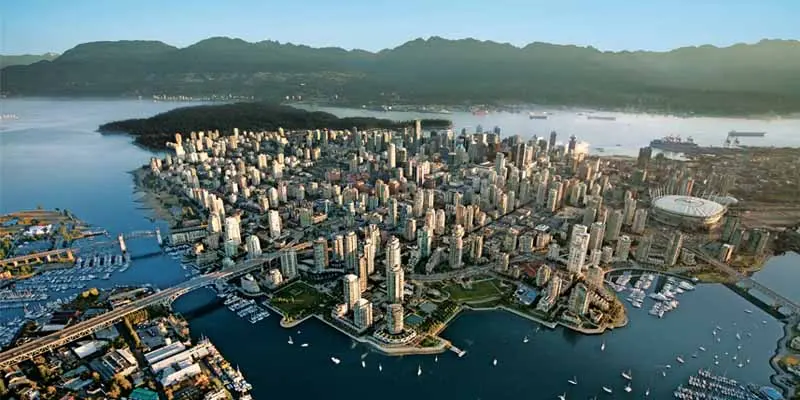
Vancouver is situated on the traditional, ancestral, and unceded territories of three Coast Salish nations: the Musqueam, Squamish, and Tsleil-Waututh. While these nations hold inherent rights and title to the land, their members live throughout the Greater Vancouver area, residing both in urban neighborhoods and on designated reserve lands.
On this page
Which First Nations are in Vancouver?
The city of Vancouver is located on the traditional and unceded territories of three specific Coast Salish peoples. These nations have stewarded the lands and waters of the Lower Mainland for thousands of years, long before the establishment of the colonial city. Understanding this geography is essential for recognizing the ongoing presence and governance of these Indigenous communities.
The three host nations are:
- The Musqueam (xʷməθkʷəy̓əm): Their name refers to the place of the flowering grass, historically centered near the mouth of the Fraser River.
- The Squamish (Sḵwx̱wú7mesh): Their territory encompasses the Howe Sound, Burrard Inlet, and the Squamish Valley.
- The Tsleil-Waututh (səlilwətaɬ): Known as the "People of the Inlet," their ancestral lands are primarily situated around the Burrard Inlet.
These nations maintain distinct governments, cultures, and languages. While they are often grouped together in civic protocols, each maintains its own sovereign identity and unique historical connection to the specific landscapes that now comprise the modern city of Vancouver.
Where do First Nations people live in Vancouver?
First Nations people in Vancouver do not live in a single, isolated area. Instead, they reside throughout the city, reflecting a diverse mix of urban living and connection to reserve lands. Many members of the Musqueam, Squamish, and Tsleil-Waututh nations live in standard residential neighborhoods, working and participating in the broader economy alongside other Vancouverites.
In addition to private residential areas, there are specific reserve lands held by these nations within the metropolitan region. These lands are legally distinct and are managed by the respective First Nations governments. Key areas include:
- The Musqueam Reserve (IR No. 2), located near the mouth of the Fraser River.
- The Capilano Reserve (IR No. 5), situated at the foot of the Lions Gate Bridge in West Vancouver.
- The Burrard Inlet Reserve (IR No. 3), located in North Vancouver.
It is important to note that "living in Vancouver" is a fluid concept. Many Indigenous people from other nations across Canada also live in Vancouver, drawn by the city’s economic opportunities, educational institutions, and diverse urban community.
How to learn about local First Nations culture?
Engaging with the history and living culture of the Musqueam, Squamish, and Tsleil-Waututh is a rewarding way to deepen your understanding of the region. The best way to start is by visiting cultural centers and public spaces that feature Indigenous art, history, and storytelling. These institutions provide authentic perspectives directly from the rights holders of the land.
Consider these steps for respectful engagement:
- Visit the Museum of Anthropology at UBC, which houses an extensive collection of Musqueam artifacts and contemporary works.
- Explore the Squamish Lil'wat Cultural Centre in Whistler, which offers guided tours and workshops on local traditions.
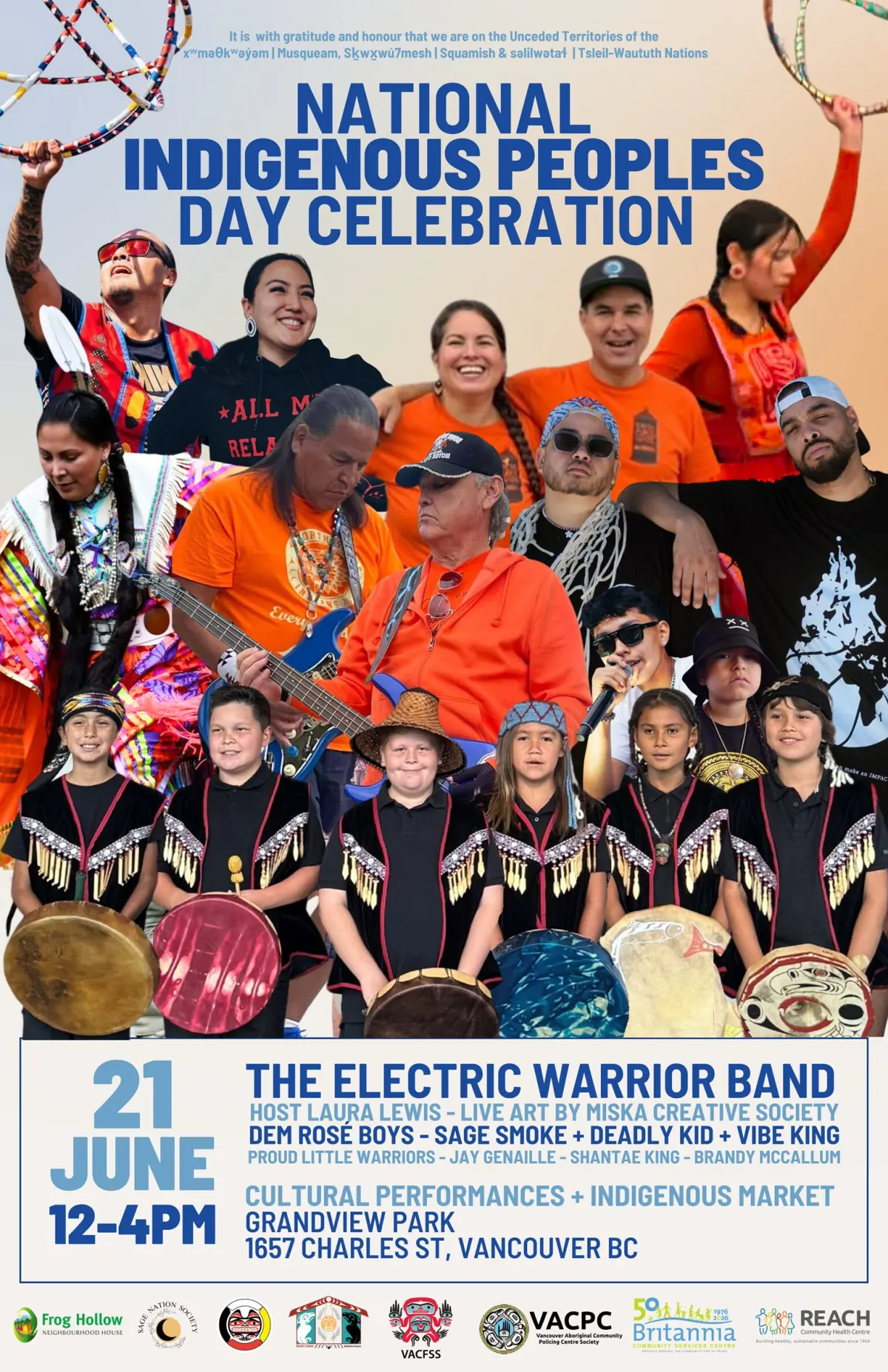
- Attend public events, such as National Day for Truth and Reconciliation ceremonies or local powwows, which are often open to the public.
When visiting these spaces, remember that you are a guest on their territory. Take the time to read the provided educational materials and listen to the oral histories shared by Indigenous guides. Avoid treating these cultural sites as mere tourist attractions; instead, view them as active centers of knowledge and community preservation.
What is the meaning of unceded territory?
When you hear the term "unceded territory," it refers to land that was never surrendered, signed away, or lost through a treaty with the British Crown or the Canadian government. The Musqueam, Squamish, and Tsleil-Waututh nations never entered into treaties to give up their land. Consequently, they maintain inherent rights and title to these territories under their own laws and traditions.
This legal and historical reality is why you will frequently hear land acknowledgments at the start of public meetings, school assemblies, and civic events. These statements are not just formalities; they are public recognitions of the ongoing relationship between the nations and the land. They serve as a reminder that the city of Vancouver is built upon a foundation of Indigenous sovereignty that remains relevant today. Recognizing this status is a crucial step toward reconciliation and acknowledging the historical injustices caused by colonial land policies.
Common mistakes when discussing First Nations?
Many people inadvertently make mistakes when discussing Indigenous history or contemporary issues. One common error is assuming that all First Nations people live on reserves or that they share a single, monolithic culture. In reality, there is immense diversity between the three host nations, and many Indigenous people live off-reserve in urban settings.
Avoid these common pitfalls:
- Using the term "Vancouver" as if it were a neutral, empty space before European settlement.
- Assuming that Indigenous history is a thing of the past, rather than a living, evolving culture.
- Confusing the three host nations with other Indigenous groups who may have moved to the city from different parts of Canada.
Always strive to use the correct names of the nations, such as xʷməθkʷəy̓əm for Musqueam, when possible. If you are unsure about a specific protocol or terminology, it is better to listen and learn from official communication channels provided by the nations themselves. By practicing patience and humility, you can engage with the local community in a way that is both respectful and genuinely informative.
Key facts
- Vancouver is located on the unceded traditional territories of the Musqueam, Squamish, and Tsleil-Waututh Nations.
- "Unceded" means these lands were never surrendered, signed away, or given up by the First Nations to the Crown.
- The Musqueam people have occupied the Fraser River estuary for thousands of years, with their main village located near the mouth of the river.
- The Squamish Nation’s traditional territory includes the Burrard Inlet, False Creek, and the Howe Sound area.
- The Tsleil-Waututh, known as the "People of the Inlet," have historically stewarded the lands and waters surrounding the Burrard Inlet.
- When visiting or researching, always check the official websites of these three nations to learn about their current protocols and cultural initiatives.
The bottom line
Vancouver sits entirely on the unceded traditional territories of the Musqueam, Squamish, and Tsleil-Waututh Nations. Understanding this reality is essential for anyone living in or visiting the city, as it highlights the ongoing relationship between the land and its original stewards. By respecting these territorial boundaries and supporting Indigenous-led initiatives, residents and visitors can engage more meaningfully with the rich, living history of the region.
People also ask
What does "unceded territory" mean in the context of Vancouver?
It signifies that the land was never legally ceded through treaties, war, or purchase by the Canadian government. The First Nations retain inherent rights and title to these lands that predate the formation of the province.
How can I respectfully acknowledge the land?
A land acknowledgement is a formal statement that recognizes the traditional Indigenous inhabitants of the area. To do this correctly, research the specific nation whose land you are on and speak with sincerity rather than reading from a generic script.
Are there other First Nations with interests in Vancouver?
While the Musqueam, Squamish, and Tsleil-Waututh are the primary nations of the city proper, other groups like the Kwikwetlem and Katzie have overlapping traditional interests in the broader Metro Vancouver region.
Where can I find information about local Indigenous art and culture?
The Bill Reid Gallery of Northwest Coast Art and the Museum of Anthropology at UBC are excellent places to start. These institutions work closely with local nations to curate exhibits that reflect authentic history and contemporary perspectives.
Is it appropriate to visit First Nations reserves?
Reserves are private communities and the homes of First Nations members. Do not enter these areas unless you have been invited or are visiting a business or cultural site that is explicitly open to the public.
What is the best way to support local First Nations businesses?
Look for businesses that are Indigenous-owned or operated, such as restaurants, galleries, or guided tour companies. Supporting these enterprises directly contributes to the economic self-determination of the Musqueam, Squamish, and Tsleil-Waututh people.
This answer was created with the help of AI research tools and reference sources. Spotted an error? Let us know — we correct mistakes quickly. See our editorial policy.