Are there bears in Vancouver?
Short answer
Yes, black bears are frequently found in and around Vancouver, British Columbia. While they rarely enter the densely populated downtown core, they are common in the forested areas of the North Shore mountains and regional parks. Residents and visitors should remain aware of their presence and follow established safety protocols.

On this page
Where do bears live in Vancouver?
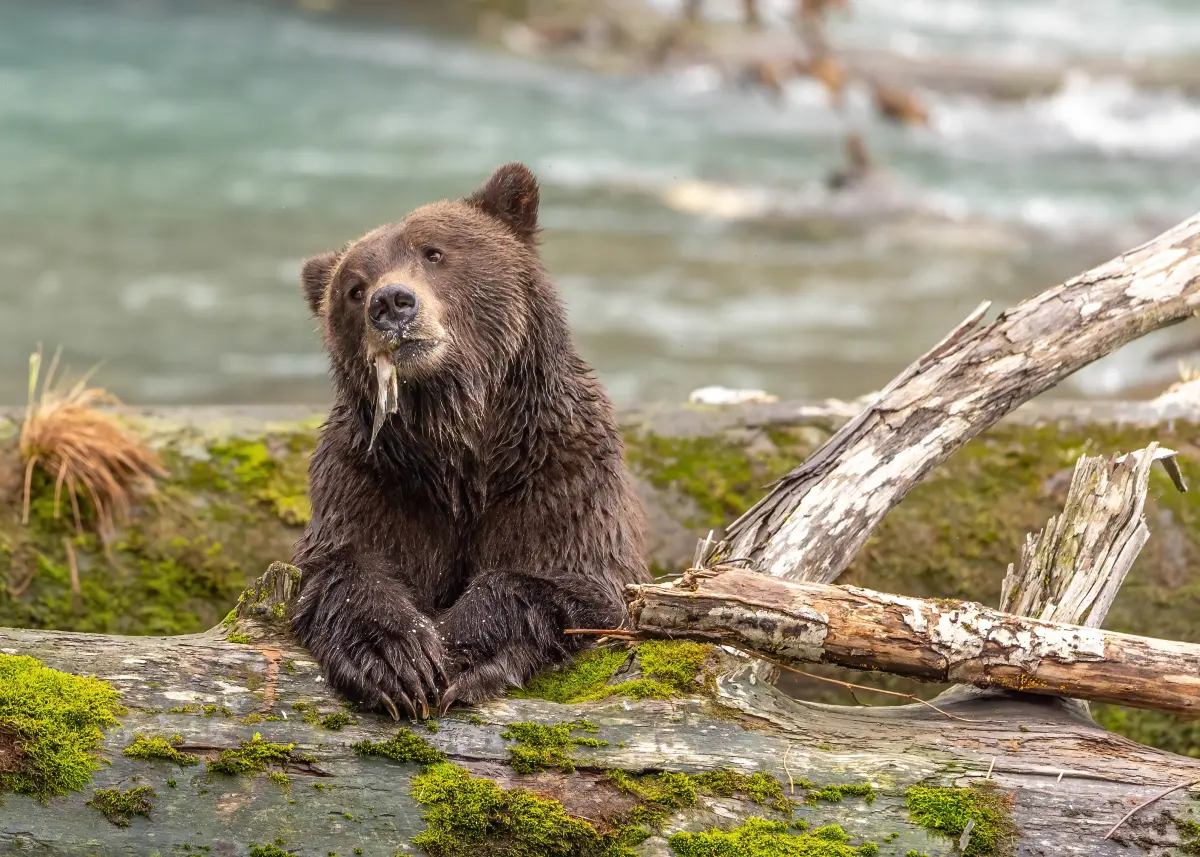
Black bears are indigenous to the temperate rainforests that surround the Vancouver metropolitan area. They are most commonly spotted in the mountainous regions of North Vancouver and West Vancouver, particularly near the slopes of Cypress, Grouse, and Seymour mountains. These bears thrive in the lush, green belts that connect the urban sprawl to the vast wilderness of the Coast Mountains.
While it is uncommon for a bear to wander into the downtown business district, sightings in residential neighborhoods bordering forested areas occur annually. Bears are opportunistic foragers, and they are often drawn into suburban backyards by the scent of accessible food sources. Understanding that the city is integrated into their natural habitat is the first step toward peaceful coexistence.
- Pacific Spirit Regional Park
- Stanley Park
- The North Shore mountains
- Capilano River Regional Park
Why do bears come into residential areas?
Bears typically venture into human-inhabited areas when they are searching for high-calorie food to prepare for their winter hibernation. In the spring, they look for fresh vegetation, while in the summer and autumn, they seek out berries and human-provided attractants. If a bear discovers that a residential area offers an easy meal, it may return repeatedly.
Common attractants include unsecured garbage bins, bird feeders, pet food left outdoors, and unpicked fruit trees. When bears become habituated to human food, they lose their natural fear of people, which often leads to dangerous interactions. Local authorities emphasize that human behavior is the primary driver behind bear activity in urban settings, as the animals are simply following their instincts to find sustenance.
- Secure all garbage bins with bear-resistant locks.
- Remove bird feeders during the spring and summer.
- Harvest fruit from trees as soon as it ripens.
- Keep pet food and compost bins inside a locked garage.
How to stay safe during a bear encounter
If you encounter a black bear while hiking or walking in a park, the most important rule is to remain calm and avoid running. Running can trigger a bear's predatory chase instinct, and you cannot outrun them. Instead, speak to the bear in a calm, firm voice while slowly backing away, keeping your eyes on the animal without making direct, aggressive eye contact.
If the bear is stationary, give it plenty of space to retreat and move in the opposite direction. If the bear approaches you, make yourself appear larger by raising your arms or opening your jacket. In the rare event of an attack, experts recommend fighting back with any available objects, as black bears are generally more likely to retreat if they perceive their prey as a threat.
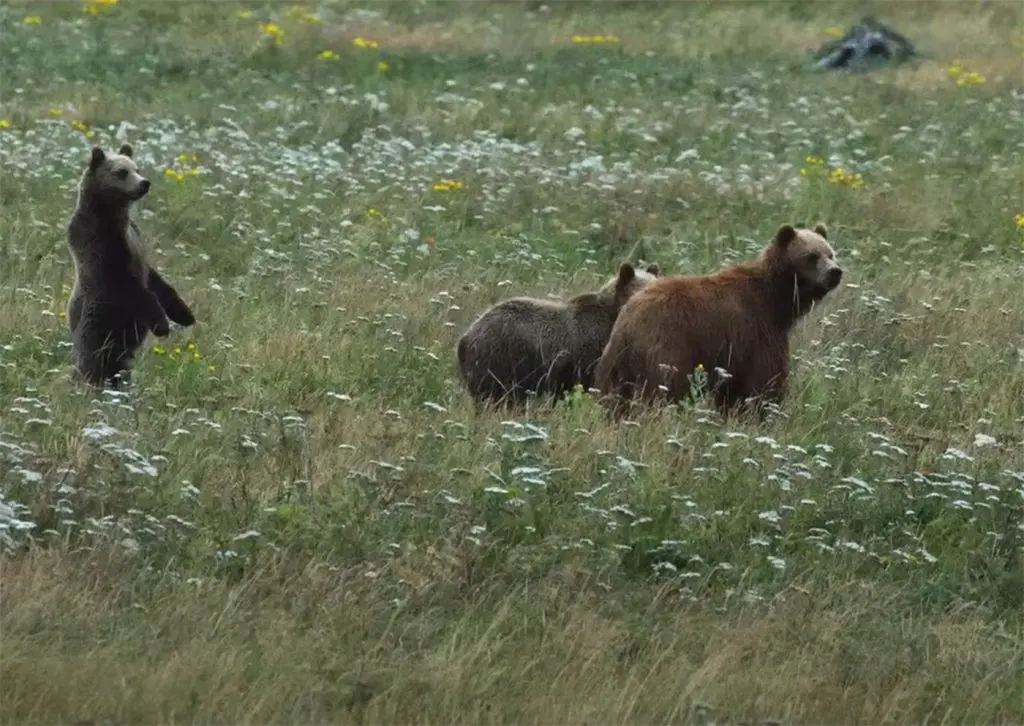
- Never approach a cub, as the mother is likely nearby and highly protective.
- Carry bear spray in an accessible holster, not inside your backpack.
- Travel in groups and make noise to alert bears of your presence.
- Keep dogs on a leash at all times in wooded areas.
What are the signs of bear activity?
Recognizing the signs of bear activity can help you avoid an unexpected encounter. Look for fresh tracks in soft mud or snow, which appear as a wide pad with five distinct toe marks. You may also notice "scat," which often contains berry seeds or fur, or claw marks on the bark of coniferous trees, which bears use to mark their territory or reach for food.
Another indicator is the presence of overturned logs or rocks, which bears flip over to hunt for insects or grubs. If you notice these signs, it is a clear indication that a bear has been in the area recently. Always remain vigilant and adjust your route if you feel that the signs suggest a bear is currently nearby or if you hear heavy movement in the brush.
Common mistakes when living near bears
One of the most frequent mistakes residents make is leaving garbage out overnight. Garbage should only be placed on the curb on the morning of collection, not the night before, to minimize the time it is accessible to wildlife. Another common error is failing to clean outdoor barbecues, as the lingering smell of grease and charred meat is a powerful attractant that can draw bears from significant distances.
Additionally, some people mistakenly believe that feeding wildlife is a harmless way to observe animals up close. This practice is not only illegal in many parts of British Columbia but is also a death sentence for the bear. Once a bear becomes "food-conditioned," it is often labeled a nuisance and may be euthanized by conservation officers to protect public safety. Responsibility and proactive management of attractants remain the most effective ways to ensure that bears stay in the wild where they belong.
Key facts
- Black bears are common in the North Shore mountains and the wilder fringes of Vancouver.
- Grizzly bears are rarely seen in the city, as they typically inhabit more remote, interior wilderness areas.
- The North Shore Black Bear Society monitors local bear activity and provides community education.
- Bears are most active between April and November, when they are foraging for food before hibernation.
- Attractants like unsecured garbage, bird feeders, and fruit trees are the primary reasons bears enter residential neighborhoods.
- You should never approach a bear; if you see one, back away slowly while keeping your eyes on the animal.
The bottom line
While Vancouver is a major urban center, its proximity to vast mountain ranges means black bears are a natural part of the local ecosystem. Residents and visitors should practice responsible waste management and maintain situational awareness when hiking in forested areas. By removing food attractants and respecting wildlife boundaries, humans and bears can coexist safely within the region’s beautiful, shared natural environment throughout the year.
People also ask
What should I do if I encounter a bear on a hiking trail?
Stop moving, remain calm, and speak in a firm, low voice to identify yourself as a human. Back away slowly without turning your back on the bear, and do not run, as this may trigger a predatory chase response.
How can I bear-proof my home in Vancouver?
Keep garbage bins inside until the morning of collection and clean your barbecue grill after every use to remove food odors. Remove ripe fruit from trees promptly and consider taking down bird feeders during the spring and summer months.
Are bears in Vancouver dangerous to humans?
While black bears are generally shy and avoid human contact, they can be dangerous if they feel threatened or are habituated to human food. Attacks are extremely rare, but maintaining a safe distance is essential for both your safety and the bear's well-being.
Can I hike alone in the North Shore mountains?
Hiking in groups is highly recommended because bears are less likely to approach a larger group of people. If you must hike alone, make plenty of noise by talking or singing to avoid surprising a bear around a blind corner.
What is the best way to store food while camping in bear country?
Use bear-resistant containers or hang your food at least four meters above the ground and two meters away from a tree trunk. Never store food, toiletries, or scented items inside your tent, as these can attract curious wildlife.
Who should I call if I see a bear in a residential area?
If the bear is behaving aggressively or posing an immediate threat to public safety, call the British Columbia Conservation Officer Service RAPP line at 1-877-952-7277. For non-emergency sightings, you can report the incident to the North Shore Black Bear Society to help track local movements.
This answer was created with the help of AI research tools and reference sources. Spotted an error? Let us know — we correct mistakes quickly. See our editorial policy.