Is Vancouver walkable?
Short answer
Yes, Vancouver is exceptionally walkable, consistently ranking as one of Canada's most pedestrian-friendly cities. Its compact downtown core, dense residential neighborhoods, and extensive network of greenways allow most residents and visitors to access daily services, transit, and recreational spaces on foot without relying on a personal vehicle for basic needs.
On this page
How walkable is downtown Vancouver?
Downtown Vancouver is designed with a high-density, mixed-use philosophy that makes it incredibly easy to navigate without a car. The peninsula is relatively compact, stretching roughly four kilometers from the West End to Gastown, allowing pedestrians to traverse the entire core in under an hour. Wide sidewalks, frequent crosswalks, and strict urban planning regulations ensure that the streetscape remains inviting and safe for those traveling on foot.
The city’s "Vancouverism" architectural style integrates residential towers with podiums that house retail spaces, keeping the streets active and populated at all hours. This design creates a "human-scale" environment where essential amenities like grocery stores, pharmacies, and cafes are typically within a five-minute walk of any residential building. Because the downtown core is bordered by water on three sides, the layout naturally channels foot traffic toward scenic routes like the Seawall, further encouraging walking as a primary mode of transport.
Best walking routes for visitors
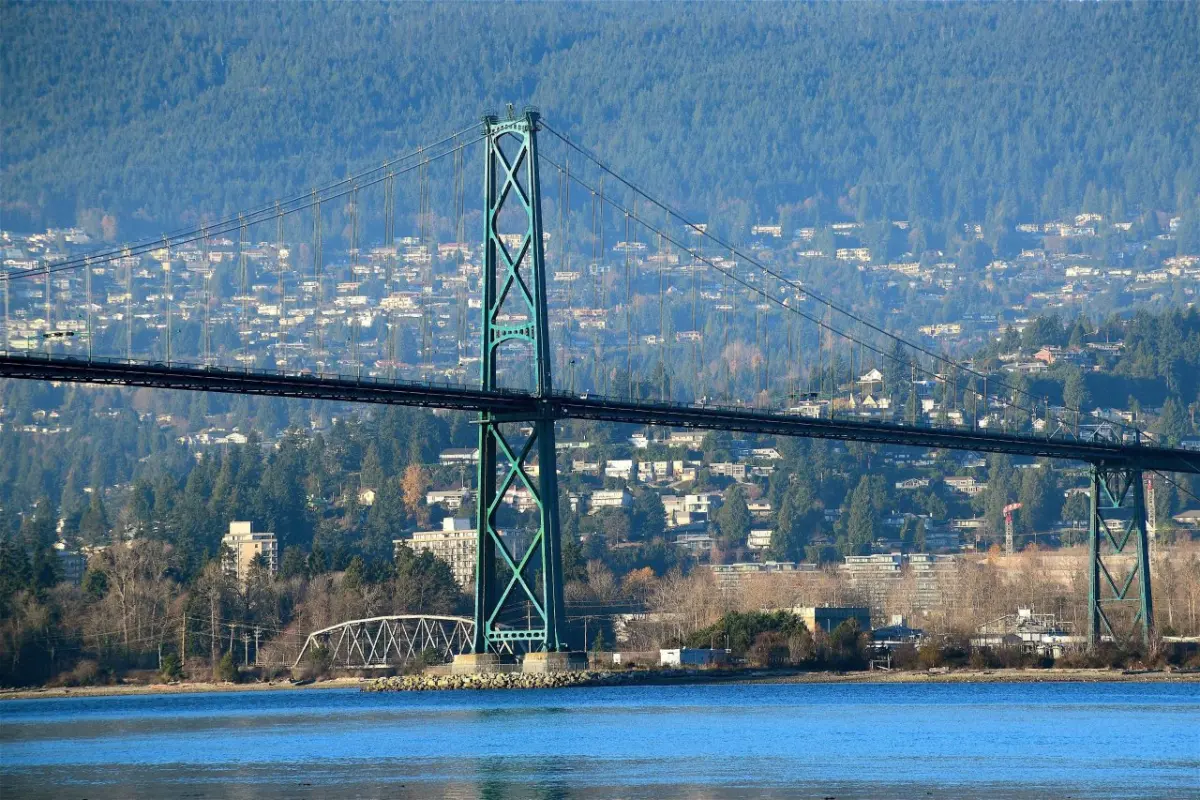
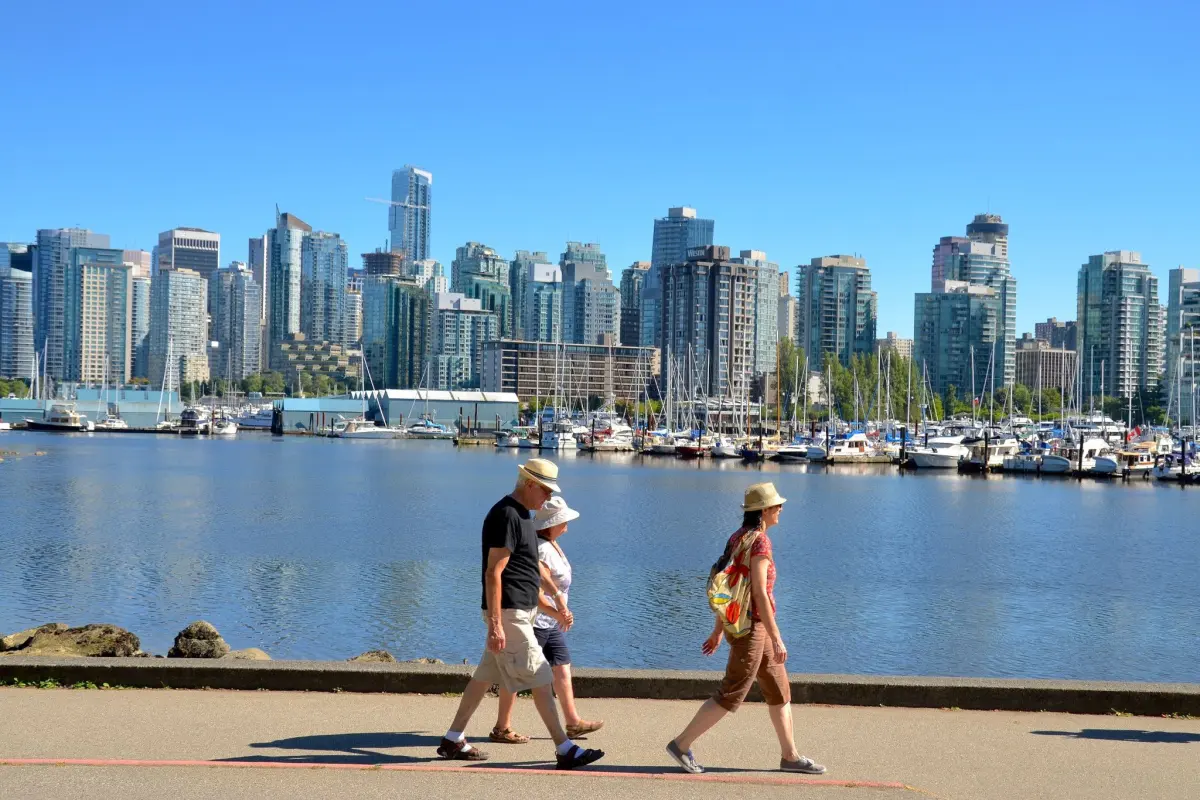
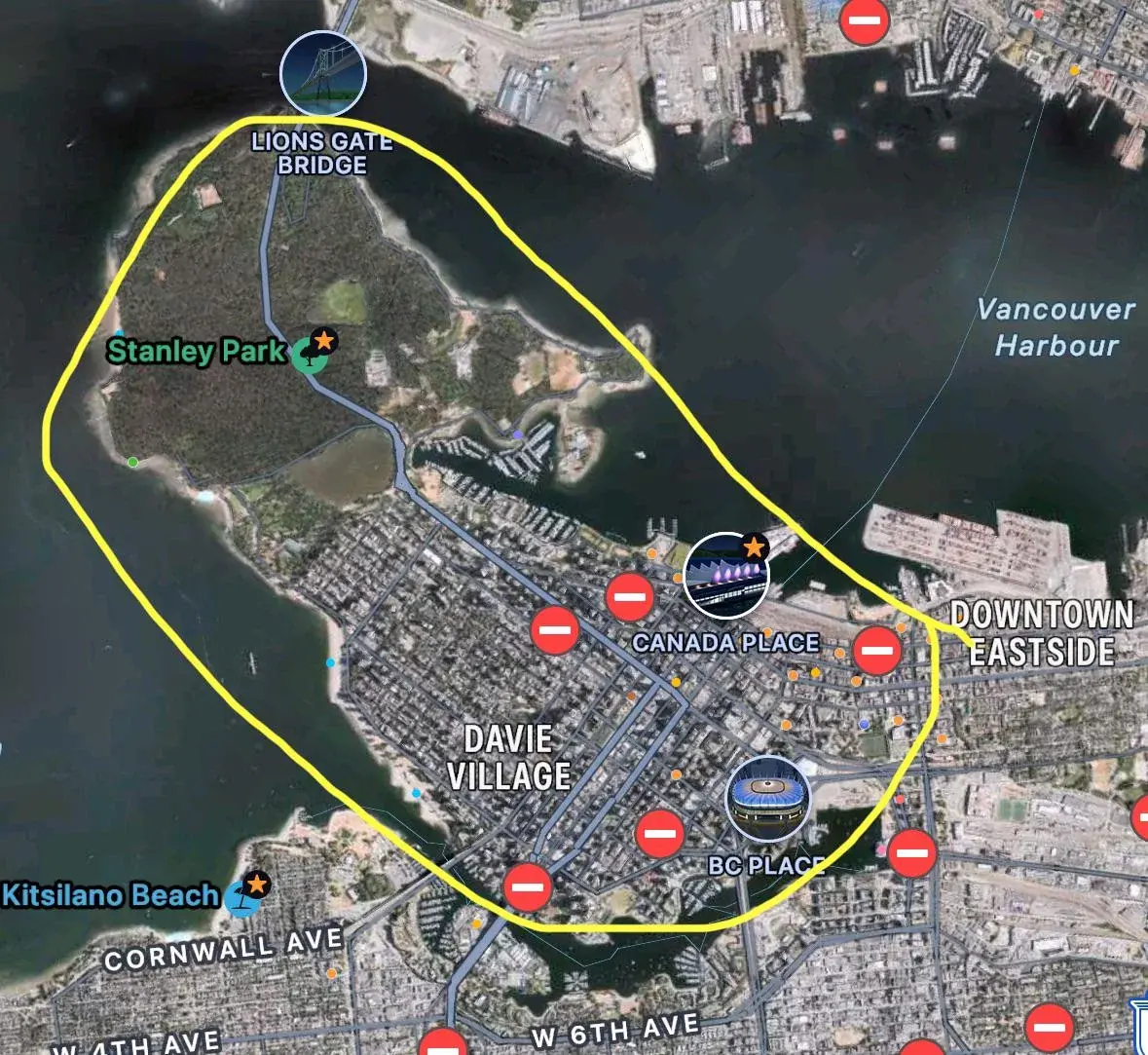
For those looking to explore the city, Vancouver offers several iconic paths that showcase its natural beauty and urban design. The most famous is the Stanley Park Seawall, a 10-kilometer loop that provides uninterrupted views of the Pacific Ocean and the North Shore mountains. Other popular pedestrian corridors include:
- The Arbutus Greenway: A former rail line converted into a multi-use path that connects various neighborhoods.
- The False Creek Seawall: A scenic route connecting Science World to Granville Island, passing through Olympic Village.
- Robson Street: The city’s primary retail artery, perfect for window shopping and experiencing the downtown energy.
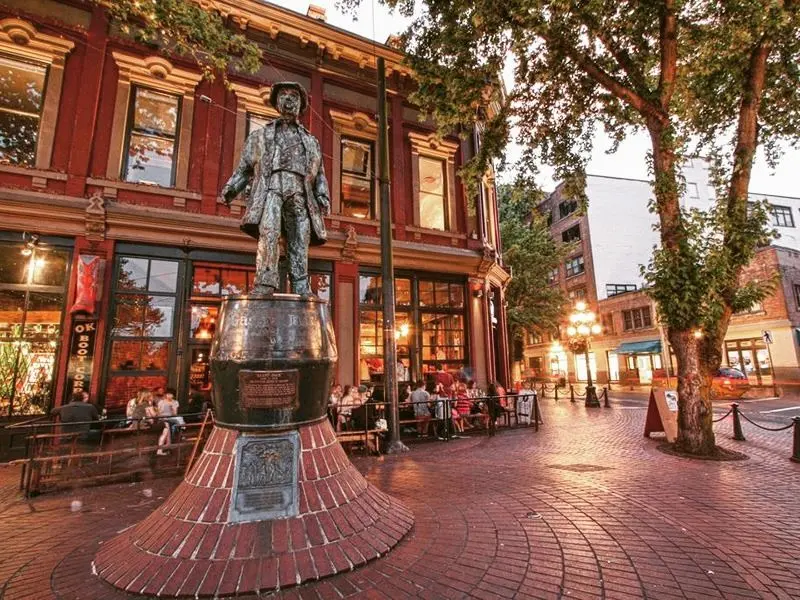
- Gastown’s cobblestone streets: Ideal for experiencing the city’s historic architecture and Victorian-era charm.
When planning your walk, keep in mind that Vancouver’s weather can be unpredictable. While the city is highly walkable, the frequent rainfall during the autumn and winter months necessitates proper waterproof footwear and a high-quality umbrella to ensure your experience remains comfortable and dry.
Why is Vancouver so pedestrian-friendly?
Vancouver’s walkability is a result of intentional long-term urban planning that prioritized people over automobiles. Starting in the 1970s, city planners rejected the construction of major freeways through the downtown core, which preserved the neighborhood fabric and prevented the physical fragmentation seen in many North American cities. This decision forced the development of a robust public transit system, including the SkyTrain, which integrates seamlessly with pedestrian walkways.
The city also enforces strict zoning laws that mandate high-density development near transit hubs. By concentrating population density in specific areas, the city ensures that there are enough people to support local businesses, which in turn creates vibrant, walkable streets. The city’s commitment to "complete streets"—thoroughfares designed for all users, including pedestrians, cyclists, and transit riders—further enhances safety and accessibility for everyone moving through the urban environment.
Common mistakes when walking in Vancouver
Even in a walkable city, visitors often make errors that can lead to frustration or unnecessary fatigue. One common mistake is underestimating the hilly terrain in certain areas, particularly when moving from the downtown core toward the West End or into the neighborhoods of Mount Pleasant and Fairview. While the city center is flat, the surrounding residential areas can feature significant elevation changes that make walking more strenuous than it appears on a flat map.
- Check the weather forecast before heading out, as rain can make certain routes slippery.
- Avoid relying solely on GPS shortcuts, as some residential "stairs" or steep paths are not always marked clearly.
- Respect the timing of pedestrian signals at major intersections, as traffic light cycles are strictly enforced.
- Dress in layers, as the temperature can shift quickly when moving from the shaded downtown canyons to the open waterfront.
- Do not assume all sidewalks are immune to construction detours, which are common in the rapidly growing city.
How to navigate Vancouver on foot safely
Safety is a priority in Vancouver, but pedestrians must remain vigilant in a busy urban environment. The city’s intersections are generally well-lit and marked, but the volume of traffic during rush hour requires caution. Always use designated crosswalks and wait for the signal to change, as local law enforcement actively monitors for jaywalking in high-traffic areas. Additionally, be aware of the city’s extensive cycling infrastructure; many paths are shared between cyclists and pedestrians, so stay alert for bells and passing riders.
If you are walking at night, stick to well-traveled, brightly lit streets. Vancouver is generally safe, but the downtown core can have pockets of activity that may feel intimidating to newcomers. By staying on main thoroughfares like Granville, Burrard, or Denman Street, you will benefit from the "eyes on the street" provided by open businesses and active nightlife. Following these basic common-sense practices ensures that your time spent exploring the city remains a safe, enjoyable, and efficient way to experience everything Vancouver has to offer.
Key facts
- Vancouver consistently ranks as one of Canada's most walkable cities, with a Walk Score of 79 out of 100.
- The downtown core features a grid layout and high density, making it possible to reach most amenities on foot within 15 minutes.
- The Seawall, a 28-kilometer uninterrupted waterfront path, serves as a primary pedestrian artery connecting parks and neighborhoods.
- Vancouver’s "City of Neighbourhoods" urban planning policy prioritizes mixed-use zoning to ensure residents live near grocery stores and transit.
- Pedestrians should avoid walking in industrial zones like parts of East Vancouver or the port areas, where sidewalks are sparse.
- Use the "TransLink" trip planner app to combine walking with the SkyTrain system, which extends reach beyond the immediate downtown radius.
The bottom line
Vancouver is exceptionally walkable, particularly within the downtown peninsula and established residential neighborhoods. Its commitment to mixed-use development and extensive public greenways creates a pedestrian-friendly environment that minimizes the need for private vehicles. While the city’s rainy climate requires proper preparation, the infrastructure supports a car-free lifestyle for most residents and visitors who prioritize accessibility, scenic routes, and proximity to essential daily services.
People also ask
Is it safe to walk in Vancouver at night?
Most popular areas like Yaletown, Gastown, and the West End are well-lit and busy during evening hours. However, exercise caution in the Downtown Eastside, where street-level social issues are more prevalent.
Do I need a car to visit Vancouver?
You do not need a car if you stay in the central peninsula or near SkyTrain stations. Public transit is extensive, and ride-sharing services are readily available for occasional needs.
What is the best neighborhood for pedestrians?
The West End is widely considered the most walkable neighborhood due to its proximity to Stanley Park, English Bay, and Robson Street retail. It features a dense network of residential streets and local businesses.
How does the weather affect walking in Vancouver?
While the city is very walkable, the frequent autumn and winter rainfall requires high-quality waterproof footwear and gear. Many downtown areas offer covered awnings to help pedestrians stay dry.
Are there steep hills in Vancouver?
The downtown peninsula is relatively flat, but neighborhoods like Mount Pleasant and Fairview have significant elevation changes. Check a topographical map if you prefer avoiding inclines during your commute.
Can I walk across the bridges in Vancouver?
Yes, major bridges like the Burrard Street Bridge and Cambie Bridge have dedicated pedestrian walkways. These paths offer excellent views of the skyline and harbor but can be windy.
This answer was created with the help of AI research tools and reference sources. Spotted an error? Let us know — we correct mistakes quickly. See our editorial policy.