What is a group of bees called?
Short answer
A group of bees is most commonly called a swarm, particularly when they are in transit or searching for a new home. When bees are settled within their hive, they are referred to as a colony. Other, less formal terms occasionally used by enthusiasts include a drift, a bike, or a nest.

On this page
What is a group of bees called?
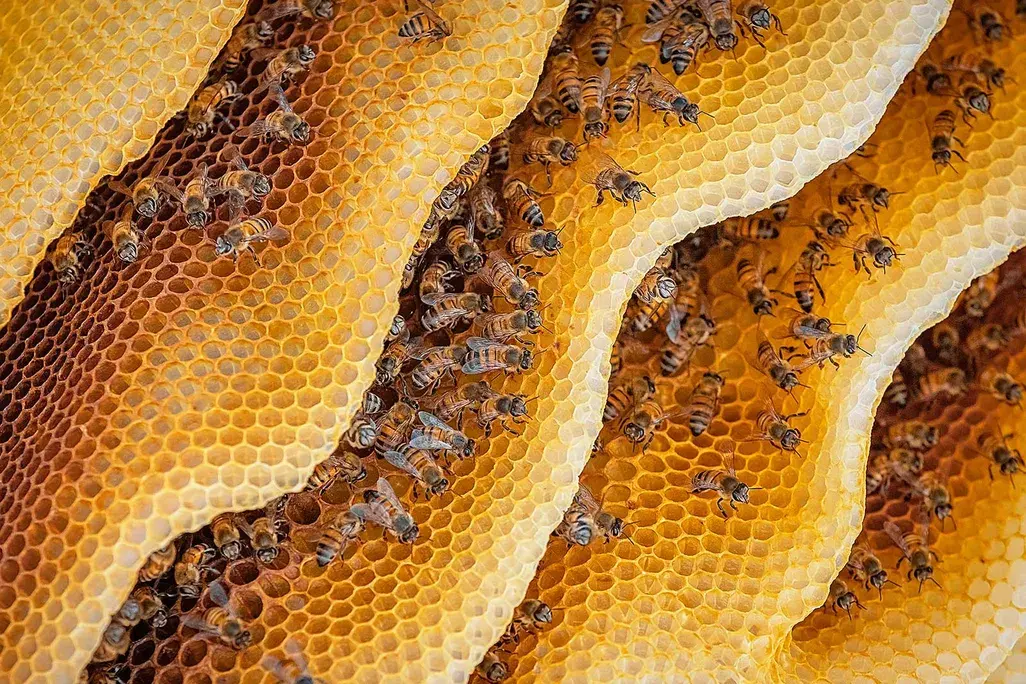
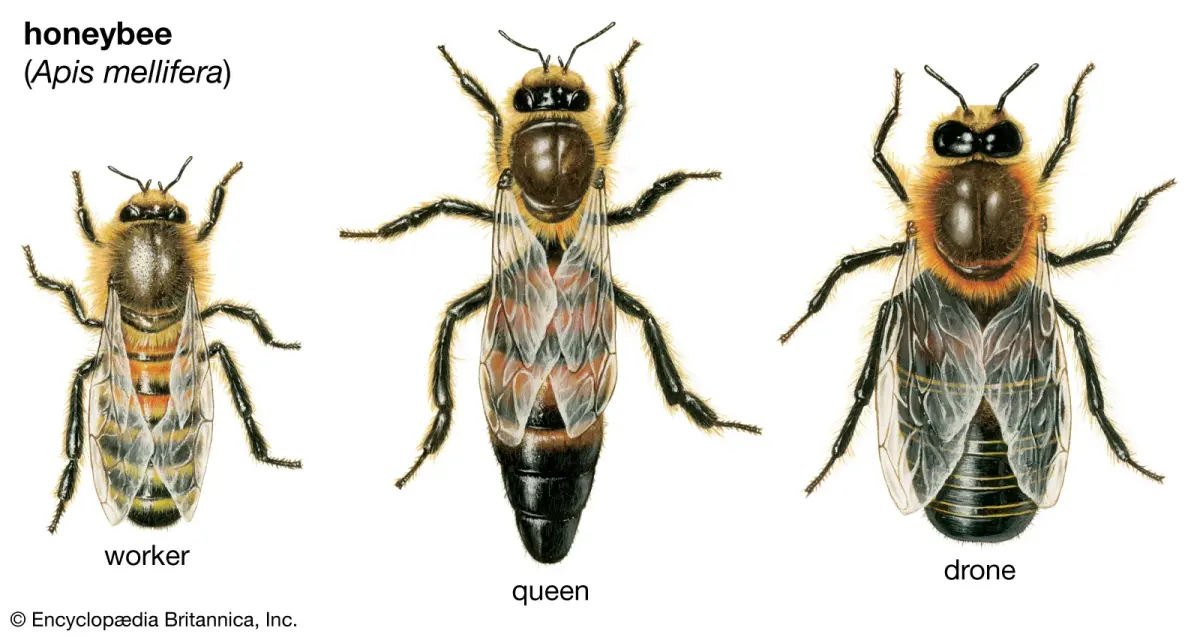
The terminology used to describe a collection of bees depends entirely on their current activity and location. A "colony" is the formal biological term for a permanent, organized community of bees living together in a hive. This group typically consists of one queen, thousands of female worker bees, and several hundred male drones.
When bees are in motion, such as when they leave an overcrowded hive to establish a new home, they are called a "swarm." A swarm is a temporary, highly mobile cluster of bees that often gathers on tree branches or building eaves. While the terms are sometimes used interchangeably in casual conversation, scientists and beekeepers maintain a strict distinction between a settled colony and a transient swarm.
Why do bees swarm?
Swarming is the natural method of reproduction for a honeybee colony. When a hive becomes too crowded or the queen begins to age, the colony prepares to split. Roughly half of the worker bees leave with the original queen to find a new nesting site, while the remaining bees stay behind to raise a new queen.
This process usually occurs during the spring and early summer months when resources are abundant. Before leaving, the bees gorge themselves on honey to ensure they have enough energy for the journey. Swarming is generally a non-aggressive phase for bees, as they are focused on protecting their queen rather than defending a stationary hive.
- The colony senses the hive is reaching maximum capacity.
- Workers begin constructing new queen cells.
- The old queen stops laying eggs to lose weight for flight.
- The swarm departs, often circling in a large, buzzing cloud.
- They land on a temporary surface to scout for a permanent location.
How to identify a bee swarm
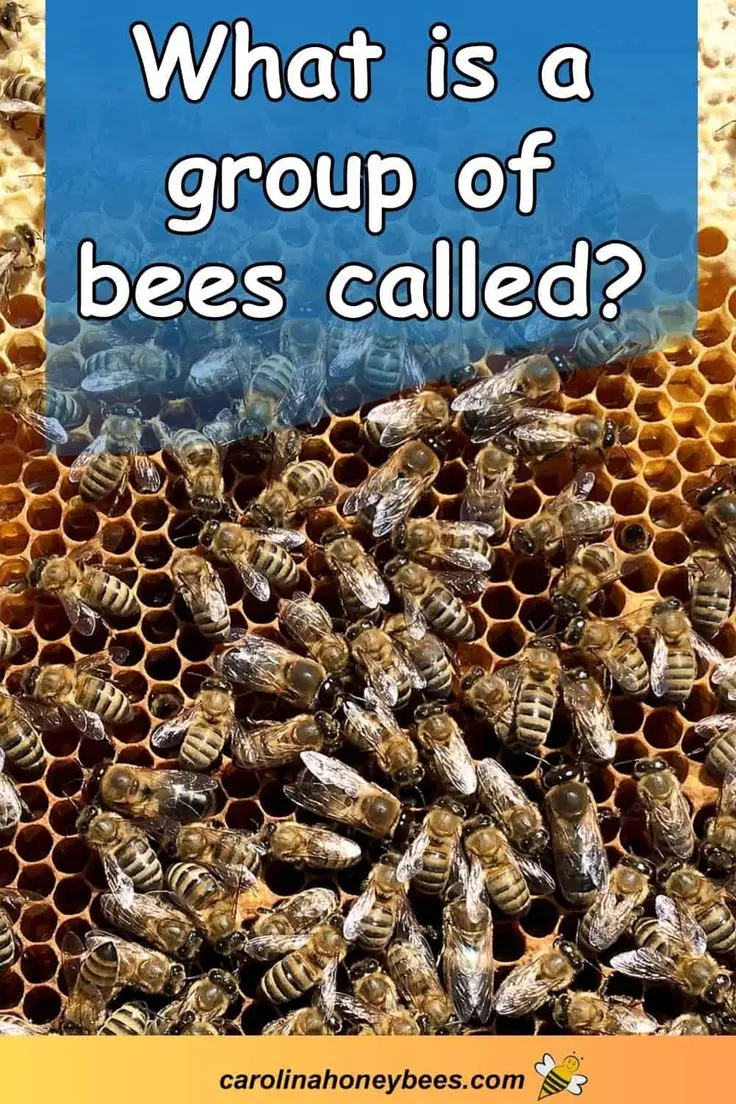
Identifying a swarm is relatively straightforward because the behavior is distinct from the daily foraging activity of bees. A swarm typically appears as a dense, ball-shaped cluster of bees clinging to an object. You will notice thousands of bees moving in a tight, buzzing mass, often accompanied by "scout" bees flying in and out of the center.
Unlike a colony inside a wall or tree, a swarm is usually exposed to the elements. They are not guarding a nest of wax combs or brood, which makes them less likely to sting unless physically threatened. If you encounter a swarm, the best course of action is to maintain a safe distance and observe quietly.
- Do not spray the swarm with water or pesticides.
- Keep pets and children away from the immediate area.
- Contact a local beekeeping association to have the swarm safely removed.
- Note the time and location to help professionals find the cluster quickly.
Common mistakes when handling bees
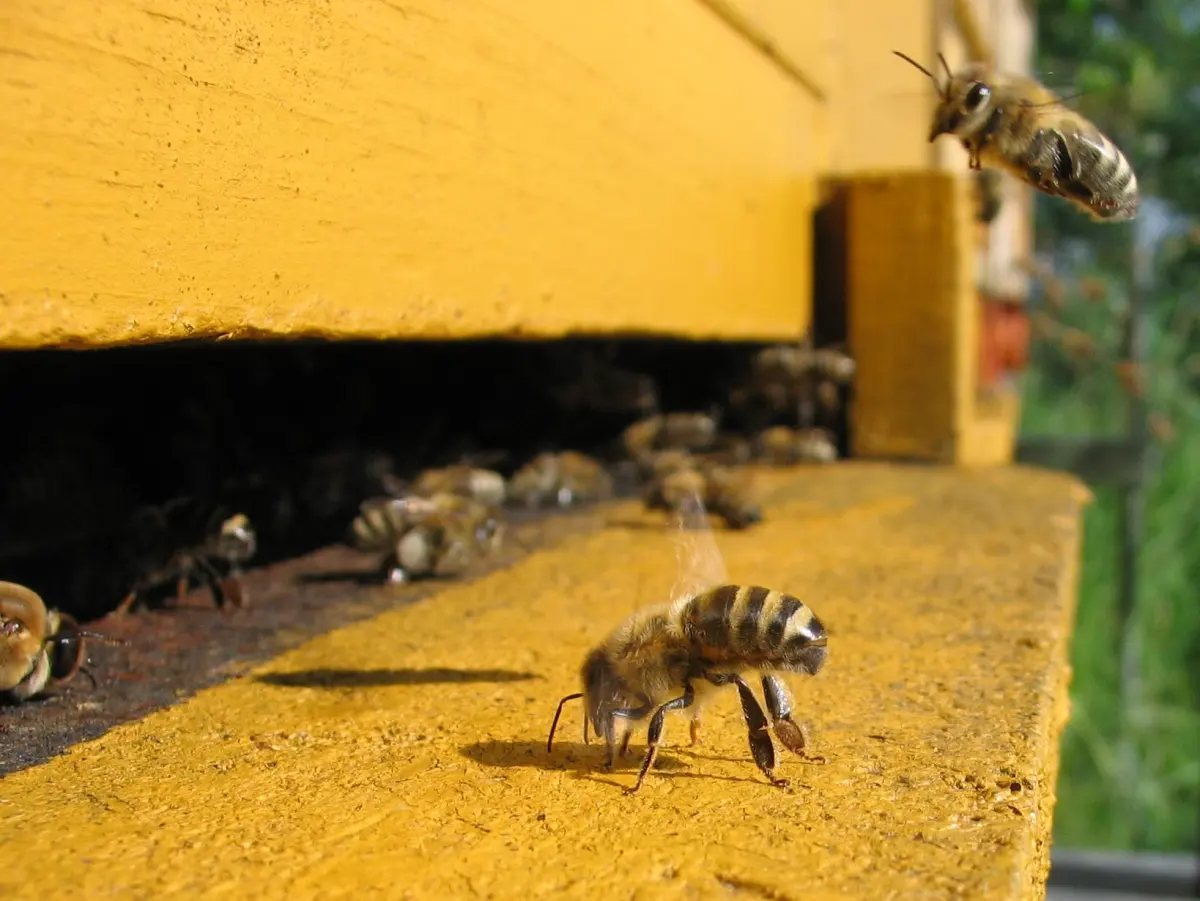
One of the most frequent errors people make is confusing a swarm with a permanent nest. If bees are flying in and out of a specific hole in a wall or a hollow tree, they have likely already established a colony. Treating a permanent colony like a temporary swarm can lead to dangerous situations, as established bees are highly protective of their honey stores and young.
Another common mistake is attempting to relocate a swarm without proper protective gear. Even if bees are generally docile during the swarming phase, they can react defensively if they feel their queen is in danger. Never attempt to knock a swarm down or move it using household tools. Always rely on experienced beekeepers who have the appropriate equipment, such as veils, smokers, and transport boxes, to handle the insects safely.
How to support local bee populations
Supporting bees involves creating a welcoming environment that provides both food and shelter. Planting native wildflowers that bloom at different times of the year ensures a consistent food source for foraging bees. Avoid using synthetic pesticides or herbicides in your garden, as these chemicals can be toxic to bees and disrupt their navigation and reproductive health.
Providing a clean water source is also essential, especially during hot summer months. A shallow birdbath filled with stones or marbles allows bees to land and drink without the risk of drowning. By maintaining a chemical-free landscape and offering these small resources, you contribute significantly to the health of your local bee population. These efforts help ensure that both managed colonies and wild swarms have the best possible chance of thriving throughout the changing seasons.
Key facts
- A group of bees is most commonly referred to as a swarm, especially when they are in flight or searching for a new nest site.
- When bees are occupying a hive, they are often referred to as a colony, which can contain between 20,000 and 60,000 members.
- A collection of bees resting together in a cluster, such as on a tree branch, is frequently called a drift or a bike.
- If you encounter a swarm, do not spray it with water or pesticides, as the bees are typically docile and simply looking for a new home.
- Contact a local beekeeper or a swarm removal service to safely relocate a cluster rather than attempting to handle them yourself.
- The term "apiary" refers to the entire location where multiple hives are kept, rather than the bees themselves.
The bottom line
While the term swarm is the most recognized collective noun for bees in flight, the specific terminology depends on the bees' activity level and location. Understanding that a swarm is a natural reproductive process helps reduce unnecessary fear. By maintaining a respectful distance and contacting local experts, you ensure the safety of both the bees and your household when these fascinating insects pass through your property.
People also ask
How many bees are in a typical swarm?
A swarm usually consists of about 5,000 to 10,000 bees. This group includes the old queen and a large portion of the worker bees from the original colony.
Why do bees swarm in the first place?
Swarming is the natural method of reproduction for a honeybee colony. It occurs when the original hive becomes overcrowded and the queen leaves with a portion of the population to establish a new home.
Are swarming bees dangerous to humans?
Swarming bees are generally not aggressive because they have no hive or honey stores to defend. They are focused on protecting their queen and finding a suitable cavity to inhabit.
What should I do if a swarm lands on my property?
Keep your distance, keep pets and children indoors, and call a professional beekeeper. Most beekeepers are happy to collect swarms for free because it helps them expand their own apiaries.
How long does a swarm stay in one spot?
A swarm may stay in a temporary location for a few hours or up to several days. They remain there while scout bees search for a permanent nesting site.
What is the difference between a swarm and a colony?
A colony is an established, permanent unit living in a hive with brood and food stores. A swarm is a temporary, transient group of bees in transit between homes.
This answer was created with the help of AI research tools and reference sources. Spotted an error? Let us know — we correct mistakes quickly. See our editorial policy.