Is the Lions Gate Bridge worth visiting?
Short answer
The Lions Gate Bridge is absolutely worth visiting for its iconic status and breathtaking views of the Burrard Inlet and the North Shore mountains. As a National Historic Site of Canada, it offers a quintessential Vancouver experience. Whether you drive, cycle, or walk, it remains an essential landmark for every visitor.
On this page
Why is the Lions Gate Bridge famous?
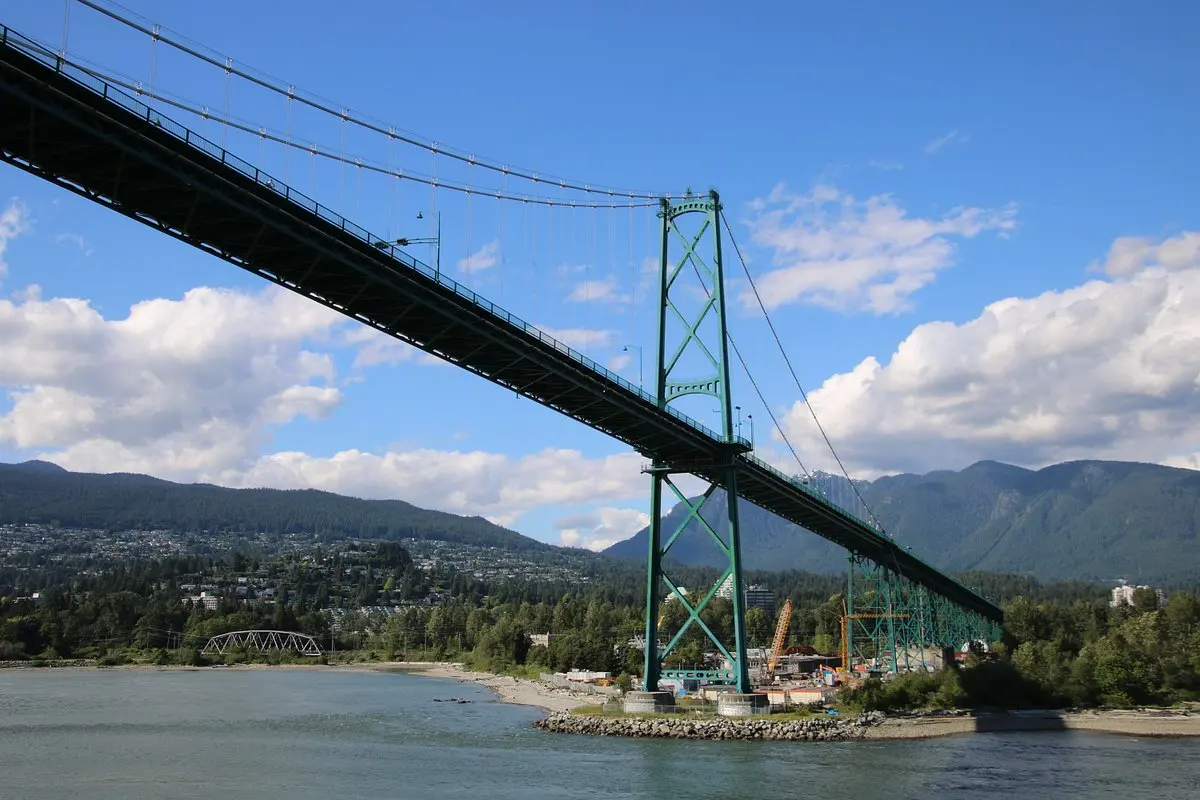
Completed in 1938, the Lions Gate Bridge is a suspension bridge that serves as the primary gateway between downtown Vancouver and the North Shore. Its official name is the First Narrows Bridge, but it is named for the twin mountain peaks known as The Lions that overlook the city. The structure was privately funded by the Guinness family, the famous brewers, to facilitate the development of the British Properties in West Vancouver.
Beyond its historical significance, the bridge is a masterpiece of engineering. Its graceful, green-painted steel spans rise 67 meters above the water, allowing large cruise ships and freighters to pass underneath. At night, the bridge is illuminated by a string of lights that create a shimmering reflection on the water, making it one of the most photographed landmarks in the Pacific Northwest. It stands as a symbol of Vancouver’s integration of urban development and dramatic natural geography.
How to walk across the Lions Gate Bridge
Walking across the bridge is the best way to appreciate its scale and the surrounding scenery. The pedestrian sidewalk is narrow but offers unobstructed views of the harbor, Stanley Park, and the distant mountains. You can start your journey from the Stanley Park side, where the bridge begins near the Prospect Point lookout. The walk takes approximately 20 to 30 minutes one way, depending on your pace and how often you stop to take photographs.
To ensure a pleasant experience, follow these practical steps:
- Wear comfortable walking shoes, as the surface is concrete and can be hard on your feet.
- Bring a windbreaker or light jacket, as the wind off the Burrard Inlet can be quite strong even on sunny days.
- Stay on the designated pedestrian path, as the bridge is a high-traffic thoroughfare for vehicles.
- Carry water, as there are no amenities or shops once you step onto the bridge span.
Best time of day to visit
The bridge offers different experiences depending on the time of day. Early morning is ideal for photographers, as the rising sun illuminates the North Shore mountains and the calm waters of the inlet. During these hours, the bridge is generally less crowded, allowing for a peaceful walk or cycle. If you prefer a more dramatic atmosphere, visit during the "golden hour" just before sunset when the city lights begin to twinkle.
If you are planning your visit, keep these timing considerations in mind:
- Avoid weekday rush hours (7:00 AM to 9:30 AM and 3:00 PM to 6:30 PM) when traffic congestion is at its peak.
- Check the weather forecast; heavy rain or thick fog can significantly reduce visibility and make the walk less enjoyable.
- Visit on a weekend morning for the best balance of light and lower traffic noise.
- Consider the tide schedule if you are interested in seeing the powerful currents that flow through the First Narrows.
Common mistakes when visiting the Lions Gate Bridge
Many visitors underestimate the noise and vibration caused by the heavy vehicle traffic. Because the pedestrian sidewalk is separated from the road by only a low barrier, the sound of cars and trucks can be overwhelming. Some tourists also make the mistake of attempting to walk the entire length without realizing how far the bridge extends into the water. It is a long, exposed stretch with no shade or shelter from the elements.
Another frequent error is failing to plan for transportation after crossing. If you walk from Stanley Park to the North Shore, you will arrive in West Vancouver, which is primarily a residential area. You will need to walk further to reach the nearest bus stop or arrange for a ride-share service. Do not assume there will be taxis waiting at the end of the bridge, as it is not a commercial pickup zone. Always check a map before starting your walk.
What to see near the bridge
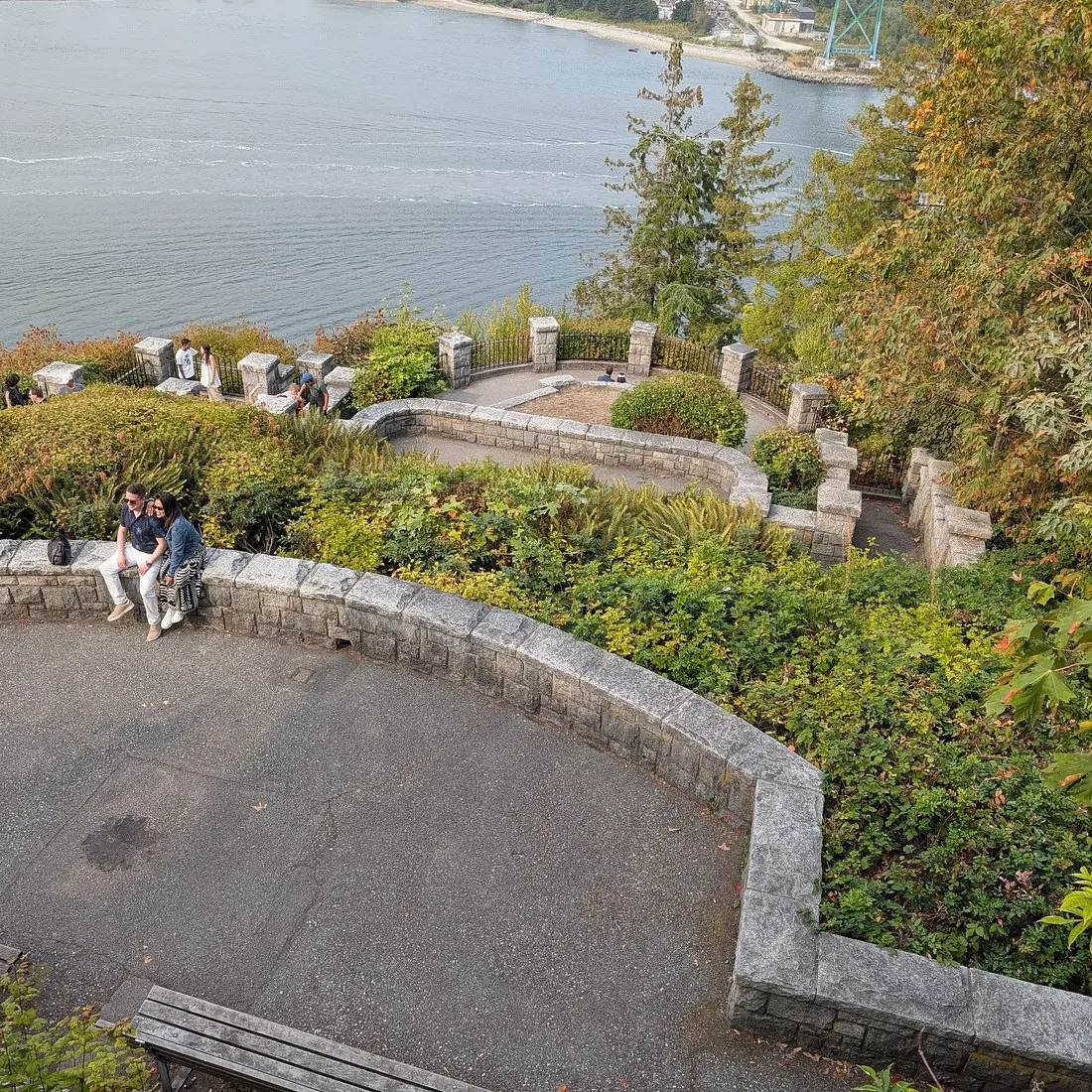
The area surrounding the bridge is just as impressive as the structure itself. On the south side, the bridge connects directly to Stanley Park, a 400-hectare urban rainforest. You can explore the Seawall, visit the totem poles, or hike the trails that lead up to the Prospect Point viewpoint. This viewpoint provides a spectacular vantage point to watch the bridge traffic and the ships navigating the narrows below.
On the north side of the bridge, you are within easy reach of the Capilano Suspension Bridge Park and the Grouse Mountain Skyride. These attractions offer a deeper look into the temperate rainforests of British Columbia. Whether you choose to stay in the park or venture further into the North Shore, the bridge serves as the perfect starting point for a full day of outdoor exploration. By combining a walk across the bridge with these nearby sites, you can easily create a memorable itinerary that captures the true essence of Vancouver’s natural beauty and urban charm.
Key facts
- Opened on November 14, 1938, the bridge spans 1,517 meters across the First Narrows of the Burrard Inlet.
- The iconic Art Deco towers rise 111 meters above the water, making them a signature feature of the Vancouver skyline.
- It is a designated National Historic Site of Canada, recognized for its engineering significance and aesthetic integration into the landscape.
- Pedestrians and cyclists can access the bridge via dedicated paths on either side, offering panoramic views of the mountains and harbor.
- The bridge utilizes a unique lane-reversal system, where the center lane changes direction during peak hours to manage traffic flow.
- Visit during sunset for the best lighting, but avoid commuting hours between 7:00–9:00 AM and 3:00–6:00 PM to escape heavy congestion.
The bottom line
The Lions Gate Bridge is a must-visit landmark that serves as the essential gateway between downtown Vancouver and the North Shore. While traffic can be intense, the bridge offers unparalleled views of the Pacific Ocean and coastal mountains. Whether you choose to drive across or walk the span for a closer look, this historic Art Deco marvel remains a defining symbol of the city's unique geography.
People also ask
Can I walk across the Lions Gate Bridge?
Yes, there are narrow sidewalks on both sides of the bridge that are open to pedestrians and cyclists. It takes about 20 to 30 minutes to walk the full length at a steady pace.
Is there a toll to cross the bridge?
No, the bridge is free to use for all vehicles, cyclists, and pedestrians. Tolls were originally collected until 1963, but the structure has been toll-free for over six decades.
Where is the best place to take photos of the bridge?
Stanley Park’s Prospect Point offers the most famous elevated view of the bridge and the shipping lanes below. Ambleside Park in West Vancouver provides a beautiful perspective looking up at the structure from the beach.
How do I get to the bridge using public transit?
Several TransLink bus routes, such as the 250 and 257, cross the bridge frequently from downtown Vancouver. You can board these buses at the Georgia Street corridor near Burrard Station.
Are there any safety concerns for pedestrians?
The pedestrian walkways are quite narrow and exposed to high winds and loud traffic noise. Always stay within the designated path and keep children close, as the railing height may feel intimidating to some.
What is the best way to avoid traffic delays?
Check the local traffic reports or Google Maps before you depart, as the bridge is prone to sudden closures or accidents. If you are driving, try to travel during mid-day or late evening to ensure a smooth crossing.
This answer was created with the help of AI research tools and reference sources. Spotted an error? Let us know — we correct mistakes quickly. See our editorial policy.