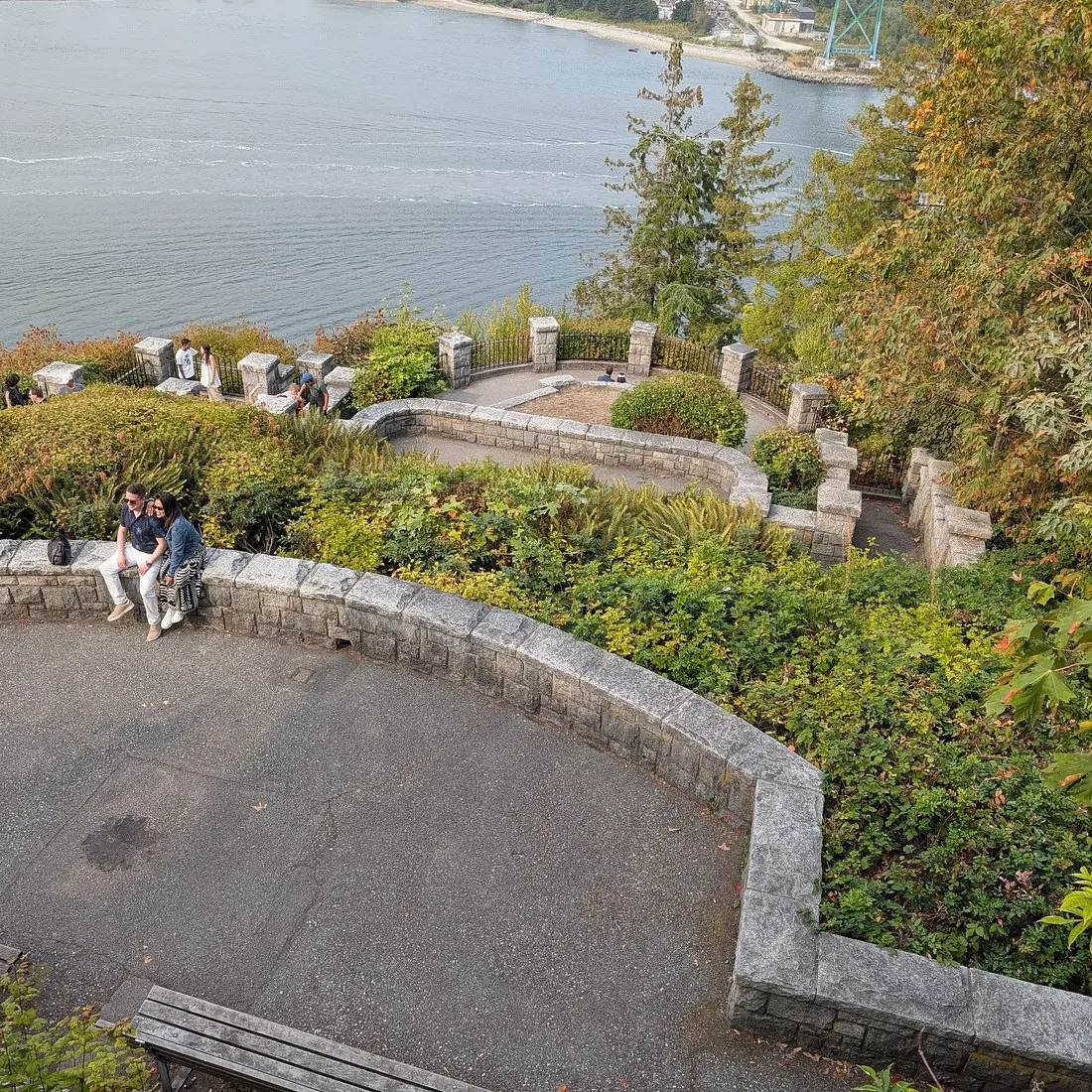
Is the Stanley Park Seawall worth visiting?
Short answer
Yes, the Stanley Park Seawall is undeniably worth visiting. As one of Vancouver’s most iconic landmarks, it offers unparalleled views of the Pacific Ocean, the North Shore Mountains, and the city skyline. Whether you walk, run, or cycle, this 10-kilometer paved path provides an essential, quintessential experience of Canada’s most beautiful urban park.
On this page
How long does it take to walk or bike the Seawall?
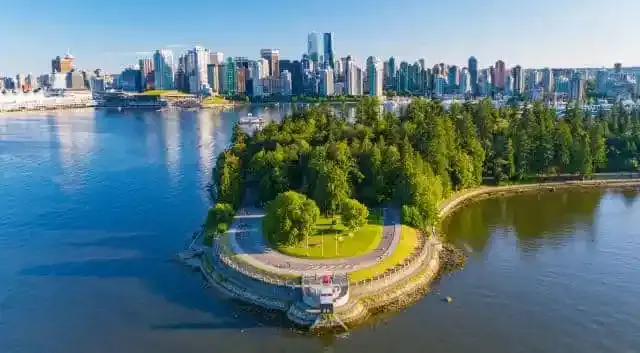
The full Stanley Park Seawall loop spans approximately 10 kilometers (6.2 miles). If you choose to walk the entire perimeter at a leisurely pace, you should budget between two and three hours. This timeframe allows for occasional stops to take photographs, read historical plaques, or simply admire the sweeping views of English Bay and Coal Harbour.
If you prefer cycling, the journey is significantly faster. Most casual cyclists complete the loop in 45 to 60 minutes, depending on traffic and fitness levels. Keep in mind that the path is shared by pedestrians, rollerbladers, and cyclists, so speed is often restricted by the flow of other visitors. Regardless of your chosen mode of transport, it is best to allocate extra time for detours into the park’s interior trails or a visit to the Vancouver Aquarium.
Best time of day to visit the Seawall
To avoid the largest crowds, visit the Seawall on a weekday morning or during the shoulder seasons of spring and fall. Summer weekends are exceptionally busy, particularly on sunny days when both locals and tourists flock to the waterfront. If you must visit during peak times, arriving before 9:00 AM ensures a much more peaceful experience and easier access to bike rentals.
Sunset is widely considered the most spectacular time to traverse the western side of the park. As the sun dips below the horizon over the Strait of Georgia, the sky transforms, offering a world-class backdrop for photography. However, be aware that the park becomes quite dark after dusk. If you plan to stay late, ensure you have proper lighting on your bicycle and remain on the designated paved paths to avoid getting lost in the forest.
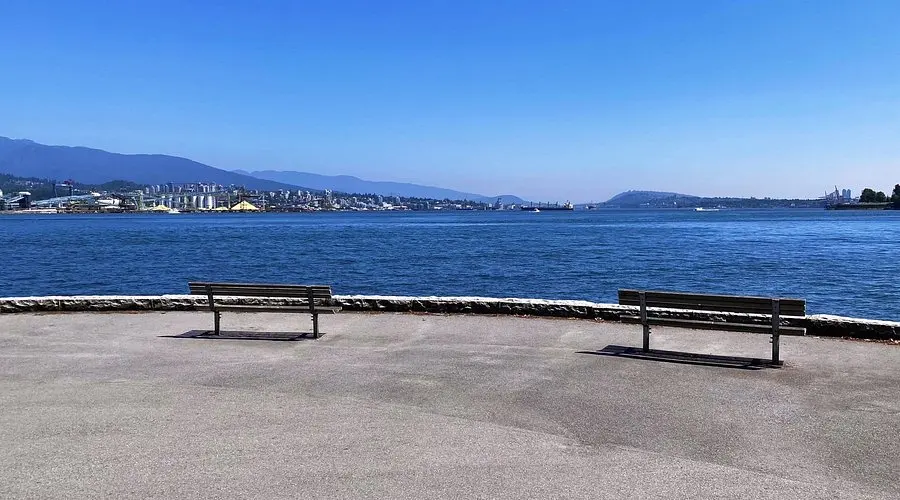
What to see along the Stanley Park Seawall
The Seawall serves as a chronological and cultural tour of Vancouver’s history. You will encounter several notable landmarks that define the park’s character. Many visitors use the following list to plan their stops:
- The Brockton Point Totem Poles: A collection of indigenous carvings that represent the cultural heritage of British Columbia’s First Nations.
- The Girl in a Wetsuit Statue: A bronze sculpture perched on a rock offshore, often compared to Copenhagen’s Little Mermaid.
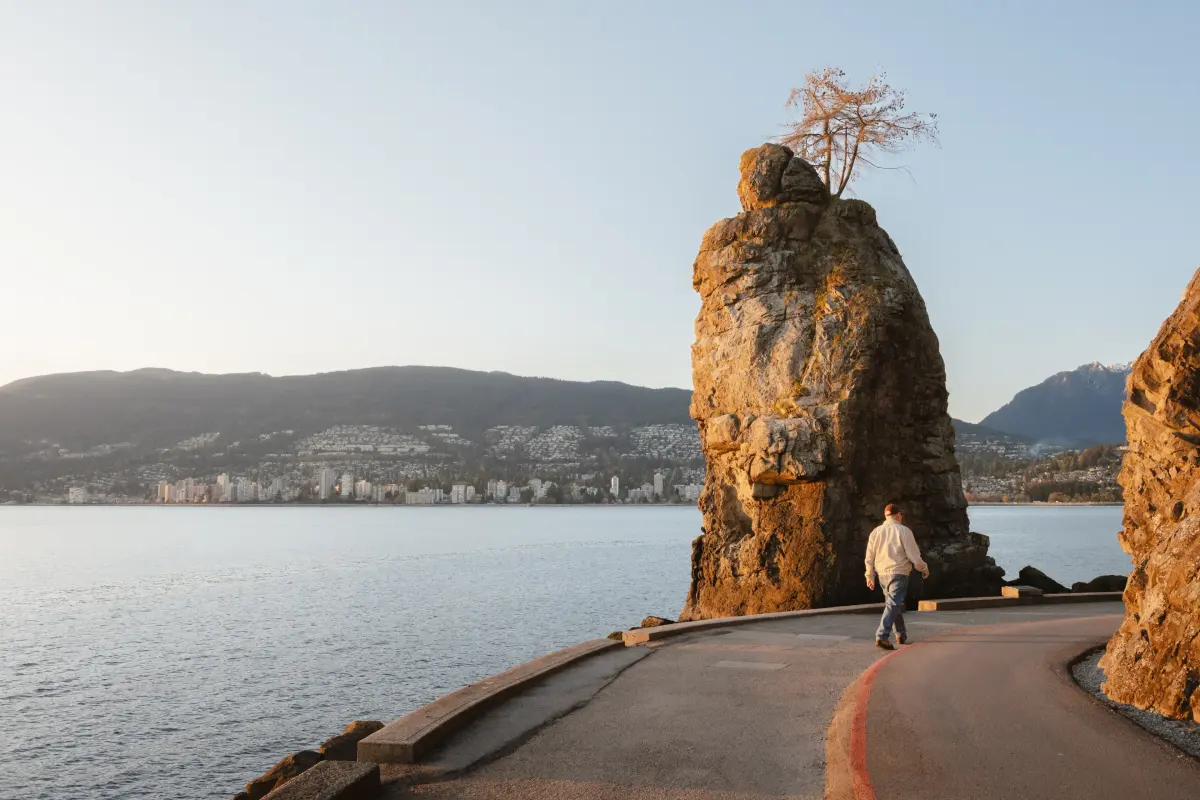
- The Siwash Rock: A famous 18-million-year-old rock formation that stands as a solitary sentinel rising from the ocean.
- The Lions Gate Bridge: An engineering marvel offering a dramatic vantage point as you pass directly underneath its massive steel structure.
These landmarks are clearly marked with signage, making them easy to identify during your journey. Take the time to read the informational plaques at each site to gain a deeper understanding of the geological and social significance of the park.
Common mistakes when visiting the Seawall
One of the most frequent errors visitors make is failing to follow the designated traffic flow. The Seawall is a one-way loop for cyclists and rollerbladers, moving in a counter-clockwise direction. Traveling against the flow is not only dangerous but also prohibited by park regulations. Always stay to the right side of the path to allow faster travelers to pass safely on your left.
Another common mistake is underestimating the weather. Vancouver is known for its frequent rain, and the Seawall is completely exposed to the elements. Even on a clear day, the ocean breeze can make the temperature feel significantly cooler than in the city center. To ensure a comfortable outing, follow these preparation steps:
- Check the local weather forecast before heading out to ensure you are dressed for potential wind or rain.
- Wear comfortable, broken-in walking shoes or sneakers, as the pavement can be hard on your feet.
- Bring a small backpack with a water bottle and a light, waterproof jacket.
- Apply sunscreen, as the reflection of the sun off the water can lead to unexpected sunburns.
How to get to the Stanley Park Seawall
Accessing the Seawall is straightforward from downtown Vancouver. You can walk from the West End neighborhood directly into the park via Denman Street. If you are arriving by public transit, several bus routes stop near the park entrance, or you can take a shuttle service during the summer months. For those driving, there are several paid parking lots located throughout the park, though spots fill up quickly during peak hours.
If you do not have your own bicycle, you will find numerous rental shops along Denman Street, just outside the park entrance. These shops offer everything from standard city bikes to e-bikes and trailers for children. Renting near the entrance is convenient, but be prepared for queues on busy weekends. Once you have your equipment, simply follow the signs toward the Seawall, which will lead you directly onto the path. Whether you are a local or a first-time visitor, the Seawall remains the most reliable way to experience the natural beauty of Vancouver.
Key facts
- The Stanley Park Seawall is a 10-kilometer (6.2-mile) paved path that encircles the peninsula of Stanley Park in Vancouver, British Columbia.
- Construction of the wall began in 1917 under the supervision of master stone mason James Cunningham and was not fully completed until 1980.
- The route is divided into two distinct lanes: one for cyclists and inline skaters, and one for pedestrians and joggers.
- It takes approximately 2 to 3 hours to walk the entire loop at a leisurely pace, while cyclists can complete it in about 45 to 60 minutes.
- The path offers panoramic views of the Vancouver skyline, the North Shore Mountains, and the Lions Gate Bridge.
- To avoid congestion, visit on weekday mornings, as the seawall becomes extremely crowded with locals and tourists during sunny weekend afternoons.
The bottom line
The Stanley Park Seawall is widely considered a must-visit landmark for its unique blend of urban scenery and natural beauty. Whether you choose to cycle the full loop or enjoy a short walk to see the totem poles and Lions Gate Bridge, the path provides an essential Vancouver experience. Plan your visit during off-peak hours to fully appreciate the stunning coastal views without the crowds.
People also ask
Is there a fee to access the Stanley Park Seawall?
No, the seawall is a public park amenity and is completely free to access for all visitors. You only incur costs if you choose to rent a bicycle or purchase refreshments from local vendors.
Can I walk the entire seawall if I have limited mobility?
The seawall is flat and paved, making it accessible for wheelchairs and strollers. However, the full 10-kilometer loop is quite long, so consider walking shorter sections near the Coal Harbour or Second Beach entrances.
Are there places to buy food and water along the route?
Yes, there are several concessions and cafes located at key points, including Second Beach, Third Beach, and the Stanley Park Pavilion. It is still recommended to carry a water bottle, especially during the summer months.
What is the best direction to travel on the seawall?
Cyclists and skaters must travel in a one-way, counter-clockwise direction starting from Coal Harbour. Pedestrians can walk in either direction, but following the flow of traffic helps maintain a safer experience for everyone.
Are dogs allowed on the seawall?
Dogs are welcome on the seawall, but they must be kept on a leash at all times. Be mindful of high-speed cyclists, as the narrow path can be stressful for pets.
What should I do if the weather turns bad?
The seawall is fully exposed to the elements, so it can be windy and rainy during the winter. If the weather is poor, stick to the inner park trails, which offer more shelter from the trees.
This answer was created with the help of AI research tools and reference sources. Spotted an error? Let us know — we correct mistakes quickly. See our editorial policy.