What do deer eat?
Short answer
Deer are ruminant herbivores that consume a diverse diet of vegetation, including leaves, twigs, fruits, nuts, and grasses. They are opportunistic browsers, meaning they move frequently to select the most nutritious plants available. Their diet shifts significantly with the changing seasons, as they prioritize high-energy foods to survive harsh winter conditions.
On this page
What do deer eat throughout the year?
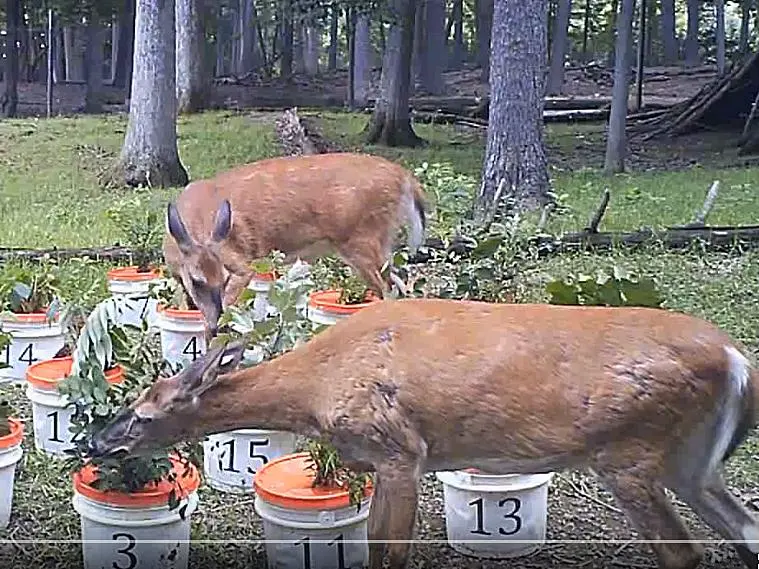
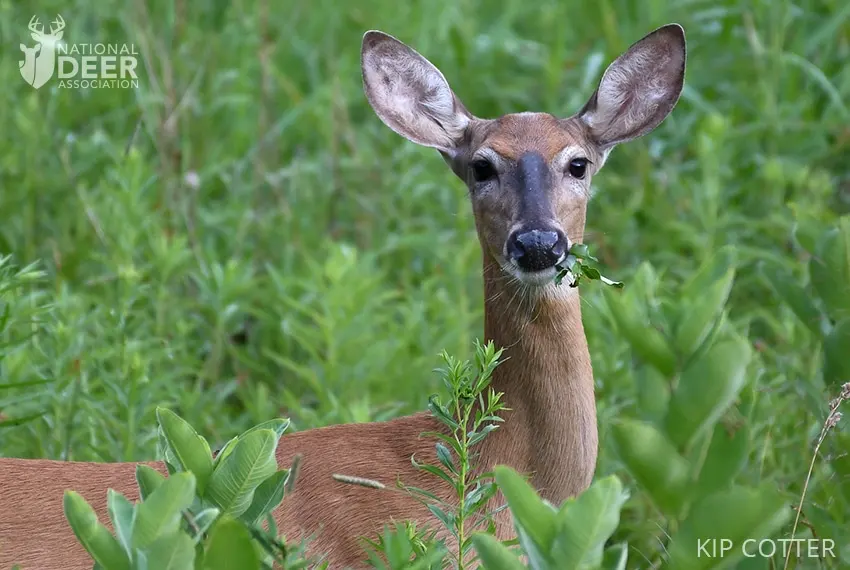
Deer are highly adaptable foragers that adjust their food intake based on seasonal availability. During the spring and summer, they focus on high-protein vegetation, such as new succulent leaves, clover, alfalfa, and various wildflowers. These nutrient-dense foods are essential for the growth of fawns and the development of antlers in males. As autumn approaches, deer shift their focus toward carbohydrate-rich foods to build fat reserves for the winter.
Acorns, beechnuts, and soft fruits like apples or berries become primary targets during the fall. When winter arrives, food sources become scarce, forcing deer to rely on "browse"—the woody parts of trees and shrubs. They consume twigs, buds, and bark from species like cedar, maple, and dogwood. Because their digestive systems are specialized for processing fiber, they can extract energy from these tough materials, though they often lose significant body mass during the coldest months.
How to identify deer-resistant garden plants
Many homeowners struggle to keep deer from consuming their ornamental gardens. While no plant is truly "deer-proof," certain species are less palatable due to strong scents, fuzzy textures, or bitter tastes. If you live in an area with a high deer population, choosing the right landscape architecture can mitigate damage. Focus on plants that deer naturally avoid under normal conditions.
- Lavender: The strong, aromatic oils act as a natural deterrent.
- Boxwood: These evergreen shrubs have a bitter taste that deer typically dislike.
- Bleeding Heart: This perennial contains compounds that make it unappealing to browsers.
- Daffodils: These bulbs contain alkaloids that are toxic to most mammals.
- Russian Sage: The silvery, pungent foliage is rarely touched by hungry deer.
By incorporating these varieties into your garden beds, you create a natural barrier that encourages deer to move toward more appetizing forage elsewhere. Always check local nursery labels for deer-resistance ratings before purchasing new shrubs.
Why do deer eat garden vegetables?
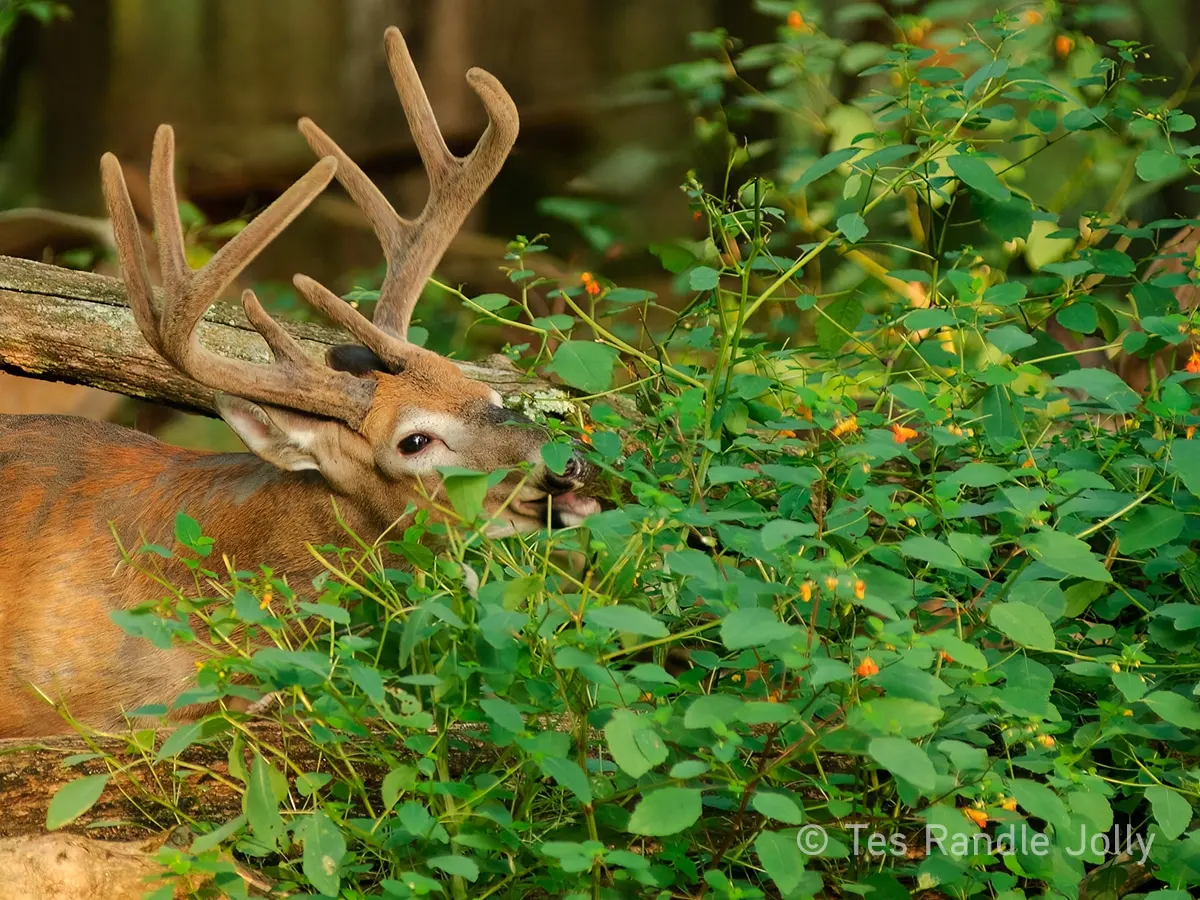
Deer are attracted to vegetable gardens because domestic crops are often more tender and nutrient-dense than wild forage. A vegetable garden acts like a buffet, providing easy access to high-moisture plants like lettuce, beans, and hostas. When natural food sources in the forest are depleted by drought or extreme cold, deer become bolder and more likely to venture into suburban areas to satisfy their caloric needs.
If you are trying to protect your crops, consider these practical steps to deter them:
- Install an eight-foot-tall physical fence, as deer can easily jump anything lower.
- Apply commercial scent-based repellents containing putrescent egg solids or garlic.
- Use motion-activated sprinklers to startle deer when they approach the garden perimeter.
- Plant a "decoy" patch of clover or alfalfa far away from your primary vegetable beds to draw them away.
Avoiding the mistake of planting highly attractive crops, such as tulips or hostas, near the edge of your property will significantly reduce the likelihood of attracting local herds.
Common mistakes when feeding deer
Many people attempt to supplement a deer's diet during the winter, believing they are helping the animals survive. However, this practice often causes more harm than good. Deer have complex, multi-chambered stomachs that require a gradual transition between different types of food. Introducing high-energy grains like corn or processed pellets too quickly can lead to acidosis, a fatal condition where the pH balance in the stomach drops, causing the animal to die despite having a full belly.
Furthermore, artificial feeding congregates deer in small areas, which increases the risk of spreading diseases like Chronic Wasting Disease (CWD). By concentrating animals, you also disrupt their natural migration patterns and encourage them to rely on humans rather than their natural instincts. The most effective way to support local deer populations is to maintain healthy, diverse native habitats on your land rather than providing supplemental food sources that can lead to long-term health complications for the herd.
Best ways to support local deer habitats
Supporting deer populations is best achieved through habitat management rather than direct feeding. By encouraging the growth of native shrubs, mast-producing trees, and diverse grasses, you provide a sustainable food source that aligns with their natural digestive requirements. Landowners can practice "timber stand improvement," which involves thinning out dense canopy trees to allow sunlight to reach the forest floor, stimulating the growth of low-lying browse.
- Plant native oak trees to provide a steady supply of acorns.
- Create brush piles to provide cover and protection from predators.
- Maintain small, open meadows that offer early-season grasses and forbs.
- Remove invasive plant species that crowd out the nutritious native vegetation.
By focusing on these long-term strategies, you ensure that deer have access to high-quality nutrition throughout the year. This approach respects the ecological balance of the environment and helps maintain healthy, resilient populations without the risks associated with human intervention or supplemental feeding programs.
Key facts
- Deer are ruminants with four-chambered stomachs, meaning they require a high-quality, easily digestible diet to thrive.
- An adult white-tailed deer consumes approximately 6 to 8 pounds of vegetation daily to maintain its body weight.
- They are classified as concentrate selectors, meaning they prefer nutrient-dense foods like young leaves, fruits, and acorns rather than low-quality grasses.
- During winter, deer switch their diet to woody browse, including the twigs, buds, and bark of trees and shrubs.
- Deer often suffer from digestive distress if fed sudden, high-carbohydrate foods like corn or bread during cold months.
- Planting native species like dogwood, viburnum, or clover is the most effective way to provide sustainable nutrition for local deer populations.
The bottom line
Deer are selective foragers that prioritize nutrient-dense vegetation like young leaves, fruits, and acorns over simple grasses. While they are highly adaptable, their digestive systems are specialized and sensitive to sudden dietary changes. Providing natural, native habitats is the most responsible way to support deer populations, as artificial feeding often leads to health complications and dangerous behavioral patterns that negatively impact both the animals and the environment.
People also ask
Can deer eat birdseed?
While deer will readily consume birdseed, it is often detrimental to their health. High-fat seeds can cause severe digestive issues, and the practice encourages deer to congregate in areas that may not be safe for them.
Do deer eat vegetable gardens?
Yes, deer are highly attracted to vegetable gardens because they offer tender, nutrient-rich foliage. Crops like beans, lettuce, and peas are particularly susceptible to browsing damage.
Is it safe to feed deer corn in the winter?
Feeding deer corn during winter can be fatal because their digestive systems are not adapted to process high-starch foods during that season. This can lead to a condition called acidosis, which can cause death even if the deer has a full stomach.
What trees do deer avoid eating?
Deer generally avoid trees with strong scents or tough textures, such as spruce, boxwood, and certain varieties of holly. Using these plants in landscaping can help reduce browsing damage in residential areas.
Do deer eat poisonous plants?
Deer are selective feeders, but they do occasionally consume toxic plants like yew or rhododendron. While they have some resistance to certain toxins, consuming these plants in large quantities can still be lethal.
How do deer find food under deep snow?
Deer use their sharp hooves to paw through snow to reach dormant grasses and fallen acorns. If the snow is too deep or crusted with ice, they rely heavily on the twigs and buds of trees and shrubs.
This answer was created with the help of AI research tools and reference sources. Spotted an error? Let us know — we correct mistakes quickly. See our editorial policy.