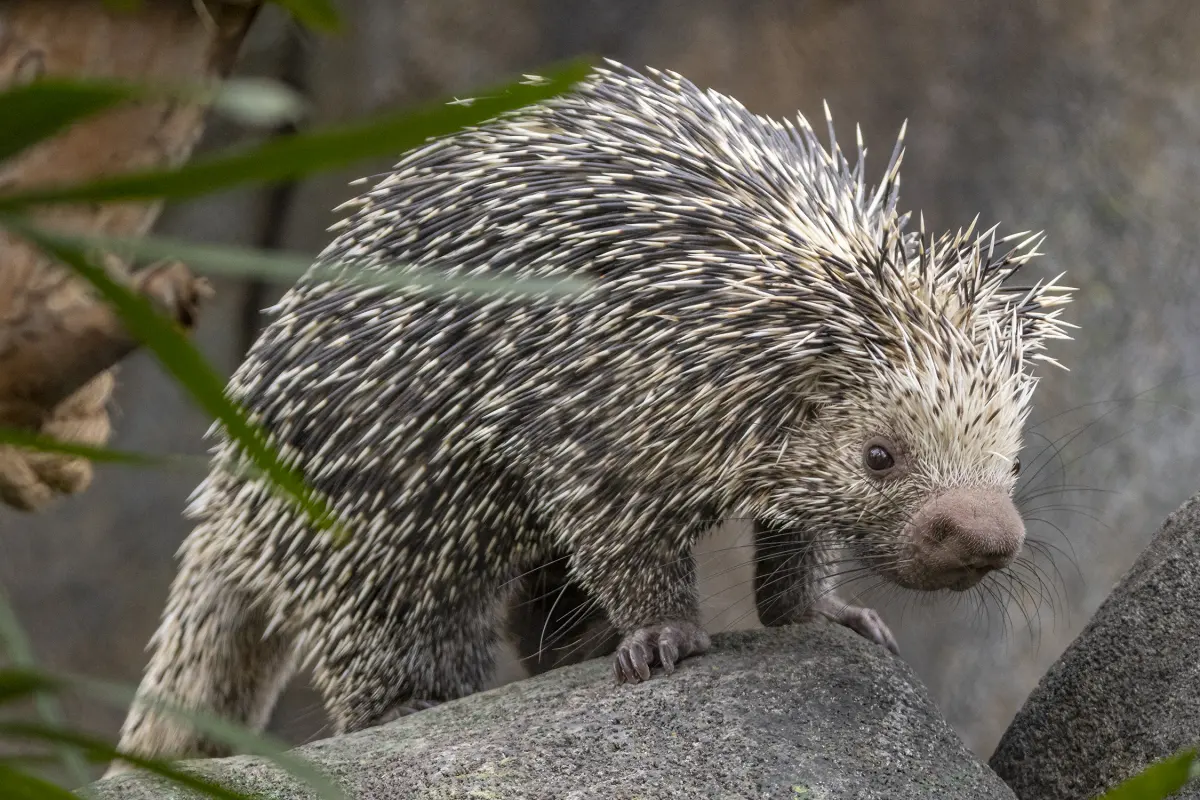
What do porcupines eat?
Short answer
Porcupines are specialized herbivores that consume a diverse array of plant materials throughout the year. Their diet primarily consists of tree bark, cambium layers, leaves, stems, fruits, and various succulent vegetation. Depending on the season and their specific geographic environment, they forage for both woody plants and soft, seasonal ground vegetation.
On this page
What do porcupines eat in the wild?
Porcupines are opportunistic foragers that adapt their diet to the seasonal availability of vegetation. During the spring and summer months, they consume a wide variety of succulent plants, including clover, grasses, dandelions, and various aquatic plants found near ponds or streams. They also feed on the leaves, buds, and flowers of shrubs and trees, which provide essential nutrients and hydration during the warmer periods of the year.
As autumn approaches and winter sets in, their diet shifts significantly toward woody materials. Because ground vegetation becomes inaccessible or dormant, porcupines rely heavily on the inner bark of trees, known as the cambium layer. This nutrient-rich tissue provides the necessary energy to survive freezing temperatures. They are particularly fond of coniferous trees, such as pine, hemlock, and spruce, as well as deciduous species like maple, birch, and elm. By gnawing through the tough outer bark, they access the softer, edible layers underneath, often leaving visible scars on tree trunks.
How do porcupines find food?
Porcupines possess a highly developed sense of smell, which is their primary tool for locating food sources across their territory. They are nocturnal animals, typically emerging at dusk to begin their foraging activities. Their slow, deliberate movement allows them to methodically inspect trees and ground cover for preferred plant species. They often return to the same feeding grounds repeatedly if the resources remain abundant and safe from predators.
Their foraging behavior is characterized by a few distinct patterns:
- Climbing trees to reach high-quality buds or leaves that are inaccessible to other ground-dwelling herbivores.
- Using their strong, sharp incisors to strip bark from the upper branches or main trunks of trees.
- Digging in the soil for roots or tubers during times when other food sources are scarce.
- Seeking out salt licks or mineral deposits to supplement their intake of essential sodium, which is often lacking in their plant-based diet.
Why do porcupines eat tree bark?
The consumption of tree bark is a biological necessity for porcupines, particularly during the winter months when other food is unavailable. The cambium layer, located between the outer bark and the wood, contains high concentrations of sugars and starch. This layer serves as the tree’s transport system for nutrients, making it a calorie-dense food source for the animal. By feeding on this layer, porcupines can maintain their body weight and energy levels despite the harsh environmental conditions.
However, this behavior can have a significant impact on the health of the trees they inhabit. While a porcupine may only strip a small section of bark from a healthy, mature tree, heavy feeding can lead to "girdling." Girdling occurs when a porcupine removes a complete ring of bark around the trunk, effectively cutting off the tree's nutrient circulation. This often results in the death of the tree above the damaged area, which can alter local forest composition over long periods of time.
Common mistakes when feeding porcupines
People often mistakenly believe that porcupines should be fed by humans, but this is a dangerous practice that should be avoided entirely. Providing supplemental food, such as human snacks or garden vegetables, can cause the animals to lose their natural fear of humans. This behavior modification often leads to nuisance issues, as the animals may start approaching homes or vehicles in search of handouts, putting both the humans and the porcupines at risk of injury.
If you are attempting to manage porcupines on your property, avoid the following common errors:
- Leaving salt blocks or mineral supplements in areas where you do not want porcupines to congregate.
- Providing water sources that attract wildlife to areas near human structures.
- Placing bird feeders or pet food outdoors, which can inadvertently draw porcupines into close proximity with pets.
- Attempting to hand-feed or approach a porcupine, which can lead to defensive reactions and painful quill injuries.
Best ways to protect trees from porcupines
If porcupines are damaging valuable trees on your property, the most effective strategy is to implement physical barriers rather than attempting to change the animal's diet. Protecting individual trees is a practical and humane way to coexist with these rodents while preserving your landscape. By creating a deterrent that the porcupine cannot easily bypass, you can encourage them to seek food elsewhere without causing them harm.
To effectively protect your trees, follow these steps:
- Wrap the base of the tree trunk with a cylinder of heavy-gauge hardware cloth or wire mesh, extending at least three feet high.
- Ensure the mesh is loose enough to allow the tree to grow, but tight enough that the porcupine cannot climb underneath it.
- Use metal flashing around the trunk if the porcupine is successfully climbing over wire mesh, as the smooth surface provides no grip for their claws.
- Keep the area around the base of the tree clear of debris or brush that might provide a platform for the porcupine to reach higher branches.
By maintaining these barriers, you can prevent the animals from accessing the bark and protect your trees from long-term damage.
Key facts
- Porcupines are herbivores that primarily consume leaves, stems, roots, and fruits.
- During winter, they rely heavily on tree bark, often stripping it away to reach the nutrient-rich inner layer called the cambium.
- They are known to travel long distances to find salt, which is essential for their mineral intake.
- North American porcupines frequently eat the needles of coniferous trees like pine, spruce, and hemlock.
- They do not hibernate, so they must maintain a steady diet throughout the coldest months of the year.
- Gardeners should avoid planting favorite porcupine snacks like roses or fruit trees if they want to deter these animals from their property.
The bottom line
Porcupines are specialized herbivores that adapt their diet to the changing seasons, shifting from soft summer greens to hardy winter bark. By consuming a wide variety of plant materials and seeking out essential mineral salts, they maintain their health in diverse forest habitats. Understanding their feeding habits is vital for coexistence, as these animals can significantly impact local vegetation and pose risks to curious domestic pets.
People also ask
Do porcupines eat meat?
No, porcupines are strictly herbivorous and do not hunt or consume other animals. While they may occasionally chew on bones or antlers to obtain calcium, they do not eat meat for sustenance.
Are porcupines dangerous to pets?
Yes, porcupines possess thousands of sharp, barbed quills that detach upon contact. If a pet approaches a porcupine, the animal may lash out with its tail, embedding quills into the pet's skin, which requires immediate veterinary removal.
Do porcupines eat pumpkins?
Porcupines are opportunistic eaters and will consume pumpkins if they are available in a garden or field. They are attracted to the sweet flesh and seeds, often leaving behind jagged tooth marks on the rind.
How much food does a porcupine eat daily?
An adult porcupine can consume several pounds of vegetation in a single night. Because their diet consists largely of low-calorie bark and needles, they must spend many hours foraging to meet their energy requirements.
Can porcupines climb trees to find food?
Yes, porcupines are excellent climbers and spend a significant portion of their lives in trees. They use their strong, curved claws to scale trunks and branches to reach the tender buds and leaves they prefer.
Do porcupines damage trees?
Excessive feeding on bark, known as girdling, can kill or severely weaken trees. When a porcupine removes a complete ring of bark around a trunk, the tree can no longer transport nutrients, often leading to its death.
This answer was created with the help of AI research tools and reference sources. Spotted an error? Let us know — we correct mistakes quickly. See our editorial policy.