What do caribou eat?
Short answer
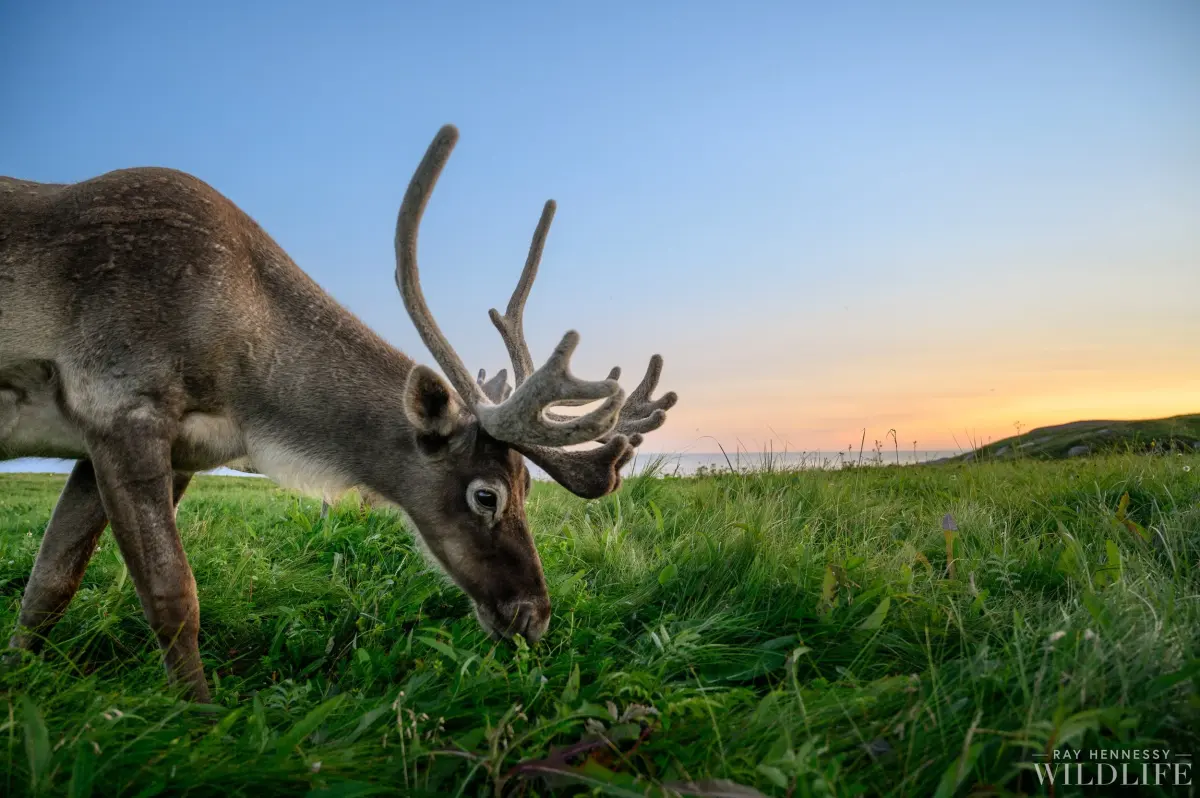
Caribou are ruminant herbivores that consume a diverse diet of vegetation across Arctic and subarctic landscapes. Their primary winter food is lichen, supplemented by mosses and shrubs. During the short summer growing season, they shift to eating nutrient-rich grasses, sedges, flowering plants, and the leaves of willow and birch trees.
On this page
What do caribou eat in the winter?
During the harsh winter months, caribou rely heavily on lichen, a symbiotic organism composed of fungi and algae. Often referred to as "reindeer moss," these lichens are essential because they provide the necessary carbohydrates to maintain body heat in subfreezing temperatures. Caribou use their broad, shovel-like hooves to crater through deep snow to reach these buried food sources. They possess a specialized sense of smell that allows them to detect lichen patches even when covered by several feet of packed snow.
While lichen is the cornerstone of their winter survival, it is relatively low in protein. To compensate for this nutritional gap, caribou may also consume:
- Dried sedges found in windswept areas.
- Small twigs and buds from woody shrubs.
- Mosses that remain accessible near rocky outcrops.
- Fungi that have been preserved by freezing temperatures.
Because lichen grows extremely slowly—often only a few millimeters per year—caribou must remain migratory. If they stayed in one location all winter, they would quickly deplete the local lichen supply, leading to starvation. Their constant movement across the tundra is a direct evolutionary response to the limited availability and slow regeneration of their primary winter forage.
What do caribou eat in the summer?
The summer season offers a brief but intense window of high-quality nutrition. As the snow melts, the tundra erupts with green vegetation, and caribou switch their diet to maximize protein and mineral intake. This rapid shift allows them to recover body mass lost during the winter and prepares them for the upcoming rutting season. They focus on highly digestible plants that provide the energy needed for lactation and calf growth.
Key summer food sources include:
- Sedges and grasses, which are abundant in wet meadow areas.
- The leaves of dwarf willow and birch shrubs.
- Various flowering plants, such as cottongrass and saxifrage.
- Mushrooms and other fungi that emerge during the warmer weeks.
This diet is significantly more nutrient-dense than their winter intake. By consuming these fast-growing plants, caribou can rapidly accumulate the fat reserves necessary to survive the following winter. The availability of these plants is highly dependent on the timing of the spring thaw; if the snow melts too late, the peak nutritional value of these plants may be missed, impacting the health of the entire herd.
How do caribou digest their food?
Caribou are ruminants, meaning they possess a complex, four-chambered stomach designed to break down tough plant cellulose. When a caribou eats, it swallows its food with minimal chewing, storing it in the rumen. Later, while resting, the animal regurgitates this partially digested material, known as "cud," to chew it thoroughly. This process increases the surface area of the plant matter, allowing symbiotic bacteria in the stomach to ferment and extract maximum nutrients.
This digestive system is highly efficient at processing the lichen that makes up the bulk of their winter diet. Lichen contains complex carbohydrates that are difficult for many other mammals to digest, but the specialized microbes in a caribou's gut break these down into volatile fatty acids. These acids are absorbed directly into the bloodstream, providing a steady source of energy. This biological adaptation is what allows caribou to thrive in environments where most other herbivores would perish from malnutrition.
Common mistakes when observing caribou feeding
People often make the mistake of approaching caribou too closely while they are foraging. Because these animals are constantly balancing their energy budget, any unnecessary movement caused by human presence forces them to burn precious calories. If you are observing a herd, it is vital to remain at a significant distance, preferably using binoculars or a spotting scope. Disturbing a feeding caribou can cause it to abandon a high-quality patch of forage, which may have long-term consequences for its survival.
Another common error is assuming that caribou are strictly grazers. While they do graze on grasses, they are actually versatile "mixed feeders" that browse on shrubs and trees as well. Feeding habits can also vary significantly between individual animals based on their age, sex, and reproductive status. For instance, a lactating female has much higher calcium and protein requirements than a bull, leading her to seek out specific mineral-rich forage that a male might ignore. Respecting their need for undisturbed access to these specific patches is essential for ethical wildlife observation.
Why do caribou migrate for food?
The migration of caribou is fundamentally a search for the best available food at the right time of year. By moving hundreds of miles, they track the "green wave" of emerging vegetation across the Arctic. They move north in the spring to reach calving grounds where the emergence of high-protein grasses coincides with the birth of their calves. This timing is critical; if they arrive too early or too late, the nutritional quality of the forage will not meet the demands of the nursing mothers.
Migration also serves as a strategy to avoid overgrazing. By shifting their range, they allow lichen mats to recover, which can take decades in some Arctic environments. This nomadic lifestyle is a delicate balance between energy expenditure and energy gain. If the distance between food sources becomes too great due to climate change or industrial development, the energy cost of travel can exceed the nutritional benefit of the food they find. Maintaining large, intact landscapes is therefore the most important factor in ensuring these animals have enough to eat throughout the year.
Key facts
- Caribou are the only deer species where both males and females grow antlers.
- Lichen, often called reindeer moss, provides up to 80 percent of a caribou's winter diet.
- During the short Arctic summer, caribou consume protein-rich sedges, grasses, and willow leaves.
- An adult caribou requires approximately 9 to 12 pounds of vegetation daily to maintain body weight.
- Their specialized hooves act as shovels, allowing them to dig through deep snow to reach buried food.
- Avoid feeding wild caribou human food, as their digestive systems are strictly adapted to high-fiber forage.
The bottom line
Caribou are highly specialized herbivores that have evolved to thrive in harsh Arctic environments. Their survival depends on a seasonal diet, shifting from protein-rich summer vegetation to energy-dense lichen during the winter months. By utilizing their unique hooves to forage through snow, these animals maintain their health across vast distances. Protecting their fragile grazing habitats remains the most important factor in ensuring the long-term viability of the species.
People also ask
Do caribou eat meat or fish?
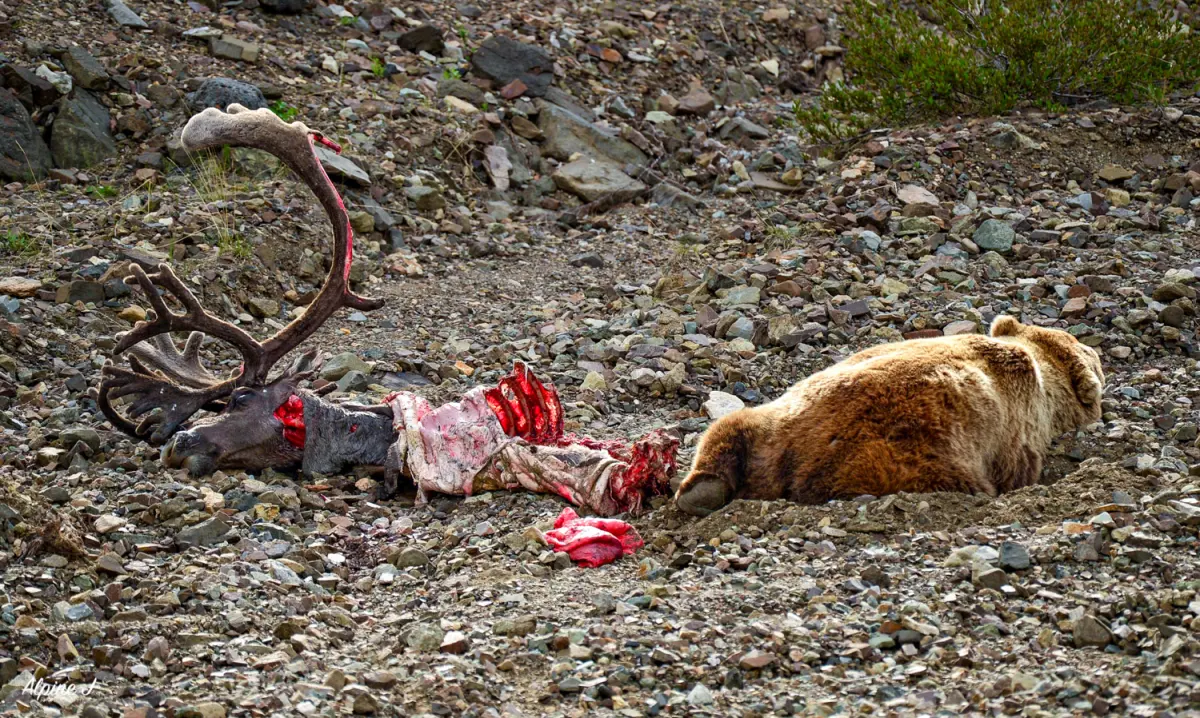
No, caribou are strictly herbivores. They do not consume animal protein, though they have been observed occasionally chewing on shed antlers to supplement their calcium intake.
How do caribou find food under deep snow?
They use their large, crescent-shaped hooves to crater through snow layers. If the snow becomes too icy or hard, they may move to wind-swept ridges where the snow cover is thinner.
Do caribou migrate specifically to find food?
Yes, their massive migrations are driven by the need to follow seasonal food availability. They move to calving grounds in the spring to access fresh, nutrient-dense grasses.
Can caribou survive on grass alone?
While they eat grasses in the summer, grass lacks the necessary energy density for winter survival. They must transition to lichen, which is high in carbohydrates, to survive the extreme cold.
What happens if their lichen supply is destroyed?
Lichen grows very slowly, sometimes taking decades to recover after a wildfire or overgrazing. If their lichen range is destroyed, caribou populations often decline significantly due to starvation.
Do caribou drink water in the winter?
During winter, caribou obtain most of their hydration by eating snow. This process requires significant body heat, which is why maintaining a high-calorie diet is critical for their survival.
This answer was created with the help of AI research tools and reference sources. Spotted an error? Let us know — we correct mistakes quickly. See our editorial policy.