How big do porcupines get?
Short answer
Porcupines vary significantly in size depending on the species. The North American porcupine typically reaches 25 to 36 inches in length and weighs between 10 and 30 pounds. Conversely, the African crested porcupine is much larger, often growing up to 33 inches long and weighing as much as 60 pounds.
On this page
How big do North American porcupines get?
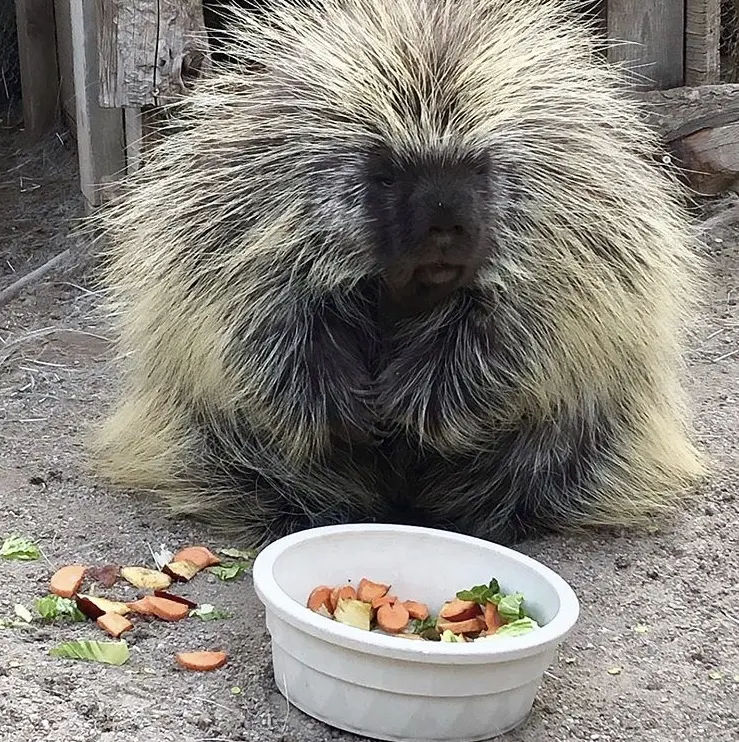
The North American porcupine (Erethizon dorsatum) is the second-largest rodent in North America, surpassed only by the American beaver. Adults generally measure between 25 and 36 inches from the nose to the tip of the tail. Their weight is highly variable, influenced by seasonal food availability and the individual's age. On average, a healthy adult weighs between 10 and 30 pounds, though some exceptionally large males can occasionally exceed these figures.
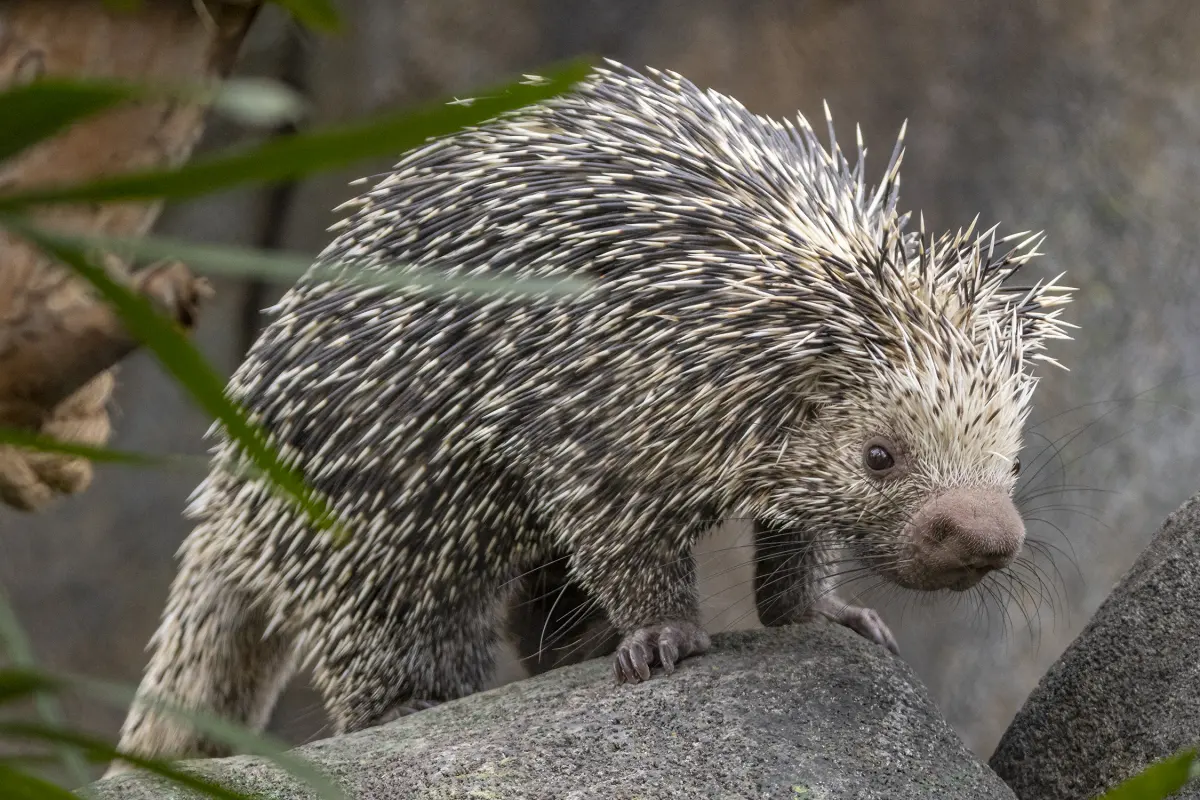
These animals possess a stocky build, short legs, and a rounded snout, which helps them conserve heat in cold climates. Their size is further emphasized by their dense coat of quills, which can stand erect when the animal feels threatened. While they appear quite bulky, much of their perceived size comes from their thick fur and defensive posture rather than pure muscle mass.
What are the largest porcupine species?
The Old World porcupines, specifically the African crested porcupine (Hystrix cristata), represent the largest members of the porcupine family. These robust rodents can reach lengths of 24 to 33 inches, excluding their tail, which adds another 3 to 5 inches. In terms of mass, they are significantly heavier than their North American counterparts, frequently weighing between 30 and 60 pounds.
Their physical structure is designed for terrestrial life, featuring powerful limbs and long, sharp quills that provide formidable protection against predators like lions and hyenas. Because of their significant size, they require a substantial daily intake of vegetation to maintain their body condition. Their growth patterns are generally consistent, with males and females reaching similar adult dimensions, though females may occasionally appear slightly larger during reproductive cycles.
How do porcupines grow throughout their lives?
Porcupines are born relatively well-developed, a trait known as being precocial. At birth, a porcupine "porcupette" weighs approximately one pound and is already covered in soft quills that harden within hours. Growth is rapid during the first few months of life as the young animal transitions from nursing to foraging for solid plant matter.
- Birth: Porcupettes weigh about one pound and possess soft, flexible quills.
- Juvenile stage: Within six months, they begin to forage independently and gain weight steadily.
- Maturity: By 18 to 24 months, most porcupines reach their full adult size and sexual maturity.
- Adulthood: Size remains relatively stable, though weight may fluctuate significantly based on seasonal access to tree bark and foliage.
This rapid early growth is essential for survival, as it allows young porcupines to develop the defensive capabilities necessary to deter predators early in their lives.
How to estimate a porcupine's size in the wild?
Estimating the size of a wild porcupine requires careful observation from a safe distance. Because these animals are primarily nocturnal and solitary, spotting one is often a rare event. When viewing a porcupine, it is easy to overestimate its size because of its defensive quill-raising behavior. When a porcupine feels threatened, it flares its quills, making its body profile look significantly larger than it actually is.
To get an accurate sense of scale, observe the animal in relation to known environmental markers:
- Compare the porcupine to the diameter of the tree trunk it is climbing.
- Look for the length of the tail, which is usually proportional to the body but shorter than the total length of the animal.
- Note the height of the animal relative to low-lying brush or grass.
Using these environmental cues helps distinguish between a juvenile and a fully grown adult without needing to approach the animal directly.
Common mistakes when observing porcupines
One of the most common mistakes is assuming that a porcupine is aggressive simply because of its size and defensive appearance. In reality, porcupines are generally docile and prefer to retreat or remain still rather than engage in conflict. Another frequent error is approaching a porcupine too closely, which can lead to a dangerous encounter if the animal feels cornered.
- Never attempt to touch or handle a porcupine, as they can release quills with minimal contact.
- Avoid making loud noises or sudden movements that might startle the animal into a defensive posture.
- Do not mistake a porcupine for a smaller, harmless mammal; always maintain a distance of at least 20 feet.
- Remember that porcupines are excellent climbers, so do not assume you are safe just because you are standing near a tree.
By respecting their space and understanding their natural behavior, you can safely observe these fascinating rodents in their natural habitat without causing them unnecessary stress or risking your own safety.
Key facts
- The North American porcupine is the second-largest rodent in North America, surpassed only by the beaver.
- Adult North American porcupines typically weigh between 10 and 28 pounds, though males can occasionally reach 40 pounds.
- Their total body length, including the tail, generally ranges from 25 to 36 inches.
- The African crested porcupine is the largest species in the world, often weighing up to 60 pounds.
- Porcupines do not "shoot" their quills; the quills are loosely attached and detach upon contact with a predator.
- Avoid approaching a porcupine, as they can swing their tails with surprising speed to embed quills into perceived threats.
The bottom line
Porcupines vary significantly in size depending on the species, with the North American variety reaching up to 28 pounds and the African crested species growing up to 60 pounds. While these rodents are fascinating to observe, they are best admired from a distance. Their defensive quills pose a genuine risk to pets and humans, making it essential to keep a respectful distance when encountering them outdoors.
People also ask
Do porcupines lose their quills?
Yes, porcupines lose their quills naturally as they age, and they are replaced by new ones. Quills also detach easily when they become embedded in the skin of an animal that touches or attacks the porcupine.
Are porcupines dangerous to household pets?
Porcupines are a significant danger to curious dogs, as pets often attempt to bite or investigate them. If your pet is quilled, seek veterinary care immediately to prevent infection and ensure all barbs are removed safely.
What do porcupines eat in the wild?
They are herbivores that primarily feed on tree bark, cambium, roots, stems, and berries. During the winter, they rely heavily on conifer needles and inner tree bark to survive when other vegetation is scarce.
Can porcupines climb trees?
Most porcupine species are excellent climbers and spend a significant amount of time in trees. Their feet have specialized pads and long claws that provide a strong grip on branches.
How long do porcupines live?
In the wild, North American porcupines typically live for 5 to 7 years. With fewer predators and access to consistent food, captive individuals can occasionally live for more than 15 years.
Do porcupines hibernate during the winter?
Porcupines do not hibernate, though they become much less active during extreme cold. They often seek shelter in rock dens, hollow logs, or abandoned burrows to conserve body heat until the weather improves.
This answer was created with the help of AI research tools and reference sources. Spotted an error? Let us know — we correct mistakes quickly. See our editorial policy.