How long do squirrels live?
Short answer
Squirrels typically live between two and six years in the wild, depending heavily on their species and environment. While many succumb to predators or disease within their first year, those that reach adulthood often survive for several years. In protected environments like zoos or captivity, some squirrels can live up to fifteen years.
On this page
How long do different squirrel species live?
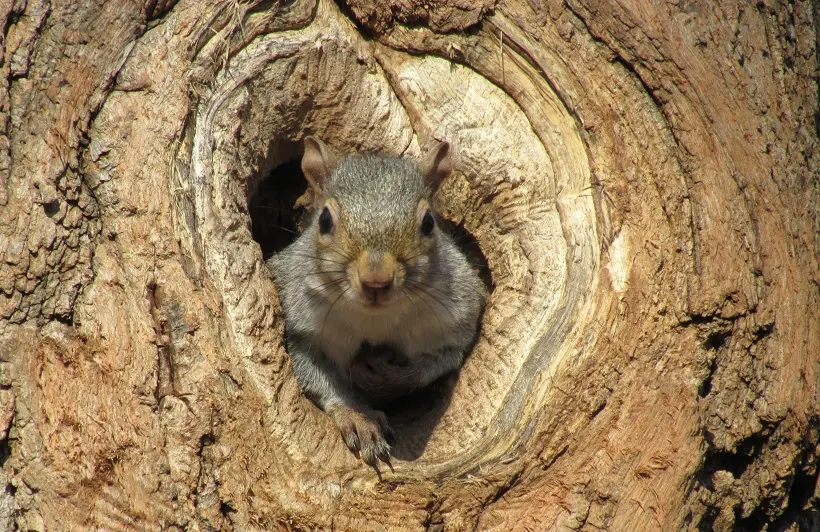
The lifespan of a squirrel varies significantly based on its specific classification. Tree squirrels, such as the common Eastern gray squirrel, generally live about three to five years in their natural habitat. Smaller species, like chipmunks or ground squirrels, often have shorter lifespans due to higher predation rates and harsher environmental exposures. Conversely, larger species or those living in stable, resource-rich climates may extend their longevity slightly beyond these averages.
It is a common misconception that all squirrels share the same life expectancy. Factors such as body size, reproductive frequency, and metabolic rates play a role in determining how long an individual survives. While some individuals may reach the age of ten in the wild, these cases are statistically rare. Most squirrels face a constant struggle for survival against natural elements and constant threats from predators.
- Eastern Gray Squirrel: 3–6 years in the wild.
- Red Squirrel: 3–5 years in the wild.
- Flying Squirrel: 4–6 years in the wild.
- Fox Squirrel: 5–8 years in the wild.
Why do squirrels have such short lifespans?
The primary reason for the relatively short lifespan of a wild squirrel is the intense pressure from predators. Hawks, owls, snakes, foxes, and domestic cats constantly hunt squirrels, making the first year of life the most dangerous. A squirrel must learn to navigate its environment quickly to avoid becoming a meal, and those that fail to develop these survival skills rarely reach maturity.
Beyond predation, environmental hazards significantly impact survival rates. Harsh winters, lack of food, and infectious diseases are major contributors to mortality. Squirrels often suffer from parasites or accidents, such as falling from high branches or encountering traffic on roadways. Because they are small mammals with high metabolic needs, they must spend a large portion of their day foraging, which exposes them to these risks repeatedly throughout their short lives.
How does captivity affect squirrel longevity?
When removed from the dangers of the wild, squirrels often live much longer lives. In a controlled environment like a sanctuary or zoo, they are protected from predators, receive consistent nutrition, and have access to veterinary care. These factors eliminate many of the leading causes of death, allowing them to reach their biological potential. It is not uncommon for a well-cared-for squirrel in captivity to live between twelve and fifteen years.
However, keeping a squirrel in captivity is not a simple task and is often illegal without proper permits. They require specialized diets, significant space for exercise, and enrichment to prevent psychological distress. Without these conditions, a captive squirrel may suffer from malnutrition or stress-related illnesses, which can negate the benefits of being protected from predators. Providing a long, healthy life for a squirrel requires a deep understanding of their complex biological and social needs.
Common mistakes when caring for injured squirrels
If you find an injured squirrel, the most common mistake is attempting to keep it as a pet. Squirrels are wild animals that require specific rehabilitation protocols to survive if they are ever to be released back into the wild. Attempting to feed a squirrel human food, such as bread or dairy, can lead to severe digestive issues or metabolic bone disease, which is often fatal.
Another frequent error is handling the animal without proper protection. Squirrels can carry parasites and may bite or scratch when they are frightened or in pain. If you encounter an injured squirrel, follow these steps to ensure the best outcome for the animal:
- Contact a licensed wildlife rehabilitator immediately before touching the animal.
- Place the squirrel in a secure, ventilated box lined with a soft cloth.
- Keep the box in a dark, quiet, and warm location away from pets and children.
- Do not offer food or water, as this can cause the animal to choke or aspirate.
How to support squirrel health in your backyard
You can help local squirrels thrive by creating a safe and resource-rich environment. Providing a consistent source of clean water is one of the most effective ways to support them, especially during dry summer months or freezing winters. Additionally, planting native trees that produce nuts and seeds provides a natural, sustainable food source that helps them build the fat reserves necessary to survive the winter.
Avoid using pesticides or rodenticides in your garden, as these chemicals can be lethal to squirrels if ingested. If you choose to provide supplemental feed, ensure that the feeders are cleaned regularly to prevent the spread of diseases, such as squirrel pox. By minimizing human-made hazards and providing a stable habitat, you contribute to the overall health and safety of the local population, potentially helping them reach the upper end of their natural life expectancy.
Key facts
- Wild squirrels typically live between 2 and 6 years, depending on their species and environment.
- Eastern gray squirrels in captivity can live up to 20 years due to consistent food and safety.
- Predation by hawks, owls, cats, and foxes is the leading cause of death for young squirrels.
- Squirrels often face high mortality rates during their first year, with many failing to survive their first winter.
- Providing supplemental food in winter can help squirrels survive, but avoid processed human snacks like bread or chocolate.
- Keeping bird feeders clean and elevated helps prevent squirrels from contracting diseases that shorten their lifespans.
The bottom line
While squirrels have the biological potential to live for nearly two decades in protected environments, their lives in the wild are significantly shorter. Most squirrels survive only a few years due to the constant pressures of predation, climate, and human interaction. Providing a safe, natural habitat and avoiding the use of harmful pesticides are the best ways to support the local squirrel population’s health and longevity.
People also ask
Do squirrels die of old age in the wild?
It is extremely rare for a wild squirrel to die of old age. Most succumb to predation, disease, or accidents like vehicle collisions before they reach their biological maximum age.
How can I tell how old a squirrel is?
Determining the exact age of a wild squirrel is difficult without professional examination. Generally, younger squirrels are smaller, have thinner tails, and display more erratic, inexperienced behavior than older adults.
Do male and female squirrels live the same amount of time?
Female squirrels often live slightly longer than males. This is primarily because males are more likely to travel long distances in search of mates, which increases their exposure to predators and traffic.
Does the weather affect squirrel longevity?
Severe winters with extreme cold and food scarcity significantly reduce survival rates. Squirrels rely on stored caches of nuts, and a failure to secure enough food often leads to starvation.
Are urban squirrels healthier than rural squirrels?
Urban squirrels often have access to more consistent food sources, but they face higher risks from cars and domestic pets. Rural squirrels deal with more natural predators but have more natural habitat and fewer human-related hazards.
Can I help an injured squirrel live longer?
If you find an injured squirrel, contact a licensed wildlife rehabilitator immediately. Attempting to treat or feed the animal yourself is a common mistake that often leads to further stress or improper care.
This answer was created with the help of AI research tools and reference sources. Spotted an error? Let us know — we correct mistakes quickly. See our editorial policy.