How long do bats live?
Short answer
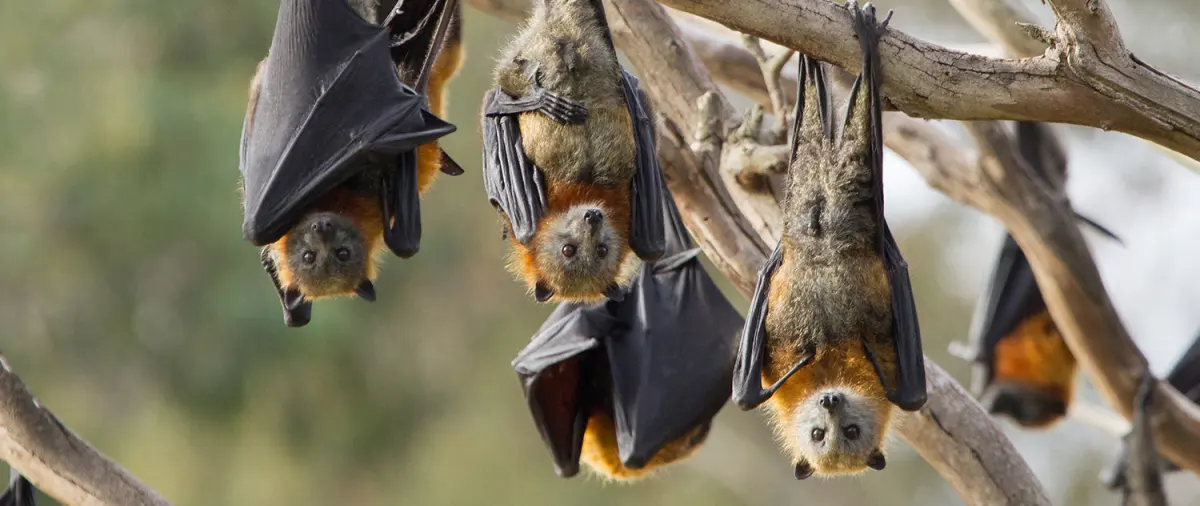
Most bat species live between 10 and 30 years, which is exceptionally long for small mammals. While many small rodents live only a few years, bats benefit from low predation rates due to flight and hibernation cycles. Some species, such as Brandt’s bat, have been documented living over 40 years in the wild.
On this page
Why do bats live so long?
Bats possess unique biological adaptations that allow them to defy the typical aging patterns seen in other small mammals. While a mouse of similar size might live only one or two years, bats have evolved mechanisms to repair DNA damage and maintain cellular health. Their ability to enter torpor or hibernation significantly lowers their metabolic rate, effectively pausing the aging process during colder months when food is scarce.
Furthermore, flight provides a distinct evolutionary advantage by allowing bats to escape terrestrial predators that would easily catch other small animals. Because they face fewer threats, they have not evolved the "live fast, die young" strategy common in other prey species. This combination of physiological resilience and environmental protection contributes to their remarkable longevity. Scientists continue to study these animals to understand how they resist age-related diseases like cancer and cognitive decline.
How long do different bat species live?
Longevity varies significantly across the more than 1,400 known species of bats. Generally, larger bats tend to have longer lifespans, but even tiny species can reach impressive ages. Researchers track these lifespans by banding individual bats and observing them over decades in their natural habitats.
- Brandt’s bat (Myotis brandtii): Often lives over 40 years.
- Little brown bat (Myotis lucifugus): Frequently reaches 30 years in the wild.
- Mexican free-tailed bat (Tadarida brasiliensis): Typically lives 10 to 15 years.
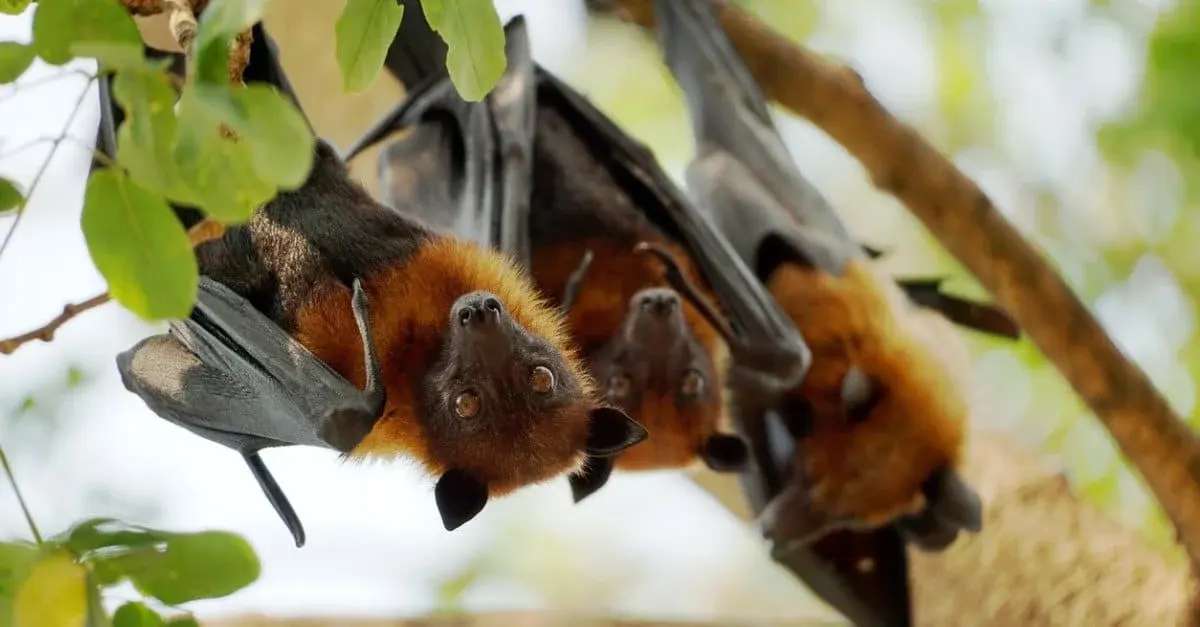
- Flying foxes (Pteropus): Can live up to 20 or 30 years in protected environments.
These figures represent maximum potential rather than the average for every individual. Environmental factors, such as habitat loss and disease, often cut these lifespans short in the wild. Young bats face the highest mortality rates during their first year of life as they learn to hunt and navigate.
What factors affect a bat's lifespan?
The survival of a bat depends heavily on its immediate environment and the availability of resources. Bats require safe roosting sites, such as caves, hollow trees, or man-made structures, to protect them from the elements and predators. If a roost is disturbed or destroyed, the colony may be forced into more vulnerable locations, significantly decreasing their life expectancy.
- Food availability: Consistent access to insects or fruit is vital for maintaining fat reserves.
- Disease pressure: Outbreaks like White-Nose Syndrome have drastically reduced populations of hibernating species.
- Climate stability: Extreme weather events can disrupt hibernation cycles, causing bats to burn through energy stores too quickly.
- Human interference: Pesticide use reduces insect populations, while light pollution can disrupt nocturnal hunting patterns.
When these factors are managed, populations remain stable and individuals are more likely to reach their full biological potential. Conservation efforts focusing on protecting roosting sites are essential for maintaining these long-lived populations.
Common mistakes when observing bats
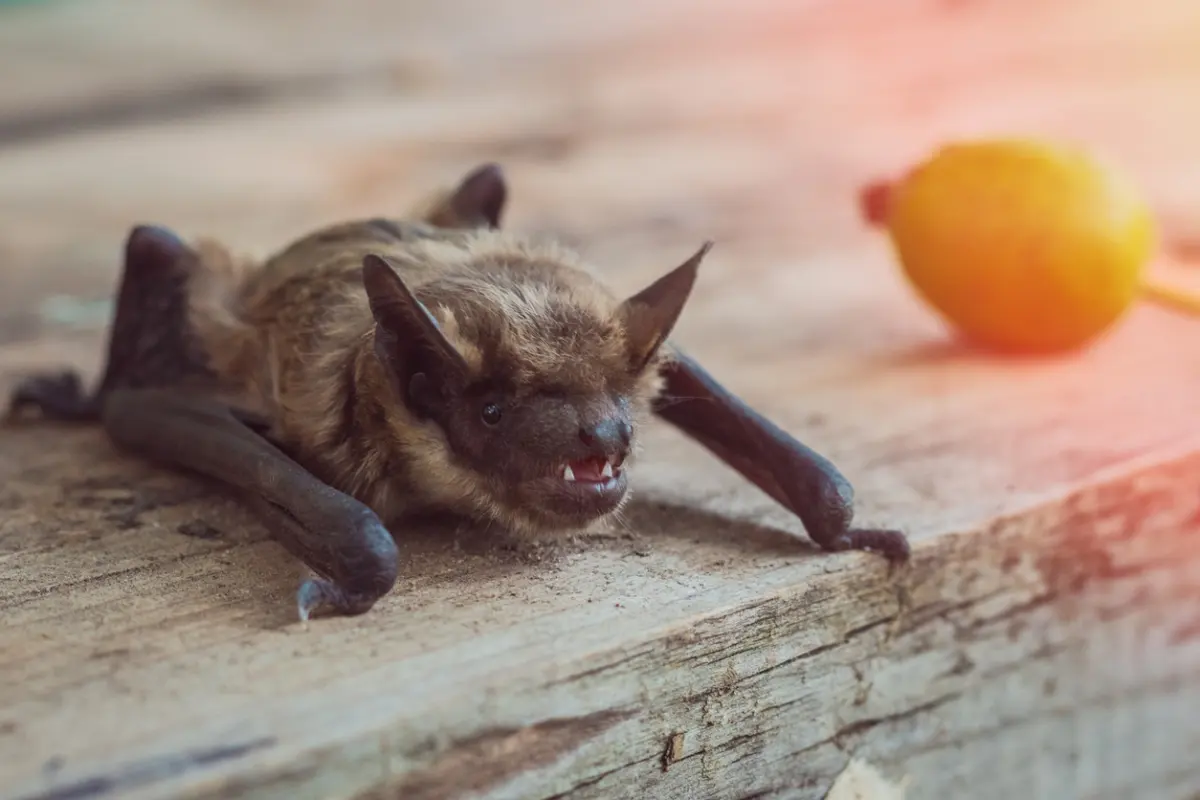
Many people attempt to interact with bats without understanding the risks to the animal or themselves. One of the most frequent errors is attempting to handle a grounded bat without professional training. If you find a bat on the ground, it may be sick, injured, or simply a juvenile that has fallen from its roost.
- Never touch a bat with bare hands, as they can carry rabies or other pathogens.
- Avoid using bright flashlights or cameras with flashes near roosting sites, as this causes unnecessary stress.
- Do not attempt to feed a bat, as their specific dietary needs are difficult to replicate in captivity.
- Refrain from entering caves during hibernation periods, as human presence can wake them and deplete their vital energy reserves.
If you believe a bat is in need of assistance, contact a local wildlife rehabilitator or your state’s wildlife agency. They have the expertise to handle the animal safely and provide the necessary care to ensure its survival.
How to support bat longevity
Supporting bat populations in your own backyard can have a positive impact on their survival rates. Because bats are essential for pest control and pollination, creating a bat-friendly environment is a practical way to contribute to local biodiversity. Start by installing a bat house, which provides a secure, artificial roost that mimics the conditions of a natural hollow tree.
- Mount the bat house at least 12 to 20 feet high on a pole or the side of a building.
- Ensure the house receives at least six to eight hours of direct sunlight to maintain warmth.
- Plant native night-blooming flowers to attract the moths and insects that bats rely on for food.
- Eliminate the use of chemical pesticides in your garden to ensure a healthy food supply.
By providing a safe habitat and reducing environmental stressors, you help ensure that these long-lived mammals can continue to thrive in your area for many years to come. Protecting these creatures is a long-term investment in the health of our local ecosystems.
Key facts
- Most small bat species live between 10 and 20 years in the wild.
- The Brandt’s bat (Myotis brandtii) holds the record for longevity, with one individual documented living for 41 years.
- Smaller mammals typically have shorter lifespans, but bats are an evolutionary exception because they can enter torpor to conserve energy.
- Bats reach sexual maturity relatively late compared to other small mammals, often waiting until their second year to breed.
- High survival rates in adult bats are linked to their ability to fly, which helps them evade many terrestrial predators.
- If you find a grounded bat, do not touch it with your bare hands, as some bats can carry rabies; contact a local wildlife rehabilitator instead.
The bottom line
While most small mammals have short lives, bats are remarkable for their extreme longevity. By utilizing flight to escape predators and entering torpor to survive harsh winters, many species thrive for decades. Their slow reproductive rates and high adult survival strategies make them unique in the animal kingdom. Protecting their natural habitats remains the most effective way to ensure these long-lived mammals continue to flourish globally.
People also ask
Do bats die shortly after giving birth?
No, bats do not die after reproducing. Most female bats produce only one pup per year, and they invest significant energy into nursing and protecting their young to ensure survival.
Does hibernation affect how long a bat lives?
Yes, hibernation is a key factor in bat longevity. By lowering their body temperature and metabolic rate during winter, bats reduce wear and tear on their bodies, significantly extending their potential lifespan.
Do bats in captivity live longer than those in the wild?
Not necessarily, as wild bats are well-adapted to their environments. While captive bats may avoid predators, they often face stress or dietary issues that can shorten their lives compared to healthy wild populations.
How can you tell the age of a bat?
Researchers determine a bat's age by examining the joints in its wings. In young bats, the finger bones have open growth plates that appear as gaps, while these plates are fully fused in adult bats.
Are there specific threats that shorten a bat's life?
White-nose syndrome is a major threat that has killed millions of hibernating bats in North America. Habitat loss, wind turbine collisions, and pesticide exposure also significantly reduce life expectancy for many species.
Do all bat species have the same lifespan?
No, lifespan varies greatly between species. While some small, tropical bats may live only 5 to 10 years, larger species or those that hibernate in temperate climates consistently live much longer.
This answer was created with the help of AI research tools and reference sources. Spotted an error? Let us know — we correct mistakes quickly. See our editorial policy.