What is Machu Picchu?
Short answer
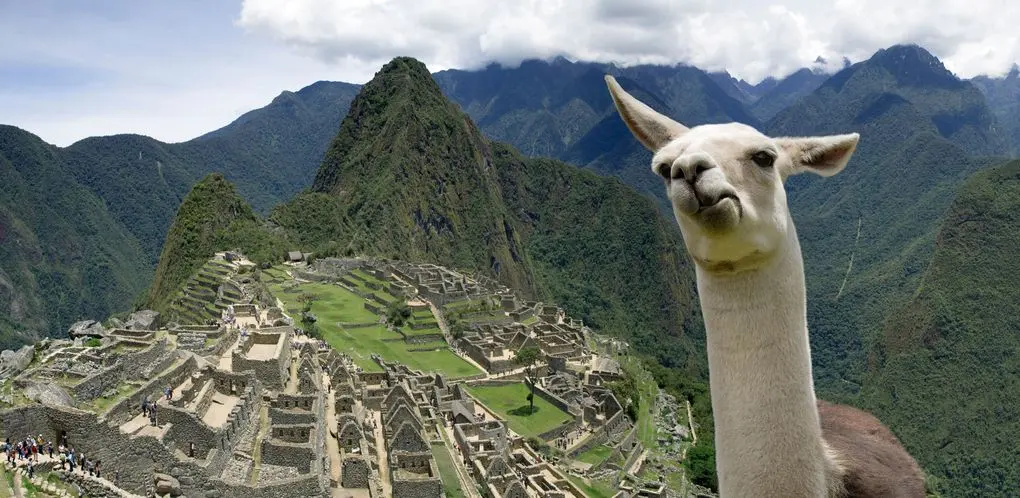
Machu Picchu is a 15th-century Incan citadel situated on a mountain ridge 7,970 feet above sea level in Peru. Built by Emperor Pachacuti around 1450, it served as a royal estate or religious retreat. Abandoned during the Spanish Conquest, it remained largely unknown to the outside world until Hiram Bingham’s 1911 expedition.
On this page
Why was Machu Picchu built?
Historians believe Machu Picchu was constructed as a royal estate for the Incan Emperor Pachacuti. Its location was chosen for its astronomical significance and proximity to the sacred Urubamba River. The site functioned as a retreat for the elite, featuring sophisticated residential quarters, ceremonial plazas, and agricultural terraces designed to sustain a small, permanent population.
The architecture reflects the pinnacle of Incan engineering, utilizing the ashlar technique where stones are cut to fit together perfectly without mortar. This method allowed the structures to withstand the frequent seismic activity common in the Andes. Beyond its residential purpose, the site served as a vital spiritual center, aligning with sacred mountains known as "apus."
How do you get to Machu Picchu?
Reaching the citadel requires a multi-stage journey, typically beginning in the city of Cusco. Most travelers take a train from Poroy or Ollantaytambo to the town of Aguas Calientes, located at the base of the mountain. From there, a shuttle bus transports visitors up the winding Hiram Bingham Highway to the entrance gates.
For those seeking a more traditional experience, trekking remains a popular alternative. The classic Inca Trail takes four days to complete, following ancient stone paths through high-altitude mountain passes. Regardless of the method, all visitors must secure entry tickets well in advance due to strict daily capacity limits imposed by the Peruvian government to preserve the site.
- Fly into Alejandro Velasco Astete International Airport in Cusco.
- Acclimatize to the high altitude for at least two days to prevent sickness.
- Book your train tickets to Aguas Calientes at least one month ahead.
- Purchase your official park entry permit through the government website.
- Take the shuttle bus or hike the final steep ascent to the ruins.
What is the best time to visit?
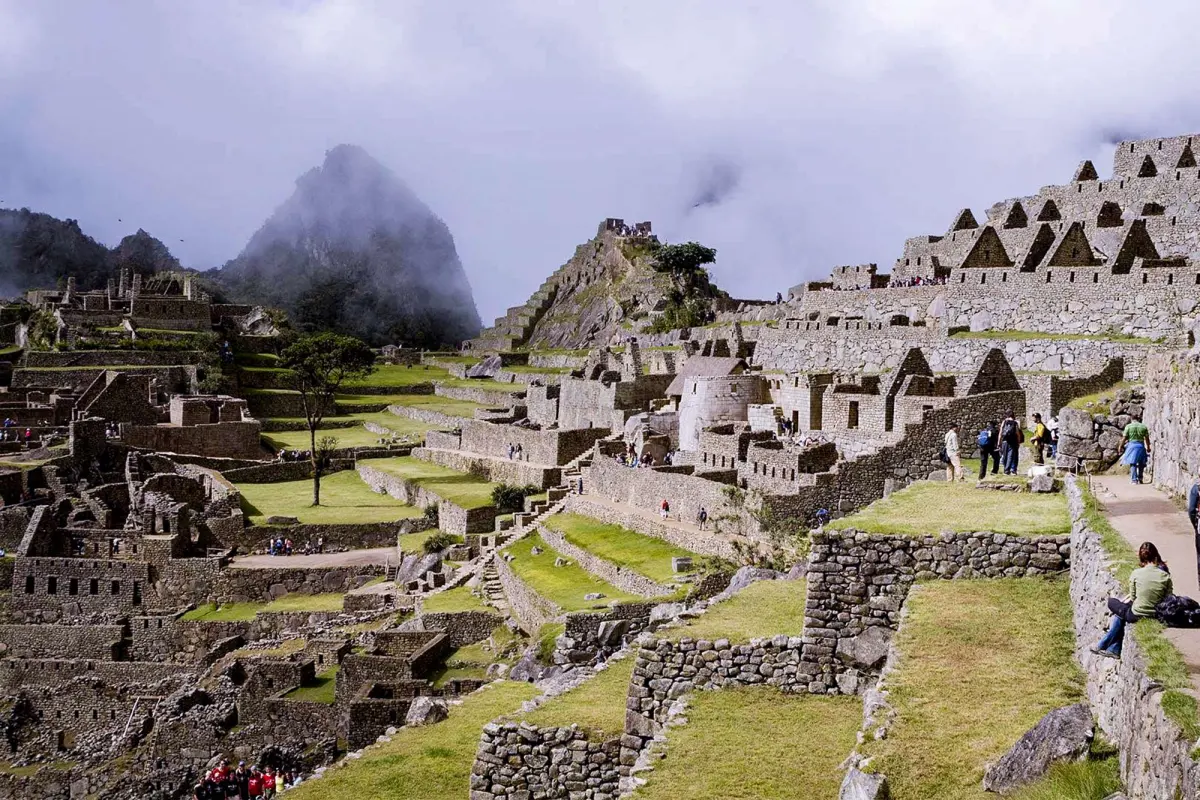
The ideal time to visit Machu Picchu is during the dry season, which runs from May to October. During these months, the skies are generally clear, providing unobstructed views of the surrounding peaks and the iconic Huayna Picchu mountain. However, these months are also the peak tourist season, meaning the site will be more crowded.
The shoulder months of April and November offer a balance of manageable weather and fewer visitors. The rainy season, occurring from December to March, brings heavy precipitation and occasional trail closures. If you choose to visit during the wet months, you will see the ruins surrounded by lush, vibrant greenery, though you must be prepared for frequent fog and slippery stone paths.
- May to June: Best for photography and clear mountain views.
- July to August: Peak season; expect long queues and high demand for tickets.
- November: Good for avoiding the largest crowds before the heaviest rains.
- January to February: Heavy rain; the Inca Trail is typically closed for maintenance.
Common mistakes when visiting Machu Picchu
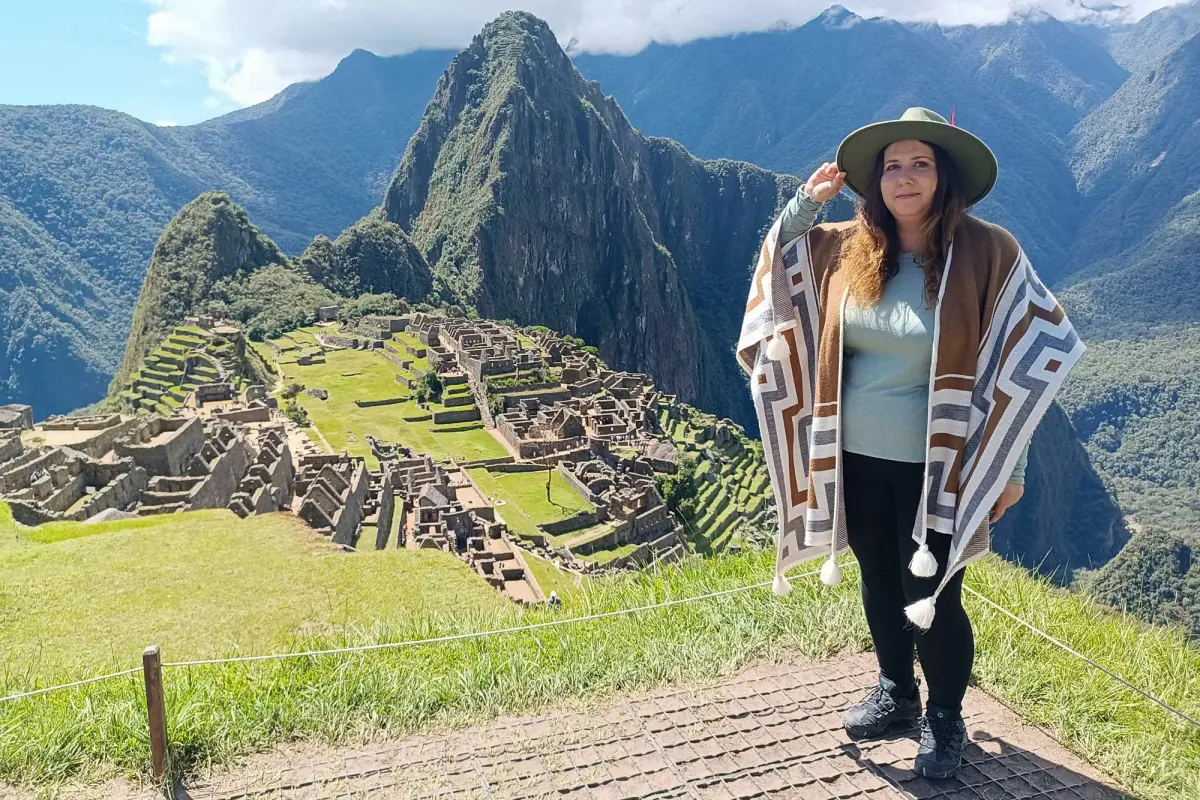
One of the most frequent errors visitors make is failing to account for the extreme altitude. Cusco sits at over 11,000 feet, and Machu Picchu is lower but still demanding. Rushing into strenuous activity immediately upon arrival can lead to severe altitude sickness, which includes headaches, nausea, and dizziness. Always prioritize rest and hydration during your first 48 hours in the region.
Another mistake is neglecting to book permits early. Because the government limits the number of daily visitors, tickets sell out months in advance, especially for the popular hike up Huayna Picchu. Additionally, many travelers underestimate the physical exertion required to navigate the site. The ruins feature thousands of uneven stone steps and steep inclines, so wearing sturdy, broken-in hiking boots is essential for safety and comfort.
What should you see at the site?
The site is divided into distinct sectors, each offering a unique perspective on Incan life. The Temple of the Sun is a masterpiece of masonry, featuring a curved wall that aligns with the sun during the winter solstice. Nearby, the Intihuatana stone served as a ritual clock or calendar, demonstrating the advanced astronomical knowledge possessed by the Inca civilization.
The residential area, or the Urban Sector, showcases the layout of the city, including the Temple of the Three Windows and the House of the High Priest. As you explore, take time to appreciate the agricultural terraces that cling to the mountainside, which were used to grow crops like maize and potatoes. These terraces also played a crucial role in soil stabilization, preventing the entire complex from sliding down the steep slopes during the heavy Andean rains.
Key facts
- Machu Picchu is a 15th-century Incan citadel located in the Eastern Cordillera of southern Peru, perched 7,970 feet above sea level.
- It was built around 1450, likely as an estate for the Incan emperor Pachacuti, and abandoned roughly a century later during the Spanish Conquest.
- The site features over 150 buildings, including temples, sanctuaries, and residential quarters, all constructed without mortar using the "ashlar" technique.
- Visitors must purchase entry tickets well in advance, as daily capacity is strictly limited to protect the structural integrity of the ruins.
- The most common way to reach the site is by taking a train from Cusco or Ollantaytambo to Aguas Calientes, followed by a short bus ride.
- To avoid altitude sickness, spend at least two days acclimating in Cusco or the Sacred Valley before attempting to hike or tour the ruins.
The bottom line
Machu Picchu stands as a remarkable testament to Incan engineering and architectural ingenuity. Nestled high within the Andes, this UNESCO World Heritage site offers a profound glimpse into a sophisticated pre-Columbian civilization. By planning your visit during the dry season, securing permits early, and respecting local conservation rules, you can experience one of the world’s most iconic archaeological treasures while helping to ensure its long-term preservation.
People also ask
Why was Machu Picchu abandoned?
While the exact cause remains debated, historians believe the site was abandoned following the Spanish conquest of the Inca Empire. Outbreaks of smallpox brought by Europeans likely decimated the population, leading to the site's eventual decline and obscurity.
Is it possible to hike to Machu Picchu?
Yes, the classic four-day Inca Trail is the most famous route, passing through mountain passes and ancient ruins before arriving at the Sun Gate. Alternative treks like the Salkantay or Lares routes offer different scenery and varying levels of difficulty.
What is the best time of year to visit?
The dry season, which runs from May to October, offers the clearest skies and best conditions for photography and hiking. However, these months are also the busiest, so booking your trip several months in advance is essential.
Do I need a guide to enter the site?
As of recent regulations, all visitors are required to be accompanied by an official tour guide while exploring the ruins. This helps manage foot traffic and ensures the preservation of the delicate stone structures.
What items are prohibited inside the citadel?
You cannot bring large backpacks, tripods, selfie sticks, or drones into the site to prevent damage and congestion. Additionally, walking sticks are only permitted if they have rubber tips to protect the ancient stone floors.
How long does it take to tour the ruins?
A standard circuit through the main sectors of the citadel typically takes between two and three hours. This allows enough time to see the Temple of the Sun, the Intihuatana stone, and the primary residential areas.
This answer was created with the help of AI research tools and reference sources. Spotted an error? Let us know — we correct mistakes quickly. See our editorial policy.