What are the benefits of visiting museums?
Short answer
Visiting museums fosters lifelong learning, cultural empathy, and cognitive stimulation. These institutions preserve human history, art, and scientific achievement, offering immersive environments that encourage critical thinking. By engaging with authentic artifacts, visitors gain unique perspectives on global heritage, improve their mental well-being, and discover inspiration through direct interaction with significant historical narratives.
On this page
Why are museums important for education?
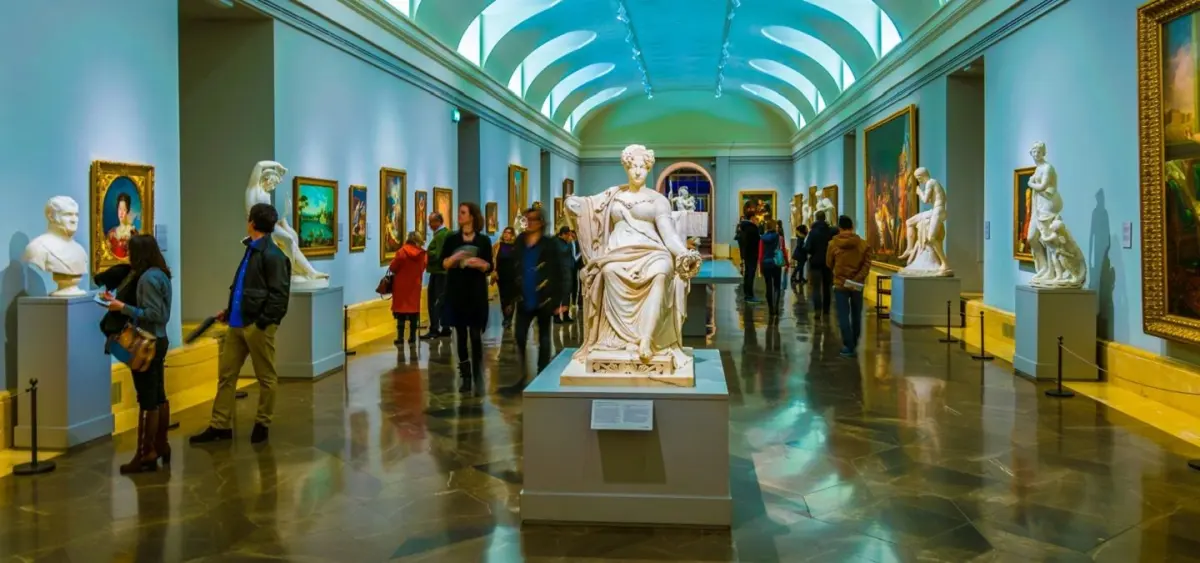
Museums serve as essential repositories of human knowledge, acting as "living classrooms" that bridge the gap between abstract theory and tangible history. Unlike textbooks, which provide static information, museums offer primary source material—such as the Rosetta Stone at the British Museum or the Apollo 11 command module at the National Air and Space Museum—that anchors learning in physical reality. This multisensory approach helps students and adults alike grasp complex historical timelines and scientific principles more effectively.
Research indicates that museum-goers often retain information better due to the "contextual effect" of viewing objects within their cultural or chronological setting. By presenting curated narratives, museums help visitors synthesize information, fostering a deeper understanding of how past events influence contemporary society. Whether through interactive science exhibits or fine art galleries, these spaces stimulate curiosity and encourage independent research. They provide a structured yet flexible environment where visitors can explore topics at their own pace, reinforcing the value of lifelong learning.
How to plan a successful museum visit
Maximizing your experience requires a strategic approach, especially when visiting large institutions like the Louvre or the Metropolitan Museum of Art. Before arriving, check the museum’s official website for current exhibitions, floor maps, and timed-entry requirements. Many major museums now require digital tickets purchased in advance to manage crowd density. Planning your route ensures you see the most important collections without experiencing "museum fatigue," a common phenomenon where sensory overload diminishes the quality of your visit.
- Research the permanent collection to identify "must-see" artifacts.
- Check the museum calendar for guided tours or lectures that add context.
- Wear comfortable footwear, as you will likely spend several hours standing and walking.
- Download the museum’s app or audio guide to navigate galleries efficiently.
- Identify a mid-visit break point, such as an on-site café, to rest and reflect.
What are the mental health benefits of museums?
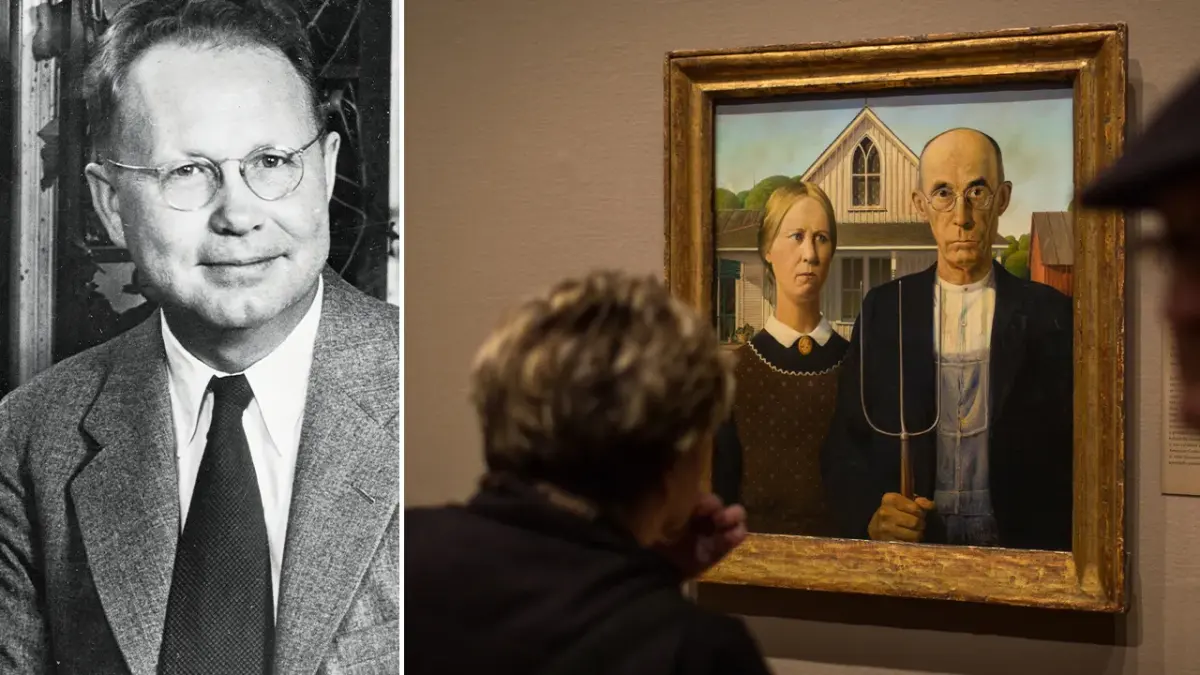
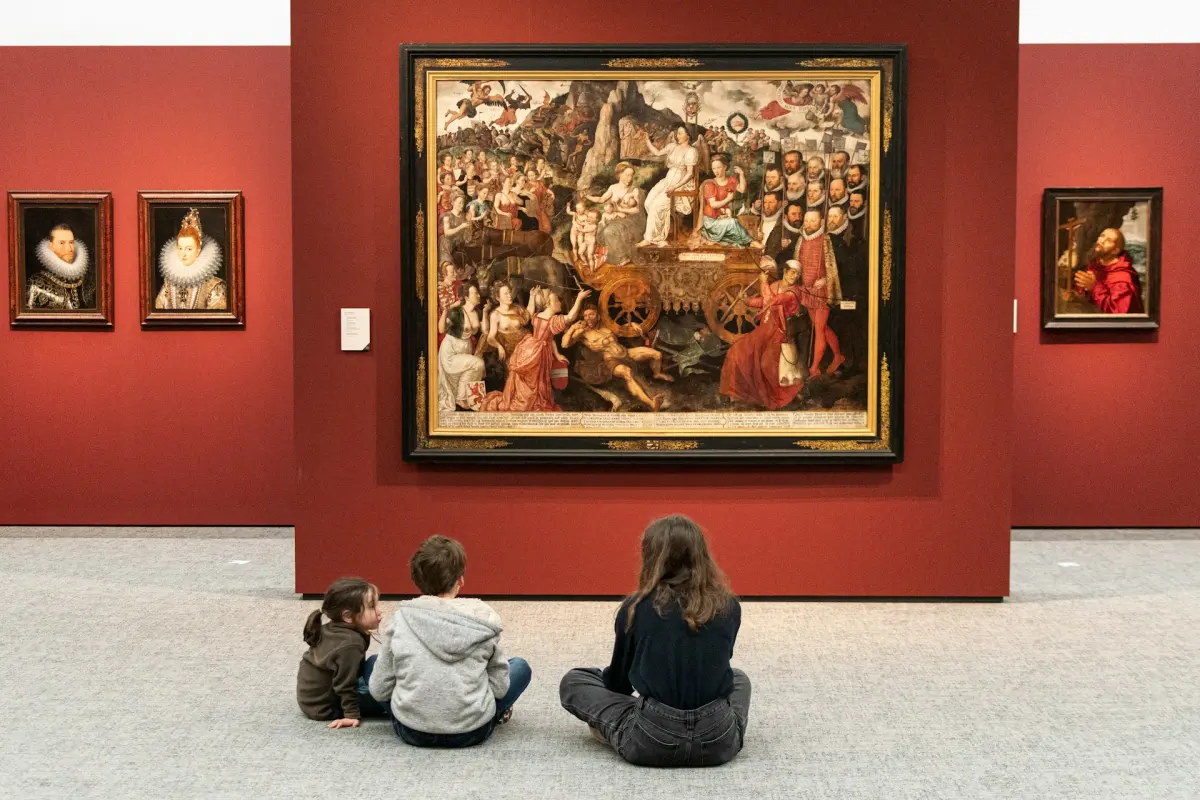
Engaging with art and history is increasingly recognized as a form of "slow looking," a practice that can significantly reduce stress and improve focus. Stepping away from digital screens to contemplate a painting or a geological specimen allows the brain to shift from high-alert multitasking to a state of calm observation. This meditative quality helps lower cortisol levels and provides a psychological escape from the pressures of daily life, offering a quiet space for introspection and emotional regulation.
Studies have shown that regular museum attendance is linked to increased life satisfaction and a stronger sense of social connection. When you visit a museum, you are participating in a communal experience that connects you to a broader human narrative. This sense of belonging, combined with the intellectual stimulation of learning something new, contributes to overall cognitive health. By providing a sanctuary for quiet contemplation and discovery, museums act as vital resources for maintaining mental clarity and emotional resilience in an increasingly fast-paced world.
Common mistakes when visiting museums
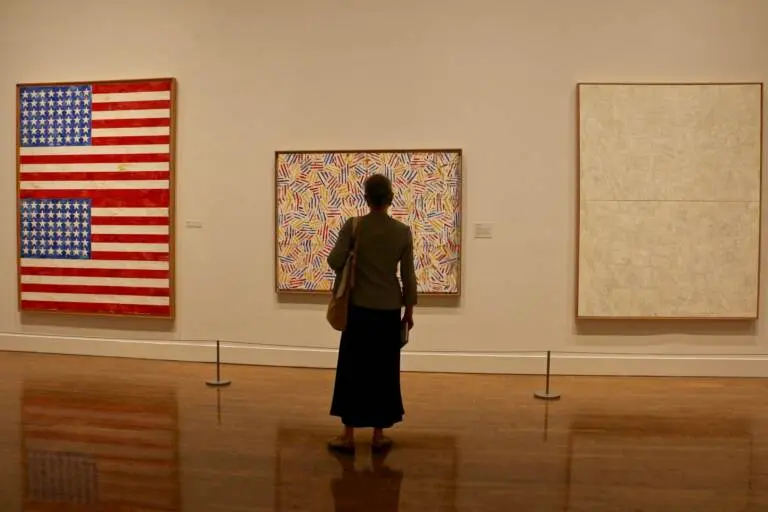
Many visitors fall into the trap of trying to see everything in a single day, which often leads to superficial engagement and physical exhaustion. Trying to rush through a massive institution like the State Hermitage Museum in St. Petersburg results in a blur of images rather than a meaningful experience. Instead of attempting to cover every room, focus on one or two specific galleries that genuinely interest you. This depth of focus is far more rewarding than a frantic, high-speed tour of the entire facility.
- Skipping the information desk or welcome center, where you can get expert advice on current highlights.
- Forgetting to check for temporary closures of specific wings or galleries.
- Neglecting to hydrate or take breaks, which leads to rapid cognitive decline and irritability.
- Ignoring the museum’s educational materials, which often provide the necessary context to understand complex art or artifacts.
- Trying to photograph every object instead of taking the time to actually look at it with your own eyes.
Best ways to engage with art and history
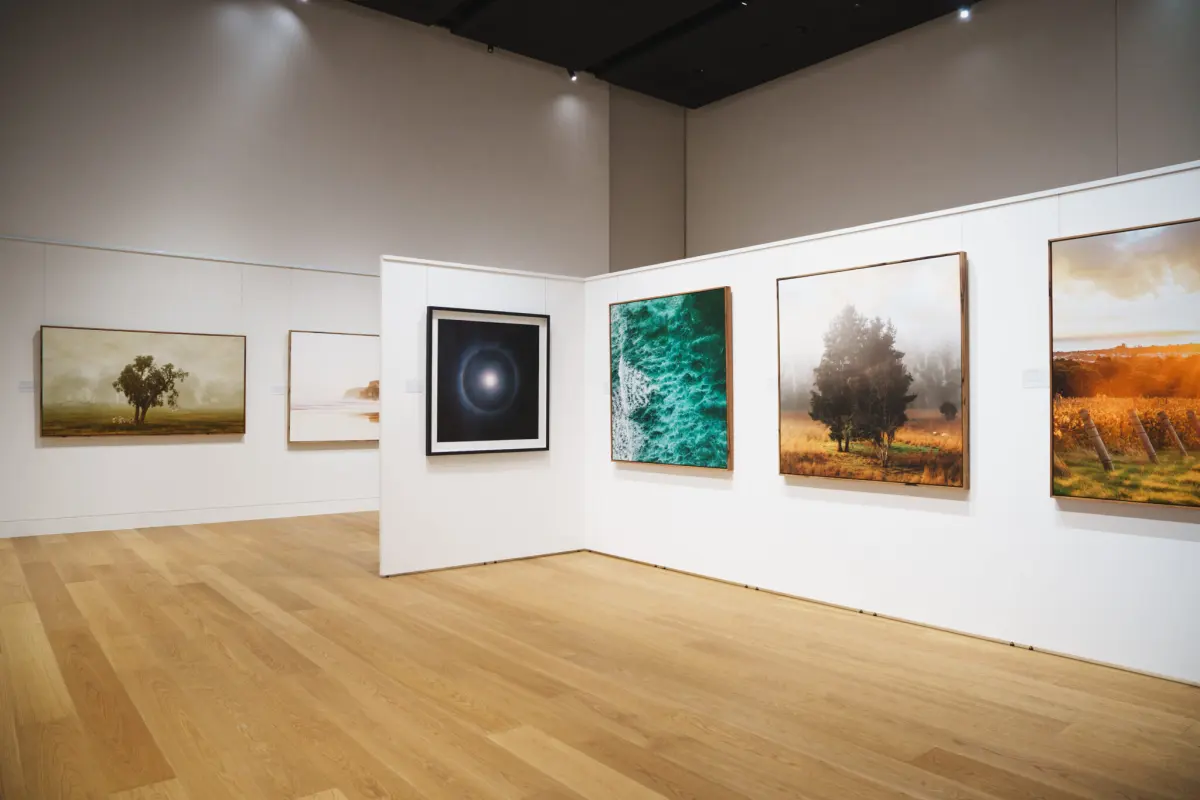
To truly benefit from a museum visit, move beyond passive observation and actively engage with the content. Ask yourself questions about the objects: Who made this, why was it created, and what does it tell us about the people of that era? Many museums offer interactive workshops, docent-led tours, and digital archives that allow for deeper exploration. Engaging with these resources transforms a passive walk-through into an active intellectual pursuit, allowing you to connect historical facts to your own life experiences.
If you are visiting with others, discuss your observations to gain new perspectives. A piece of art that seems confusing to you might be interpreted differently by a companion, sparking a valuable dialogue. Furthermore, consider returning to the same museum multiple times over several years. As your own knowledge and interests evolve, you will discover new details and nuances in the same exhibits that you previously overlooked. This iterative process of discovery ensures that museums remain a constant source of inspiration and intellectual growth throughout your entire life.
Key facts
- Museums preserve over 100,000 years of human history and natural science for public education.
- Many institutions, such as the Smithsonian in Washington, D.C., offer free admission to the general public.
- Visiting museums is linked to improved cognitive health and reduced stress levels in adults.
- Check museum websites for "free days" or evening hours to avoid peak crowds and entrance fees.
- Wear comfortable walking shoes, as a typical visit to a large museum involves several miles of walking.
- Avoid trying to see every exhibit in one visit; focus on two or three galleries to prevent "museum fatigue."
The bottom line
Visiting museums offers a unique opportunity to engage with history, art, and science in a tangible way. By planning your visit, focusing on specific galleries, and utilizing available educational resources, you can transform a simple outing into a meaningful learning experience. Whether seeking inspiration or quiet reflection, museums serve as vital community hubs that enrich the mind and provide context for the world around us.
People also ask
How can I make a museum visit more engaging for children?
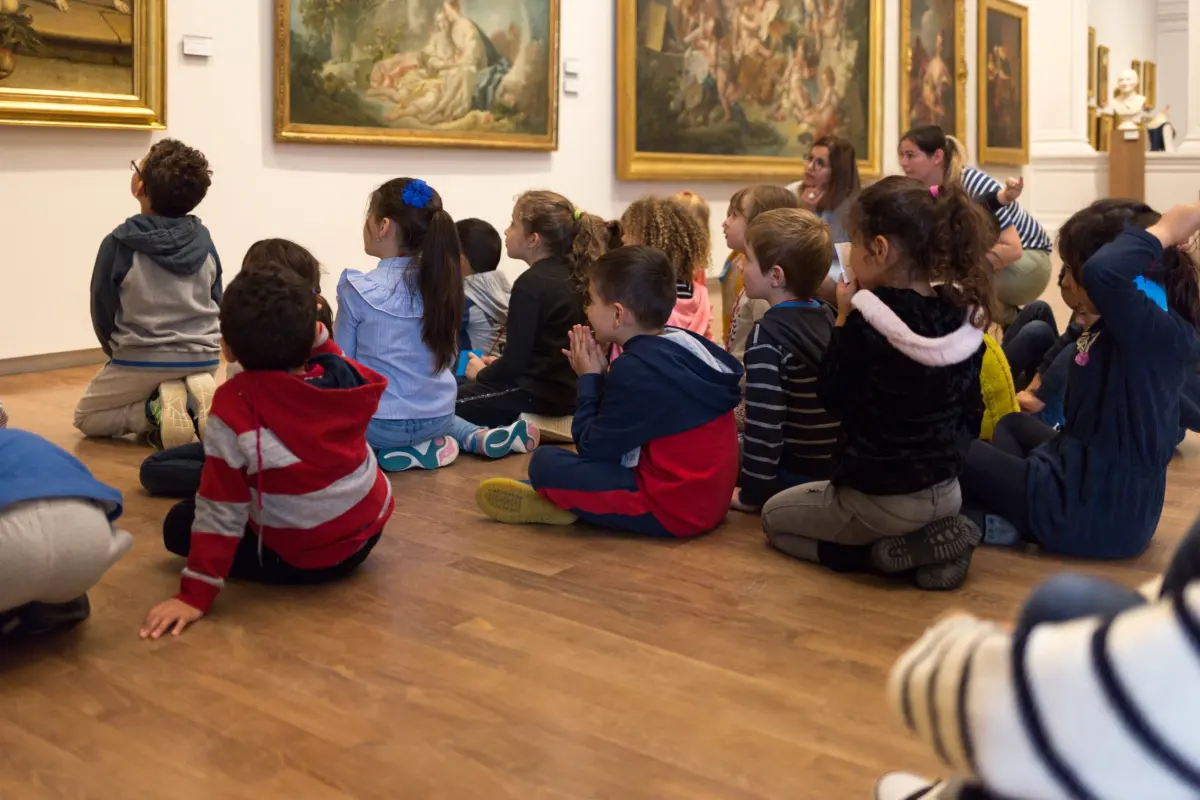
Turn the visit into a scavenger hunt by asking children to find specific objects or colors within the displays. Many museums provide activity booklets or digital guides designed specifically for younger audiences.
Should I book tickets in advance if a museum is free?
Yes, many popular institutions now require timed-entry reservations to manage capacity and ensure a smooth flow of visitors. Checking the official website one week before your visit is a best practice.
Are guided tours worth the extra cost?
Guided tours provide expert context and historical narratives that are often missed when viewing items alone. They are particularly beneficial for complex exhibits or specialized collections.
What is the best time of day to visit a museum to avoid crowds?
Arriving right when the museum opens or visiting during weekday afternoons typically results in smaller crowds. Avoid weekends and public holidays if you prefer a quieter experience.
Can I take photographs inside museum galleries?
Policies vary by institution, but most allow non-flash photography for personal use. Always look for signs indicating "no photography" near sensitive artifacts or loaned collections.
How do I find out about temporary exhibitions?
Most museums maintain an "Exhibitions" or "What’s On" section on their websites. Subscribing to a museum's email newsletter is the most reliable way to receive updates on rotating displays.
This answer was created with the help of AI research tools and reference sources. Spotted an error? Let us know — we correct mistakes quickly. See our editorial policy.