What do slugs eat?
Short answer
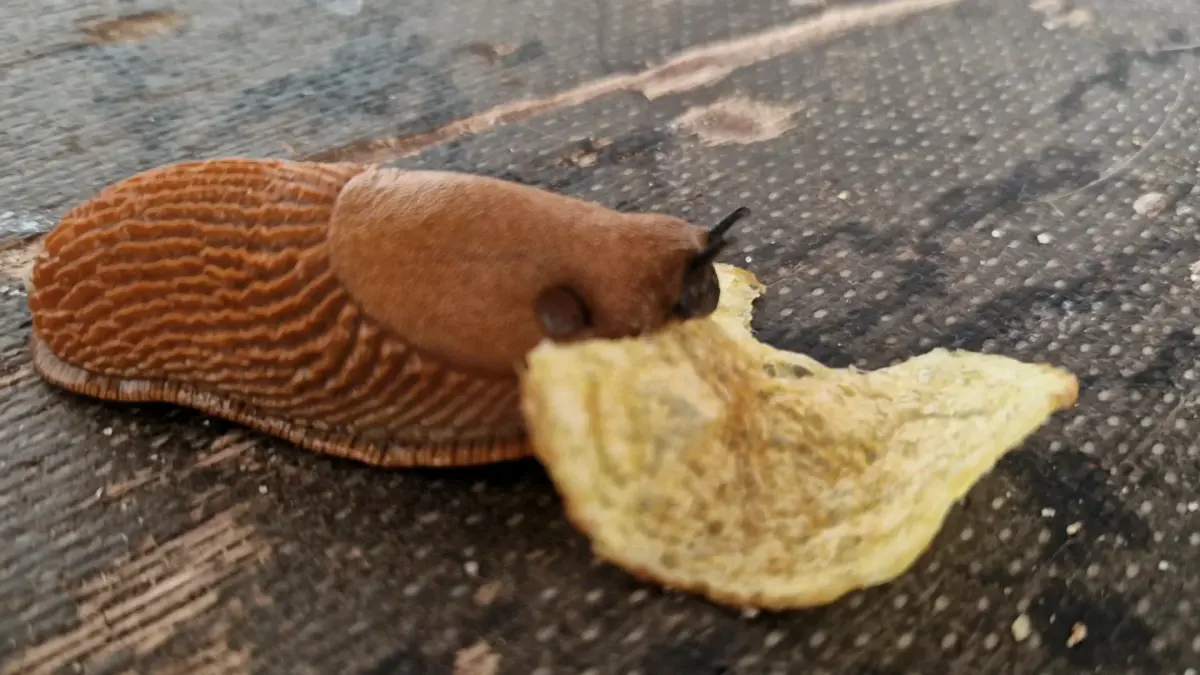
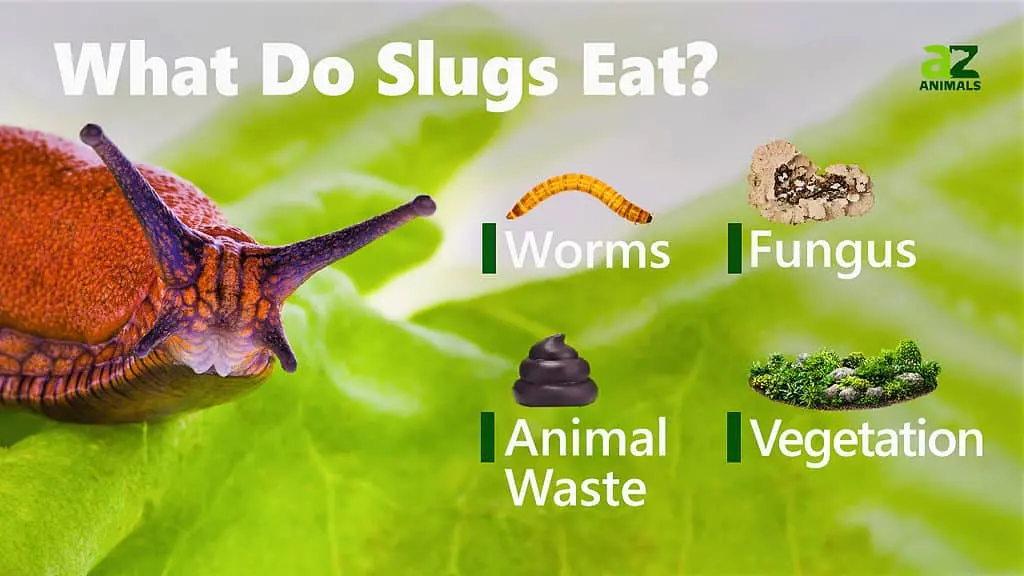
Slugs are opportunistic omnivores that primarily consume decaying organic matter, fungi, and a wide variety of living plant tissues. While they are notorious garden pests that feed on seedlings and leafy greens, many species also act as decomposers by eating animal waste, carrion, and even other slugs in their environment.
On this page
What do slugs eat in nature?
In their natural habitats, slugs function as vital decomposers that help cycle nutrients back into the soil. They feed on a broad spectrum of organic debris, including fallen leaves, rotting wood, and decomposing plant stalks. By breaking down this material, they accelerate the composting process on the forest floor, which enriches the soil for other organisms.
Beyond decaying vegetation, many slug species actively seek out fungi and lichen growing on tree bark or damp rocks. Some species are even predatory or cannibalistic. For instance, the ghost slug (Selenochlamys ysbryda) is a specialized predator that hunts earthworms underground. Other slugs will scavenge on dead insects or animal carcasses when fresh vegetation is scarce. This diverse diet allows them to survive in various ecosystems, from dense woodlands to open meadows, where food sources fluctuate significantly throughout the seasons.
Why do slugs eat garden plants?
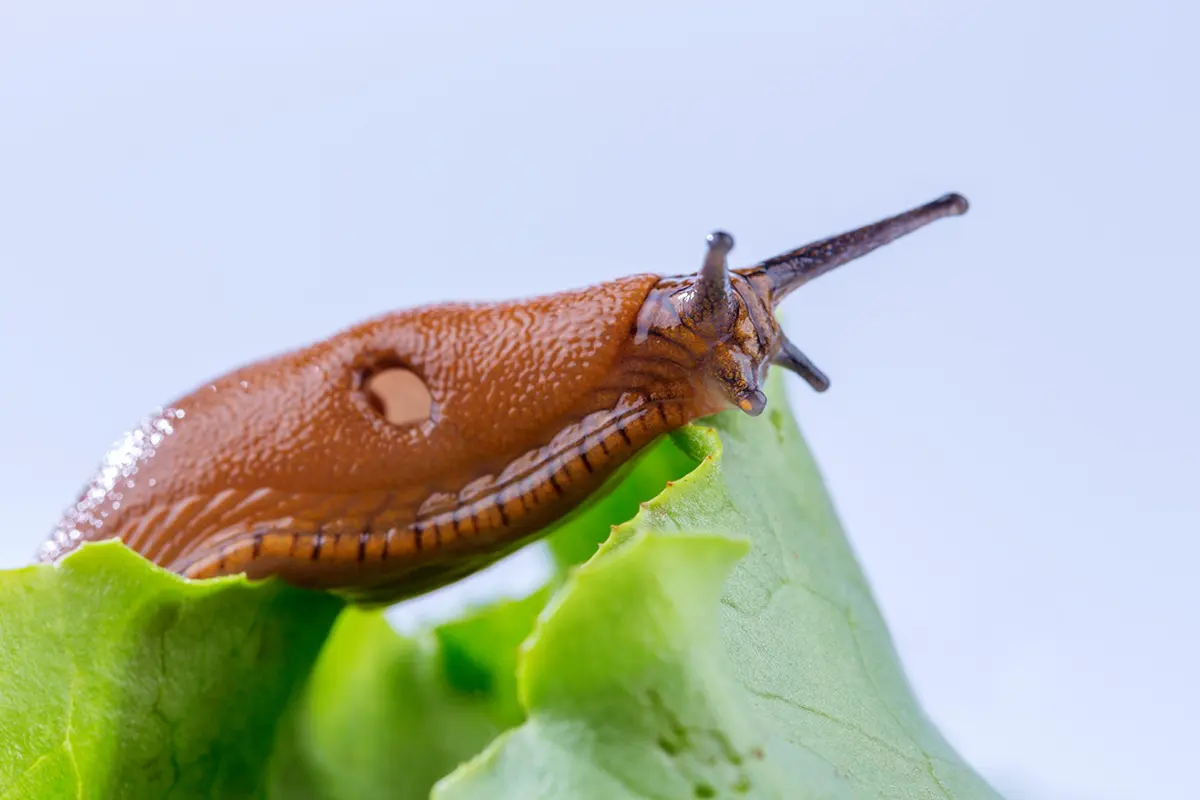
Gardeners often view slugs as destructive pests because these mollusks are attracted to the high water content and nutrient density of cultivated plants. Slugs possess a specialized feeding organ called a radula, which is a ribbon-like structure covered in thousands of microscopic, tooth-like projections. This tool allows them to rasp away plant tissue with remarkable efficiency. They are particularly drawn to succulent seedlings, tender leafy greens, and ripening fruits that sit close to the soil surface.
The damage is often characterized by irregular, jagged holes in leaves or completely severed stems. Because slugs are nocturnal and require high humidity, they typically emerge at night or during damp, overcast weather to feed. They are attracted to plants that are stressed or weakened, though they will readily consume healthy specimens if no other food is available. Their ability to detect chemical signals from plants allows them to locate preferred food sources from several feet away.
How to protect plants from slugs
Managing slug populations in a garden requires a combination of physical barriers and environmental modifications. The goal is to make the garden less hospitable to slugs while protecting your most vulnerable crops. By understanding their dietary preferences, you can strategically place deterrents to save your favorite plants.
- Create a barrier of crushed eggshells, coarse sand, or diatomaceous earth around the base of vulnerable plants to irritate the slug's soft underbelly.
- Install copper tape around the rims of pots or raised beds, as the metal creates a minor electrical reaction when the slug touches it.
- Use shallow containers filled with beer or a yeast-water mixture buried at soil level to trap slugs, as they are strongly attracted to the fermentation scent.
- Encourage natural predators like toads, frogs, ground beetles, and birds, which help keep slug populations in check naturally.
- Water your garden in the morning rather than the evening to ensure the soil surface is dry by the time slugs become active at night.
Common mistakes when controlling slugs
One of the most frequent errors gardeners make is relying solely on chemical molluscicides, which can be harmful to pets, wildlife, and beneficial insects. Many commercial slug pellets contain metaldehyde, a substance that is toxic if ingested by dogs or cats. Furthermore, over-reliance on these chemicals can disrupt the local ecosystem by killing the natural predators that would otherwise manage the slug population for you.
Another common mistake is failing to remove hiding spots. Slugs require cool, moist environments to survive the heat of the day. If you leave piles of damp wood, thick layers of mulch directly against stems, or dense weed growth near your crops, you are essentially providing a buffet and a shelter. Consistently clearing debris and maintaining a tidy garden perimeter significantly reduces the number of slugs that reach your plants. Always monitor your garden during wet spells, as this is when slugs are most active and likely to cause the most damage.
Which plants are slug resistant?
If you are tired of losing your harvest to slugs, consider incorporating plants that these mollusks generally find unpalatable. Slugs tend to avoid plants with strong scents, hairy or fuzzy leaves, or thick, leathery textures. By diversifying your garden with these varieties, you can create a landscape that is both beautiful and resilient against mollusk grazing.
- Lavender and rosemary, which contain strong essential oils that deter many pests.
- Ferns, which have a texture that slugs often find difficult to rasp.
- Ornamental grasses, which are typically too fibrous for slugs to consume easily.
- Hydrangeas and begonias, which are less attractive to slugs compared to hostas or lettuce.
- Geraniums, which possess a scent that acts as a natural repellent.
By selecting plants that slugs naturally avoid, you can reduce the amount of time spent on maintenance and pest control. Integrating these choices alongside physical barriers creates a multi-layered defense strategy that keeps your garden thriving throughout the growing season.
Key facts
- Slugs are primarily detritivores, consuming decaying plant matter, fallen leaves, and animal waste.
- Many species are opportunistic herbivores that feed on fresh seedlings, flowers, and succulent vegetables.
- Certain slugs, such as the leopard slug, are predatory and hunt other slugs, earthworms, and snails.
- Slugs possess a radula, a tongue-like organ covered in thousands of microscopic, tooth-like structures used to rasp food.
- They are nocturnal feeders, often traveling significant distances at night to locate nutrient-rich food sources.
- To protect a garden, place copper tape around containers; the metal reacts with slug slime to create a mild, unpleasant electric shock.
The bottom line
Slugs are versatile feeders that play a vital role in decomposition by breaking down organic matter. While they provide ecological benefits, their appetite for fresh vegetation often makes them a nuisance for gardeners. By understanding their nocturnal habits and preference for tender tissues, you can effectively manage their presence through physical barriers rather than harmful chemicals, ensuring a balance between garden health and local wildlife populations.
People also ask
Do slugs eat meat?
While most slugs prefer plant material, some species are carnivorous. They may scavenge on carrion or hunt smaller invertebrates like earthworms and other slugs.
Are slugs harmful to all garden plants?
Not all plants are equally attractive to slugs. They typically target tender, soft-leaved plants like hostas, lettuce, and marigolds while often avoiding plants with tough, hairy, or bitter foliage.
How can I tell if a slug has been eating my plants?
The most common sign is the presence of irregular, jagged holes in the center or edges of leaves. You will also often find shiny, silvery trails of dried mucus left behind on the foliage or soil.
Do slugs eat fungi?
Many slug species consume mushrooms and various types of fungi. They play an important role in forest ecosystems by spreading fungal spores through their digestive tracts.
Should I use salt to kill slugs in my garden?
You should avoid using salt, as it dehydrates the slugs painfully and damages the soil health for your plants. It can lead to high salinity levels that prevent future growth in that specific area.
Do slugs eat weeds?
Yes, slugs are not selective and will consume many common garden weeds. However, they usually prefer cultivated crops because they are often more succulent and easier to digest.
This answer was created with the help of AI research tools and reference sources. Spotted an error? Let us know — we correct mistakes quickly. See our editorial policy.