What are the best neighborhoods in Vancouver?
Short answer
Vancouver’s best neighborhoods depend on your lifestyle. Kitsilano offers beachside living and outdoor recreation, while Mount Pleasant provides a trendy, artistic vibe. Gastown serves those seeking historic charm and nightlife, and the West End is ideal for urban dwellers wanting proximity to Stanley Park and the convenience of downtown city life.
On this page
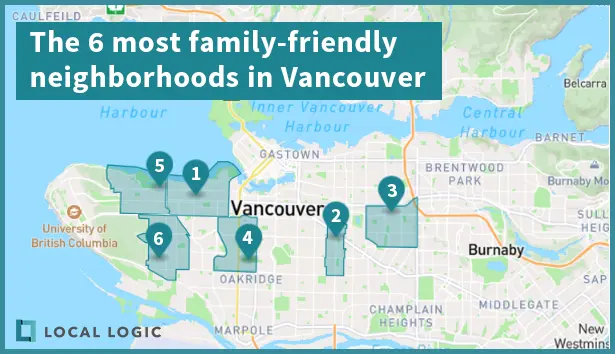
Which Vancouver neighborhoods are best for families?
Families often prioritize safety, proximity to parks, and access to reputable schools when choosing a neighborhood. Kitsilano remains a top choice due to its namesake beach, expansive playgrounds, and family-oriented community centers. The area features a mix of historic character homes and modern townhouses, making it highly desirable for those seeking a balance between urban accessibility and a relaxed, residential atmosphere.
Dunbar and Kerrisdale are also frequently cited as premier family destinations. These neighborhoods are characterized by quiet, tree-lined streets and a slower pace of life compared to the downtown core. They offer excellent access to private and public schools, along with community hubs that host seasonal events. When searching for a family home in these areas, consider these factors:
- Proximity to major transit corridors like the Arbutus Greenway.
- Access to neighborhood-specific community centers and ice rinks.
- The age of the housing stock and potential for renovations.
How to find the best neighborhood for young professionals?
Young professionals typically gravitate toward areas that offer a high density of restaurants, coffee shops, and proximity to major employment hubs. Mount Pleasant has evolved into a creative epicenter, featuring converted industrial spaces, craft breweries, and independent boutiques. It is highly walkable and provides easy access to the Canada Line SkyTrain, which connects residents to downtown Vancouver and the airport within minutes.
Gastown is another popular option for those who prefer a vibrant, historic setting. As the city’s oldest neighborhood, it features cobblestone streets and Victorian architecture that house modern tech offices and high-end dining establishments. While the area is bustling, it is important to understand the local geography to ensure your commute is manageable. Follow these steps to evaluate a neighborhood:
- Visit the area during both morning rush hour and late evening to assess noise levels.
- Check the distance to the nearest SkyTrain station or major bus route.
- Review the local zoning maps to see if new high-density developments are planned nearby.
What are the most walkable neighborhoods in Vancouver?
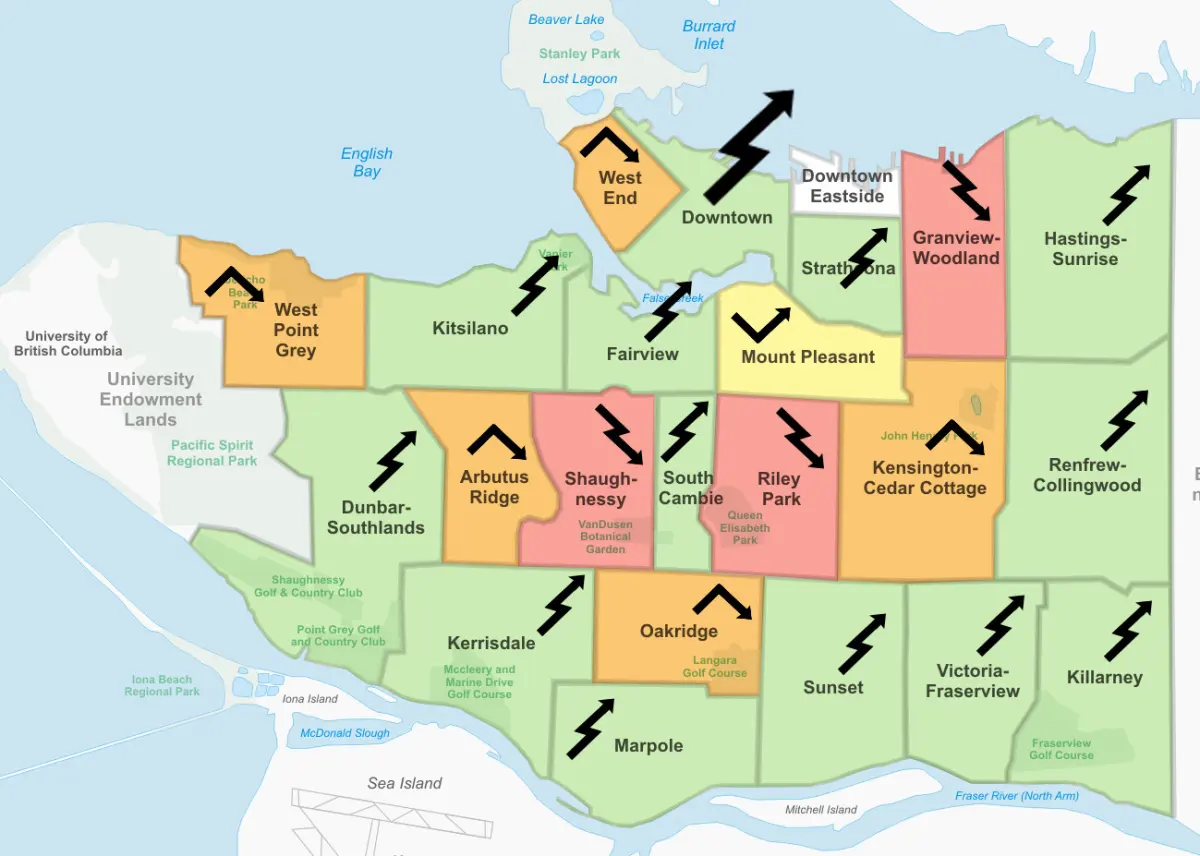
The West End is widely considered the most walkable neighborhood in Vancouver. Tucked between the downtown business district and the 1,000-acre Stanley Park, residents can access grocery stores, beaches, and recreational facilities without needing a vehicle. The neighborhood is dense and diverse, characterized by a mix of low-rise apartment buildings and high-rise towers that offer stunning views of English Bay.
Yaletown is another highly walkable district, known for its converted warehouse lofts and waterfront boardwalks. It is designed for a modern, active lifestyle, offering immediate access to the Seawall, which is a world-famous path for cycling and jogging. When living in these dense urban cores, residents often find that the convenience of walking outweighs the need for a car. However, be aware that parking in these neighborhoods is extremely limited and often expensive, making car ownership a significant logistical challenge for many residents.
Common mistakes when choosing a Vancouver neighborhood
One of the most frequent mistakes newcomers make is underestimating the impact of the "Rainy Season," which typically lasts from October to April. While a neighborhood might feel perfect during a sunny July afternoon, the lack of natural light and persistent rain can change the feel of a street significantly. Always visit a neighborhood during the winter months to see how the area functions when the weather is less than ideal.
Another common error is ignoring the micro-climates and topography of the city. Vancouver is hilly in certain areas, which can make cycling or walking difficult depending on your fitness level and daily commute. Additionally, many people fail to account for the noise associated with major arterial roads or flight paths. Before signing a lease or purchasing a home, take the time to:
- Research the specific noise bylaws for the area.
- Walk the route from your potential home to the nearest transit stop.
- Inquire about the building's heating and insulation quality, as older structures can be drafty.
How to budget for different Vancouver neighborhoods
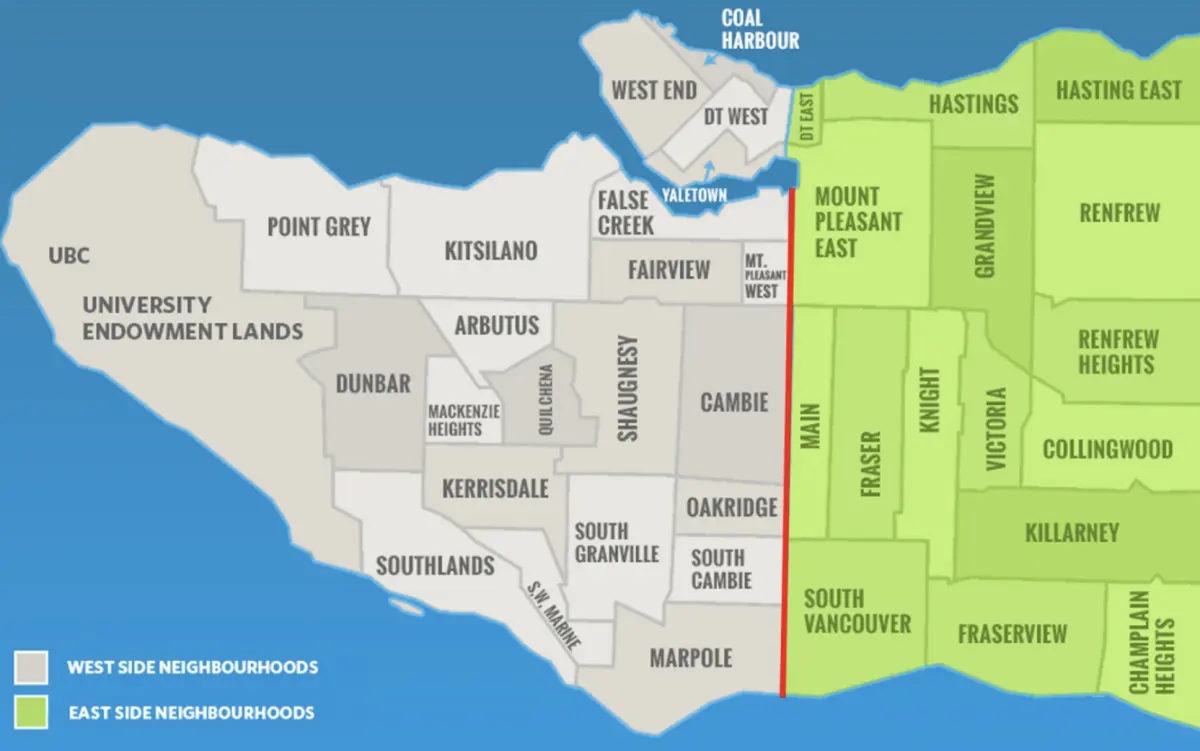
Vancouver is consistently ranked as one of the most expensive cities in the world, so understanding the financial landscape is essential. Rental and purchase prices vary drastically between neighborhoods like the West Side, which commands a premium, and areas further east. It is helpful to use online property portals to track price trends over a six-month period to understand the market volatility in your target area.
When budgeting, remember that housing costs are only one part of the equation. Property taxes, strata fees for condos, and the cost of parking can add significant monthly expenses to your budget. If you are moving from outside the province, be prepared for higher costs of living across the board. By setting a strict budget that accounts for these hidden costs, you can avoid the stress of overextending yourself financially in a competitive market. Always keep a contingency fund for unexpected maintenance or rent increases that may occur annually.
Key facts
- West End is the most densely populated neighborhood, offering immediate access to Stanley Park and English Bay beaches.
- Kitsilano is famous for its namesake beach and vibrant commercial strips along West 4th Avenue and Broadway.
- Mount Pleasant serves as a hub for young professionals, featuring converted industrial spaces, craft breweries, and independent art galleries.
- Commercial Drive in Grandview-Woodland is known for its diverse dining scene, historic Italian roots, and bohemian atmosphere.
- Yaletown offers a luxury urban lifestyle with high-rise condominiums, upscale restaurants, and proximity to the False Creek seawall.
- Avoid looking for apartments solely online; many local landlords still prefer "For Rent" signs in windows, especially in older, walk-up buildings.
The bottom line
Choosing the right neighborhood in Vancouver depends on your lifestyle priorities, whether you prefer the high-energy urban density of the West End and Yaletown or the community-focused, residential charm of Kitsilano and Mount Pleasant. By balancing your budget with proximity to transit and local amenities, you can find a district that fits your needs. Always prioritize in-person viewings to ensure the property meets your expectations.
People also ask
Which neighborhood is best for families?
Kitsilano and Dunbar are popular choices due to their proximity to top-rated schools, community centers, and large parks. These areas offer a quieter, residential feel while remaining within a short commute to the city center.
Is Vancouver a walkable city?
Yes, most neighborhoods in Vancouver are highly walkable, particularly those in the downtown peninsula and the East Side. Public transit, including the SkyTrain network, makes it easy to navigate between districts without owning a car.
Where should I live if I work in the tech industry?
Mount Pleasant and Yaletown are primary hubs for tech companies and startups. Living in these areas provides a short commute and access to a professional network of peers in the digital sector.
What is the most affordable area to live in?
East Vancouver neighborhoods like Renfrew-Collingwood or Victoria-Fraserview generally offer lower rental prices than the downtown core. These areas are well-connected by the Expo Line SkyTrain, providing efficient access to the rest of the city.
Are there distinct cultural districts in Vancouver?
Yes, the city features diverse cultural pockets such as Chinatown, which is one of the oldest and largest in North America. Additionally, Commercial Drive is historically significant for its Italian heritage and vibrant multicultural community.
How do I avoid rental scams in Vancouver?
Never send money or personal identification before viewing an apartment in person or signing a formal lease. Use reputable platforms and be wary of listings that appear significantly cheaper than the market average for the area.
This answer was created with the help of AI research tools and reference sources. Spotted an error? Let us know — we correct mistakes quickly. See our editorial policy.