What wildlife lives in Vancouver?
Short answer
Vancouver is home to a diverse array of wildlife, ranging from urban-adapted mammals like raccoons and coyotes to marine life such as harbor seals and orcas. The city’s unique geography, nestled between the Pacific Ocean and the North Shore Mountains, creates a rich ecosystem supporting hundreds of bird and mammal species.
On this page
Where to see wildlife in Vancouver
Vancouver offers numerous accessible spots for wildlife viewing, ranging from dense urban parks to rugged coastal shorelines. Stanley Park remains the premier destination, featuring 400 hectares of forest and coastline where visitors can frequently spot bald eagles, great blue herons, and various songbirds. The park’s Beaver Lake is a specific hotspot for observing waterfowl and the occasional beaver.
Beyond the city center, the Pacific Spirit Regional Park provides a quieter environment for spotting forest-dwelling creatures. For those interested in marine life, the waters surrounding False Creek and the Burrard Inlet are regularly visited by harbor seals and occasionally porpoises. To maximize your chances of a successful sighting, consider these locations:
- Stanley Park: Best for birds, squirrels, and raccoons.
- Pacific Spirit Regional Park: Ideal for owls, woodpeckers, and coyotes.
- Jericho Beach: Excellent for observing seals and migratory shorebirds.
- Reifel Bird Sanctuary: A premier site for viewing thousands of migratory birds.
How to identify common urban animals
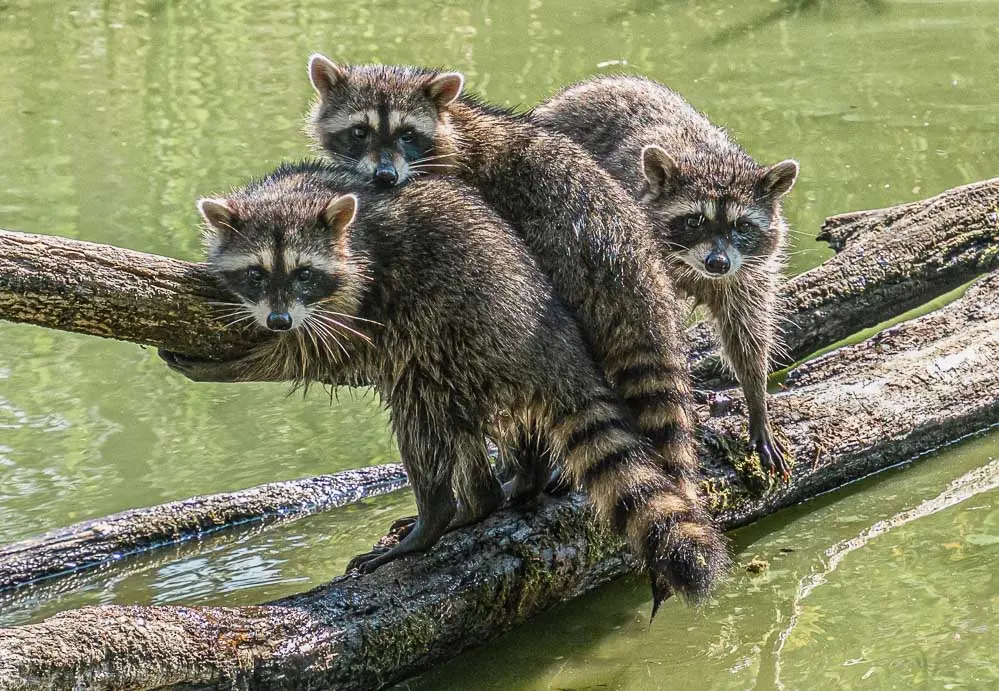
Living in a bustling city does not mean you are removed from nature, as many species have adapted to thrive alongside humans. Raccoons are perhaps the most visible, often seen scavenging at night, while Eastern gray squirrels are active throughout the day in almost every neighborhood. Coyotes are also present in green belts, though they are generally shy and avoid direct human contact.
Bird enthusiasts will find the region particularly rewarding due to its position on the Pacific Flyway. You can easily spot the following species by observing their distinct behaviors and markings:
- Bald Eagles: Look for large white heads and yellow beaks near the coastline.
- Great Blue Herons: Identify these tall, grey birds by their slow, deliberate movements in shallow water.
- Northwestern Crows: Notice their highly intelligent social behavior and constant presence in parks.
- Anna’s Hummingbirds: Look for iridescent green feathers and a rapid, buzzing flight pattern near feeders.
Why wildlife sightings happen in neighborhoods
Wildlife sightings in Vancouver occur because the city’s urban design incorporates significant green corridors that connect larger forest tracts. Animals use these pathways to travel, forage, and find shelter, often crossing into residential areas in the process. During seasonal changes, such as the salmon run in local rivers or migratory periods, wildlife activity increases significantly as animals search for food sources.
Human activity also influences these sightings, as accessible food sources like unsecured garbage, compost bins, and bird feeders attract animals into backyards. While seeing a deer or a coyote can be an exciting experience, it is important to remember that these are wild animals. Their presence in your neighborhood is a normal part of the local ecosystem, provided that residents maintain boundaries and do not encourage animals to become habituated to human presence.
Common mistakes when viewing wildlife
The most frequent error people make is attempting to feed wild animals, which is both dangerous and illegal in many parts of British Columbia. Feeding wildlife, whether it is intentional or through unsecured trash, causes animals to lose their natural fear of humans. This behavior often leads to the animal becoming a "problem" creature, which frequently results in the animal being euthanized by wildlife authorities for public safety.
Another common mistake is approaching animals too closely for photographs, especially during nesting or mating seasons. Stressing an animal can cause it to abandon its young or flee into dangerous traffic. To ensure you are a responsible observer, follow these simple guidelines:
- Keep a distance of at least 30 meters from small animals and 100 meters from large mammals.
- Never use flash photography, as it can startle or blind sensitive nocturnal creatures.
- Keep dogs on a leash in parks to prevent them from chasing or provoking wildlife.
- Store all food and waste in animal-proof containers to avoid attracting scavengers.
Best practices for living with local wildlife
Coexisting with Vancouver’s wildlife requires a proactive approach to property management and personal safety. If you have fruit trees, harvest the produce promptly to avoid attracting bears or raccoons. Ensure that your home’s crawl spaces and attics are sealed, as these areas are prime real estate for raccoons and squirrels seeking shelter during the wet winter months.
If you encounter a wild animal that appears injured or orphaned, do not attempt to handle it yourself. Instead, contact a licensed wildlife rehabilitation center, such as the Wildlife Rescue Association of BC, for professional guidance. By respecting the space of these animals and keeping our urban environment clean, we ensure that Vancouver remains a vibrant home for both humans and the diverse species that inhabit our beautiful coastal landscape.
Key facts
- Vancouver is home to over 200 species of birds, including the iconic bald eagle and the great blue heron.
- Black bears are common in the North Shore mountains and occasionally wander into residential neighborhoods near forest edges.
- Coyotes are highly adaptable urban residents frequently spotted in parks like Stanley Park and Pacific Spirit Regional Park.
- Harbor seals are commonly seen bobbing in the waters around False Creek and the Burrard Inlet.
- Never feed wildlife, as human food causes animals to lose their natural fear of people and leads to dangerous encounters.
- Secure all residential garbage bins with locking mechanisms to prevent attracting bears, raccoons, and skunks to your property.
The bottom line
Vancouver offers a unique urban environment where dense city living coexists with diverse wildlife. From marine mammals in the harbor to black bears in the nearby mountains, the region is rich in biodiversity. By respecting animal boundaries, securing attractants, and observing from a distance, residents and visitors can safely enjoy the presence of these animals while ensuring they remain wild and healthy for years to come.
People also ask
Are there dangerous animals in Vancouver?
While black bears and cougars live in the surrounding mountains, attacks are extremely rare. Most encounters involve smaller scavengers like raccoons or coyotes, which generally avoid humans unless provoked or habituated to food.
Where is the best place to see wildlife in the city?
Stanley Park is the premier location for birdwatching and spotting small mammals. The park’s diverse ecosystem of forests, wetlands, and shoreline attracts a wide variety of local fauna year-round.
What should I do if I see a bear?
Stay calm, do not run, and back away slowly while keeping your eyes on the animal. Make yourself look large by raising your arms and speak in a firm, low voice to signal you are human.
Are there whales near Vancouver?
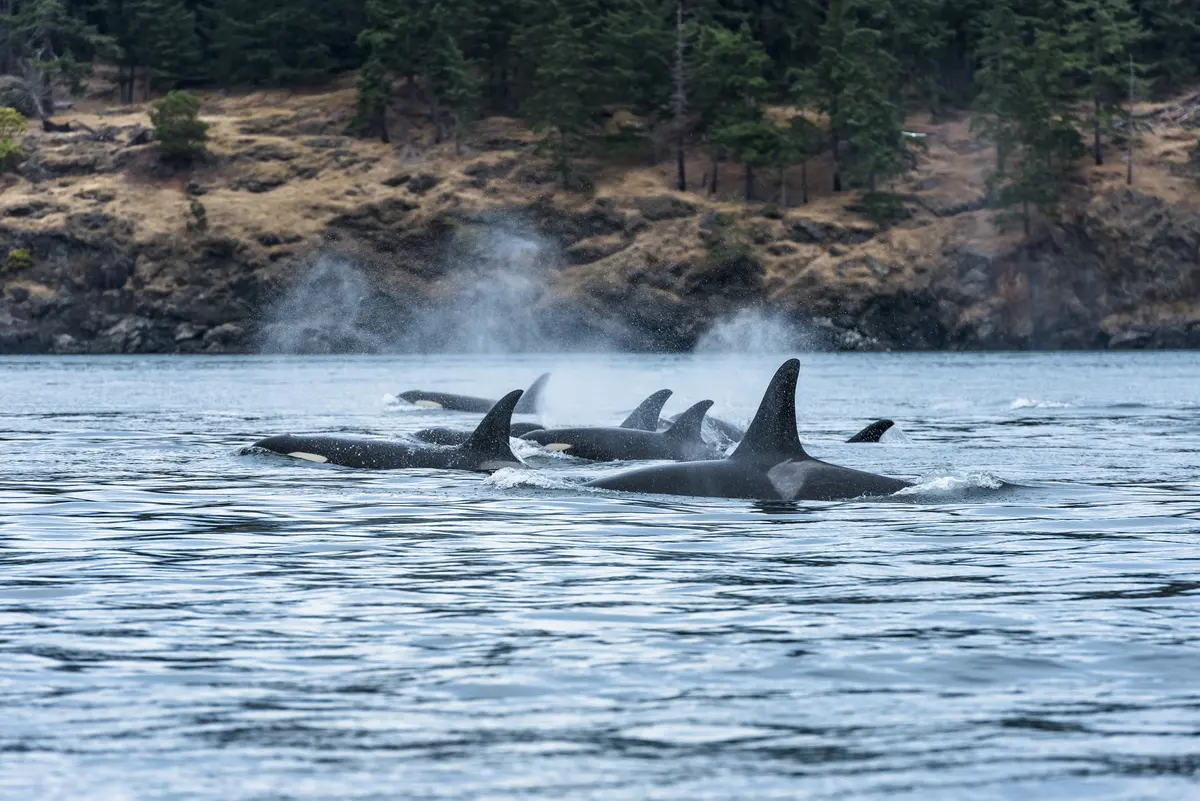
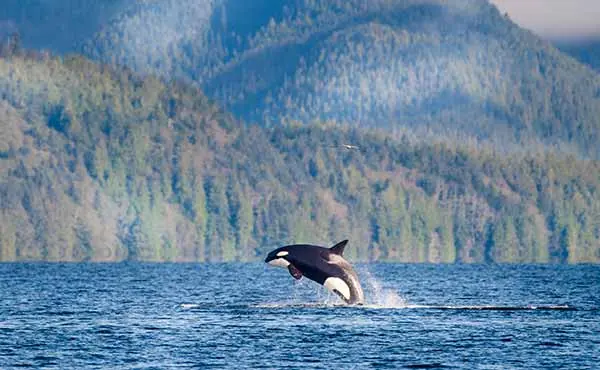
Yes, orcas, humpback whales, and porpoises frequent the Salish Sea. Whale-watching tours operate seasonally from the city's harbor to view these marine mammals in their natural habitat.
How can I help protect local wildlife?
Keep pets on leashes in designated areas and dispose of all trash in animal-proof bins. Maintaining natural habitats by planting native vegetation in your garden also supports local pollinators and bird populations.
Do I need to worry about snakes?
Vancouver has very few snake species, and none are venomous. The common garter snake is the most frequently sighted variety and is completely harmless to humans and pets.
This answer was created with the help of AI research tools and reference sources. Spotted an error? Let us know — we correct mistakes quickly. See our editorial policy.