Is Vancouver in a rainforest?
Short answer
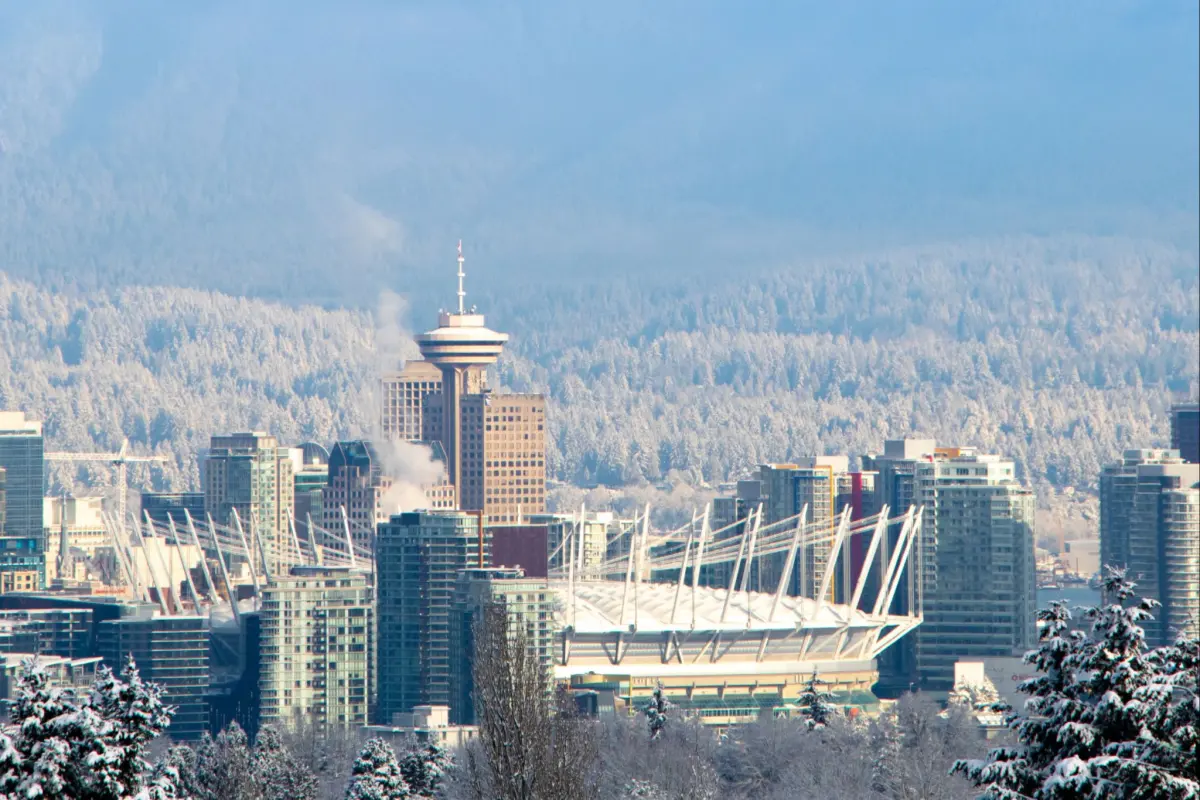
Yes, Vancouver is situated within a temperate rainforest. The city’s coastal location and proximity to the North Shore Mountains create a unique climate characterized by high annual precipitation and lush, evergreen vegetation. This ecosystem, known as the Pacific temperate rainforest, thrives due to consistent moisture and relatively mild year-round temperatures.
On this page
Why is Vancouver considered a rainforest?
Vancouver is classified as part of the Pacific temperate rainforest biome, which stretches along the western coast of North America from Alaska to Northern California. Unlike the tropical rainforests found near the equator, this region experiences distinct seasonal temperature fluctuations while maintaining high humidity and significant rainfall. The geography of the region, specifically the interaction between moist air masses from the Pacific Ocean and the rising terrain of the Coast Mountains, forces air upward, leading to frequent condensation and precipitation.
This atmospheric process, known as orographic lift, ensures that the area receives substantial moisture throughout the year. The dense canopy of conifers, such as Western red cedar, Douglas fir, and Western hemlock, defines the landscape. These trees are perfectly adapted to the cool, damp environment, creating a complex ecosystem that supports diverse wildlife and lush undergrowth. The presence of mosses, ferns, and lichens further confirms the rainforest classification, as these organisms require constant moisture to survive and flourish.
How much rain does Vancouver actually get?
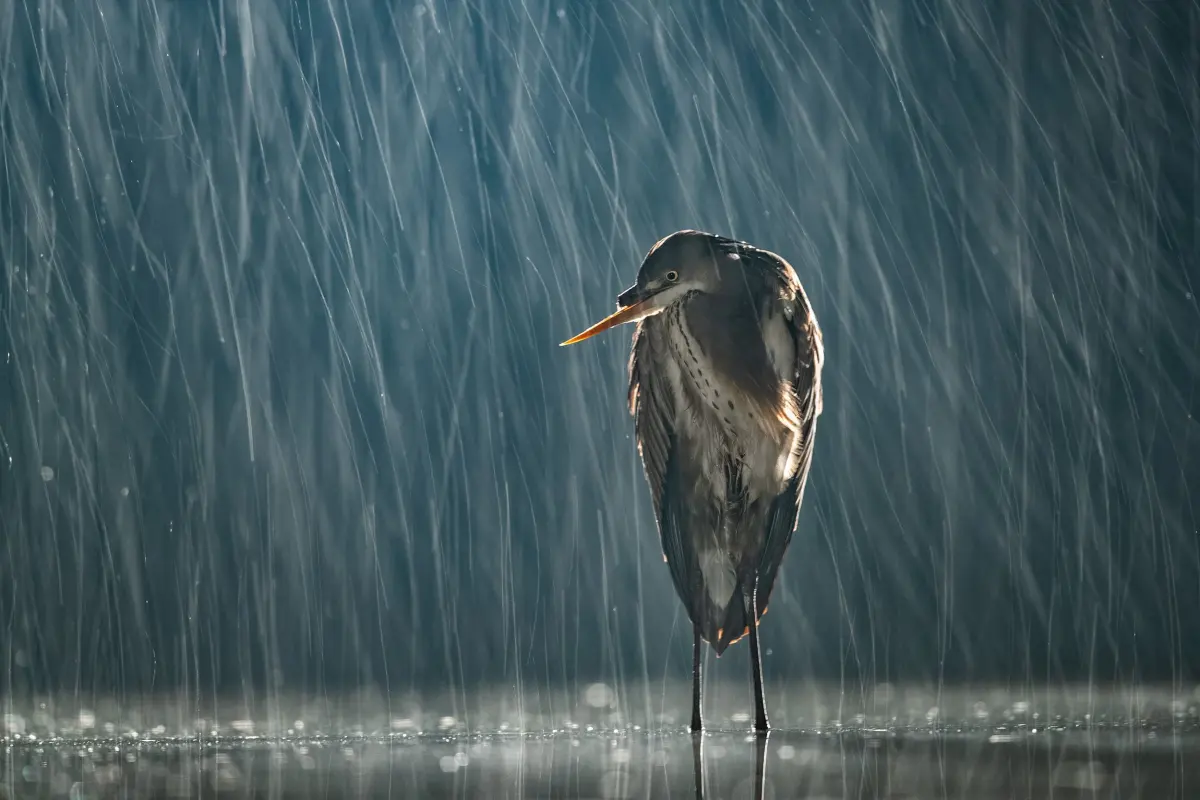
While Vancouver is a rainforest, it does not rain every single day. The city receives an average annual precipitation of approximately 1,150 to 1,200 millimeters, with the majority of this falling between October and April. During the summer months, the region experiences a drier period, which is a common characteristic of the Mediterranean-influenced climate found in the southern part of the Pacific Northwest.
Variations in rainfall depend heavily on your specific location within the Greater Vancouver area:
- The North Shore Mountains receive significantly higher rainfall due to their elevation.
- The downtown core and coastal areas often experience less intensity than the inland foothills.
- Winter storms often bring prolonged periods of drizzle rather than heavy, tropical downpours.
- Microclimates exist where one neighborhood may remain dry while a nearby suburb experiences heavy rain.
Understanding these patterns is essential for residents and visitors alike. While the total volume of rain is high, the distribution is often spread out over many days of light to moderate precipitation, which contributes to the region's characteristic gray skies during the winter season.
Best gear for exploring the rainforest
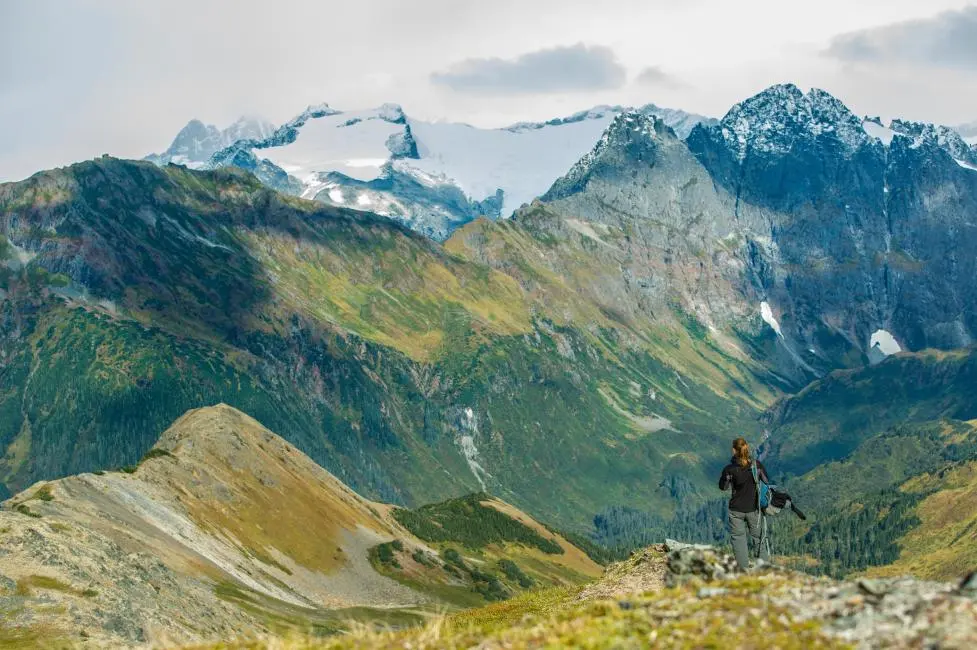
To enjoy Vancouver’s outdoor environment, you must be prepared for changing weather conditions. The most common mistake visitors make is underestimating the importance of layering and moisture-wicking materials. Cotton is generally discouraged because it retains moisture and loses its insulating properties when wet, which can lead to discomfort or hypothermia in cooler temperatures.
Follow these steps to ensure you stay dry and comfortable while hiking or walking:
- Wear a base layer made of synthetic fabric or merino wool to manage sweat.
- Add an insulating mid-layer, such as a fleece or a light down jacket.
- Invest in a high-quality, breathable waterproof shell that features sealed seams.
- Choose footwear with good traction, as forest trails can become muddy and slippery.
- Carry a waterproof pack cover to protect electronics and extra clothing.
By following this layering system, you can easily adjust your clothing as your activity level changes or as the sun breaks through the clouds. Always check the local weather forecast, but remember that in a rainforest, conditions can shift rapidly regardless of the prediction.
Common mistakes when visiting Vancouver
Many travelers arrive in Vancouver expecting a tropical experience and are surprised by the cool temperatures. A frequent error is assuming that "rainforest" implies heat. In reality, the average winter temperature hovers around 5 degrees Celsius (41 degrees Fahrenheit). Dressing for the wrong climate can ruin an outdoor excursion, so always prioritize warmth alongside water resistance.
Another common mistake involves ignoring the trail conditions in local parks like Stanley Park or the North Shore's Capilano Canyon. Even on dry days, the forest floor remains damp, and wooden boardwalks can become extremely slick. Visitors often underestimate the time required to navigate these trails during wet weather. To avoid these issues, follow these simple rules:
- Stay on marked trails to protect the delicate rainforest understory.
- Carry a flashlight or headlamp if hiking late in the afternoon, as the dense canopy causes early darkness.
- Respect local wildlife by keeping a safe distance and packing out all trash.
- Check park websites for trail closures, which occur frequently after heavy rainfall due to erosion or fallen trees.
Why the rainforest is vital to the city
The rainforest ecosystem provides critical services to Vancouver, including air purification, carbon sequestration, and water filtration. The massive trees act as a natural sponge, absorbing rainfall and releasing it slowly into the watershed, which helps prevent flooding and maintains the health of local salmon-bearing streams. This biological infrastructure is a cornerstone of the city’s environmental identity and its commitment to sustainability.
Preserving these green spaces is a priority for local government and community groups. The urban forest within Vancouver, including the famous Stanley Park, serves as a vital refuge for both people and native species like bald eagles, coyotes, and black bears. By maintaining these areas, the city ensures that the rainforest continues to thrive despite urban encroachment. Understanding that you are walking through a functioning, protected rainforest adds a layer of appreciation to any visit, reminding residents and tourists that the city’s beauty is inextricably linked to the damp, vibrant, and resilient ecosystem that surrounds it.
Key facts
- Vancouver is situated within the Pacific temperate rainforest biome, which stretches from Alaska to Northern California.
- The region receives an average annual precipitation of approximately 1,189 millimeters (46.8 inches) at Vancouver International Airport.
- Coastal temperate rainforests are defined by high rainfall, mild temperatures, and the presence of ancient conifer forests.
- A common mistake is assuming that all rainforests must be tropical; temperate rainforests are significantly cooler and biologically distinct.
- To experience the local rainforest, visit Pacific Spirit Regional Park, which contains over 760 hectares of forest trails.
- When hiking in Vancouver's rainforest, always wear waterproof layers and sturdy footwear, as trails remain muddy year-round.
The bottom line
Vancouver is indeed located within a coastal temperate rainforest, a rare biome that thrives due to the region's heavy precipitation and mild climate. While it lacks the heat of tropical jungles, it shares the essential characteristics of high biodiversity and lush, evergreen growth. Understanding this unique environment helps residents and visitors appreciate the city’s natural beauty while preparing appropriately for the frequent wet weather.
People also ask
Why is Vancouver considered a rainforest if it snows in the winter?
Temperate rainforests are characterized by high annual precipitation and cool, moderate temperatures that prevent extreme heat or prolonged deep freezes. While Vancouver experiences snow, its coastal location keeps the climate mild enough to support the lush, evergreen vegetation typical of rainforest ecosystems.
Does it rain every day in Vancouver?
While Vancouver has a reputation for constant rain, it does not rain every single day. The city experiences a distinct wet season from October to April, while the summer months are often dry and sunny.
What kind of trees grow in this rainforest?
The ecosystem is dominated by large conifers, specifically Western red cedar, Western hemlock, and Douglas fir. These massive trees thrive in the high humidity and nutrient-rich soil provided by the region's frequent rainfall.
Is Stanley Park part of the rainforest?
Yes, Stanley Park is a classic example of a coastal temperate rainforest. Its 405 hectares feature a mix of second-growth forest and remnants of old-growth trees that reflect the natural ecology of the region.
How does the rainforest affect local wildlife?
The dense canopy and abundant water sources provide essential habitats for species such as black bears, cougars, bald eagles, and various amphibians. The ecosystem's high productivity supports a complex food web that relies on the moisture-rich forest floor.
Can I hike in the rainforest during the rain?
Yes, hiking during the rain is a common local activity, provided you have proper waterproof gear. The forest canopy often provides significant cover, and the rain enhances the vibrant green colors of the moss and ferns.
This answer was created with the help of AI research tools and reference sources. Spotted an error? Let us know — we correct mistakes quickly. See our editorial policy.