Does it snow in Vancouver?
Short answer
Yes, it snows in Vancouver, though accumulation is typically light and short-lived. The city experiences an average of 38 centimeters of snowfall annually, primarily between December and February. Because of the region’s mild coastal climate, snow often turns to slush or rain quickly, rarely remaining on the ground for extended periods.
On this page
Why does it snow in Vancouver?
Vancouver’s climate is classified as oceanic, characterized by mild, wet winters moderated by the Pacific Ocean. While the city sits at sea level, cold arctic air occasionally spills southward from the interior of British Columbia through mountain passes like the Fraser Valley. When this frigid air mass encounters moist Pacific storms, the resulting interaction often produces snow rather than rain.
The phenomenon known as the "Fraser Valley outflow" is the primary driver of significant snowfall events. During these periods, high-pressure systems over the interior push cold air toward the coast, causing temperatures to drop rapidly. Because Vancouver is situated on a peninsula surrounded by water, the ocean temperature helps regulate local weather, often keeping the city just warm enough to prevent massive, long-lasting snowstorms compared to inland Canadian cities.
How much snow does Vancouver get?
Snowfall totals vary significantly depending on the specific neighborhood and elevation. While the downtown core and coastal areas near Stanley Park might receive only a dusting, higher-elevation districts like Burnaby Mountain or the North Shore suburbs often see double the accumulation. On average, the city records about 10 to 12 days of measurable snowfall per year.
It is important to understand that these averages can be misleading due to the volatility of winter storms. Some years may pass with almost no snow, while others experience "snowmageddon" events that paralyze the city for several days. Residents generally rely on the following metrics to gauge winter severity:
- Average annual snowfall: 38 centimeters.
- Peak snowfall months: December, January, and February.
- Record high snowfall: 210 centimeters in the winter of 1970-1971.
How to prepare for snow in Vancouver?
Because Vancouver is not a high-snowfall city, local infrastructure is not designed for heavy winter conditions. When a storm hits, transit systems often face delays, and road conditions become hazardous due to the lack of specialized equipment. If you plan to be in the city during winter, preparation is essential to ensure your safety and mobility.
- Check the weather forecast daily, specifically looking for "Arctic Outflow" warnings.
- Ensure your vehicle is equipped with winter tires or at least all-weather tires with the mountain-snowflake symbol.
- Carry a small emergency kit in your car, including a blanket, a flashlight, and a small shovel.
- Dress in waterproof layers, as the snow in Vancouver is often wet and heavy, which can soak through standard clothing quickly.
Common mistakes when visiting in winter
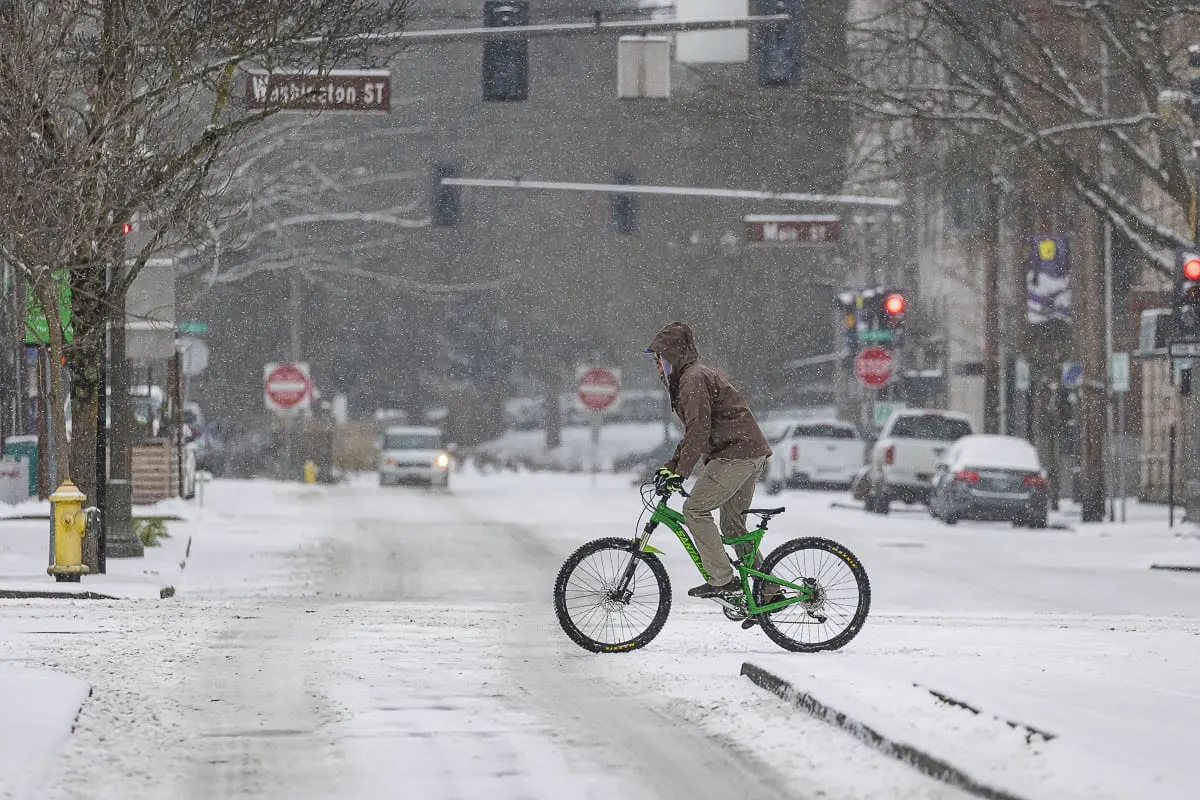
The most frequent error visitors make is underestimating the impact of wet, heavy snow on local transportation. Because the city does not use salt as aggressively as colder Canadian cities, roads can become icy and treacherous very quickly. Many drivers lack experience navigating these conditions, leading to frequent traffic accidents and gridlock during even moderate snowfall events.
Another common mistake is assuming that snow in the city means the same conditions exist on the local mountains. The North Shore mountains, such as Grouse, Cypress, and Seymour, often receive heavy, consistent snowfall while the downtown area remains rainy or clear. Visitors often arrive at the base of these mountains unprepared for deep snow, failing to realize that a fifteen-minute drive can result in a completely different climate and terrain requirement.
Best ways to enjoy snow in Vancouver
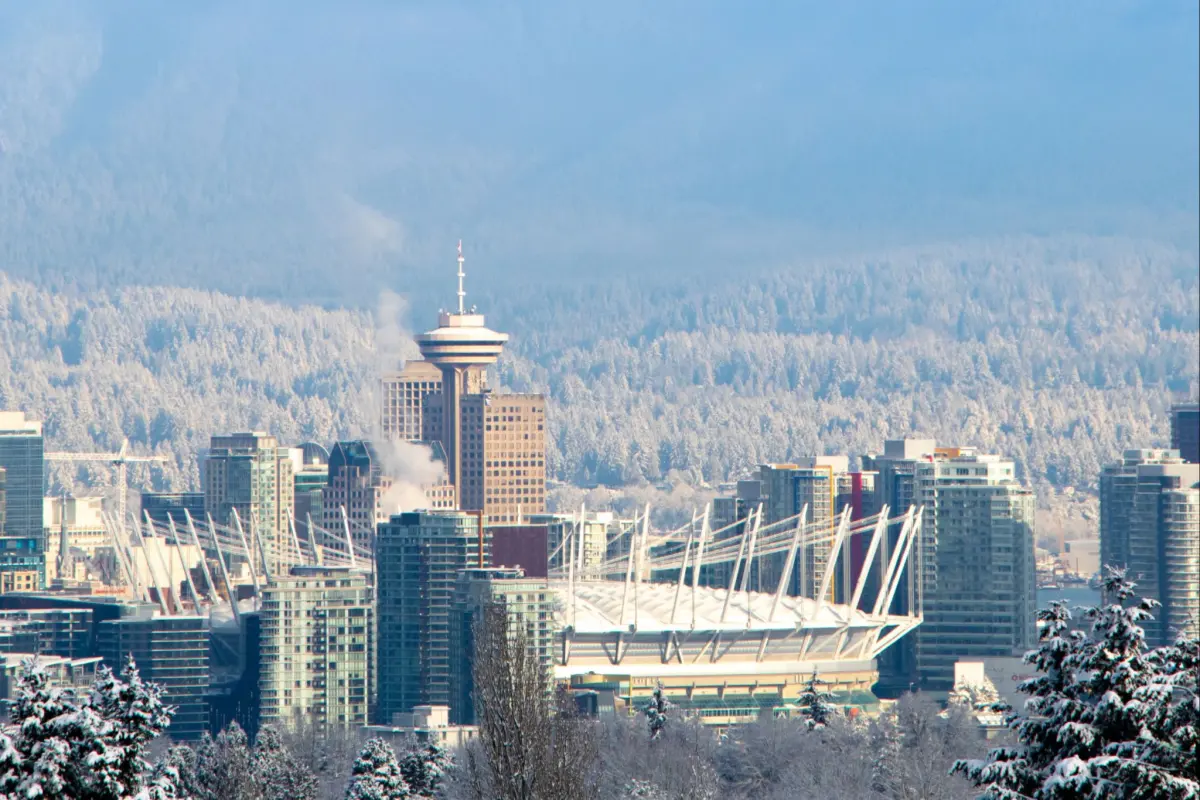
When the city does get a dusting of snow, it transforms the landscape into a picturesque winter scene. Stanley Park becomes a popular destination for photographers, and local neighborhood parks offer excellent spots for casual sledding. If you want to experience snow reliably, the best approach is to head toward the North Shore mountains, which offer world-class skiing and snowboarding facilities.
If you are looking to embrace the winter weather, consider these activities:
- Snowshoeing on the groomed trails at Cypress Mountain.
- Ice skating at the outdoor Robson Square rink in the heart of the city.
- Visiting the Capilano Suspension Bridge during the "Canyon Lights" event for a festive, snowy atmosphere.
- Taking a short drive to the Fraser Valley for a more traditional, snow-covered rural winter experience.
Always remember that conditions change rapidly in the Pacific Northwest, so staying flexible with your travel plans is the best strategy for a successful winter visit.
Key facts
- Vancouver receives an average of 38 centimeters (15 inches) of snowfall annually, though this varies significantly by neighborhood and elevation.
- Snow usually falls between December and February, with January being the coldest and most likely month for accumulation.
- Heavy snow events are often short-lived because the city’s proximity to the Pacific Ocean keeps temperatures hovering near freezing.
- The North Shore Mountains, located just across the harbor, receive significantly more snow than the downtown core due to higher altitudes.
- City bylaws require property owners to clear snow and ice from sidewalks adjacent to their homes or businesses by 10:00 AM following a snowfall.
- Winter tires or chains are legally required on most British Columbia highways from October 1 to March 31, especially when traveling toward mountain passes.
The bottom line
While Vancouver is not a snowy city by Canadian standards, winter weather is unpredictable and can cause significant disruptions. You will likely encounter a mix of rain, slush, and occasional light snow between December and February. If you plan to visit or live there, prioritize waterproof clothing and exercise caution on the roads, as the city’s infrastructure is not built to handle sustained freezing conditions.
People also ask
Does the snow stay on the ground for a long time in Vancouver?
No, snow rarely stays on the ground for more than a few days because temperatures frequently rise above freezing. The coastal climate often turns snow into slush or rain shortly after it falls.
Is it difficult to drive in Vancouver when it snows?
Yes, driving can be treacherous because the city is not equipped for heavy snow and many drivers lack winter tires. Hills in areas like Burnaby or the North Shore become particularly dangerous during even light accumulations.
Should I bring heavy winter gear if I visit in January?
You should pack a waterproof coat, sturdy boots, and layers, as the primary challenge is cold rain rather than deep snow. A heavy parka is useful, but ensure your outer layer is water-resistant to handle the damp conditions.
Are public transit services affected by snow?
Yes, bus routes and the SkyTrain can experience significant delays or service cancellations during snowstorms. It is best to check the TransLink website or mobile app for real-time alerts before heading out.
Can I go skiing near Vancouver during the winter?
Absolutely, there are three major ski resorts—Grouse, Cypress, and Seymour—located within a 30-minute drive of the city. These mountains consistently receive enough snow for winter sports throughout the season.
What is the biggest mistake people make during Vancouver snowstorms?
The most common mistake is failing to clear sidewalks promptly or attempting to drive on summer tires. Neglecting to clear your property can result in fines, while driving on summer tires creates a high risk of accidents on icy roads.
This answer was created with the help of AI research tools and reference sources. Spotted an error? Let us know — we correct mistakes quickly. See our editorial policy.