What is a temperate rainforest?
Short answer
Temperate rainforests are lush, high-precipitation ecosystems located in mid-latitude coastal regions. They are characterized by cool, moist climates, massive coniferous trees, and a thick understory of ferns and mosses. Unlike tropical rainforests, these forests experience distinct seasonal temperature variations, supporting unique biodiversity while playing a critical role in global carbon sequestration.
On this page
Where are temperate rainforests found?
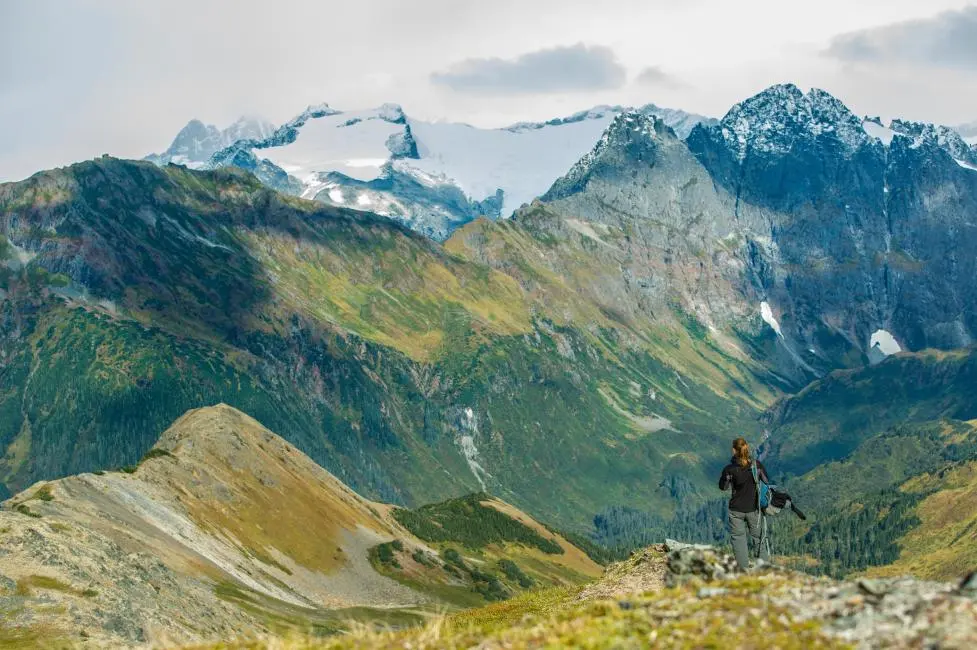
Temperate rainforests are rare, occupying less than one percent of the Earth’s land surface. They are primarily situated along the western coasts of continents where mountain ranges trap moisture-laden air coming off the ocean. This geographical positioning creates a "rain shadow" effect, forcing consistent precipitation throughout the year.
The most extensive temperate rainforests are found along the Pacific coast of North America, stretching from Alaska through British Columbia down to Northern California. Other significant pockets exist in regions such as:
- Southern Chile and Argentina
- New Zealand’s South Island
- The coastal regions of Tasmania
- Small areas of Norway and Japan
Because these forests require specific oceanic influences, they are restricted to narrow bands between the coast and inland mountain chains. This isolation makes them highly sensitive to climate shifts and human encroachment, as they cannot easily migrate or expand into neighboring, less hospitable environments.
What makes a temperate rainforest unique?
The defining feature of a temperate rainforest is its high level of precipitation, often exceeding 200 centimeters (80 inches) annually. This moisture is supplemented by frequent coastal fog, which provides essential hydration during drier summer months. These conditions create a hyper-productive environment where biomass accumulates at rates rarely seen in other ecosystems.
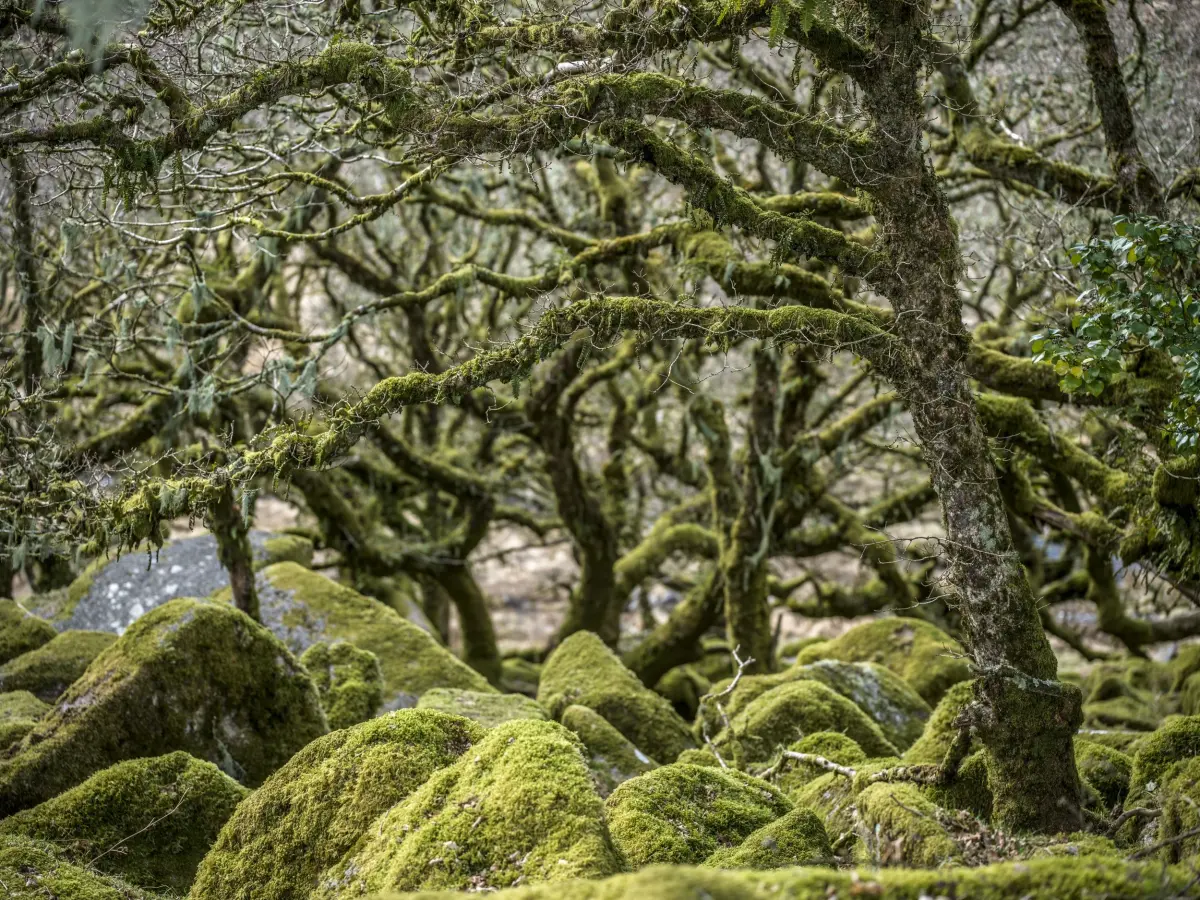
Biological diversity in these regions is dominated by massive conifers, such as Sitka spruce, western hemlock, and Douglas fir. These trees can reach staggering heights, often exceeding 75 meters (250 feet). The forest floor is equally distinct, characterized by:
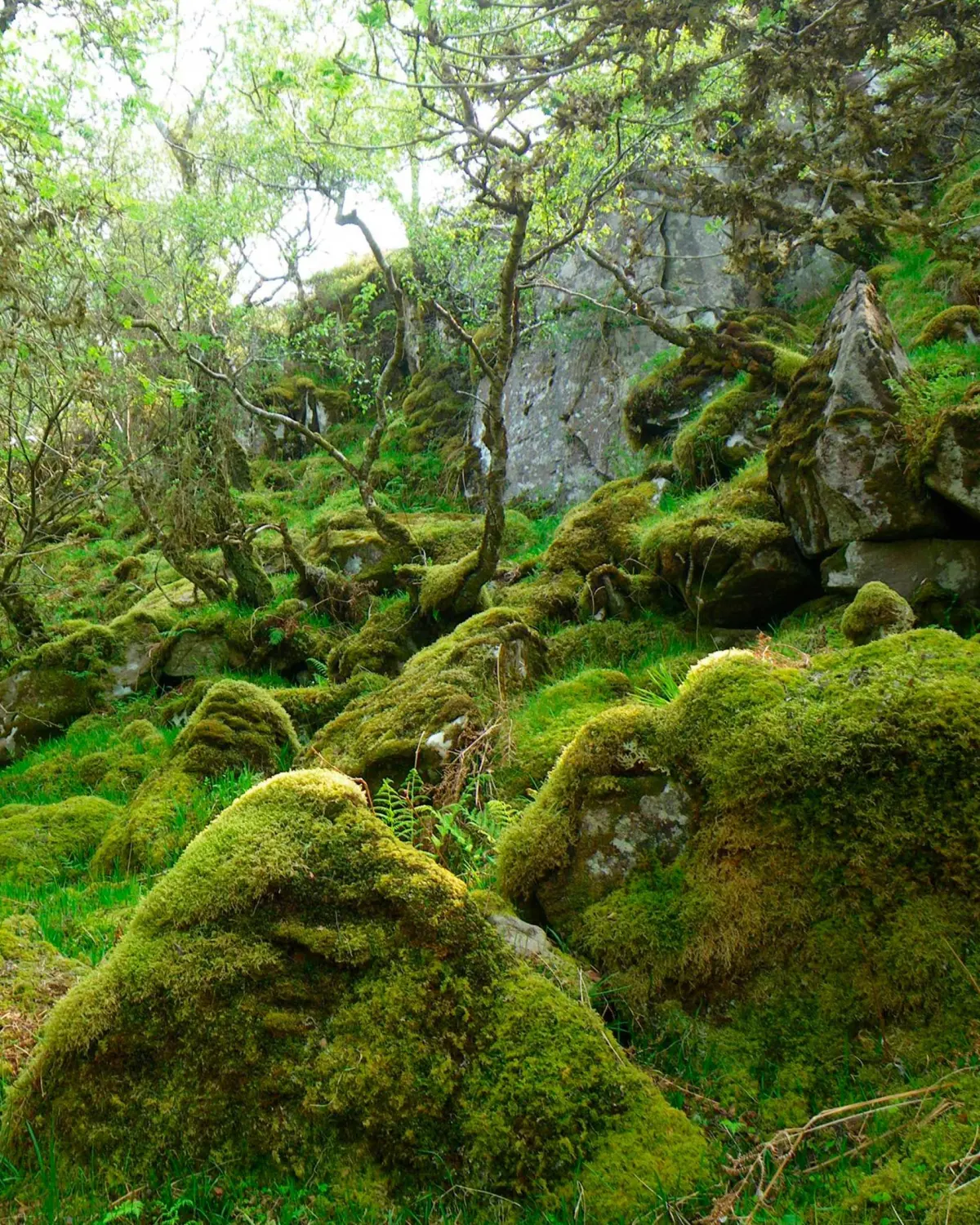
- A thick, spongy carpet of mosses and lichens
- Dense layers of sword ferns and huckleberry bushes
- Massive "nurse logs" that provide nutrients for new seedlings
- A lack of extreme temperature fluctuations due to the moderating influence of the sea
This structural complexity creates a multi-layered canopy that captures nearly all available sunlight. Consequently, the forest floor remains dark and cool, fostering a slow-decaying environment that stores immense amounts of carbon in the soil and woody debris.
Why are temperate rainforests important for the climate?
Temperate rainforests are among the most effective carbon sinks on the planet. Because of their cool temperatures, organic matter decomposes slowly, allowing carbon to remain trapped in the soil and decaying logs for centuries. A single hectare of old-growth temperate rainforest can store more carbon than almost any other terrestrial ecosystem.
Beyond carbon storage, these forests serve as critical watersheds. The dense vegetation acts as a giant sponge, absorbing heavy rainfall and releasing it slowly into streams and rivers. This process prevents soil erosion and maintains stable water temperatures, which are essential for the survival of salmon and other aquatic species.
- Maintain stable regional temperatures by acting as a natural cooling system.
- Filter water through deep root systems, ensuring clean runoff for downstream ecosystems.
- Provide critical habitat corridors for migratory birds and large mammals like grizzly bears and elk.
- Protect coastal shorelines from storm surges by buffering the impact of wind and rain.
How to explore temperate rainforests safely?
Visiting these ecosystems requires preparation, as the environment is often wet, rugged, and remote. If you are planning a trip to places like Olympic National Park or the Great Bear Rainforest, you must prioritize safety and environmental stewardship. The terrain is frequently slippery, and weather conditions can change within minutes.
To ensure a successful visit, follow these practical steps:
- Always check local weather forecasts and trail reports before departing.
- Wear synthetic, moisture-wicking layers rather than cotton, which stays cold when wet.
- Carry a physical map and compass, as dense canopy cover often renders GPS devices unreliable.
- Remain on marked trails to avoid damaging fragile moss beds and sensitive root systems.
- Pack out everything you bring in, including food scraps, to protect local wildlife from human attractants.
By adhering to these guidelines, you minimize your physical footprint while ensuring your own safety in a challenging, albeit beautiful, wilderness setting.
Common mistakes when visiting temperate rainforests?
The most frequent error visitors make is underestimating the intensity of the moisture. Many assume that a light rain jacket is sufficient, only to find themselves soaked within an hour. In these environments, waterproof gear is not a luxury; it is a necessity for preventing hypothermia, even during the summer months.
Another common mistake involves a lack of respect for the forest's delicate biology. Many visitors inadvertently trample "nurse logs" or peel back moss, not realizing that these features take decades or even centuries to form. Avoid these pitfalls by:
- Avoiding off-trail exploration, which leads to soil compaction and habitat fragmentation.
- Refraining from feeding wildlife, which disrupts natural foraging behaviors and creates dangerous dependencies.
- Overlooking the importance of footwear, as standard sneakers lack the traction needed for slick, mud-covered logs and stones.
- Ignoring warnings about bear activity, which is common in many temperate rainforest regions during salmon runs.
By practicing patience and preparation, you can enjoy the majesty of these ancient forests without compromising their integrity or your personal safety.
Key facts
- Temperate rainforests receive at least 50 to 150 inches of precipitation annually, much of which arrives as fog or mist.
- These ecosystems are defined by moderate temperatures that rarely drop below freezing or rise above 80°F (27°C).
- They store more carbon per acre than almost any other terrestrial ecosystem, primarily within massive old-growth trees.
- The largest temperate rainforest in the world is the Pacific Temperate Rainforest, stretching from Alaska to Northern California.
- Epiphytes like mosses, ferns, and lichens blanket the forest floor and tree trunks, creating a multi-layered vertical habitat.
- To visit safely, always pack waterproof layers and sturdy boots, as the ground remains perpetually damp and prone to mud.
The bottom line
Temperate rainforests are rare, high-moisture ecosystems defined by cool coastal climates and immense biological productivity. By storing massive amounts of carbon and providing critical habitat for diverse species, they serve as vital components of global climate stability. Understanding their delicate balance is essential for conservation, as these lush landscapes remain highly sensitive to human encroachment, industrial development, and the ongoing impacts of global temperature shifts.
People also ask
How do temperate rainforests differ from tropical rainforests?
Tropical rainforests are located near the equator and remain warm year-round, while temperate rainforests exist in higher latitudes with distinct seasonal changes. Tropical forests also have significantly higher biodiversity and faster decomposition rates due to constant heat and humidity.
What are the primary threats to these ecosystems?
Industrial logging, road construction, and climate change are the most significant threats to temperate rainforests. These activities fragment habitats and reduce the forest's ability to sequester carbon effectively.
Do temperate rainforests exist outside of North America?
Yes, they are found in coastal regions of Chile, New Zealand, Tasmania, Norway, Japan, and the United Kingdom. These areas share the common requirement of proximity to cool oceans that provide consistent moisture.
Why is the moss in these forests so important?
Moss acts as a giant sponge, absorbing vast amounts of water and releasing it slowly into the soil during drier periods. It also provides essential nesting material and micro-habitats for countless insects and amphibians.
What is the best time of year to visit a temperate rainforest?
Late spring through early autumn offers the most accessible trails and milder weather. However, visiting during the rainy season provides a unique perspective on the forest’s lush, misty atmosphere if you are properly equipped.
Can I hike off-trail in a temperate rainforest?
It is strongly advised to stay on marked trails to protect fragile mosses and root systems from compaction. Off-trail hiking also increases the risk of getting lost in dense, disorienting vegetation and creates unnecessary erosion.
This answer was created with the help of AI research tools and reference sources. Spotted an error? Let us know — we correct mistakes quickly. See our editorial policy.
