What is the provincial tree of BC?
Short answer
The Western Red Cedar (Thuja plicata) is the official provincial tree of British Columbia. Adopted in 1988, this majestic conifer is deeply rooted in the cultural history of the province’s Indigenous peoples and remains vital to the regional ecosystem, timber industry, and the iconic temperate rainforest landscapes of the Pacific Northwest.
On this page
Why is the Western Red Cedar significant?
The Western Red Cedar was formally designated as the provincial tree of British Columbia on February 18, 1988. Its selection was driven by its historical and cultural importance to the First Nations of the Pacific Coast, who have long referred to it as the "Tree of Life." For centuries, these communities have relied on the cedar for its versatile wood, bark, and roots, which are essential for creating everything from monumental totem poles and longhouses to intricate baskets and ceremonial clothing.
Beyond its cultural status, the tree is a keystone species in British Columbia’s coastal rainforests. It thrives in the mild, wet climate of the region, often growing in deep, nutrient-rich soils. Because it is highly resistant to rot and decay, the tree provides a stable habitat for countless insects, birds, and mammals, playing a critical role in maintaining the biological diversity of the province’s ancient forests.
How to identify a Western Red Cedar
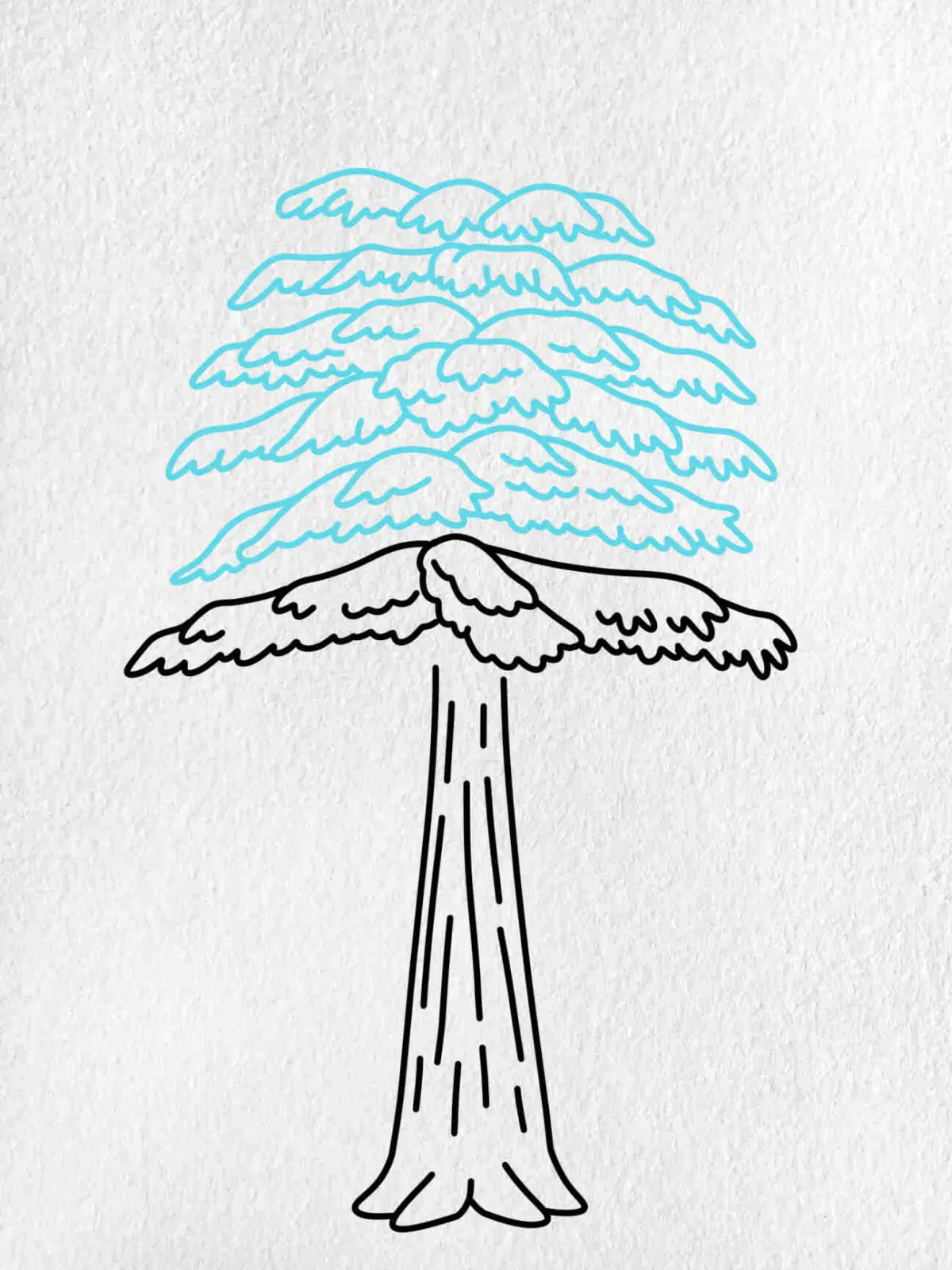
Identifying a Western Red Cedar in the wild is relatively straightforward if you know which features to examine. The tree is characterized by its drooping, fan-like branches and its distinct, reddish-brown bark that peels away in long, vertical strips. Unlike many other conifers, the cedar does not have needles; instead, it possesses small, scale-like leaves that are arranged in flat, overlapping patterns.
To confirm your identification, look for these specific physical traits:
- The leaves are glossy green on the top and marked with white, butterfly-shaped patterns on the underside.
- The cones are small, woody, and upright, typically measuring about 10 to 12 millimeters in length.
- The trunk is often flared at the base, creating a wide, sturdy foundation that can grow to massive proportions over time.
- The overall shape of the tree is conical, with a leader shoot that often droops slightly at the very top.
Where do Western Red Cedars grow?
Western Red Cedars are primarily found in the wet, temperate regions of British Columbia, particularly along the coast and in the interior wet belt. They are most commonly seen in low to mid-elevation forests where the annual rainfall is high. While they can tolerate some shade, they grow most vigorously in areas with consistent moisture and protection from extreme temperature fluctuations.
If you are planning to observe these trees in their natural habitat, consider visiting the following areas:
- Pacific Rim National Park Reserve on Vancouver Island, which features old-growth cedar groves.
- Cathedral Grove in MacMillan Provincial Park, home to some of the largest and oldest specimens in the province.
- The Great Bear Rainforest, where the species thrives alongside Sitka spruce and western hemlock.
- Various provincial parks throughout the Fraser Valley, where the trees are easily accessible via maintained hiking trails.
How to grow a cedar in your garden
Growing a Western Red Cedar at home requires careful planning, as these trees can eventually reach heights of 60 meters or more. They are best suited for large properties where they have ample space to spread their root systems and develop their broad, flared trunks. When planting, choose a location that receives partial shade, especially during the hottest parts of the day, to prevent the foliage from scorching.
Follow these steps to ensure your tree thrives:
- Select a site with deep, moist, and well-drained soil that is rich in organic matter.
- Dig a hole twice as wide as the root ball and just deep enough so the top of the root system is level with the surrounding soil.
- Place the tree in the center, backfill with native soil, and water thoroughly to eliminate air pockets.
- Apply a layer of mulch around the base to retain moisture, but keep it away from the trunk to prevent rot.
Common mistakes when caring for cedars
One of the most frequent errors gardeners make is failing to provide adequate water during the first few years of the tree's life. While Western Red Cedars are adapted to wet environments, young saplings are vulnerable to drought and can quickly suffer from browning foliage if the soil dries out completely. Consistent, deep watering is essential during the dry summer months to establish a strong root system.
Another common mistake involves improper pruning, which can permanently damage the tree's natural form. Avoid "topping" the tree, as this disrupts the leader shoot and can lead to structural weakness or disease. Additionally, be wary of over-fertilizing, which can cause rapid, weak growth that is susceptible to pests. If you notice yellowing or thinning, it is often a sign of poor soil drainage or nutrient deficiency rather than a need for heavy chemical intervention. Always monitor the tree for signs of disease, such as fungal infections or insect infestations, and consult a professional arborist before applying any aggressive treatments to your tree.
Key facts
- The Western Red Cedar (Thuja plicata) was officially adopted as the provincial tree of British Columbia in 1988.
- This species is not a true cedar, but a member of the cypress family, Cupressaceae.
- Indigenous peoples of the Pacific Northwest have historically referred to the tree as the "Tree of Life" due to its immense cultural utility.
- The tree can grow to heights of 60 meters and live for over 1,000 years in ideal conditions.
- Its wood is highly prized for its natural resistance to decay and insects, making it ideal for outdoor construction.
- When planting, ensure the soil remains consistently moist, as this species does not tolerate drought well.
The bottom line
The Western Red Cedar serves as a vital symbol of British Columbia, representing both the province's rich ecological diversity and its deep Indigenous heritage. Known for its longevity and durability, this iconic conifer remains essential to the region's landscape. Whether you are observing these giants in a coastal rainforest or considering one for your garden, understanding their specific moisture needs is key to their long-term survival.
People also ask
Why is the Western Red Cedar significant to Indigenous cultures?
It provided essential materials for longhouses, totem poles, canoes, clothing, and medicinal treatments. Its versatility allowed coastal nations to thrive by utilizing every part of the tree.
How can I identify a Western Red Cedar in the forest?
Look for scale-like, glossy green leaves that form flat, fan-shaped sprays. The bark is thin, fibrous, and peels away in long, vertical strips.
Is the Western Red Cedar safe to plant near my house foundation?
It is generally not recommended because the tree has a wide, shallow root system. These roots can potentially damage underground pipes or concrete foundations as the tree matures.
Does the Western Red Cedar grow well in all parts of British Columbia?
It thrives in the humid, temperate climates of the coast and the wet interior. It struggles in extremely dry or cold regions where moisture levels are insufficient.
What is the most common mistake when caring for a young cedar?
The most frequent error is allowing the soil to dry out completely. Young trees require regular watering during their first few years to establish a healthy root system.
Can I use cedar wood for indoor furniture?
Yes, its aromatic scent and beautiful grain make it popular for chests, closets, and saunas. However, it is a soft wood and can dent easily if used for heavy-duty tables or flooring.
This answer was created with the help of AI research tools and reference sources. Spotted an error? Let us know — we correct mistakes quickly. See our editorial policy.