How long is the ferry from Vancouver to Victoria?
Short answer
The ferry crossing between Vancouver (Tsawwassen) and Victoria (Swartz Bay) takes approximately one hour and 35 minutes. While the sailing duration is fixed, travelers must account for additional time spent boarding, disembarking, and traveling to the terminals. Total transit time often reaches three to four hours depending on traffic and reservation status.
On this page
How long does the ferry take from Vancouver to Victoria?
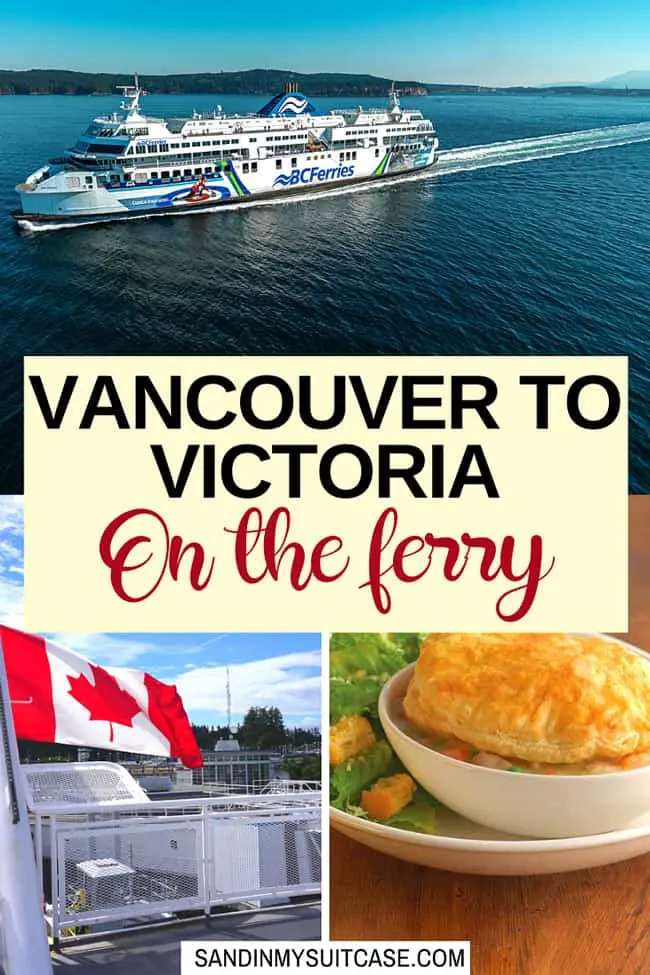
The standard sailing time for BC Ferries on the Tsawwassen to Swartz Bay route is one hour and 35 minutes. This duration applies to the main fleet vessels that operate this primary corridor between the Lower Mainland and Vancouver Island. The ships traverse the Strait of Georgia, navigating through the scenic Gulf Islands before docking at their respective terminals.
While the time on the water is consistent, environmental factors can occasionally influence the schedule. Strong winds or heavy fog may force the captain to reduce speed for safety, which can add five to ten minutes to the crossing. However, these delays are relatively rare. Most travelers should plan their itinerary based on the standard 95-minute transit time to ensure they reach their destination as expected.
How to book a ferry to Victoria
Securing a reservation is highly recommended, especially during peak travel periods such as summer weekends or statutory holidays. Reservations ensure you have a spot on your preferred sailing, though they do not eliminate the need to arrive at the terminal early. You can book online through the official BC Ferries website or mobile application.
- Create an account on the BC Ferries website to manage your bookings easily.
- Select your departure and arrival terminals, Tsawwassen and Swartz Bay.
- Choose a sailing time and provide your vehicle information and passenger count.
- Pay the reservation fee online to confirm your spot on the vessel.
- Arrive at the terminal 45 to 60 minutes before your scheduled departure time.
If you arrive without a reservation, you will be placed in the standby lane. During busy times, standby traffic may wait for several sailings before finding space on a ship.
Best tips for ferry travel
Preparation is the key to a smooth journey between the mainland and the island. Because the terminals are located outside the city centers, you must factor in the commute to and from the docks. In Vancouver, the Tsawwassen terminal is roughly 45 to 60 minutes from downtown, depending on traffic congestion on Highway 99.
- Check the current conditions page on the BC Ferries website before leaving home.
- Use public transit options like the BC Ferries Connector bus if you are traveling as a foot passenger.
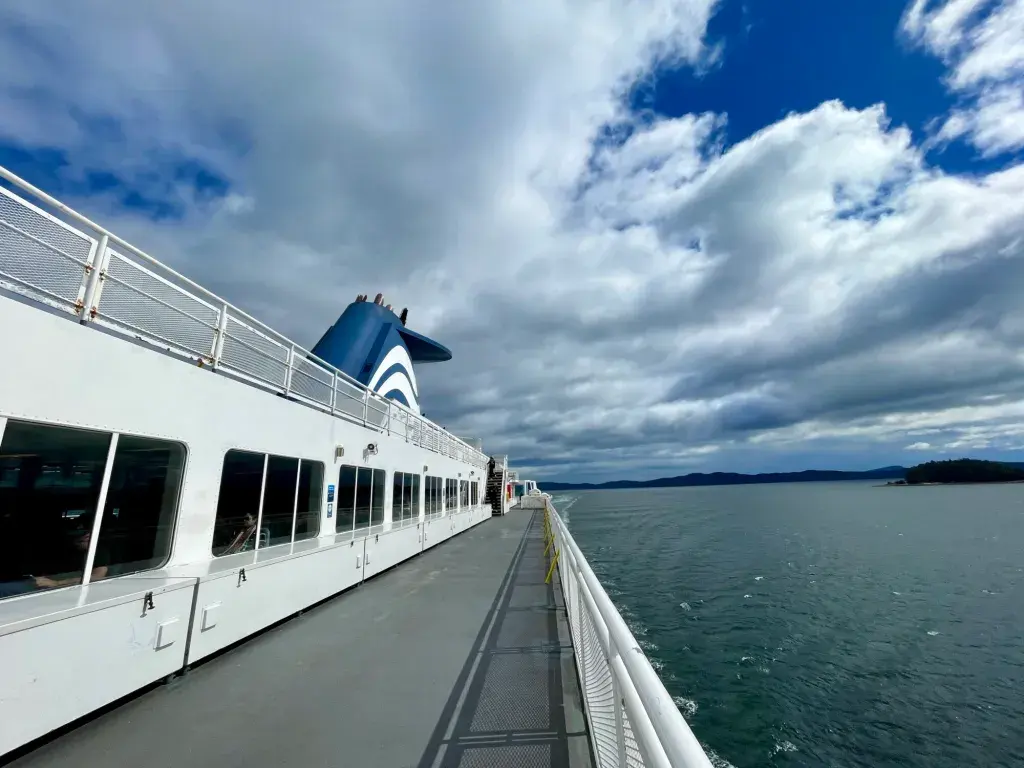
- Pack a light jacket, as the outdoor decks can be quite windy even on sunny days.
- Bring snacks or a meal, though the ships do offer onboard cafes and gift shops.
- Stay inside your vehicle if instructed by staff during the loading process.
Following these simple steps will help you avoid unnecessary stress and ensure your trip begins on a positive note.
Why sailing schedules change
The ferry schedule is designed to accommodate high demand, but it is subject to change based on vessel maintenance and traffic volume. BC Ferries operates a fleet of ships that require regular dry-docking and servicing to meet safety standards. When a vessel is out of service, the remaining ships must handle the load, which may result in fewer sailings per day.
Weather is another significant factor that dictates operational changes. Intense storms in the Strait of Georgia can lead to the cancellation of sailings for the safety of passengers and crew. In such cases, the company typically updates its website and sends alerts to customers with reservations. Always monitor your email or text messages on the day of your travel to stay informed about any unexpected disruptions to the service.
Common mistakes when taking the ferry
One of the most frequent errors travelers make is underestimating the time required to reach the terminal. Traffic on the approach to Tsawwassen can be heavy, particularly during the Friday afternoon rush or Sunday evening return peaks. Arriving exactly at the cutoff time is risky, as missing the check-in window will result in the loss of your reservation.
Another common mistake is failing to account for the time needed to disembark. Once the ferry docks, it takes several minutes for the ramp to lower and the vehicle decks to clear. If you are parked in the middle of the ship, you may wait 15 to 20 minutes before you are able to drive off. Avoid scheduling tight connections or important meetings immediately upon arrival to account for these inevitable delays in the disembarkation process.
Key facts
- The ferry crossing between Tsawwassen (Vancouver) and Swartz Bay (Victoria) takes 1 hour and 35 minutes.
- BC Ferries operates this route with vessels departing roughly every two hours throughout the day.
- You must arrive at the terminal at least 30 to 45 minutes before your scheduled departure if you have a reservation.
- Foot passengers should arrive at least 45 minutes early, while vehicles without reservations often face long wait times during peak travel.
- Reservations are highly recommended, especially during summer months, weekends, and holidays to guarantee your spot on a specific sailing.
- The ferry route traverses the scenic Active Pass, offering opportunities to spot whales, seals, and coastal birds.
The bottom line
The ferry trip from Vancouver to Victoria is a reliable and scenic 95-minute journey across the Salish Sea. To ensure a smooth experience, always book your vehicle reservation well in advance, especially during peak holiday periods. Arriving early at the terminal is critical to avoid missing your sailing. With comfortable amenities on board, this transit option remains the most practical way to travel between these major cities.
People also ask
How much does it cost to take the ferry to Victoria?
Fares vary depending on whether you are a foot passenger or bringing a vehicle. As of 2026, a standard adult walk-on ticket costs approximately $20, while a vehicle and driver fee is roughly $65, excluding additional passenger charges.
Can I walk onto the ferry if I do not have a car?
Yes, the ferry is fully accessible to foot passengers. You can purchase tickets at the terminal or online and board via the designated pedestrian walkways.
Are there food and amenities available on board?
The ferries feature multiple levels with amenities including the Coastal Café, a gift shop, and comfortable lounge seating. Some vessels also include a buffet or dedicated work areas with power outlets.
What happens if I miss my reserved sailing time?
If you miss your reserved sailing, your booking may be cancelled and you will be placed on standby for the next available departure. It is essential to check in well before the cutoff time to avoid losing your reservation.
Is there public transportation to the ferry terminals?
Both terminals are well-connected to public transit, such as the BC Transit bus system in Victoria and the TransLink bus system in Vancouver. You can easily reach the ferry ports from downtown Vancouver or Victoria using local buses.
Does the ferry sail during bad weather?
BC Ferries is highly reliable, but sailings can be delayed or cancelled during extreme wind or storm conditions. You should check the current conditions on the official BC Ferries website before heading to the terminal.
This answer was created with the help of AI research tools and reference sources. Spotted an error? Let us know — we correct mistakes quickly. See our editorial policy.