What is there to do in Vancouver in winter?
Short answer
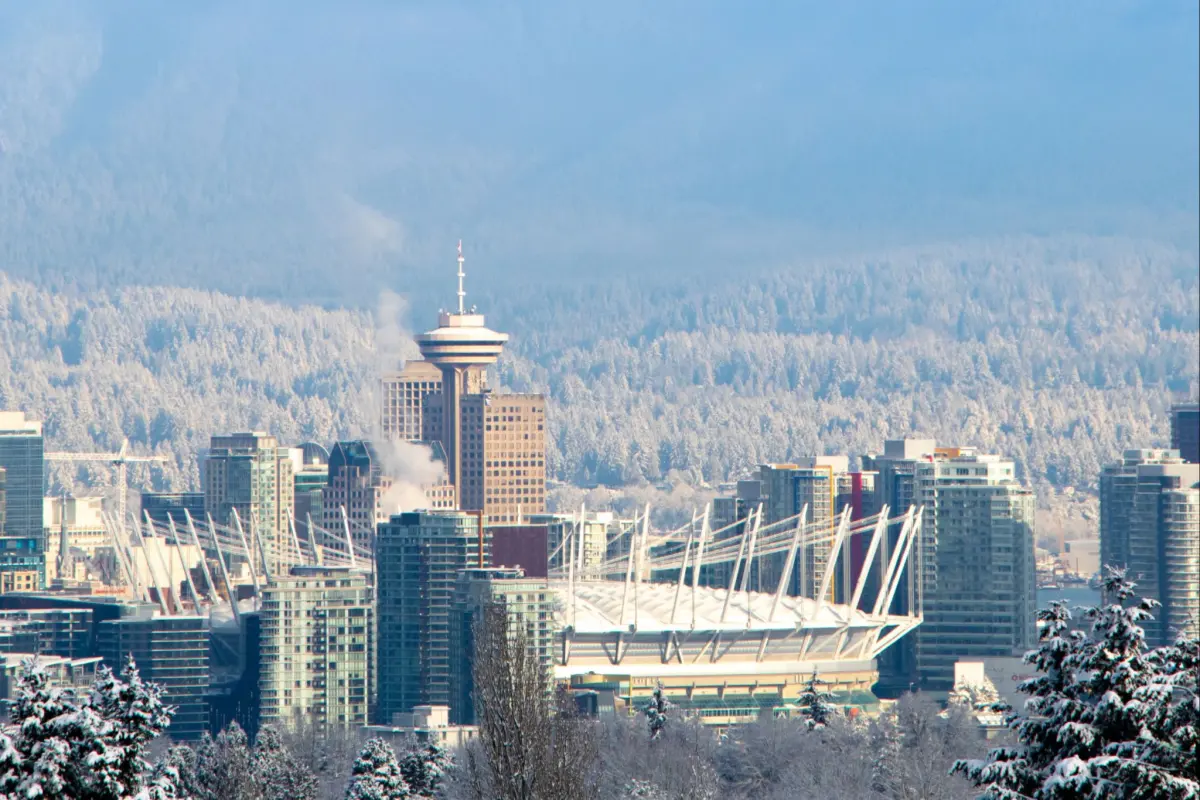
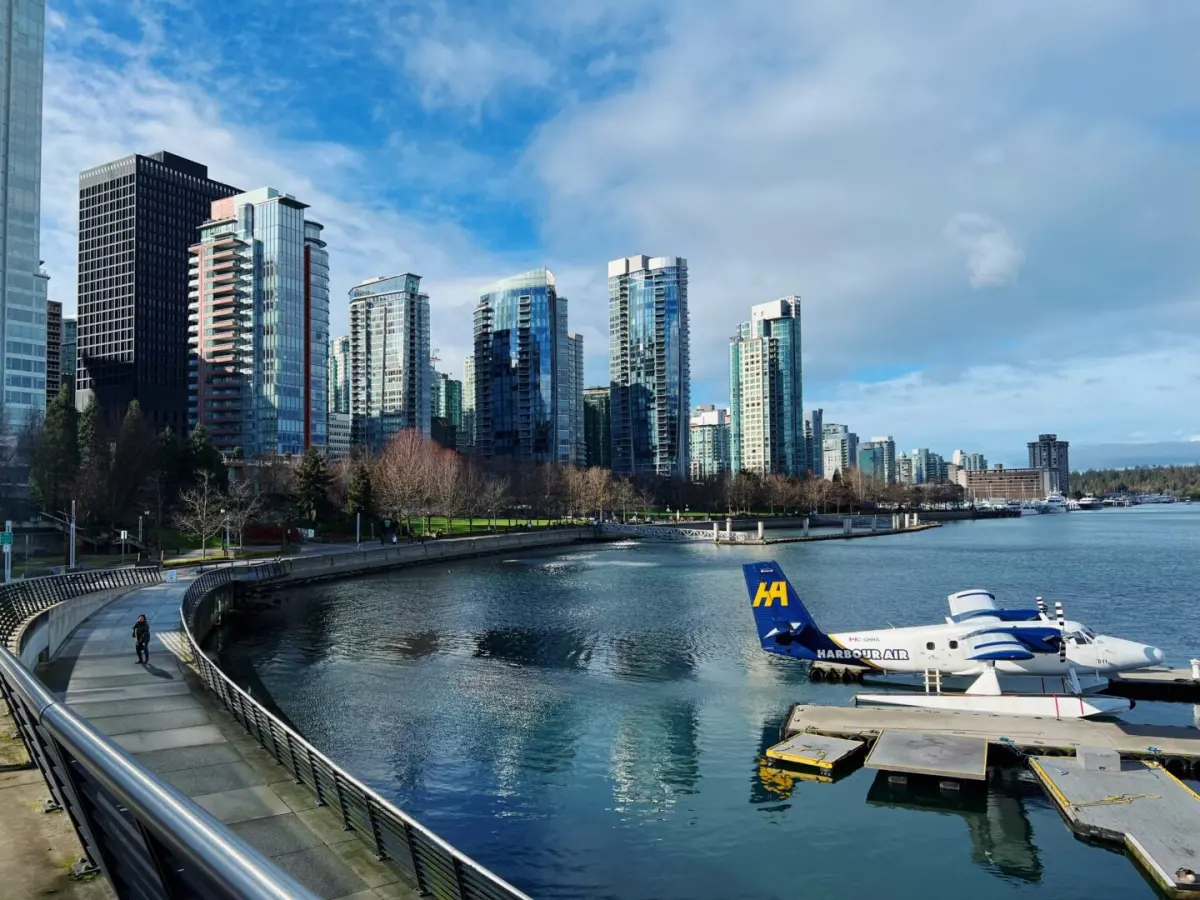
Vancouver in winter offers a diverse mix of coastal rainforest exploration, world-class skiing, and vibrant indoor cultural experiences. While the city experiences frequent rain, temperatures remain mild, hovering between 3°C and 8°C. Visitors can enjoy festive holiday lights, bustling public markets, and proximity to three major mountains for snow sports.
On this page
Where to go skiing near Vancouver
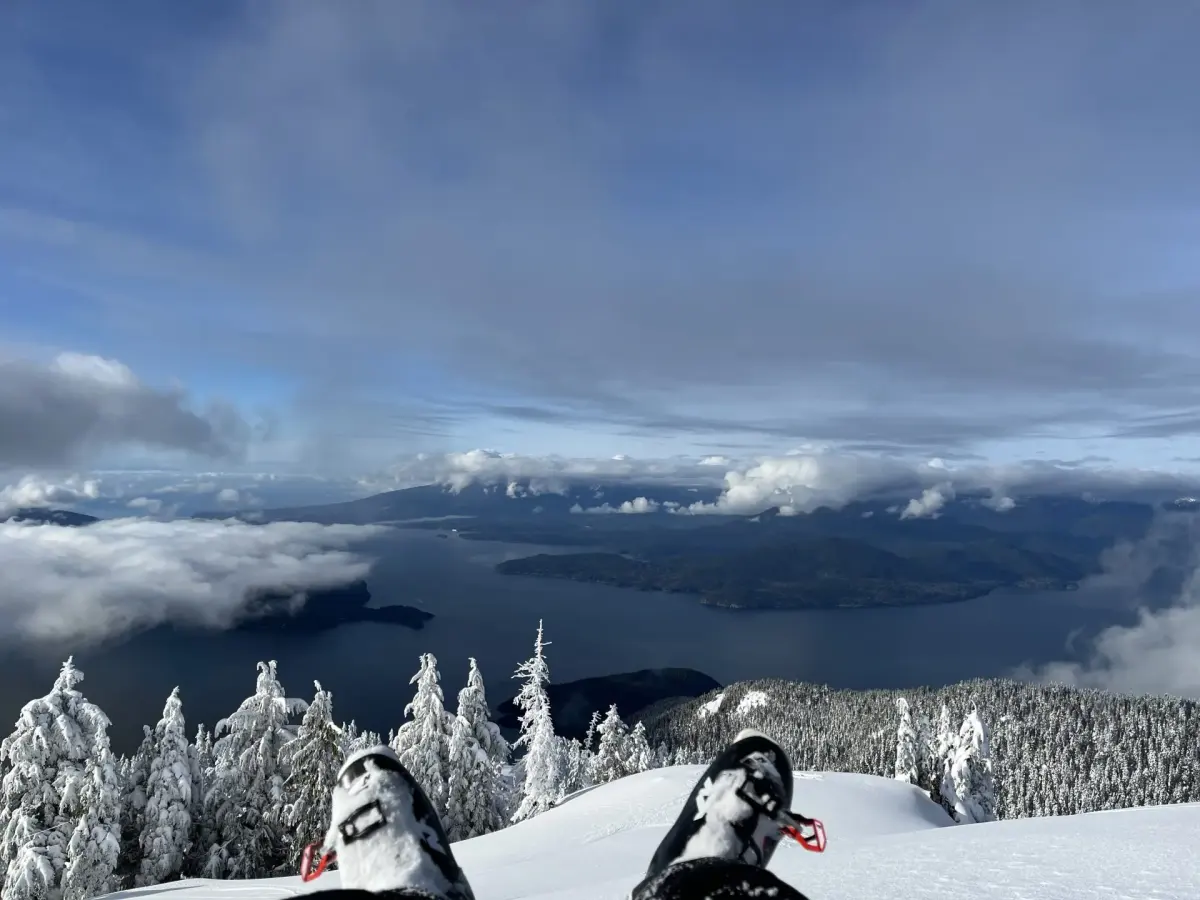
Vancouver is unique for its proximity to three local mountains: Cypress Mountain, Grouse Mountain, and Mount Seymour. All three are located within a 30-minute drive from the downtown core, making them accessible even for a half-day trip. Cypress Mountain offers the most extensive terrain, while Grouse Mountain provides a "Skyride" gondola experience and panoramic city views. Mount Seymour is frequently cited as the most family-friendly option due to its smaller size and dedicated snowshoeing trails.
To ensure a smooth trip, follow these steps:
- Check the daily snow report on the resort’s official website before departing.
- Book your shuttle or parking pass in advance, as lots fill up quickly on weekends.
- Rent your equipment in the city rather than at the mountain to save money and avoid long rental lines.
- Dress in moisture-wicking layers, as the coastal "wet snow" can easily soak through standard cotton clothing.
Best indoor activities in Vancouver
When the Pacific Northwest rain becomes too heavy, Vancouver offers several world-class indoor attractions that keep visitors dry. The Vancouver Art Gallery, located in the heart of the city, hosts rotating international exhibitions and a significant collection of works by Emily Carr. For families, Science World provides interactive exhibits inside a distinctive geodesic dome, while the Vancouver Aquarium in Stanley Park allows visitors to explore marine life without braving the elements.
Another popular indoor destination is the Granville Island Public Market. This sprawling indoor space features dozens of local vendors selling artisanal cheeses, fresh baked goods, and hot meals. It is an ideal spot to spend a rainy afternoon sampling local delicacies while watching the rain fall over False Creek. Remember that the market is busiest on Saturday mornings, so aim for a weekday visit if you prefer a more relaxed shopping experience.
How to enjoy holiday lights and festivals
Winter in Vancouver is defined by its festive spirit, with several major light displays occurring from late November through early January. The Canyon Lights display at Capilano Suspension Bridge Park is a highlight, featuring thousands of lights draped across the bridge and through the surrounding rainforest canopy. Similarly, the Festival of Lights at VanDusen Botanical Garden transforms the grounds into a glowing wonderland with choreographed light shows set to music.
If you are planning to visit these displays, consider these tips to avoid common frustrations:
- Purchase your tickets online at least two weeks in advance to guarantee entry.
- Use public transit or dedicated event shuttles, as parking near these venues is extremely limited.
- Arrive during the "twilight" hour, shortly before sunset, to see the displays transition from day to night.
- Wear waterproof footwear, as the trails at botanical gardens and parks can become muddy and slick during the winter months.
Common mistakes when visiting Vancouver in winter
The most frequent error travelers make is underestimating the impact of coastal humidity. While the temperature rarely drops well below freezing, the damp air makes the cold feel more penetrating than in drier climates. Many visitors arrive with thin windbreakers that are insufficient for sustained rain. Always pack a high-quality, waterproof shell and sturdy, water-resistant boots to ensure you remain comfortable while walking through the city’s many parks and urban neighborhoods.
Another common mistake is assuming that snow tires are optional for those renting a car. British Columbia law requires winter tires on most highways, including the roads leading to the North Shore mountains, from October 1 to April 30. If you plan to drive to the mountains, ensure your rental vehicle is equipped with the "M+S" or snowflake symbol on the tires. Failing to comply can result in significant fines and, more importantly, unsafe driving conditions on steep, winding mountain roads.
Why you should visit Stanley Park in winter
Stanley Park remains a premier destination even in the winter months, offering a different, moodier aesthetic compared to its vibrant summer appearance. The famous Seawall is significantly less crowded, allowing for peaceful walks or bike rides along the waterfront. During the winter, the park’s dense cedar and hemlock trees provide a natural canopy that offers some protection from light drizzle, making it an excellent place for a brisk morning walk.
If you choose to explore the park, focus on these areas:
- The Totem Poles at Brockton Point, which are easily accessible and offer great photo opportunities.
- The Hollow Tree, a historic landmark that serves as a reminder of the park's ancient forest roots.
- The Prospect Point lookout, where you can view the Lions Gate Bridge and the snow-capped North Shore mountains.
- The Lost Lagoon, which becomes a quiet sanctuary for migratory birds during the colder months, providing excellent opportunities for birdwatching enthusiasts.
Key facts
- Vancouver winters are mild, with average temperatures ranging from 3°C to 8°C (37°F to 46°F).
- Grouse Mountain, Cypress Mountain, and Mount Seymour are all within a 30-minute drive of downtown for skiing and snowboarding.
- The Capilano Suspension Bridge Park hosts the "Canyon Lights" display, featuring over one million LED lights, from late November to late January.
- Stanley Park’s Bright Nights train event runs throughout December and supports the BC Professional Fire Fighters’ Burn Fund.
- Visitors should pack a high-quality waterproof rain jacket and sturdy, water-resistant footwear, as Vancouver experiences frequent winter rainfall.
- The Vancouver Christmas Market at Jack Poole Plaza features over 80 huts selling authentic German food, drinks, and handcrafted gifts.
The bottom line
Vancouver in winter offers a unique blend of urban culture and accessible mountain adventure. While the city experiences frequent rain, the mild climate allows for year-round exploration of parks, museums, and festive holiday markets. By packing proper waterproof gear and utilizing the efficient public transit system, visitors can enjoy world-class skiing just minutes from the city center while experiencing the vibrant, cozy atmosphere of a coastal winter.
People also ask
Does it snow often in downtown Vancouver?
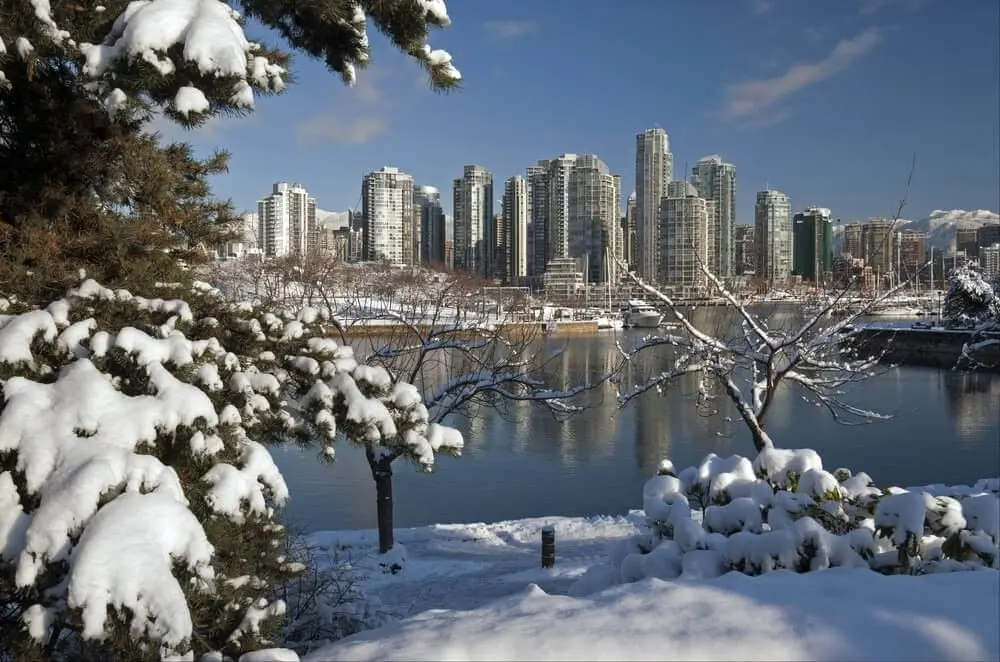
Snow is relatively rare in the city center and usually melts within a few days. However, the surrounding North Shore mountains receive significant snowfall, making them ideal for winter sports.
Is public transit available to the ski mountains?
Yes, the Cypress Mountain Express bus operates from various locations in Vancouver during the winter season. Grouse Mountain is also easily accessible via public transit by taking the SeaBus and a short connecting bus ride.
What are the best indoor activities during rainy days?
The Vancouver Art Gallery, Science World, and the Museum of Anthropology offer extensive indoor exhibits. The Bloedel Conservatory in Queen Elizabeth Park provides a warm, tropical climate under a glass dome.
Are attractions crowded during the winter months?
Generally, tourism is lower in winter compared to summer, except during the peak holiday weeks in late December. Mid-week visits to popular spots like the Vancouver Aquarium are usually much quieter.
Do I need a car to explore Vancouver in winter?
Most major attractions are accessible by the SkyTrain, bus, and SeaBus network. A car is only recommended if you plan to visit remote provincial parks or travel to Whistler.
What is the best way to stay dry while sightseeing?
Locals typically avoid umbrellas in favor of hooded, waterproof jackets. This allows for easier navigation through crowded streets and better maneuverability on public transit.
This answer was created with the help of AI research tools and reference sources. Spotted an error? Let us know — we correct mistakes quickly. See our editorial policy.