When did Vancouver host the Olympics?
Short answer
Vancouver hosted the 2010 Winter Olympic Games from February 12 to February 28, 2010. Officially known as the XXI Olympic Winter Games, the event was held in Vancouver and the nearby resort town of Whistler, British Columbia. It marked the third time Canada hosted an Olympic Games, following Montreal in 1976 and Calgary in 1988.
On this page
When were the Vancouver 2010 Winter Olympics held?
The Vancouver 2010 Winter Olympics officially commenced with the opening ceremony on February 12, 2010, and concluded with the closing ceremony on February 28, 2010. These games were the first Winter Olympics to be held in a coastal city with a temperate climate, which necessitated unique preparations for snow management. The event spanned 17 days, featuring thousands of athletes competing in 86 medal events across 15 different sport disciplines.
Following the conclusion of the Winter Olympics, Vancouver also hosted the 2010 Winter Paralympic Games from March 12 to March 21, 2010. This was the first time that the same organizing committee managed both the Olympic and Paralympic events in a single city. The dual-event structure allowed for better logistics and infrastructure utilization, ensuring that the venues remained functional for the diverse requirements of Paralympic athletes.
Where were the 2010 Olympic venues located?
The 2010 Games utilized a distributed venue model, splitting events between Vancouver, West Vancouver, and the mountain resort of Whistler. Vancouver served as the hub for indoor ice sports, while the outdoor snow events were primarily held in the Whistler area. This geographic spread required a massive investment in regional transportation infrastructure, most notably the Sea-to-Sky Highway, which was upgraded to accommodate the high volume of traffic between the city and the mountains.
Key venues included:
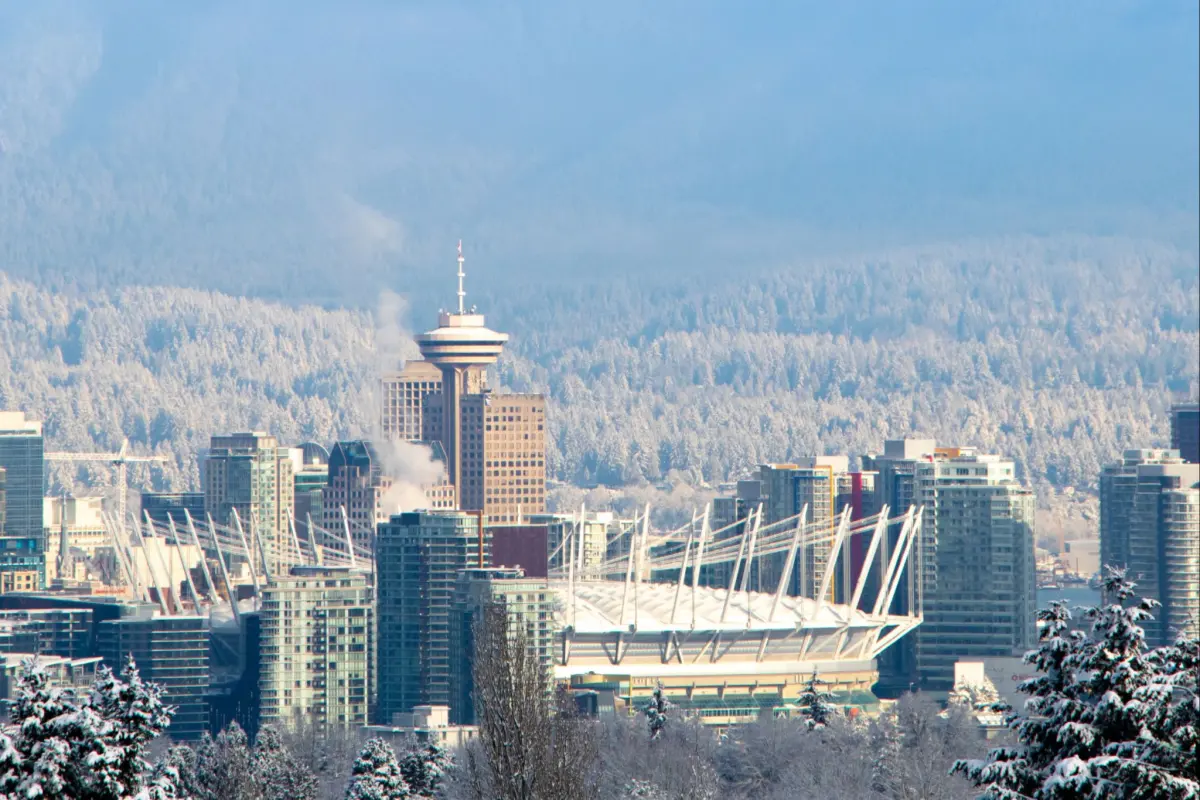
- BC Place: Hosted the opening and closing ceremonies.
- Rogers Arena: Served as the primary venue for ice hockey.
- Pacific Coliseum: Hosted figure skating and short track speed skating.
- Whistler Olympic Park: Held biathlon, cross-country skiing, and ski jumping.
- Whistler Creekside: Hosted all alpine skiing events.
The strategic placement of these venues allowed for a distinct atmosphere, with Vancouver providing an urban backdrop for ice sports and Whistler offering a classic alpine setting for snow-based competitions.
How to visit former Olympic sites today?
Visiting the 2010 Olympic sites is a popular activity for tourists interested in sports history and outdoor recreation. Most of the venues remain active, serving as training grounds for professional athletes and public facilities for locals. To make the most of a visit, it is recommended to plan your trip based on the specific sport you are interested in, as the venues are spread across a significant distance.
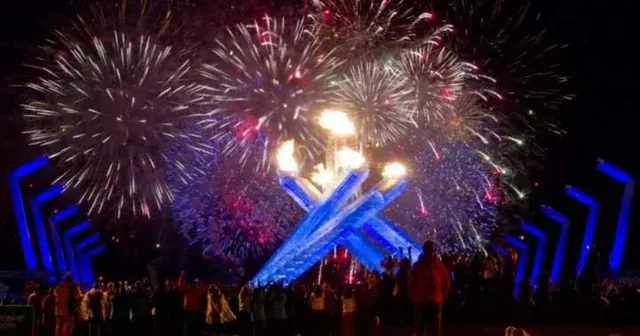
- Start in downtown Vancouver to see the Olympic Cauldron located at Jack Poole Plaza.
- Travel to the Richmond Olympic Oval to see the long track speed skating venue, now a public fitness center.
- Drive north to Whistler to visit the Whistler Olympic Park, which offers public cross-country skiing and snowshoeing trails in the winter.
- Check the official websites of these facilities before traveling, as many require advance booking for tours or equipment rentals.
Avoid assuming that all venues offer daily public tours, as many are still heavily used for private training sessions and professional team practices.

Why was the 2010 Olympics considered successful?
The 2010 Winter Olympics are widely regarded as a triumph for Canada, particularly due to the "Own the Podium" program. This initiative aimed to increase the number of medals won by Canadian athletes on home soil. The effort proved highly effective, as Canada set a new record for the most gold medals won by any nation at a single Winter Olympics, securing 14 gold medals. This achievement fostered a strong sense of national pride and unity throughout the country.
Beyond the medal count, the games were praised for their logistical execution and the integration of Indigenous participation. The Four Host First Nations—the Lil’wat, Musqueam, Squamish, and Tsleil-Waututh—were official partners in the games, marking a historic level of involvement for Indigenous peoples in Olympic history. This collaboration influenced everything from the design of the medals to the cultural programming during the ceremonies, setting a new standard for future host cities to include local Indigenous communities in their planning processes.
Common mistakes when planning an Olympic-themed trip?
A common mistake travelers make when visiting Vancouver is failing to account for the travel time between the city and Whistler. Although the drive is scenic, the Sea-to-Sky Highway can experience significant delays due to weather conditions or heavy traffic, especially during the winter months. It is essential to check road conditions and allow for extra travel time, as the mountain environment is unpredictable and can change rapidly throughout the day.
Another error is ignoring the seasonal nature of the venues. While the indoor arenas in Vancouver are open year-round, the outdoor facilities in Whistler are highly seasonal and dependent on snow conditions. If you visit in the summer, you will find a completely different set of activities, such as mountain biking or hiking, rather than the winter sports seen during the games. Always verify the seasonal availability of specific activities to ensure your expectations align with the current weather and operational status of the mountain resorts.
Key facts
- Vancouver hosted the XXI Olympic Winter Games from February 12 to February 28, 2010.
- These were the third Olympic Games held in Canada, following the 1976 Summer Olympics in Montreal and the 1988 Winter Olympics in Calgary.
- The Games featured 82 nations and approximately 2,566 athletes competing in 86 medal events.
- Canada set a record for the most gold medals won by a host country at a single Winter Olympics, securing 14 golds.
- The opening ceremony was held at BC Place, while many mountain events took place in the resort town of Whistler.
- A common mistake for visitors is confusing the 2010 Winter Games with the 2010 Paralympic Winter Games, which occurred in the same venues shortly after.
The bottom line
Vancouver successfully hosted the 2010 Winter Olympics, leaving a lasting legacy on the city's infrastructure and Canada’s sporting history. By securing a record-breaking 14 gold medals, the host nation ignited significant national pride. The event remains a benchmark for winter sports organization, demonstrating how a major metropolitan area can integrate diverse mountain and indoor venues to provide a cohesive experience for global athletes and spectators.
People also ask
Which city hosted the 2010 Paralympic Winter Games?
Vancouver and Whistler hosted the 2010 Paralympic Winter Games from March 12 to March 21, 2010. These games utilized many of the same venues and infrastructure as the Olympic Winter Games that preceded them.
How many medals did Canada win during the 2010 Winter Olympics?
Canada won a total of 26 medals during the 2010 Games. This haul included 14 gold, 7 silver, and 5 bronze medals, placing them first in the gold medal count.
What was the official mascot of the 2010 Vancouver Olympics?
The Games featured three mascots: Miga, a mythical sea bear; Quatchi, a sasquatch; and Sumi, an animal spirit. Mukmuk, a marmot, served as an unofficial sidekick to the trio.
Did the 2010 Olympics face any major weather challenges?
Yes, unseasonably warm temperatures and rain in the early days of the Games caused significant issues for snow conditions at Cypress Mountain. Organizers had to transport snow by truck and helicopter to maintain the courses.
Where were the indoor ice events held?
Indoor events like figure skating and short track speed skating took place at the Pacific Coliseum. Curling was held at the Vancouver Olympic Centre, while ice hockey was played at Canada Hockey Place.
Was the 2010 Winter Olympics considered a financial success?
The Games were widely praised for their organizational success and impact on infrastructure, such as the Canada Line rapid transit system. However, the total cost of the Games, including security and venue construction, exceeded initial budget projections.
This answer was created with the help of AI research tools and reference sources. Spotted an error? Let us know — we correct mistakes quickly. See our editorial policy.