Why are there so many crows in Vancouver?
Short answer
Vancouver hosts a massive crow population primarily due to its mild coastal climate and an abundance of reliable food sources. The city provides ideal nesting sites and a consistent supply of waste, which supports thousands of birds. Each evening, these crows commute to a massive communal roost located in Burnaby.
On this page
Why do so many crows live in Vancouver?
The high density of American crows in Vancouver is largely a result of urban adaptation. The city offers a temperate climate that rarely experiences extreme cold, allowing birds to survive the winter without migrating. Furthermore, the urban landscape provides an endless supply of anthropogenic food, ranging from residential garbage to discarded food scraps in public parks.
Crows are highly intelligent scavengers that have learned to exploit human activity. They recognize patterns in waste collection schedules and identify specific locations where food is frequently available. Because Vancouver produces significant amounts of organic waste, the crows have found a stable environment that supports larger populations than would be possible in a natural forest setting. The city’s infrastructure, including tall trees and buildings, provides safe nesting sites protected from many rural predators.
Where do the crows go at night?
While crows are visible throughout the day across Vancouver, they congregate in a massive communal roost every night. This roost is primarily located in the Still Creek area of Burnaby, near the border of Vancouver. Tens of thousands of crows fly from across the Lower Mainland to gather in this specific location before sunset.
Scientists believe this behavior serves several important functions for the crow population:
- Information exchange: Crows share knowledge about food locations with other members of the flock.
- Thermal regulation: Huddling together in large numbers helps the birds conserve body heat during colder evenings.
- Predator defense: A large group is much better at detecting and deterring owls or other nocturnal threats.
- Social bonding: Communal roosting helps maintain the complex social hierarchy and relationships within the local crow community.
How do crows interact with city residents?
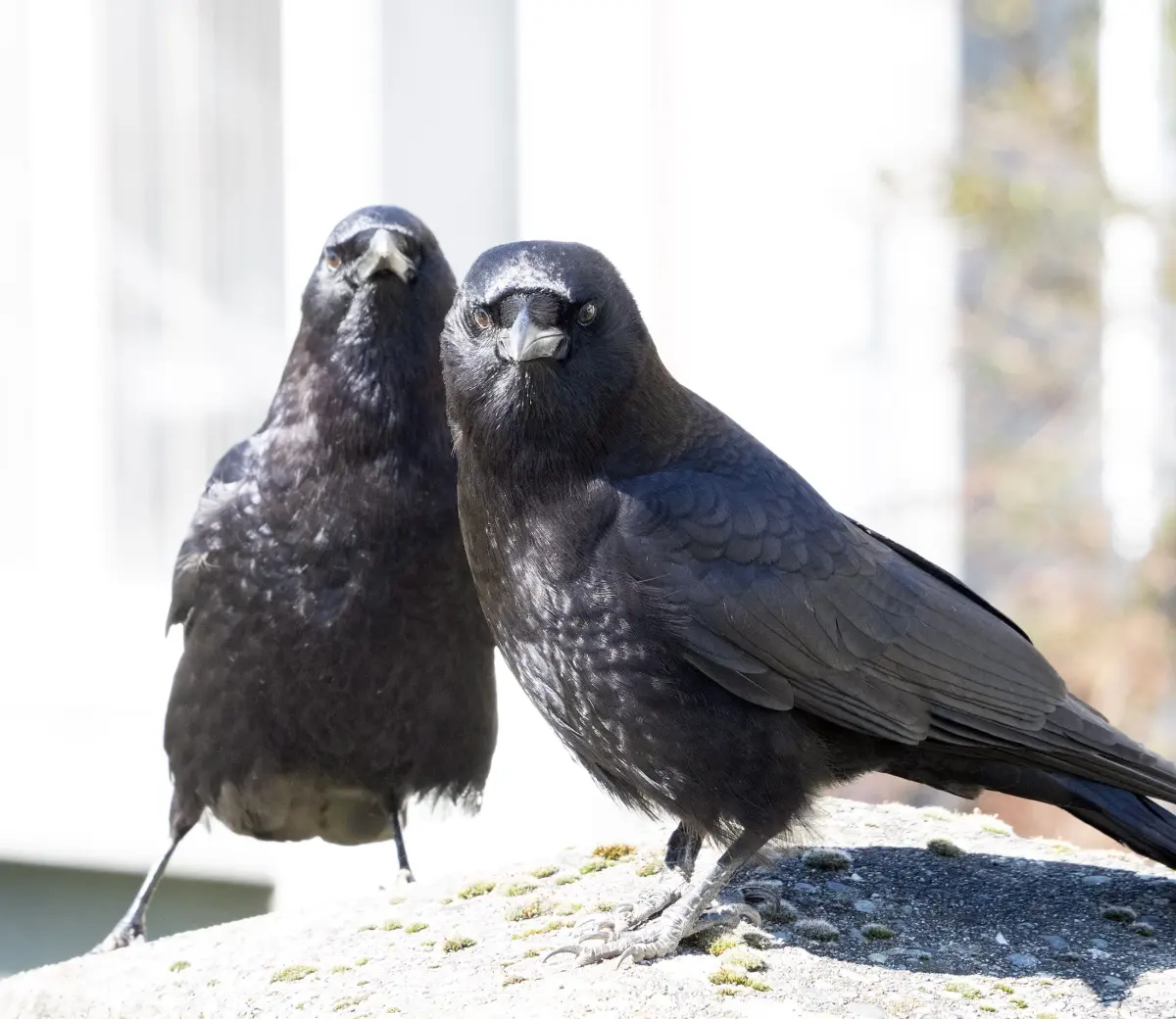
Crows are deeply integrated into the daily life of Vancouverites, often showing remarkable boldness. They possess high levels of cognitive function, allowing them to recognize individual human faces and remember who has been kind or hostile toward them. This memory can last for years, meaning a crow that is fed regularly may bring its offspring to the same location.
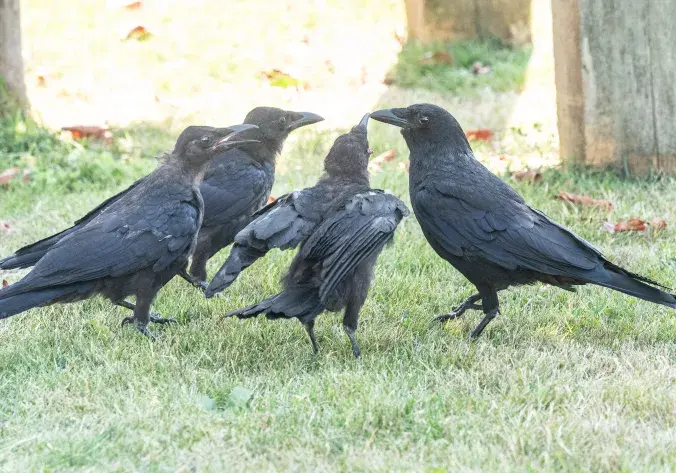
However, this interaction can lead to conflict, especially during the spring nesting season. Crows are fiercely protective of their fledglings and may engage in "dive-bombing" behavior if they feel a pedestrian is too close to a nest. To minimize negative encounters, residents should:
- Avoid approaching young birds that appear to be learning to fly on the ground.
- Keep a respectful distance from trees where nesting activity is observed.
- Refrain from feeding crows in high-traffic pedestrian areas to prevent aggressive begging behavior.
- Secure all compost and garbage bins to prevent the birds from associating human presence with immediate food rewards.
Common mistakes when dealing with crows
Many residents attempt to manage the crow population through ineffective or harmful methods. One common mistake is attempting to scare the birds away using plastic owls or reflective tape. Crows are highly observant and quickly realize these objects are stationary and harmless, often ignoring them within a few days. Another error is leaving pet food outdoors, which acts as a primary attractant and encourages the birds to congregate in residential backyards.
It is also a mistake to view the crows as a nuisance that should be eradicated. Attempting to poison or trap the birds is illegal and ineffective, as the population is highly mobile and will simply be replaced by others drawn to the available food. Instead of trying to eliminate them, focus on managing attractants. By keeping yards clean and ensuring that waste is stored in wildlife-resistant containers, residents can reduce the density of crows in their immediate vicinity without resorting to ineffective deterrents.
How can I coexist with Vancouver crows?
Coexisting with crows requires an understanding of their natural behavior and a commitment to responsible waste management. These birds play a role in the urban ecosystem by cleaning up organic waste that might otherwise attract more problematic pests like rats. By respecting their space and limiting their access to human food, residents can enjoy the presence of these intelligent animals without the frustrations of property damage or aggressive interactions.
If you find a crow that appears injured, it is important to contact a professional wildlife rehabilitation center rather than attempting to handle the bird yourself. Crows are wild animals and can be unpredictable when stressed or in pain. Following these guidelines ensures that the unique relationship between Vancouver’s human and avian residents remains balanced. By focusing on coexistence, the city can continue to support its vibrant crow population while maintaining a clean and safe environment for all who live in the region.
Key facts
- Vancouver’s crow population is estimated at roughly 15,000 to 20,000 birds.
- Most of these crows migrate nightly to a massive communal roost located in Burnaby.
- Crows are highly intelligent scavengers that thrive in urban environments due to abundant food waste.
- The "caw" of a crow serves as a complex communication tool to alert others about food or threats.
- To reduce crow activity, secure your compost bins with locking lids and avoid leaving pet food outdoors.
- Never feed crows directly, as this habituates them to humans and increases their presence in residential yards.
The bottom line
Vancouver’s high crow population is the result of an ideal urban habitat that provides consistent food sources and safe communal roosting sites. While their presence can be noisy or disruptive, these birds are protected by law and play a functional role in the local ecosystem. By properly managing waste and avoiding intentional feeding, residents can effectively minimize crow activity around their homes without harming the local wildlife.
People also ask
Are crows in Vancouver considered a pest?
Many residents view them as pests because of their noise and tendency to scatter trash. However, they also provide ecological benefits by consuming carrion and controlling insect populations.
Do crows in Vancouver attack people?
Crows are generally harmless, but they may "dive-bomb" people if they perceive a threat to their fledglings. This behavior typically occurs during the spring nesting season.
Why do crows gather in such large groups?
Communal roosting provides warmth, safety from predators, and opportunities to share information about food sources. This social behavior is a survival strategy for the species.
Can I legally trap or kill crows in my yard?
Crows are protected under the Migratory Birds Convention Act in Canada. It is illegal to hunt, trap, or disturb their nests without specific government permits.
How long do crows live in the city?
In the wild, crows typically live 7 to 10 years. In protected urban environments with consistent food supplies, some individuals can live significantly longer.
Do crows drive away other birds?
Crows are territorial and may chase away smaller birds or raptors. This can lead to a decrease in songbird diversity in neighborhoods with very high crow densities.
This answer was created with the help of AI research tools and reference sources. Spotted an error? Let us know — we correct mistakes quickly. See our editorial policy.